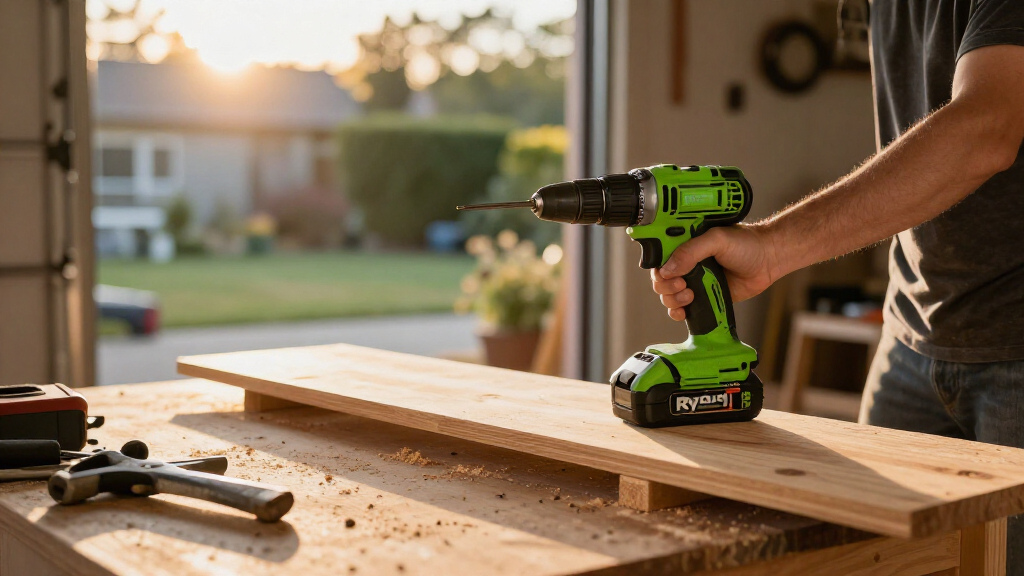
For most ONE+ owners, I’d choose the RYOBI ONE+ 18V High Performance 4.0 Ah Battery as the best overall balance of capacity and everyday usability. The 6.0 Ah High Performance 2-Pack suits buyers who want longer run time for demanding tools, while the 2.0 Ah Battery and Charger Kit is a practical entry point for lighter jobs. The main tradeoff is straightforward: larger batteries can run longer but add weight, while smaller packs are easier to handle but need more frequent charging. Kits and multipacks can also be more useful than a standalone battery if you are building a setup from scratch. Read on for the full breakdown and help matching a battery to your tools and workload.

Get business pricing on tools and workshop supplies
- Business-only prices and quantity discounts
- Tax-exempt purchasing
- Multiple users, one account, clear invoices
Complete the kit



Key Takeaways
- The 4.0Ah High Performance battery is the most balanced pick: it offers a useful middle ground between handling and capacity, without committing to a bulkier 6.0Ah pack.
- High Performance and standard 4.0Ah models serve different priorities: choose High Performance when tool demand matters; standard packs are a sensible fit for routine use and multipack replenishment.
- The 6.0Ah two-pack favors longer work sessions: it supplies more capacity per pack than the 4.0Ah options, but adds weight and bulk that may be unwelcome in handheld tools.
- Starter kits solve a different problem than battery-only packs: the 2.0Ah kit and the mixed-capacity kit include a charger, making them more useful for new owners than for buyers who already have charging gear.
- Pack count, capacity, and included accessories matter more than a familiar model name: several listings share 4.0Ah capacity, so compare whether you need one pack, two packs, a charger, or a performance-focused battery.


| Ryobi batterie | Model | Voltage | Capacity | Compatibility |
|---|---|---|---|---|
| RYOBI ONE+ 18V High Performanc | PBP004 | 18 V | 4.0 Ah | RYOBI ONE+ 18V tools |
| RYOBI ONE+ 18V 6.0 Ah High Per | PBP007 | — | 6.0 Ah each | RYOBI 18V ONE+ system |
| RYOBI ONE+ 18V 4.0 Ah Lithium- | PBP005 | 18 V | 4.0 Ah | More than 225 RYOBI ONE+ 18V tools and chargers |
| RYOBI P108 18V ONE+ High-Capac | PBP004 (listed) | 18 V | 4 mAh (listed; verify) | RYOBI 18V ONE+ tools |
| RYOBI ONE+ 18V 4.0Ah Lithium-I | 2 x RB18L40; model name PBP005 | 18 V | 4.0 Ah each | — |
| RYOBI ONE+ 18V 2.0Ah Lithium-I | — | 18V | 2.0Ah | RYOBI 18V ONE+ tools |
| RYOBI ONE+ 18V Lithium-Ion 4.0 | PSK006 | 18V | — | RYOBI 18V ONE+ tools and lithium-ion chargers |
| RYOBI ONE+ 18V 4.0 Ah Lithium- | PBP004 | 18V | 4.0Ah each | — |
| RYOBI ONE+ 18V 4.0Ah Lithium-I | PBP2005 | 18V | 4.0Ah each | RYOBI ONE+ tool ecosystem |
| RYOBI ONE+ 18V Lithium High Pe | PSK1212SB | 18V | — | RYOBI 18V ONE+ tools |
More Details on Our Top Picks
RYOBI ONE+ 18V High Performance 4.0 Ah Lithium-Ion Battery
The PBP004 4.0 Ah battery is a good fit for ONE+ owners who want a single battery with more capacity than a compact pack, without moving up to the bulkier 6.0 Ah two-pack. Its onboard voltage, temperature, and current monitoring is the distinguishing feature here: paired with compatible ONE+ HP tools, that electronics package is designed to support performance while tracking operating conditions. The LED gauge also makes charge checks easier between tasks. Compared with the standard PBP005 4.0 Ah battery, this model puts more emphasis on high-performance electronics; compared with the 6.0 Ah two-pack, it is a one-battery purchase with less capacity per charge. The tradeoff is that a charger is not included, and one battery may not cover a long work session without a spare.
Pros:- Compatible with RYOBI ONE+ 18V tools
- Onboard electronics monitor voltage, temperature, and current
- LED charge gauge gives a quick read on remaining charge
- Impact-resistant design and stated operation in extreme temperatures
Cons:- Charger is sold separately
- Single 4.0 Ah battery offers less capacity per charge than the 6.0 Ah two-pack
- The listed 1.6 lb item weight may feel substantial for extended overhead use
Best for: ONE+ owners with compatible HP tools who want one 4.0 Ah battery with charge monitoring and a fuel gauge.
Not ideal for: Buyers building a complete charging setup or seeking extended runtime from multiple batteries, since this is a single battery and the charger is sold separately.
- Model:PBP004
- Voltage:18 V
- Capacity:4.0 Ah
- Battery chemistry:Lithium-ion
- Battery count:1
- Compatibility:RYOBI ONE+ 18V tools
- Item weight:1.6 lb
- Dimensions:5.25 x 3.25 x 4.25 in
- Charger:Sold separately
Our verdict“Choose this single pack if you want a 4.0 Ah battery with high-performance monitoring for ONE+ tools and already have a compatible charger.”
RYOBI ONE+ 18V 6.0 Ah High Performance Lithium-Ion Battery, 2-Pack
For buyers who want fewer battery changes, this two-pack of 6.0 Ah batteries offers the greatest stated capacity among these five options. It suits longer tasks and a rotation system: one battery can work while the other is ready to go, although charging equipment is not specified in the product details. The LED fuel gauge helps you judge when to swap, while overload and overheating protection add safeguards during demanding use. Compared with the single PBP004 4.0 Ah, each pack provides more capacity, but the larger format may be less appealing for tools where low weight matters. It also costs you flexibility if you mainly use compact tools or short bursts of power: the extra capacity may be unnecessary bulk, and this pack is limited to the ONE+ system.
Pros:- Two 6.0 Ah batteries provide substantial combined capacity
- LED fuel gauge displays remaining charge
- Overload and overheating protection are included
- Quick-release buttons simplify battery changes
Cons:- Higher capacity can mean a bulkier, heavier setup than 4.0 Ah alternatives
- Compatibility is limited to the RYOBI 18V ONE+ system
- Product details do not specify a charger as included
Best for: ONE+ users running tools through long work sessions who want two higher-capacity batteries ready for rotation.
Not ideal for: DIYers who prioritize the lightest setup for compact or overhead tools, or buyers who need batteries that work outside the RYOBI 18V ONE+ platform.
- Model:PBP007
- Capacity:6.0 Ah each
- Quantity:2
- Battery chemistry:Lithium-ion
- Compatibility:RYOBI 18V ONE+ system
- Weight:500 g (listed)
- Dimensions:9.29 x 6.54 x 4.76 in
- Features:LED fuel gauge, overload and overheating protection, quick-release buttons
Our verdict“Pick this two-pack when sustained runtime and battery rotation matter more than keeping each tool as light as possible.”
RYOBI ONE+ 18V 4.0 Ah Lithium-Ion Rechargeable Battery, PBP005
The PBP005 4.0 Ah is the straightforward choice for ONE+ owners who want a useful runtime step up from a 1.5 Ah battery without choosing the largest pack in this group. The product describes up to three times the runtime of that smaller battery, which can mean fewer interruptions for common home and workshop tasks. Its LED fuel gauge and impact-resistant design keep the essentials covered, and compatibility with more than 225 ONE+ tools makes it a versatile addition to an existing system. Compared with the high-performance PBP004, this model does not list the same voltage, temperature, and current monitoring; compared with the 6.0 Ah two-pack, it is a simpler single-battery option with less capacity. A single 4.0 Ah pack may still fall short for extended, high-demand work.
Pros:- Up to three times the runtime of a standard 1.5 Ah battery, as stated in the product details
- LED fuel gauge shows remaining charge
- Impact-resistant design suits routine workshop and job-site handling
- Compatible with more than 225 RYOBI ONE+ 18V tools and chargers
Cons:- Sold as one battery, so there is no spare for rotation
- Less capacity per battery than the 6.0 Ah option
- Does not list the PBP004’s voltage, temperature, and current monitoring
Best for: Homeowners and hobbyists who already own ONE+ tools and want one general-purpose 4.0 Ah battery for regular tasks.
Not ideal for: People working long shifts with high-draw tools who need the greater capacity and spare battery provided by a multi-pack.
- Model:PBP005
- Voltage:18 V
- Capacity:4.0 Ah
- Battery type:Lithium-ion
- Unit count:1
- Compatibility:More than 225 RYOBI ONE+ 18V tools and chargers
- Weight:720 g
- Dimensions:4.96 in W x 4.61 in H
Our verdict“Choose the PBP005 for a versatile, everyday 4.0 Ah battery when you value broad ONE+ compatibility over maximum runtime.”
RYOBI P108 18V ONE+ High-Capacity Lithium-Ion Battery
The P108 is best understood as a replacement-style pick for buyers who already know they need this ONE+ battery format, rather than as the clearest choice for someone comparing capacities from scratch. It has a fuel gauge, works with RYOBI 18V ONE+ tools, and is described as performing in extreme weather. Its stated charge-retention advantage is framed against Ni-Cd batteries, which is less useful when comparing it with the lithium-ion packs elsewhere in this roundup. The listing’s capacity is recorded as 4 mAh, an unusually low figure that conflicts with its high-capacity description, so I would verify the correct capacity before buying. Unlike the two-pack PBP005 bundle, it includes just one battery, and its charger is sold separately.
Pros:- Compatible with RYOBI 18V ONE+ tools
- Onboard fuel gauge helps check remaining charge
- Described as suitable for performance in extreme weather
- Lithium-ion chemistry is stated to retain charge longer than Ni-Cd batteries
Cons:- Capacity is listed as 4 mAh, which conflicts with the high-capacity description and needs verification
- Charger is sold separately
- Includes one battery rather than the two batteries in the PBP005 4.0 Ah two-pack
Best for: Owners replacing a P108-style battery who have confirmed the correct capacity and compatibility for their tools.
Not ideal for: First-time battery buyers who need reliable capacity information or a charger included with the battery.
- Model:PBP004 (listed)
- Voltage:18 V
- Capacity:4 mAh (listed; verify)
- Battery type:Lithium-ion
- Quantity:1 battery
- Compatibility:RYOBI 18V ONE+ tools
- Weight:0.78 kg
- Charger:Compatible dual-chemistry charger sold separately
Our verdict“Consider the P108 only as a replacement after confirming its capacity and fit, since the listing’s capacity data is inconsistent.”
RYOBI ONE+ 18V 4.0Ah Lithium-Ion High-Capacity Batteries, 2-Pack
This 4.0 Ah two-pack balances capacity and backup: each battery matches the everyday capacity of the PBP005 single, while the second lets you swap packs instead of stopping when one runs down. That makes it a more practical choice for a day of mixed household or workshop tasks than buying one 4.0 Ah battery alone. Its ONE+ compatibility also gives existing RYOBI owners broad use across the platform. Compared with the 6.0 Ah two-pack, these batteries offer less capacity per pack, which can be a better fit for buyers who do not need the largest batteries. The tradeoff is that the listing does not mention a charger, and its stated 30-day limited warranty is short. Buyers seeking a starter setup should compare it with a kit that includes charging equipment.
Pros:- Includes two rechargeable 4.0 Ah lithium-ion batteries
- A spare battery supports work while the other pack is charging
- Compatible with the RYOBI 18V ONE+ platform
- 4.0 Ah capacity is a middle ground between compact packs and the 6.0 Ah option
Cons:- Less capacity per battery than the 6.0 Ah two-pack
- Charger is not listed as included
- Warranty is listed as a 30-day limited warranty
Best for: ONE+ owners who want two general-purpose 4.0 Ah batteries for swapping between tools or keeping a spare charged.
Not ideal for: Buyers who need maximum runtime per battery or want a charger included as part of a complete starter setup.
- Model:2 x RB18L40; model name PBP005
- Voltage:18 V
- Capacity:4.0 Ah each
- Battery count:2
- Battery chemistry:Lithium-ion
- Compatible platform:RYOBI 18V ONE+
- Battery weight:741 g
- Item dimensions:7.44 x 6.1 x 3.74 in
- Warranty:30-day limited warranty
Our verdict“Choose this pack if you want two versatile 4.0 Ah batteries for ONE+ tools and already have a charger.”
RYOBI ONE+ 18V 2.0Ah Lithium-Ion Battery and Charger Kit
I’d choose this kit when low weight and an included charger matter more than long runtimes. Its 2.0Ah battery is a useful step up from a standard 1.5Ah pack, but it is less suited to sustained work than the 4.0Ah batteries in the PSK006 two-pack. The compact format can make handheld tools easier to manage and helps limit fatigue during lighter jobs. An LED gauge gives a quick charge check, while the charger replenishes the battery in less than an hour. It also works across RYOBI 18V ONE+ tools and is designed for impact resistance and extreme-weather use. The tradeoff is straightforward: one small-capacity battery means more charging breaks for demanding tasks, though the charger makes this a practical entry point for someone building a kit.
Pros:- Includes both a 2.0Ah battery and compatible charger
- Compact battery can reduce weight on handheld tools
- LED charge gauge makes remaining power easier to check
- Designed for impact resistance and extreme-weather performance
Cons:- Single 2.0Ah battery has limited runtime for extended tasks
- Bulk packaging may be less suitable for buyers who want retail packaging
Best for: New RYOBI ONE+ owners who need a lightweight battery and charger for drills, drivers, and occasional household projects
Not ideal for: DIYers running tools for long stretches or several tools in rotation, since the single 2.0Ah battery will need more frequent recharging than a 4.0Ah pack
- Voltage:18V
- Capacity:2.0Ah
- Battery model:PBP006
- Charger model:PCG002
- Charging time:Less than 1 hour
- Compatibility:RYOBI 18V ONE+ tools
- Included:One battery, one charger, and operator’s manual
- Warranty:3-year manufacturer warranty
Our verdict“Choose this kit for a compact, ready-to-use ONE+ setup; pick the PSK006 two-pack instead if longer work sessions matter more than lower battery weight.”
RYOBI ONE+ 18V Lithium-Ion 4.0 Ah Battery and Charger Kit, 2-Pack (PSK006)
For buyers who want to keep working while a battery charges, I rate this two 4.0Ah batteries plus a charger as the most work-ready combination in this group. Compared with the single-battery 2.0Ah kit, it offers twice the capacity per battery and a spare for rotation, making it a better fit for repeated or longer jobs. The LED fuel gauges help with planning a swap, and quick-release buttons make battery changes simpler. Its stated extreme-weather performance also suits outdoor work where conditions vary. The cost of that coverage is more bulk to store and carry than a compact starter kit, and the charger is compatible with the ONE+ lithium-ion system rather than a universal platform. I’d skip it if one lightweight battery is all your occasional tasks require.
Pros:- Two 4.0Ah batteries support rotation between work and charging
- Charger is included in the kit
- LED fuel gauges help track remaining charge
- Quick-release buttons make battery swaps easier
Cons:- Two batteries and a charger take more storage space than the 2.0Ah starter kit
- System compatibility is limited to RYOBI 18V ONE+ batteries and tools
Best for: RYOBI ONE+ owners who use cordless tools for long DIY sessions and want a charged spare ready while the other battery is in use
Not ideal for: Occasional users who run one lightweight tool briefly and would rather avoid storing and carrying two full-size batteries
- Model:PSK006
- Voltage:18V
- Battery capacity:4.0Ah each
- Included batteries:2
- Battery chemistry:Lithium-ion
- Battery weight:400g each
- Compatibility:RYOBI 18V ONE+ tools and lithium-ion chargers
- Included:Two batteries and a compatible charger
Our verdict“Pick the PSK006 when you want two higher-capacity batteries and a charger in one kit, rather than the lighter single-battery 2.0Ah option.”
RYOBI ONE+ 18V 4.0 Ah Lithium-Ion Battery, 2-Pack
This pair makes the most sense for ONE+ owners who already have a charger and want two 4.0Ah replacement batteries without adding another charging unit. Like the PSK006, it provides two batteries for rotation; unlike that kit, the charger is sold separately, so it is a weaker choice for someone starting from scratch. The 4.0Ah capacity offers a practical middle ground: more runtime per pack than the compact 2.0Ah kit, without moving to the larger-capacity options elsewhere in the roundup. The limitation is the short 30-day limited warranty listed for this product, which provides less stated coverage than the three-year warranties on the 2.0Ah kit and high-performance starter kit. Bulk packaging is another tradeoff. I’d favor this pair when an existing charger makes the simpler battery-only setup useful.
Pros:- Two rechargeable 4.0Ah batteries provide a spare for rotation
- Works with the RYOBI ONE+ 18V system
- Battery-only format avoids adding an unneeded charger
- Lithium-ion batteries can be recharged for repeated use
Cons:- Charger is sold separately
- Listed warranty is limited to 30 days
- Bulk packaging may not suit buyers who want retail packaging
Best for: Existing RYOBI ONE+ users with a compatible charger who want two 4.0Ah batteries for rotation or replacements
Not ideal for: First-time ONE+ buyers who need a charger, or buyers who prioritize longer stated warranty coverage
- Model:PBP004
- Voltage:18V
- Capacity:4.0Ah each
- Battery count:2
- Battery chemistry:Lithium-ion
- Battery weight:1.4lb each
- Charger:Sold separately
- Warranty:30-day limited warranty
Our verdict“Choose this pair if you already own a compatible charger and want two 4.0Ah packs; the PSK006 is a better fit if you also need a charger.”
RYOBI ONE+ 18V 4.0Ah Lithium-Ion Battery 2-Pack (PBP2005)
The PBP2005 is a straightforward choice for adding two 4.0Ah batteries to an existing ONE+ setup. Having a spare helps reduce downtime when one pack needs charging, much like the PBP004 two-pack, but the provided details do not list a charger or warranty. That makes it a less complete purchase than the PSK006 kit, which includes both a charger and two 4.0Ah batteries. Each battery is rechargeable and compatible with the ONE+ tool ecosystem, so the pair is useful for owners who already have charging equipment and want to keep several tools ready. The listed 800g battery weight may be a consideration for users carrying packs between jobs or fitting a battery to a tool used overhead. I’d choose it for spare capacity, not as a first ONE+ battery purchase.
Pros:- Two batteries allow one to be charging while the other is in use
- Each battery offers 4.0Ah capacity
- Compatible with the RYOBI ONE+ tool ecosystem
- Rechargeable lithium-ion design
Cons:- Charger is not listed as included
- The listed 800g battery weight may be noticeable on handheld tools
- Warranty details are not provided in the supplied product data
Best for: ONE+ tool owners who already have a charger and want two 4.0Ah batteries to rotate between tools and charging
Not ideal for: New system owners who need a charger included, or users who want to minimize carried battery weight
- Model:PBP2005
- Voltage:18V
- Capacity:4.0Ah each
- Battery count:2
- Battery type:Lithium-ion
- Battery weight:800g
- Dimensions:9.33 × 6.61 × 3.23 inches
- Compatibility:RYOBI ONE+ tool ecosystem
Our verdict“Buy the PBP2005 pair if you already own a ONE+ charger and want two 4.0Ah spares; choose the PSK006 if you need charging equipment too.”
RYOBI ONE+ 18V Lithium High Performance Starter Kit with 2.0Ah and 4.0Ah Batteries and Charger
I’d put this kit ahead of the single-capacity battery pairs for a new ONE+ owner who wants one lighter pack and one longer-running pack from the outset. The 2.0Ah battery suits lighter tools and tasks where lower battery capacity can be an advantage; the 4.0Ah pack gives more room for longer sessions. Both are Lithium HIGH PERFORMANCE models, with IntelliCell electronics and COOL-CORE temperature management intended to support consistent output. An included PCG002 charger completes the setup, while the LED fuel gauge and anti-vibration construction add practical touches. Compared with the PSK006, this kit trades its second 4.0Ah battery for capacity flexibility. That is a poor swap for buyers who need two long-running packs, but useful for someone building a varied tool collection.
Pros:- Includes both 2.0Ah and 4.0Ah high-performance batteries
- PCG002 charger is included
- IntelliCell electronics and COOL-CORE temperature management support consistent output
- LED fuel gauge and anti-vibration construction add useful features
Cons:- Only one of the two batteries has 4.0Ah capacity
- One included charger must serve both batteries
- Designed for the RYOBI 18V ONE+ system
Best for: New RYOBI ONE+ owners with a mix of compact tools and higher-runtime tasks who want two battery sizes plus a charger
Not ideal for: Frequent users who need two 4.0Ah batteries for extended work and would not benefit from the smaller 2.0Ah pack
- Model:PSK1212SB
- Voltage:18V
- Included batteries:One 2.0Ah and one 4.0Ah Lithium HIGH PERFORMANCE battery
- Charger:PCG002
- Compatibility:RYOBI 18V ONE+ tools
- Dimensions:3.9 × 5.8 × 11 inches
- Weight:2.3lb
- Warranty:3-year manufacturer warranty
Our verdict“Choose this kit for a ready-to-use ONE+ setup with two useful capacity sizes; choose the PSK006 if you need two 4.0Ah batteries instead.”
How We Picked
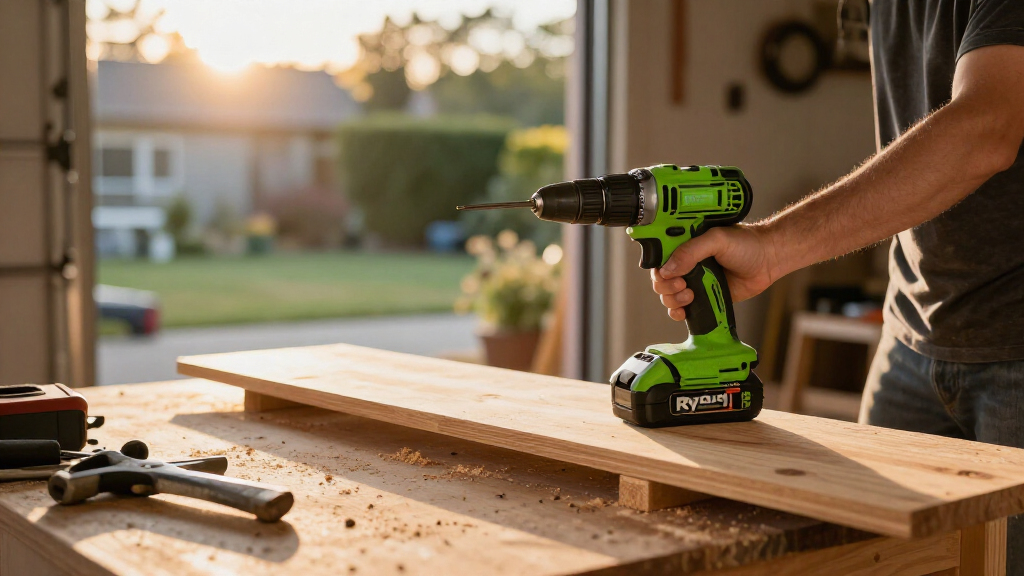
I compared these ten options by the job each battery package solves, rather than treating every 18V pack as interchangeable. The main factors were stated capacity, High Performance positioning, pack count, whether a charger is included, and the likely balance of run time against battery size and handling. Compatibility with the ONE+ platform also matters: a battery is more useful when it fits the tools a buyer already owns.
The ranking favors versatile choices first. The 4.0Ah High Performance standalone battery leads because it pairs a broadly useful capacity with performance-focused positioning; the 6.0Ah two-pack follows for buyers prioritizing longer sessions. Standard-capacity multipacks and the older P108 remain useful for replenishment, while charger kits rank higher for buyers starting out than for established owners. I distinguish similar-looking listings by their package contents and intended buyer, and I avoid assuming unlisted run-time figures or performance gains.
| Ryobi batterie | Compatibility |
|---|---|
| RYOBI ONE+ 18V High Performanc | RYOBI ONE+ 18V tools |
| RYOBI ONE+ 18V 6.0 Ah High Per | RYOBI 18V ONE+ system |
| RYOBI ONE+ 18V 4.0 Ah Lithium- | More than 225 RYOBI ONE+ 18V tools and chargers |
| RYOBI P108 18V ONE+ High-Capac | RYOBI 18V ONE+ tools |
| RYOBI ONE+ 18V 4.0Ah Lithium-I | — |
| RYOBI ONE+ 18V 2.0Ah Lithium-I | RYOBI 18V ONE+ tools |
| RYOBI ONE+ 18V Lithium-Ion 4.0 | RYOBI 18V ONE+ tools and lithium-ion chargers |
| RYOBI ONE+ 18V 4.0 Ah Lithium- | — |
| RYOBI ONE+ 18V 4.0Ah Lithium-I | RYOBI ONE+ tool ecosystem |
| RYOBI ONE+ 18V Lithium High Pe | RYOBI 18V ONE+ tools |
Factors to Consider When Choosing Best Ryobi Batteries
Before choosing a Ryobi battery, I’d match the pack to both the tool and the way you work. Capacity is only one part of the decision: tool demand, weight, charging access, and whether you need one battery or a rotation all affect the better buy.
Match Capacity to the Tool and the Work
A higher Ah rating means more stored energy, but it does not automatically make a battery the right choice for every tool. For brief tasks and lighter tools, a smaller pack can keep the setup easier to hold and maneuver. Higher-demand tools and longer sessions can benefit from more capacity, especially if stopping to recharge interrupts the job. Think about how long a typical task lasts, not just the longest task you might do once a year. A common mistake is buying the largest pack for every tool and then finding it makes overhead or close-control work tiring. If your work varies, a mix of capacities can be more practical than several identical large batteries.
Decide Whether High Performance Is Worth Prioritizing
High Performance models are positioned for tools and tasks that can make greater demands on a battery, while standard ONE+ packs can suit ordinary household and workshop use. That distinction matters most when the battery is paired with a demanding tool; for light-duty use, capacity and convenience may matter more. Avoid assuming that every High Performance listing guarantees a specific run-time increase, since results depend on the tool, material, and workload. Compare the model’s stated features with the tools you actually own rather than paying attention to the label alone. If you use a mix of light and demanding tools, reserve performance-focused packs for the jobs where they are most useful. This can keep smaller, lighter packs available for tasks where handling comes first.
Choose a Pack Count That Fits Your Work Rhythm
A two-pack is valuable when one battery can charge while the other is in use, or when several tools need to stay ready. It is less compelling if your work is occasional and a single pack covers the job. Consider whether you can rotate batteries efficiently: a spare only helps when it is charged and easy to find. Buying multiple smaller packs can also give you more flexibility than relying on one large pack, though it means managing more batteries. Match pack count to your work schedule and charging habits, not simply to the number of tools in your collection. If you are expanding gradually, one additional battery may be a better first step than a large bundle.
Check Whether the Package Includes a Charger
Battery-only options make the most sense when you already have a compatible charger and want to add capacity. A kit can be a better starting point for someone entering the ONE+ system, since it includes charging hardware along with a battery. Check the exact package contents before comparing listings: a battery-and-charger kit, a battery multipack, and a mixed-capacity starter kit solve different needs. Do not buy another charger automatically if your current charging setup already covers your batteries. On the other hand, a second charger can help when several packs need to be ready for a longer workday. The right package depends on your current equipment, not just the battery’s capacity.
Balance Run Time Against Weight and Handling
More capacity can reduce battery changes, but larger packs may make handheld tools feel heavier. That can matter more than extra run time for overhead work, pruning, fastening, or tasks that call for precise control. A compact pack may be the better choice when comfort and reach matter, even if it needs charging more often. Consider how the tool is held and how long you use it continuously; a pack that feels manageable for a quick cut may feel cumbersome over a long session. Buyers often focus on capacity and overlook the effect of battery weight on fatigue. If possible, prioritize a lighter option for tools used at arm’s length and a higher-capacity pack for stationary or demanding work.
Compare Model Names and Package Details Carefully
Ryobi listings can look similar even when their package contents or battery lines differ. Several products in this roundup are 4.0Ah options, but some are High Performance, some are standard packs, and others include two batteries or a charger. Check the full model name and included items rather than relying on the capacity number alone. Older model references, such as P108, may appeal to buyers replacing a pack they already know, but a familiar name does not by itself establish that it is the best match for a new purchase. Confirm that the listing matches your intended ONE+ use and the charger you own. This comparison habit helps prevent paying for accessories you do not need—or missing ones you do.
Frequently Asked Questions
Should I choose a 4.0Ah battery or a 6.0Ah battery for my ONE+ tools?
I’d choose based on the balance of run time and handling you need. The 6.0Ah High Performance two-pack is the stronger fit for longer sessions and demanding tools, while 4.0Ah options are easier to justify as all-around packs for mixed use. Larger batteries can add weight, which may be noticeable on handheld or overhead tasks. If you own several tools, a mix of 4.0Ah and 6.0Ah packs can cover different jobs better than choosing one capacity for everything. Also compare whether you need one pack or a two-pack before deciding.
Is a High Performance battery necessary for everyday household projects?
Not necessarily. For occasional, lighter jobs, a standard 4.0Ah battery may be a more sensible match than choosing a performance-focused pack by default. High Performance models are more relevant when your tool and workload make battery capability a priority. Your tool choice, materials, and work duration all affect how much that distinction matters. If you are unsure, start with the battery format that suits your common tasks rather than assuming the most performance-focused option is always better.
Should I buy a battery-only pack or a battery-and-charger kit?
Buy a battery-only pack if you already have a compatible charger and simply need more capacity or a replacement. A kit is more useful when you are new to the ONE+ platform or need another charging station as well as a battery. The 2.0Ah kit is aimed at a lighter-duty starting setup, while the two-pack 4.0Ah kit provides more battery capacity alongside charging hardware. Check the contents carefully, since some two-pack listings do not include a charger. Paying for a charger you already own may not improve your setup.
Is it better to own two smaller batteries or one larger battery?
Two smaller packs can keep work moving if one is in use while the other charges, and they offer more flexibility across tools. One larger pack can reduce battery changes during a long task, but it may be heavier and leaves you without a spare if it runs out. Your charging access and work rhythm should guide the choice. For intermittent home projects, a single pack may be enough; for longer sessions, a rotation can be more convenient. The roundup’s 6.0Ah two-pack suits buyers who want both higher capacity and a spare, while 4.0Ah multipacks offer a more moderate capacity per battery.
What should I check before buying a replacement for an older Ryobi battery?
Start by confirming that the replacement is an 18V ONE+ battery and that it suits the tools and charger you already own. Then compare capacity, pack dimensions and weight, and whether the product is sold alone or with charging equipment. If you are replacing a P108, do not assume a battery with a newer or different model name will match every expectation; verify the listing details and intended platform. Think about whether the replacement is for a demanding tool or a lighter task, since that affects the capacity and battery line worth choosing. A few minutes checking model and package details can prevent an unnecessary accessory purchase.
Conclusion
For the broadest range of ONE+ work, I’d pick the 4.0Ah High Performance battery as the best overall option. Buyers seeking longer sessions should move up to the 6.0Ah High Performance two-pack, while the standard 4.0Ah multipacks make the most sense as replenishment choices when pack count matters. For a first purchase, the 2.0Ah Battery and Charger Kit is the straightforward beginner option; the mixed-capacity starter kit is a better fit if you want both a compact pack and a larger one. My value-minded pick is a standard 4.0Ah two-pack when you already have a charger and need useful spare capacity. Choose according to your tools, handling needs, and charging setup—not capacity alone.