
TL;DR

Get business pricing on tools and workshop supplies
- Business-only prices and quantity discounts
- Tax-exempt purchasing
- Multiple users, one account, clear invoices
A short film titled ‘Please No Photos!’ explores tourists’ obsession with capturing moments through photography. The film aims to raise awareness about how this behavior affects experiences and destinations. The trend is attracting increased attention amid broader concerns about over-tourism and cultural preservation.
A new short film titled ‘Please No Photos!’ has been released, spotlighting the growing obsession among tourists with capturing images rather than engaging with their surroundings. The film aims to raise awareness about how this behavior influences travel experiences and destination environments. While the trend has been observed anecdotally, the film’s release has sparked renewed discussion on the cultural and environmental impacts of over-photographing.
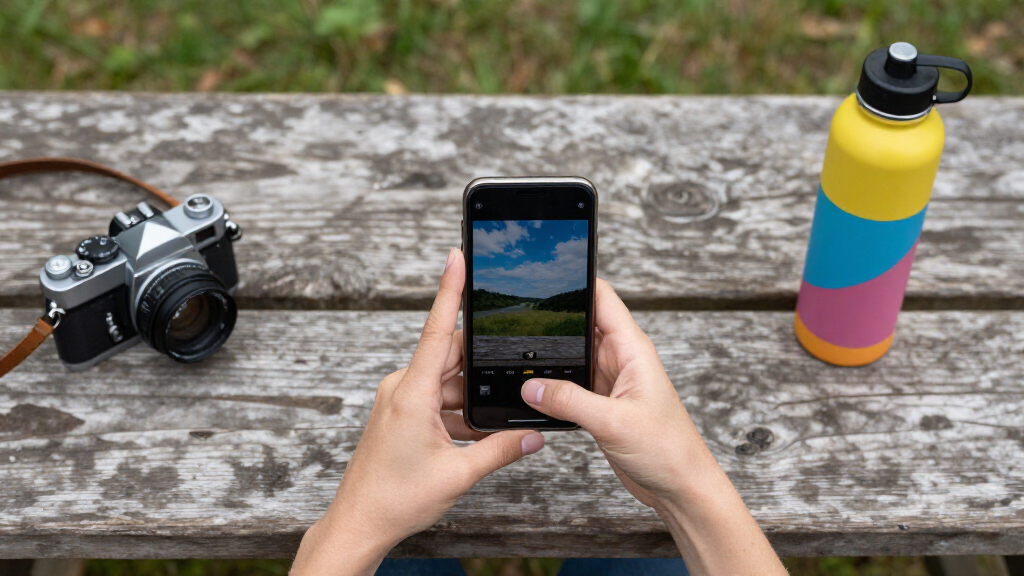
The film ‘Please No Photos!’, which premiered online earlier this month, depicts scenes of tourists intensely focused on their smartphones and cameras, often at the expense of genuine engagement with local cultures and landscapes. Its creators intend to highlight the phenomenon of ‘photo obsession’—a trend where visitors prioritize capturing images over experiencing the moment firsthand.
While the film does not cite specific studies, it aligns with a broader pattern of increasing concern about over-tourism and the environmental degradation caused by large crowds. Experts suggest that the obsession with documentation can diminish the authenticity of travel experiences and contribute to overcrowding at popular sites. The film’s message resonates with ongoing debates about sustainable tourism practices, especially in iconic destinations.
Since its release, the film has garnered attention on social media, with many viewers sharing their own observations about the behavior. Some tourism officials have expressed interest in using the film as a conversation starter about responsible tourism, though no formal campaigns have been announced. The film’s creators say they hope it encourages travelers to be more present and mindful during their trips.
Implications of the Photo-Obsessed Tourist Culture
The film sheds light on a growing cultural trend that could have lasting impacts on travel experiences, local communities, and environmental sustainability. As tourists prioritize capturing moments over authentic engagement, destinations may face increased overcrowding, environmental strain, and cultural dilution. The discussion prompted by the film underscores the need for more mindful tourism practices and potential policy responses to mitigate negative effects. For travelers, it raises awareness about balancing documentation with genuine experience, which could influence future travel behaviors and industry standards.As an affiliate, we earn on qualifying purchases.
Rising Concern Over Over-Tourism and Digital Distraction
Over the past decade, travel has become increasingly commodified, with social media playing a central role in shaping tourist behavior. The desire to share striking images often leads visitors to prioritize photo-taking over meaningful interactions. This trend has been linked to overcrowding at popular sites, environmental damage, and cultural commodification. While the phenomenon is widely recognized, specific initiatives to address it remain limited, and the recent surge in coverage is partly driven by social media interest and the release of the new film. Experts note that the COVID-19 pandemic temporarily reduced tourism but also heightened awareness of sustainable practices, which the film now amplifies.As an affiliate, we earn on qualifying purchases.
Unconfirmed Impact and Audience Reception
It is not yet clear how widely the film will influence traveler behavior or whether it will lead to industry-wide changes. While social media reactions are positive, concrete policy responses or behavioral shifts remain unconfirmed. The extent to which the film will impact tourism practices or inspire responsible travel campaigns is still uncertain, as it is primarily a cultural commentary at this stage.As an affiliate, we earn on qualifying purchases.
Potential for Broader Campaigns and Industry Response
Following the film’s release, stakeholders in tourism and cultural preservation may consider using it as a catalyst for awareness campaigns or policy initiatives promoting mindful tourism. Industry groups could incorporate its message into responsible travel guidelines, and destinations might implement visitor management strategies. Researchers are also likely to study the phenomenon further to quantify its impacts and develop targeted solutions. The film’s influence will depend on its reception among travelers, tourism operators, and policymakers in the coming months.environmentally friendly reusable water bottle
As an affiliate, we earn on qualifying purchases.
As an affiliate, we earn on qualifying purchases.
Key Questions
Why has the trend of taking more photos during travel become a concern?
This trend can lead to overcrowding at popular sites, environmental degradation, and a diminished sense of authentic experience for travelers. It also shifts focus from engaging with local cultures to digital documentation.
What is the main message of the ‘Please No Photos!’ short film?
The film encourages travelers to be more present and mindful during their visits, suggesting that genuine experiences are more meaningful than just capturing images.
Could this film influence travel industry practices?
It has the potential to spark conversations about responsible tourism, but its actual impact on industry standards or traveler behavior remains to be seen.
Are there any official initiatives addressing this trend?
Currently, formal initiatives are limited, though some tourism boards and environmental groups are exploring campaigns to promote mindful travel practices.
What are experts saying about the future of this trend?
Many believe that increased awareness and responsible tourism policies could mitigate negative impacts, but significant cultural change among travelers will be necessary.
Source: rss
Halloween Picks
halloween
As an affiliate, we earn on qualifying purchases.