
TL;DR

Get business pricing on tools and workshop supplies
- Business-only prices and quantity discounts
- Tax-exempt purchasing
- Multiple users, one account, clear invoices
The largest Roman mosaic ever excavated has been revealed and opened to the public. The discovery is significant for archaeology and cultural heritage, drawing global attention. Details about the mosaic’s age and origin are confirmed, but some aspects remain under study.
The largest Roman mosaic ever excavated has been officially opened to the public, after years of excavation and restoration work. The discovery, made in an ancient site in Italy, is considered a significant breakthrough in Roman archaeology and cultural heritage preservation. The unveiling was announced by the archaeological team involved, highlighting its importance for historical scholarship and tourism.
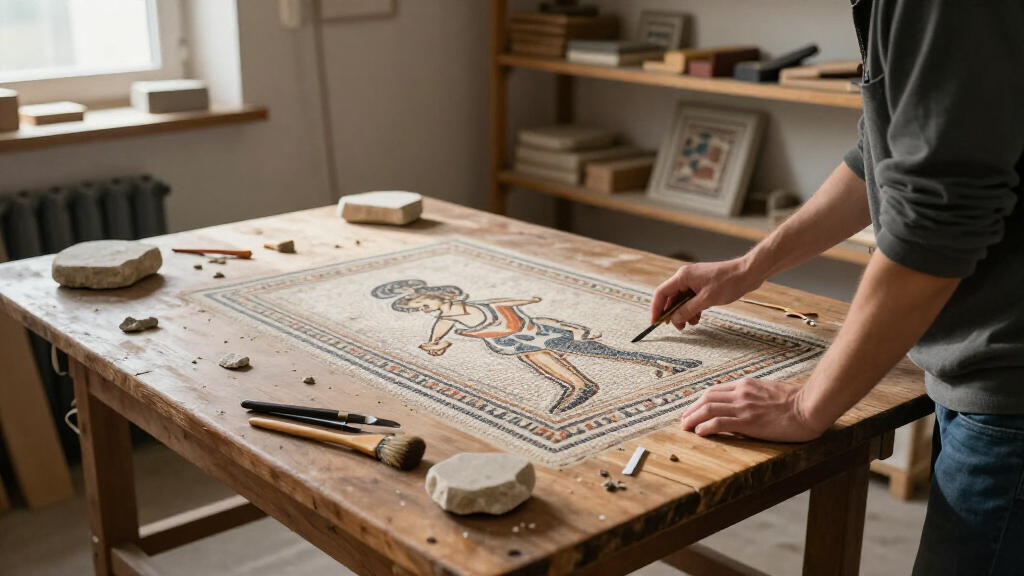
The mosaic, measuring approximately 1,200 square meters, was uncovered during excavations at a Roman villa site in southern Italy. It is believed to date back to the 4th century AD, based on initial dating techniques and stylistic analysis, according to archaeologists involved in the project. The mosaic features intricate geometric patterns and detailed figurative scenes, representing a high level of craftsmanship typical of Roman elite residences.
Following extensive cleaning and conservation efforts, the mosaic has been mounted on a secure display platform and is now accessible to visitors at the newly established archaeological park. Officials from the Italian Ministry of Culture confirmed that the site is now open for public visits, with guided tours and educational programs planned to highlight its historical significance. The discovery has already attracted considerable media attention and increased tourism interest in the region.
Why the Mosaic’s Unveiling Matters for Archaeology and Heritage
The unveiling of the largest Roman mosaic provides valuable insights into Roman art, culture, and social structure during the late imperial period. Its size and complexity make it a unique example of Roman craftsmanship, and it offers a rare glimpse into the luxury and aesthetic preferences of Roman elites. The discovery also enhances Italy’s archaeological profile, potentially boosting cultural tourism and local economies.
Moreover, the mosaic’s preservation and public display underscore ongoing efforts to protect and showcase ancient heritage sites amid modern development pressures. Experts see this as a milestone that could inspire further excavations and conservation projects across the Mediterranean region, where many Roman sites remain buried or poorly documented.
As an affiliate, we earn on qualifying purchases.
Historical and Archaeological Context of the Roman Mosaic Discovery
The Roman villa site where the mosaic was found has been under excavation for several years, with initial discoveries indicating it was a wealthy estate from the late Roman Empire. The site’s significance grew with the discovery of this massive mosaic, which is believed to be part of a grand reception hall or private sanctuary. Historically, Roman mosaics have been prized for their artistic and symbolic value, often depicting mythological, religious, or daily life scenes.
Previous major discoveries of Roman mosaics include notable sites like Pompeii and Herculaneum, but none of comparable size or complexity have been uncovered in recent decades. The current find is considered a game-changer in understanding Roman domestic architecture and decorative arts, especially in southern Italy, a key region for Roman provincial life.
While the exact dating and provenance are still being studied, preliminary analyses suggest the mosaic was created during a period of significant cultural and political change in the Roman Empire, possibly reflecting the wealth and power of its owner.
As an affiliate, we earn on qualifying purchases.
Unresolved Questions About the Mosaic’s Origins and Context
While the mosaic’s size and style are confirmed, some details about its exact date, the identity of its original owner, and the full scope of its iconography remain under study. Radiocarbon dating and stylistic analysis are ongoing, and scholars are cautious about definitive conclusions at this stage. It is also unclear how much of the original structure remains intact beneath or around the mosaic.
As an affiliate, we earn on qualifying purchases.
Next Steps in Research and Public Engagement
Researchers plan to conduct detailed scientific analyses, including advanced dating techniques and material studies, to better understand the mosaic’s origins. Conservation work will continue to ensure its long-term preservation. Meanwhile, the site will host guided tours, educational programs, and possibly virtual access options to engage a broader audience. Further excavations around the site are also anticipated to uncover additional artifacts and structural elements.
As an affiliate, we earn on qualifying purchases.
Key Questions
How old is the mosaic?
Preliminary estimates suggest it dates back to the 4th century AD, but ongoing analysis is needed for precise dating.
Where exactly was the mosaic found?
It was uncovered at an ancient Roman villa site in southern Italy, believed to be a wealthy estate from the late Roman Empire.
Can I visit the mosaic now?
Yes, the mosaic is now open to the public at the new archaeological park, with guided tours and educational programs available.
What makes this mosaic so significant?
It is the largest Roman mosaic ever excavated, featuring intricate geometric and figurative designs, offering unique insights into Roman art and elite life.
Are there plans for further excavations?
Yes, archaeologists plan to continue excavations around the site to uncover more artifacts and structural remains.
Source: rss
Fall yard work Picks
leaf blowers
As an affiliate, we earn on qualifying purchases.