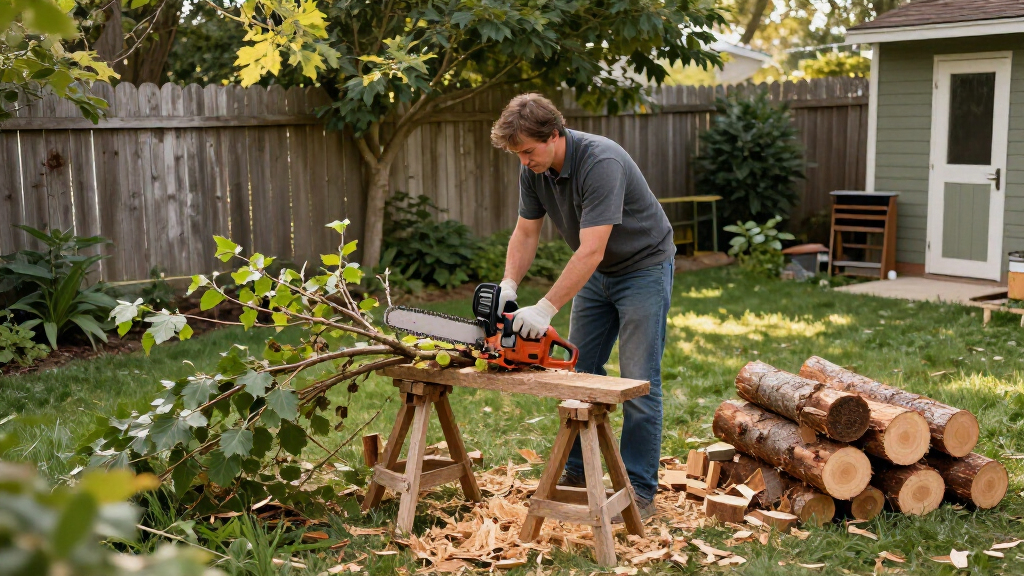
This guide shows beginner users how to prepare, operate, and maintain a cordless electric chainsaw for small, manageable cutting jobs. You will check the saw and work area, make controlled cuts, and store the tool safely. Allow 30-60 minutes for setup and a first job; the actual cutting time depends on the amount and size of the wood.

Get business pricing on tools and workshop supplies
- Business-only prices and quantity discounts
- Tax-exempt purchasing
- Multiple users, one account, clear invoices
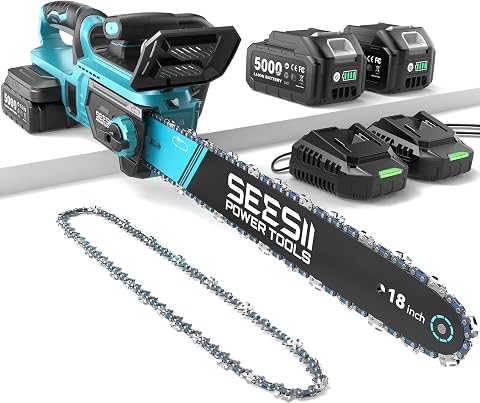
SEESII 40V Cordless Electric Chainsaw with 18-Inch Bar and Two 5.0Ah Batteries
- ✔ Motor: 2200W brushless
- ✔ Voltage: 40V
- ✔ Guide bar: 18 inches

Seesii 12-Inch Cordless Brushless Electric Chainsaw
- ✔ Model: M12 Studio
- ✔ Motor: 1200W brushless
- ✔ Power source: Battery powered

Seesii M6 Lite 6-Inch Cordless Mini Chainsaw with Two Batteries
- ✔ Model: M6 Lite
- ✔ Motor: 900W
- ✔ Bar length: 6 inches
Use this guide only for work within your saw’s rated capacity and your skill level. Chainsaws can cause severe injuries. Do not use one for tree felling, overhead cutting, storm-damaged trees, or wood under tension unless you have appropriate training and equipment.
Difficulty: Beginner | Time: 30-60 minutes for setup and a first small cutting job
What You’ll Need
Tools & Materials:
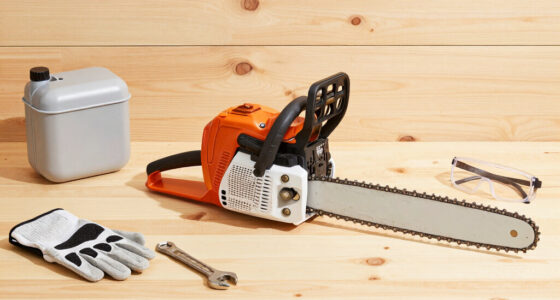
- Cordless chainsaw with its manual
- Compatible, fully charged battery and charger
- Chainsaw bar-and-chain oil specified by the manufacturer
- Chainsaw helmet with face shield and hearing protection
- Safety glasses, chainsaw-rated gloves, chainsaw chaps or trousers, and sturdy boots
- Stable saw horses or a suitable work support for logs
- First-aid kit and a clear phone connection for emergencies
Knowledge:
- Ability to identify the saw’s chain brake, trigger lock, and battery release
- Basic understanding of the manufacturer’s operating and maintenance instructions
- Ability to judge whether a branch or log is stable and within the saw’s capacity
Read the manual before installing the battery. Manuals specify the correct chain oil, chain tension, cutting capacity, and maintenance procedure; models differ. Charge the battery with its approved charger, away from moisture and heat. Do not use a damaged battery, charger, bar, chain, or saw.
Wear all required protective equipment before bringing the saw to the work area. Keep other people and pets away, and do not work alone in a remote location. A chainsaw’s chain can move as soon as the trigger is pressed, so keep the chain brake engaged and the battery removed during checks and adjustments.
SEESII 40V Cordless Electric Chainsaw with 18-Inch Bar and Two 5.0Ah Batteries
When the job involves larger branches, downed limbs, or cutting firewood, the 18-inch guide bar gives this model a meaningful reach advantage over both other picks. Its 2200W brushless motor, 30 ft/s stated chain speed, and two 5.0Ah batteries put it at the substantial end of this cordless lineup. The kit also includes two chargers, an extra chain, and protective gear, which is a more complete setup than the 12-inch model’s listed package.That reach comes with tradeoffs. At a stated 8.6 pounds with both batteries, it is heavier than the M6 Lite and less suited to prolonged overhead pruning. It also requires some initial installation, unlike the M6 Lite, which is described as ready to use without bar or chain assembly. The claimed capacity of up to 200 cuts applies to 4-inch softwood logs; we should not assume the same result with hardwood, thicker material, or different cutting technique. Compared with the 12-inch Seesii, this is the better fit for larger wood, but it is more saw than many light yard-maintenance buyers need.
Pros:
- 18-inch bar offers the greatest cutting reach in this comparison
- Two 5.0Ah batteries and two chargers are included
- Automatic lubrication and tool-free chain tensioning simplify routine upkeep
- Safety brake, hand guard, and dual-action safety switch are specified
Cons:
- Requires some initial installation before use
- Heavier than the M6 Lite and less convenient for extended overhead work
- The stated cut count is based on 4-inch softwood logs, not every cutting condition
Best for: Homeowners who regularly cut larger limbs or logs and want an 18-inch bar with two included 5.0Ah batteries.
Not ideal for: Buyers focused on delicate pruning, overhead work, minimal setup, or a particularly compact saw.
Bottom line: Choose this 40V saw when larger cuts justify its longer bar and heavier build; for ordinary pruning, the M6 Lite is easier to manage.
“Choose this 40V saw when larger cuts justify its longer bar and heavier build; for ordinary pruning, the M6 Lite is easier to manage.”
Seesii 12-Inch Cordless Brushless Electric Chainsaw
The 12-inch Seesii is the lineup’s middle-ground choice: it has a longer bar than the M6 Lite for handling more substantial branches and logs, but avoids the 18-inch reach and scale of the SEESII 40V. Its 1200W brushless motor is paired with two 4.0Ah batteries, so buyers have a spare battery in the kit rather than relying on a single pack. Automatic oiling and tool-free chain tensioning also reduce the amount of routine setup compared with a saw that requires manual lubrication or tools for basic adjustment.The compromise is handling and uncertainty. The supplied specifications state a weight of 4.5 kg (12 lbs, as stated), which is a substantial figure for a saw positioned between a handheld mini model and a larger 18-inch unit. Runtime is not specified, so we cannot determine how much continuous work the two batteries will support. Compared with the 40V model, it has a shorter bar and smaller listed battery capacity; compared with the M6 Lite, it is much less compact. It makes the most sense when a 6-inch bar is too limiting but an 18-inch saw feels unnecessary.
Pros:
- 12-inch bar offers a useful middle ground between compact pruning and larger cuts
- 1200W brushless motor
- Includes two 4.0Ah batteries
- Automatic oiling and tool-free chain tensioning
Cons:
- Runtime is not specified
- Listed weight is 12 lbs, heavier than the mini option
- Smaller bar and battery capacity than the 40V model
Best for: Yard owners who need more reach than a mini saw offers and value two batteries, automatic oiling, and tool-free tensioning.
Not ideal for: Buyers prioritizing a lightweight handheld saw or those who need the longest bar and clearly stated battery capacity for larger work.
Bottom line: For mixed yard work that exceeds mini-saw territory but does not demand an 18-inch bar, this is the most balanced size—provided its stated weight works for you.
“For mixed yard work that exceeds mini-saw territory but does not demand an 18-inch bar, this is the most balanced size—provided its stated weight works for you.”
Seesii M6 Lite 6-Inch Cordless Mini Chainsaw with Two Batteries
For pruning smaller branches and making controlled cuts where a full-size saw feels awkward, the M6 Lite has the clearest handling advantage here. Its 2.7-pound stated weight and 6-inch bar make it much easier to position than either the 12-inch Seesii or the 18-inch SEESII 40V. Two 21V batteries are included, and the product description gives an estimated runtime of up to 80–100 minutes. That figure is useful for comparison, but actual runtime will vary with wood and use.The compact format is also its main limitation. A stated cutting capacity of wood up to 15 cm thick does not make a 6-inch bar equivalent to the longer options for larger or repeated cuts. The M6 Lite is better viewed as a pruning and small-wood tool than as an all-purpose chainsaw. Its double safety lock, chain guard, and low-recoil design add practical safeguards, and the kit includes an extra chain and several accessories. However, chain oil is not included, so buyers need to source it before operation. Compared with the 12-inch model, this one is easier to maneuver but gives up reach and general cutting range.
Pros:
- Lightest listed option at 2.7 lbs
- Two batteries and an extra chain are included
- Double safety lock, chain guard, and low-recoil design are specified
- Includes gloves and basic maintenance accessories
Cons:
- Six-inch bar limits reach and practical cutting range
- Chain oil is not included
- Stated runtime can vary with material and cutting conditions
Best for: Gardeners and homeowners who want a light saw for pruning branches and small-diameter wood, with two batteries for swapping.
Not ideal for: Anyone routinely cutting large logs, needing a longer bar, or seeking a single saw for a broad range of heavy yard work.
Bottom line: Pick the M6 Lite for compact pruning and small cuts; move up to the 12-inch Seesii if your regular work outgrows its short bar.
“Pick the M6 Lite for compact pruning and small cuts; move up to the 12-inch Seesii if your regular work outgrows its short bar.”
As an Amazon Associate we earn from qualifying purchases.
Before You Start
Choose a dry, level work area with good footing and enough room to move without tripping. Check for people, pets, obstacles, and anything the chain could strike, including nails, wire, rocks, or soil. Never cut above shoulder height. Do not cut a branch that is supporting a load, trapped, or visibly bent under pressure: it may spring or pinch the chain when released. Stop and get trained help if you cannot predict how the wood will move.
Follow the manual for assembling the bar and chain, setting tension, and lubricating the chain. Keep the battery out until these checks are complete. If the manual or safety equipment is unavailable, postpone the job.
Step-by-Step Instructions
Step 1: Choose a suitable cutting job
Limit the job to small pruning or logs that fit within the saw’s rated cutting capacity and can be supported securely. Inspect each piece for tension, cracks, loose limbs, and hidden objects. Plan where the wood will fall and where you will step away. Do not cut a standing tree, overhead branch, or large fallen tree with this beginner procedure.
Tip: Wood under tension can move suddenly or close around the bar. If you are unsure which way it will move, leave it for a trained operator.
Check: The wood is stable, accessible from a standing position, free of obvious hazards, and within the saw’s stated capacity.
Step 2: Inspect the saw and protective equipment
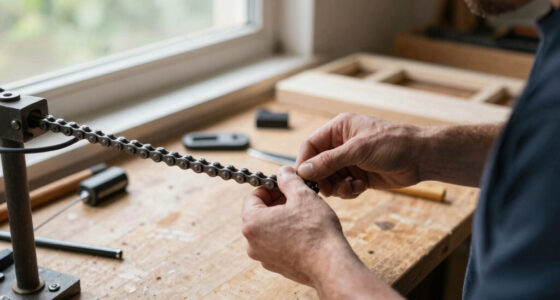
Remove the battery. Check the housing, hand guards, chain brake, trigger, trigger lock, bar, chain, and battery contacts for damage or debris. Confirm that the chain is correctly installed and tensioned according to the manual. Put on your helmet and face shield, hearing protection, eye protection, chainsaw-rated gloves, protective trousers or chaps, and sturdy boots.
Tip: Do not operate a saw with a loose, damaged, or incorrectly fitted chain, or with a brake, guard, or trigger that does not work correctly. Do not substitute ordinary trousers for chainsaw leg protection.
Check: The saw has no visible damage, its safety controls move and engage as intended, and all protective equipment is fitted securely.
Step 3: Fill the chain-oil reservoir
With the battery removed and the saw on a stable surface, locate the chain-oil reservoir. Fill it with the oil type specified in the manual, then close the cap firmly and wipe away spills. Do not put bar-and-chain oil in the battery compartment or use it as a substitute for any other specified fluid.
Tip: A cordless saw still needs chain lubrication. Running the chain dry can quickly damage the bar and chain.
Check: The reservoir contains the specified oil, the cap is secure, and no oil has reached the battery contacts.
Step 4: Secure the wood and clear your footing
Place a log on stable saw horses or another firm support so it cannot roll or slide. Keep the intended cut away from the support and leave room for the bar to pass through without striking the ground. For branches, work only when they are stable and supported without putting you beneath them. Remove loose objects, choose a clear retreat path, and keep bystanders well outside the work area.
Tip: Never hold a small piece of wood with one hand while cutting it with the other. Secure it with a suitable support instead.
Check: The piece cannot roll or shift during the cut, the cutting path is clear, and your stance and exit path are unobstructed.
Step 5: Install the battery and test the controls
Keep the chain brake engaged, then insert the charged battery as the manual directs. Hold the saw with both hands: left hand on the front handle and right hand on the rear handle, unless the manual specifies otherwise. Point the bar away from yourself and others. Release the brake only when you are in position to cut, and briefly test the trigger and chain according to the manual. Re-engage the brake if you need to reposition.
Tip: Do not carry or reposition the saw with your finger on the trigger. Engage the brake and remove the battery before moving between work areas or clearing debris.
Check: The saw starts and stops in response to its controls, the chain moves only when triggered, and the brake engages properly. If any check fails, remove the battery and stop.
Step 6: Make a controlled cut
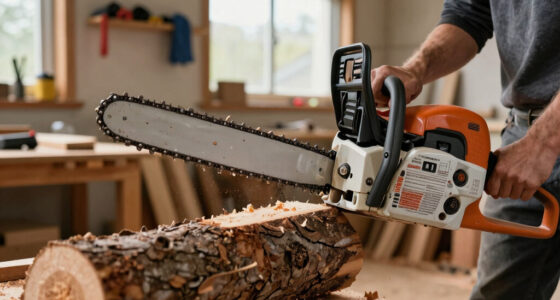
Stand with balanced footing and hold both handles firmly. Start the chain before the bar touches the wood, then guide the cutting section through the material without forcing it. Keep the bar clear of the ground and do not cut with the bar tip; tip contact can cause dangerous kickback. Maintain a stable posture, watch the cut, and release the trigger when the chain has passed through. Let the chain stop before lowering or setting down the saw.
Tip: If the chain slows, the saw binds, or the wood shifts, release the trigger and keep control of the saw. Do not twist or yank a trapped bar. Engage the brake and remove the battery before resolving a bind.
Check: The piece separates without the saw being forced, the bar remains clear of the ground, and you retain a firm two-handed grip throughout the cut.
Step 7: Stop and secure the saw between cuts
Release the trigger and wait for the chain to stop completely. Engage the chain brake. If you will move, adjust the wood, remove a jam, or leave the saw unattended, remove the battery and place the saw on a stable surface with the bar directed away from people. Do not leave a powered saw running on the ground.
Tip: The chain may coast briefly after you release the trigger. Do not touch it until it has stopped.
Check: The chain is motionless, the brake is engaged, and the battery is removed whenever you handle the wood or move the saw.
Step 8: Clean and store the saw
Remove the battery and allow the saw to cool. Brush away sawdust from the bar, chain, and housing as directed in the manual; avoid water or cleaning products unless the manufacturer permits them. Check the oil level and inspect the chain for damage or excessive looseness. Store the saw with its bar cover fitted, battery removed, and battery and charger kept dry in a safe place.
Tip: Do not store a dirty or damaged saw for the next user to discover. Arrange repair or chain replacement before the next job if inspection reveals a fault.
Check: The saw is switched off, cool, free of loose debris, protected by its bar cover, and stored separately from the battery and charger as the manual directs.
Common Mistakes to Avoid
- Adjusting, carrying, or clearing the saw while it can run. — Engage the chain brake and remove the battery before adjustment, handling debris, or moving to a new position.
Troubleshooting
Problem: The saw will not start.
Solution: Release the trigger, engage the brake, and remove the battery. Check that the battery is charged, fully seated, and compatible with the saw. Inspect contacts for debris or damage, then reinstall it as instructed. If the saw still will not start, consult the manual or an authorized service provider; do not bypass a safety control.
Problem: The chain stops or the saw cuts slowly.
Solution: Release the trigger and engage the brake. Remove the battery before checking for a jam, blunt or damaged chain, low oil, or incorrect chain tension. Clear debris only as the manual directs. Do not continue cutting with a damaged chain or force the saw through the material.
Problem: The chain appears dry or the bar becomes unusually hot.
Solution: Stop the saw, engage the brake, and remove the battery. Check the oil level and confirm that the specified oil is being used. Follow the manual’s lubrication check and refill procedure. Do not resume cutting until lubrication is working; arrange service if it is not.
Problem: The chain comes loose or moves while the saw is idle.
Solution: Stop immediately, engage the brake, and remove the battery. Do not use the saw until the chain is fitted and tensioned correctly according to the manual. If the chain repeatedly loosens, or moves with the trigger released, have the saw inspected.
What Success Looks Like
The job is complete when the intended wood is cut without the saw binding or striking the ground; the saw’s controls and chain brake worked as expected; and no one entered the cutting area. The chain should be motionless before you set the saw down. Afterward, the battery is removed, the saw is inspected and cleaned, and the tool is stored with its bar covered. Stop using the saw and arrange repair if you notice damage, unusual heat, persistent oiling problems, or a safety control that fails.
Next Steps
After each job, check the chain condition and tension before the next use, refill chain oil as needed, and charge and store the battery according to its manual. Replace or sharpen the chain only by following the manufacturer’s instructions or using a qualified service provider. Keep the manual with the saw, and replace damaged protective equipment. If your next job involves a standing tree, overhead work, a heavy or tensioned limb, or a log you cannot secure, hire a trained chainsaw operator rather than attempting it with this procedure.
Frequently Asked Questions
Can I use a cordless chainsaw in the rain?
Do not use it in rain or wet conditions unless the saw’s manual specifically permits that use. Keep the battery and charger dry, and do not handle electrical charging equipment with wet hands.
How tight should the chain be?
Use the tension procedure and measurement in your model’s manual. Chain designs differ, and incorrect tension can cause poor cutting, damage, or a chain coming off. Remove the battery before checking or adjusting tension.
How long will one battery charge last?
Runtime varies with battery capacity, chain condition, wood type, cutting load, and temperature. Bring a charged compatible spare for longer work, and stop when the battery is depleted rather than forcing the saw through cuts.
Can a cordless chainsaw cut large logs?
Only cut material within the saw’s stated capacity, with the log securely supported and a safe cutting plan. A larger saw does not make an unstable or tensioned log safe for an inexperienced user.
What should I do if the chain gets stuck?
Release the trigger, keep a firm grip, and engage the chain brake. Remove the battery before trying to free the bar, and do not pull or twist the saw. If the wood is under tension or the bar will not come free safely, leave it in place and get trained help.
Halloween Picks

Fun Costumes Creepy Twin Boys Halloween Animatronic

Spirit Halloween 4 ft 7 in Sitting Scarecrow Animatronic

JOYIN 5-Foot Halloween Animatronic Drinking Skeleton
As an affiliate, we earn on qualifying purchases.