
TL;DR

Get business pricing on tools and workshop supplies
- Business-only prices and quantity discounts
- Tax-exempt purchasing
- Multiple users, one account, clear invoices
Self-propelled battery mowers reduce physical effort on larger or hilly lawns, offering longer runtimes and better comfort. Push models are lighter and cheaper, ideal for small, flat yards. Choosing depends on your yard size, terrain, and budget.
Picking the right mower isn’t just about cutting grass. It’s about reducing fatigue, saving time, and making yard work less of a chore. With battery technology advancing fast, you now have choices—self-propelled or push—each with its own perks.
But which one truly earns its keep? If you’re battling hills, long stretches, or just want to make mowing less like a workout, understanding these differences can transform your yard routine.
For large, hilly, or uneven lawns, self-propelled battery mowers cut effort and improve comfort.
Modern batteries can mow up to ½ acre per charge, with longer runtimes for self-propelled models.
Push mowers are lighter, cheaper, and better suited for small, flat yards where effort isn’t an issue.
Advances like variable speeds and interchangeable batteries increase versatility and user control.
Proper battery maintenance extends your mower’s lifespan and keeps it running smoothly.
What’s the real difference between self-propelled and push mowers?
Self-propelled mowers incorporate an electric drive system that actively pushes the mower forward, effectively sharing the workload with the operator. This mechanism reduces the physical effort needed, especially on challenging terrains. Push models, on the other hand, require you to exert all the force yourself to move the mower across your lawn. This difference is crucial because it directly impacts how much energy, strength, and time you need to mow your yard.
Understanding this distinction helps you evaluate your yard’s needs. For instance, if you have a hilly or uneven landscape, the mechanical assistance of a self-propelled mower can prevent fatigue and make mowing faster. Conversely, for flat, small lawns, the simplicity and lighter weight of push models might make them more practical and easier to store, though they demand more physical effort.
Choosing between these options involves considering the tradeoffs: self-propelled models tend to be heavier and more expensive but significantly reduce effort, while push mowers are lighter and more affordable but require more manual work. Recognizing these implications helps you select a mower that balances convenience, cost, and your physical capacity.
As an affiliate, we earn on qualifying purchases.
When does a drive motor truly make mowing easier?
When your yard features slopes, tall grass, or a large acreage, a drive motor earns its keep because it alleviates the physical strain of moving the mower over challenging terrain. This feature reduces fatigue and allows you to maintain a consistent mowing pace without exhausting yourself, which is especially important for larger yards or those with inclines. For example, a homeowner with a ¾-acre lot and a gentle hillside will find that a self-propelled mower not only speeds up the job but also minimizes the risk of strain or injury caused by pushing through tough spots.
On the other hand, in flat, small yards—under a quarter-acre—the benefits of a drive system diminish because the effort needed is minimal. In such cases, the added weight and higher cost of a self-propelled mower might outweigh its advantages. Instead, a lightweight push model could be more efficient, easier to maneuver in tight spaces, and cheaper to maintain. Recognizing these scenarios helps you understand that the drive motor’s value is context-dependent, and its true benefit is realized when it reduces effort in demanding conditions, not just convenience in easy terrain.
Ultimately, selecting a mower with a drive motor should be based on an honest assessment of your yard’s terrain and your physical endurance. This ensures you invest in a tool that genuinely eases your workload, rather than paying for features you don’t need.
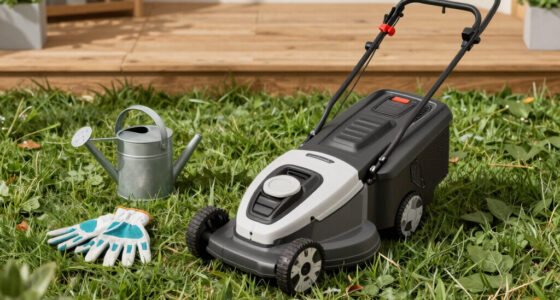
push battery lawn mower for small yard
As an affiliate, we earn on qualifying purchases.
As an affiliate, we earn on qualifying purchases.
Comparison table: Self-Propelled vs Push Mowers
| Feature | Self-Propelled | Push |
|---|---|---|
| Weight | Heavier (by 10-20 lbs) | Lightweight |
| Cost | Higher upfront | Lower upfront |
| Effort | Reduces physical effort significantly, making mowing less tiring and faster | Requires continuous effort, which can lead to fatigue on larger or uneven lawns |
| Best for | Larger, hilly, uneven yards where effort savings are most noticeable | Small, flat lawns where effort is manageable and cost savings matter |
| Runtime (per charge) | Longer, due to bigger batteries and efficient motors, suitable for bigger yards | Dependent on user effort, not a runtime limitation |
| Ease of storage | Heavier, may require more space and careful handling | More portable and easier to store in tight spaces |
As an affiliate, we earn on qualifying purchases.
What’s new with battery mowers that makes them better?
Battery technology has come a long way since the early days. Lithium-ion batteries now offer **longer runtimes**—often up to ½ acre on a single charge—and faster charging times. These improvements mean you can mow larger areas without frequent stops, saving time and reducing frustration. Additionally, many models now feature **variable speed drives**, which allow you to adjust your mowing pace according to terrain and grass density. This flexibility can help prevent uneven cuts and reduce battery drain, ultimately making your mowing session more efficient and tailored to your yard’s needs.
Lightweight materials and interchangeable batteries further enhance user experience. The ability to swap batteries between your mower, trimmer, and blower not only saves money but also reduces the weight you need to carry around, making handling easier. This modular approach also means less downtime waiting for batteries to charge, keeping your yard work flowing smoothly. These innovations collectively make battery-powered mowers more practical, versatile, and appealing for homeowners seeking a low-maintenance, eco-friendly option.
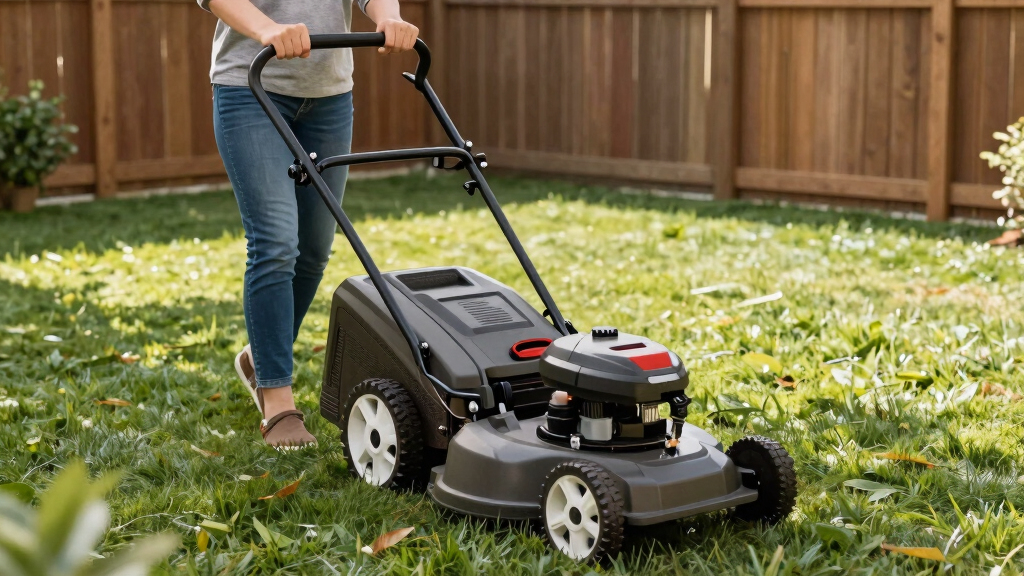
best self-propelled mower for hilly terrain
As an affiliate, we earn on qualifying purchases.
As an affiliate, we earn on qualifying purchases.
Conclusion
In the end, the choice hinges on your lawn’s size, terrain, and how much effort you want to save. A self-propelled mower can turn a dreaded chore into a breeze, especially on challenging yards. But if your lawn is small and flat, a push model might be all you need.
Remember, technology keeps pushing the boundaries—battery mowers are more capable and easier to use than ever. Invest in what fits your yard, and mowing will never feel like punishment again.
Fall yard work Picks
leaf blowers
As an affiliate, we earn on qualifying purchases.