
TL;DR

Get business pricing on tools and workshop supplies
- Business-only prices and quantity discounts
- Tax-exempt purchasing
- Multiple users, one account, clear invoices
This article explains how to build a simple, efficient ZFS-based NAS without relying on proprietary solutions like Synology, QNAP, or TrueNAS. It provides confirmed steps and highlights current uncertainties, making it valuable for DIY enthusiasts seeking control and customization.
In 2024, a comprehensive guide has been published detailing how to build a minimal ZFS NAS without using commercial solutions like Synology, QNAP, or TrueNAS. This development offers DIY enthusiasts and tech-savvy users a way to create customized, lightweight storage systems with open-source tools, emphasizing control and cost-efficiency.
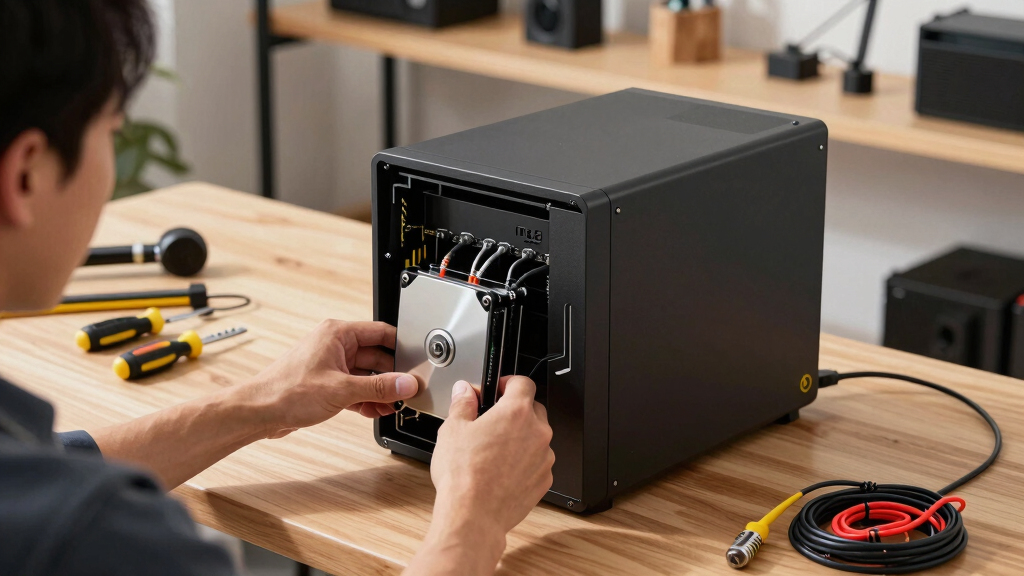
The guide recommends using a low-cost, energy-efficient hardware platform, such as a mini-ITX or small server build, paired with a Linux distribution that supports ZFS, such as Ubuntu or Debian. It emphasizes installing and configuring ZFS directly on the OS, avoiding pre-built NAS firmware. The instructions include setting up RAID-Z pools, configuring network access, and securing the system against common vulnerabilities.
According to the author, this approach offers greater flexibility and transparency than proprietary solutions, enabling users to customize features and optimize performance. The guide also discusses essential safety steps, such as disconnecting power during hardware setup and ensuring proper cooling. It is aimed at users with intermediate to advanced Linux skills.
Implications for DIY Network Storage in 2024
This development matters because it empowers users to avoid vendor lock-in and high subscription costs associated with commercial NAS solutions. It also aligns with a broader trend toward open-source, customizable storage systems, which can be tailored to specific needs. For tech enthusiasts, this approach offers deeper control over hardware and software, potentially extending the lifespan of older hardware and reducing ongoing expenses.
As an affiliate, we earn on qualifying purchases.
Rise of Open-Source NAS Alternatives in 2024
Over recent years, commercial NAS providers like Synology and QNAP have dominated the market, but they often lock users into proprietary ecosystems. TrueNAS has been a popular open-source alternative, but it still requires specific hardware and familiarity with FreeBSD-based systems. The new guide in 2024 reflects a growing interest in building minimal, custom NAS systems using Linux and ZFS, driven by the desire for more control, transparency, and cost savings.
Previous efforts focused on repurposing old hardware or using pre-configured Linux distributions. This latest approach emphasizes a clean, minimal build with direct hardware management, appealing to users who prefer DIY solutions over commercial products. It also coincides with increased community support for ZFS on Linux, making this a viable and flexible option.
“Building a minimal ZFS NAS from scratch allows for complete customization and avoids vendor restrictions, especially in 2024.”
— Tech DIY Expert
As an affiliate, we earn on qualifying purchases.
Unresolved Questions About Hardware Compatibility and Performance
It remains unclear how well this minimal ZFS NAS setup performs under heavy loads or with different hardware configurations. Compatibility issues with certain motherboards or drives may arise, and long-term stability on various hardware setups has not been fully tested. Additionally, the security implications of DIY configurations depend heavily on user implementation.
As an affiliate, we earn on qualifying purchases.
Next Steps for DIY Enthusiasts and Community Feedback
Users are encouraged to experiment with the guide and share their experiences to refine best practices. Hardware compatibility tests and performance benchmarks are expected to emerge in the coming months. Community forums and open-source repositories will likely provide updates, troubleshooting tips, and enhancements based on user feedback.
As an affiliate, we earn on qualifying purchases.
Key Questions
Is building a ZFS NAS from scratch suitable for beginners?
This approach is recommended for users with intermediate to advanced Linux skills. Beginners should seek additional tutorials or assistance before attempting this build.
What hardware is recommended for this DIY ZFS NAS?
Low-power mini-ITX boards with ECC RAM and reliable drives are preferred, but the specific hardware depends on user needs and budget. Compatibility should be verified before purchase.
How secure is a DIY ZFS NAS compared to commercial solutions?
Security depends on proper configuration. DIY setups can be secure if users follow best practices, but they lack the integrated security features of commercial products.
Can this setup support remote access and cloud integration?
Yes, with proper network configuration, users can enable remote access, VPN, and other integrations, but these require additional setup and security considerations.
Will this guide be updated for future hardware or software changes?
It is likely that community feedback will lead to updates, but users should verify compatibility with their hardware and software versions periodically.
Source: hn
Fall yard work Picks
leaf blowers
As an affiliate, we earn on qualifying purchases.