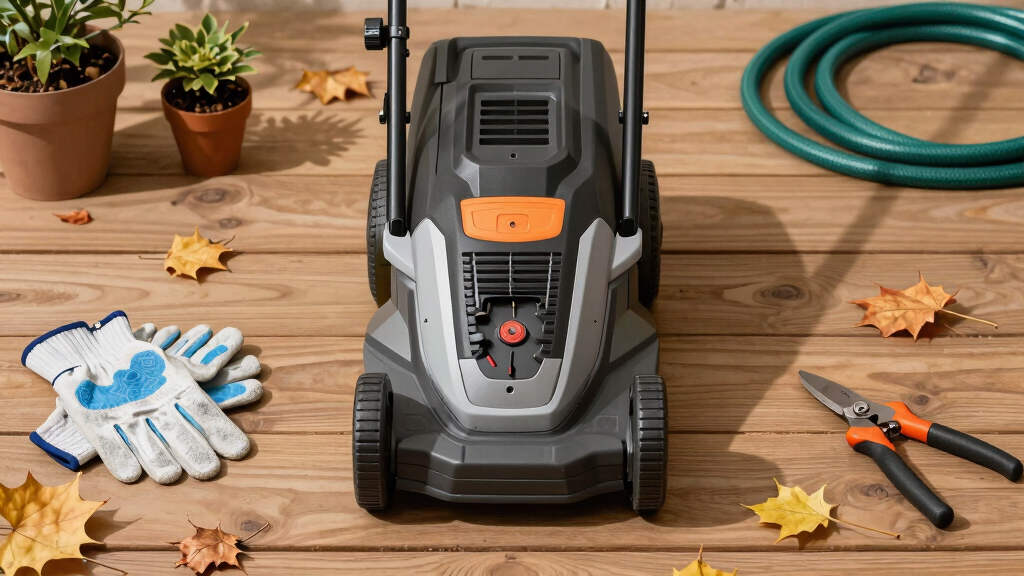

TL;DR
Get ready for Prime Big Deal Days — try Prime free
Exclusive member deals on October 6–7, plus fast free delivery. Cancel anytime.
Start your free trialAs an affiliate, we earn on qualifying purchases.
Using a battery mower for leaf mulching works best with specialized mulching blades and a strategic pass plan. Proper technique turns yard waste into lawn nourishment, saving time and effort.
Picture a crisp fall morning. Leaves swirl around, blanketing your lawn in a fiery mosaic of reds, oranges, and golds. Instead of hauling bag after bag of yard waste, you pick up your battery mower, ready to turn those leaves into natural fertilizer. But here’s the secret—your blade choice and pass strategy can make or break your effort.
If you think mulching leaves is just about cranking up the mower and going, think again. The right blades turn a messy chore into a quick, satisfying process that leaves your lawn healthier and more vibrant. In this guide, I’ll walk you through how to pick the best blades, plan your passes, and get the most out of your battery-powered mower this fall.
Use mulching blades with a curved, high-lift design for the best leaf shredding.
Plan 2-4 overlapping passes, especially with wet or thick leaves, to get fine mulch.
Dry conditions help your battery last longer and mulch more effectively.
High-capacity batteries and spare packs extend your mulching sessions without interruption.
Recent tech improvements mean modern battery mowers can handle large leaf loads better than ever—stay updated.
Fall Leaf Mulching With a Battery Mower
Blade choice and pass strategy determine whether leaves become fine lawn food or a battery-draining blanket. Pair a sharp, curved mulching blade with dry conditions and overlapping passes to turn fall cleanup into fast nutrient recycling.
Dry, moderate leaf cover often finishes in two; damp or dense cover may need four.
A curved, high-lift mulching blade recirculates leaves through the cutting zone.
Lower resistance means cleaner fragments, fewer clogs and longer useful runtime.
Fragments should settle between grass blades rather than cover the canopy.
Overlap roughly one-third of the deck width for even recutting.
Start fully charged and keep a spare pack ready for larger properties.
Fine leaf material decomposes and cycles nutrients back into the soil.
The blade controls the cut, airflow and pass count.
A compatible mulching blade is the strongest efficiency upgrade. Its curved geometry lifts and recirculates leaves, producing smaller pieces before the mower advances.
Curved mulching blade
Multiple cutting surfaces keep leaves moving beneath the deck. Best for fine fragments, nutrient return and reduced cleanup.
Standard mowing blade
Usable when leaves are sparse and crisp, but it tends to tear rather than repeatedly recut. Expect larger pieces and extra passes.
High-lift profile
Strong airflow pulls flattened leaves upright and improves deck circulation. Confirm that the design is approved for your mower.
Match the hardware to the leaves—not just the lawn.
Blade geometry matters, but compatibility comes first. Verify blade length, mounting pattern, rotation, deck clearance and manufacturer guidance before installation.
| Blade option | Leaf fineness | Likely passes | Battery impact | Best use | Tradeoff |
|---|---|---|---|---|---|
| Curved mulching | ✓ Fine | 2–3 | ✓ Efficient overall | Routine fall mulching | Higher initial cost |
| High-lift mulching | ✓ Very fine | 2–3 | ~ Higher instant load | Dense or flattened leaves | More airflow demand |
| Standard blade | ~ Medium/coarse | 3–4 | ~ More total passes | Sparse, dry leaves | Slower decomposition |
| Dull or damaged blade | ✗ Coarse and torn | 4+ | ✗ High drain | None—service first | Strain, clogs and poor cut |
Build fineness progressively.
Do not force deep leaf cover through the deck in one slow, overloaded pass. Divide the job into deliberate layers and change direction so material enters the cutting zone from a new angle.
Assess
Check moisture, depth and hidden sticks. If grass is fully buried, thin or spread the leaves first.
Open the layer
Make a first pass at a steady pace, taking a partial deck width in the heaviest zones.
Cross-cut
Turn roughly 90 degrees and overlap by one-third to catch strips and recirculate fragments.
Inspect
Stop when fragments fall between grass blades. Add a targeted pass only where clumps remain.
Relative efficiency by condition
Moisture changes the entire operating plan.
Dry leaves separate, lift and fracture cleanly. Wet leaves mat together, cling to the deck and consume more energy, so they need smaller working zones and more frequent inspection.
Dry leaf window
The preferred operating zone for clean cuts and maximum useful battery runtime.
Damp or dense layer
Work only when necessary, with shallow bites and active clog management.
How a better cut becomes a healthier lawn
The five-point mulching check
Why Your Blade Choice Matters More Than You Think
Your blade is the engine of leaf mulching. A dull or standard blade won’t shred leaves into tiny pieces; it’ll just push or tear them, making your job harder. Mulching blades have a curved, high-lift design that whips leaves into fine fragments. Think of them as the chef’s knife for your yard—sharp, precise, and designed for a specific task.
Choosing the right blade isn’t just about immediate mulching performance; it impacts the health of your lawn over time. Fine mulched leaves decompose faster, releasing nutrients back into the soil, which promotes a healthier, more resilient lawn. Conversely, using a standard blade on thick or wet leaves might require more passes, which increases battery drain and wear on the mower. The design tradeoff is clear: high-lift, specialized mulching blades optimize for efficiency but may be slightly more expensive or require more maintenance. Understanding these nuances helps you make an informed choice that balances cost, effort, and lawn health.
For example, if you have a yard with a mix of dry, fallen leaves and occasional damp patches, selecting a blade with a high-lift profile can help lift and shred leaves more effectively. This results in finer mulch with fewer passes, conserving your battery and reducing cleanup time. On the other hand, if your yard mostly has dry leaves, a standard blade might suffice but won’t produce as fine a mulch, requiring more passes and energy.
Investing in a well-designed mulching blade can dramatically reduce the number of passes needed, saving you time and battery life. Plus, finer leaf fragments are less likely to clog your mower deck or clogging mechanisms, which means less downtime and maintenance. Ultimately, the right blade ensures you’re working smarter, not harder, and that your yard gets the best possible nutrients from your mulching efforts.
battery powered lawn mower with mulching blades
As an affiliate, we earn on qualifying purchases.
As an affiliate, we earn on qualifying purchases.
How to Pick the Perfect Blade for Fall Leaves
- Identify your mower’s compatibility: Check your model’s blade mounting and size, as using incompatible blades can damage your mower or reduce performance. For example, a lawn tractor may require a specific blade length or mounting style that differs from a handheld mower.
- Choose the right blade type: Opt for a mulching blade with a curved, high-lift profile that’s designed specifically for leaf shredding. These blades create airflow that lifts leaves into the cutting zone, resulting in finer mulch. Imagine trying to chop thick, damp leaves with a flat blade—it’s like trying to cut through wet cardboard; a curved, high-lift blade acts like a fan, lifting and shredding leaves more efficiently.
- Match blade material to your needs: Steel blades are durable and hold their edge longer, but some newer composite materials resist corrosion and wear better, especially if you mow frequently or in damp conditions. For instance, if you live in a humid climate, consider blades made from corrosion-resistant composites to extend their lifespan.
- Maintain sharpness: Regularly sharpen blades to prevent dullness, which causes tearing rather than clean cuts, leading to larger leaf fragments and increased battery use. A sharp blade ensures consistent, fine mulching and reduces strain on your mower’s motor. Think of it like sharpening a kitchen knife before cooking—sharp blades make the job easier and produce better results.
high-lift mulching blades for battery mower
As an affiliate, we earn on qualifying purchases.
As an affiliate, we earn on qualifying purchases.
Frequently Asked Questions
Can I use a standard blade for mulching leaves?
It’s possible but not ideal. Standard blades tend to tear and leave larger leaf chunks, requiring more passes and draining your battery faster. For best results, invest in a mulching blade designed for shredder efficiency. The tradeoff is that standard blades may save you upfront cost but will likely increase your workload and reduce the quality of mulch, which can slow down the decomposition process and potentially harm your lawn if larger leaf pieces smother the grass or create clogs.
How many passes do I need for effective leaf mulching?
Typically, 2 to 4 passes are enough, depending on leaf volume, moisture, and mower power. Wet leaves demand more overlapping passes to break down into fine mulch. Each additional pass reduces leaf size further, which improves nutrient release and prevents clumping. For example, in a yard with damp leaves, making 3-4 passes ensures the mulch is fine enough to decompose quickly, whereas dry leaves might need only 2 passes. Balancing passes with battery capacity is key to efficiency and lawn health.
Will mulching wet leaves clog my battery mower?
Yes, wet leaves are stickier and more prone to clogging. Mulching when leaves are dry allows for cleaner cuts, finer mulch, and less strain on your mower. If you must mulch wet leaves, do so in smaller sections and clear the deck frequently to prevent buildup. For example, mulching wet leaves in a small corner of your yard, then stopping to clear debris before moving on, can prevent clogs and ensure your mower maintains optimal airflow and battery efficiency.
How can I maximize my battery’s runtime during mulching?
Use high-capacity batteries, mulch in dry weather, plan efficient passes, and consider spare batteries for large yards. For instance, having a spare pack ready allows you to swap out and continue mulching without delay, especially on larger properties. Additionally, mulching during dry conditions reduces resistance and improves mulch fineness, conserving battery power. These strategies combine to extend your mowing sessions and ensure a healthier, more consistent mulch application.
Are battery mowers strong enough for big leaf piles?
Modern high-capacity battery mowers are increasingly capable, but extremely large or wet piles can challenge smaller or lower-capacity models. For example, in a yard with a mountain of leaves after a storm, using a mower with a larger battery or multiple batteries can help maintain power and efficiency. Breaking big piles into manageable sections not only reduces the workload on your mower but also prevents overheating or draining the battery too quickly. Understanding your yard’s specific leaf volume and moisture levels helps you choose the right equipment and plan your work for maximum effectiveness.
leaf mulching blade for electric mower
As an affiliate, we earn on qualifying purchases.
As an affiliate, we earn on qualifying purchases.
Conclusion
When you pick the right blade and plan your passes thoughtfully, your battery mower becomes a powerful tool for fall cleanup. Fine leaf mulch isn’t just tidier—it feeds your lawn naturally.
Remember, a sharp blade and a strategic pass plan save time, battery, and effort. This fall, turn leaf chaos into lawn nourishment—your yard will thank you for it.
As an affiliate, we earn on qualifying purchases.
NFL season / tailgating Picks
team gear
As an affiliate, we earn on qualifying purchases.