
TL;DR
Listen free for 30 days with Audible
Thousands of audiobooks and originals — cancel anytime.
Start your free trialAs an affiliate, we earn on qualifying purchases.
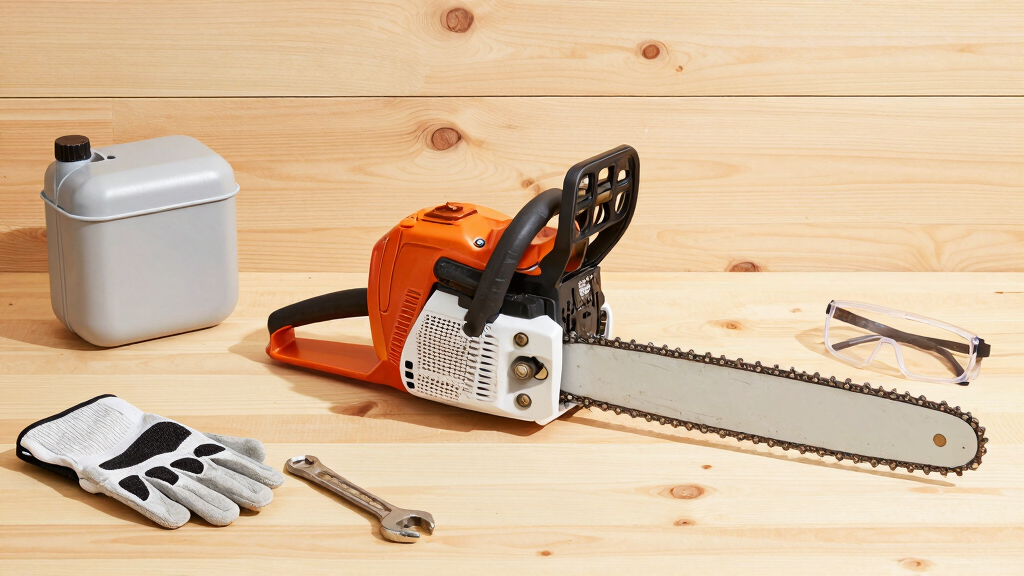
Storing a gas chainsaw for the off-season requires draining or stabilizing fuel, cleaning and lubricating parts, and protecting against rust. Using the right environment and simple steps keeps your tool in top shape for next time.
If you’ve got a gas chainsaw gathering dust for the winter, you might think it’s best to just leave it alone. But ignoring proper storage can turn your trusty tool into a rusty paperweight. A little prep now saves headaches and cash later.
In this guide, you’ll learn exactly how to manage fuel, care for the bar and chain, and store your chainsaw safely. These steps keep your equipment sharp, rust-free, and ready to roar when cutting season kicks off again.
Always stabilize or drain fuel before long-term storage to prevent varnish and carb issues.
Clean, sharpen, and lubricate your chainsaw thoroughly to avoid rust and damage.
Loosen or remove the chain, and coat it with oil for rust protection during storage.
Choose a dry, cool environment and use protective covers to prolong your chainsaw’s life.
Staying updated on new fuel stabilizers and eco-friendly options can make storage easier and safer.
How to Handle Fuel Before Storing Your Chainsaw
Fuel is the biggest culprit in chainsaw storage troubles. Gasoline can turn into varnish, gum up your carburetor, and cause starting issues. The goal: prevent this with simple steps.
1. Drain the tank. If you’re not planning to use the saw for over a month, empty the fuel tank to avoid degradation. Keep it in a labeled container for later use.
2. Add fuel stabilizer. If you want to leave some fuel in for a quick start next season, mix stabilizer according to the label—most extend shelf life from 30 days to 1-2 years. This prevents the gasoline from breaking down and forming deposits that can clog your carburetor, which is a common cause of engine failure after storage.
3. Use fresh fuel. Old, stale fuel is a surefire way to clog your carburetor and ruin the engine. Always mix up fresh fuel if you’re storing with some in the tank. The implications are straightforward: stale fuel can cause starting issues, poor engine performance, and even damage to internal engine parts, which might require costly repairs or replacements later.
As an affiliate, we earn on qualifying purchases.
Cleaning and Lubricating Your Chainsaw for Long-Term Storage
A clean chainsaw works better and lasts longer. Dirt, sawdust, and grime can hide rust and cause wear when idle for months. These contaminants can also act as abrasive particles that accelerate corrosion and mechanical wear, shortening the lifespan of critical components.
1. Remove debris from the body, bar, and chain with a stiff brush and compressed air. Pay special attention to the air filter and cooling fins. Proper cleaning ensures heat dissipation and prevents the buildup of flammable debris, reducing fire risk and mechanical failure.
2. Sharpen the chain. A dull chain not only cuts poorly but can cause dangerous kickback and put extra strain on the engine. Sharpening restores cutting efficiency, reduces strain on the motor, and minimizes safety hazards. It’s a tradeoff: sharper chains are safer and more efficient but require some skill and proper tools to do correctly.
3. Lubricate the moving parts. Coat the chain and bar with fresh bar and chain oil—this prevents rust and keeps parts moving freely during storage. Proper lubrication also forms a protective film that shields metal surfaces from moisture, significantly reducing the risk of rust forming during periods of inactivity, which can be costly to remove later.
As an affiliate, we earn on qualifying purchases.
Bar and Chain Care: Loosen, Oil, and Protect
Proper bar and chain care during storage prevents stretching, rust, and damage. Over time, tension can cause chains to stretch or deform, which affects cutting performance and safety. Rust can quickly develop if moisture is present, leading to costly repairs or replacements.
1. Loosen or remove the chain. Loosening the chain reduces tension, preventing stretching or deformation during long-term storage. Removing the chain entirely is even better, as it eliminates the risk of tension-induced damage and makes cleaning and lubrication easier.
2. Apply fresh oil. Coat the chain and bar with bar and chain oil. This creates a protective barrier against moisture and rust, which is especially important in humid environments. Proper oiling during storage ensures that metal parts don’t corrode or seize up, preserving the saw’s cutting efficiency when you next use it.
3. Store in a dry, protected spot. Keep your chainsaw in a cool, dry place, ideally in a case or cover that shields it from dust and humidity. A dry environment minimizes condensation, which is a primary factor in rust formation, and prolongs the lifespan of your equipment.
As an affiliate, we earn on qualifying purchases.
Best Storage Environment and Extra Tips for a Long Life
The environment you choose for storage makes a difference. Cold, damp sheds speed up rust and corrosion, while warm, dry spaces help preserve metal and rubber components. Exposure to fluctuating temperatures can cause condensation, which accelerates rusting and internal corrosion, especially in the engine and fuel system.
– Pick a dry, cool spot away from sunlight and moisture. Basements, garages, or sheds with ventilation work well because they help maintain a stable environment, reducing condensation and metal fatigue over time.
– Use a protective cover or case to keep dust and moisture off the saw. A simple plastic shell or a dedicated chainsaw bag acts as a barrier, preventing environmental contaminants from accelerating rust or damaging moving parts.
– For long-term storage, consider removing the spark plug and adding a few drops of oil into the cylinder. This practice creates a thin oil film inside the engine, preventing internal corrosion caused by moisture. It’s a simple step with significant benefits for engine longevity.
– Regularly check stored tools. Even in off-season, a quick inspection can reveal rust spots or mechanical issues early, allowing you to address problems before they escalate, ensuring your chainsaw remains in good condition and ready to use.
As an affiliate, we earn on qualifying purchases.
Conclusion
The secret to a dependable chainsaw when spring hits? Proper off-season care. A little effort now means fewer headaches later, and your saw will thank you with years of reliable service.
Imagine pulling your chainsaw out after months, hearing that familiar roar. That’s the reward for good storage—peace of mind and a tool ready to cut, clear, or carve at a moment’s notice. Your next big job begins with how well you treat it today.
Fall Picks
fall essentials
As an affiliate, we earn on qualifying purchases.