
TL;DR
Listen free for 30 days with Audible
Thousands of audiobooks and originals — cancel anytime.
Start your free trialAs an affiliate, we earn on qualifying purchases.
Bucking logs on uneven ground without pinching your bar demands careful log positioning, proper cutting techniques, and specialized equipment. Using wedges, stabilizing logs, and choosing the right saw setup helps prevent damage and boosts safety.
Nothing ruins a day of firewood gathering faster than a pinched chainsaw bar. When the ground slopes or the logs shift unexpectedly, it’s tempting to force the cut, but that often leads to damage—and dangerous kickback.
If you work on uneven terrain, knowing how to keep your saw safe while cutting efficiently makes all the difference. This guide cuts through the clutter to give you real-world tips and fresh innovations to handle logs without pinching your bar.
Always notch from the underside before making your back cut to control log movement.
Use wedges aggressively—don’t try to force cuts without stabilizing the log first.
Choose bars with reinforced tips and anti-kickback features for uneven ground work.
Regularly inspect and maintain your chainsaw to reduce resistance and pinching risk.
Wear full safety gear and adopt a steady, controlled cutting technique.
Why Pinching Your Bar Is a Big Deal—and How to Spot It
Pinching happens when the chainsaw’s bar gets squeezed by the wood, usually because of poor positioning or cutting technique. On uneven ground, logs can shift or close in unexpectedly, making pinching more common.
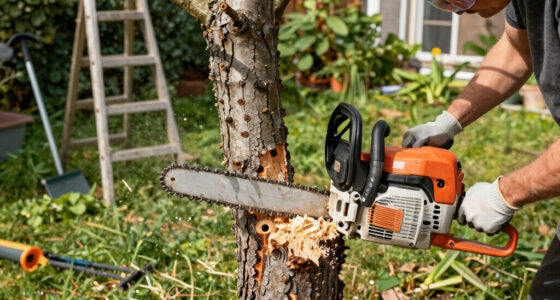
Imagine a log resting on a slope—if you cut too deeply or from the wrong angle, the wood can pinch the chain as it closes in. You’ll hear a loud squeal, and if you ignore it, you risk damaging your bar or causing kickback.
Recognizing the signs early is crucial because once the bar is pinched, the saw can stall, become difficult to maneuver, or even kick back violently. Properly identifying these signs—such as increased resistance, unusual noises, or the saw pulling to one side—allows you to stop and adjust your approach before damage occurs. Understanding the mechanics of pinching helps you develop better cutting habits, reducing the likelihood of costly repairs and safety hazards.
As an affiliate, we earn on qualifying purchases.
Top 3 Tricks to Keep Your Chain Moving on uneven ground
- Make a Proper Notch: Cutting a small, controlled wedge on the underside of the log creates a predetermined opening that guides your cut and prevents the wood from closing in. This not only helps maintain a clear path for the chain but also reduces the likelihood of sudden pinching, which can cause kickback or damage the saw. Proper notching is especially important on uneven terrain where logs are more prone to shifting unexpectedly.
- Use Wedges Like a Pro: Inserting plastic or aluminum wedges into your notch acts as a physical barrier, keeping the cut open and preventing the wood from closing in on the chain. This technique distributes the force more evenly, reducing stress on the bar and chain. Wedges are particularly valuable on irregularly shaped or unstable logs, where the risk of pinching is higher. Proper placement and selection of wedges are critical—using the right size and material ensures they resist the pressure without breaking or deforming, maintaining a safe cutting environment.
- Cut from the Correct Side: Always approach your cut from the uphill or most stable side of the log. This positioning leverages gravity and stability to minimize shifting during cutting. Cutting from the unstable or downhill side can cause logs to roll or shift unexpectedly, increasing the risk of pinching and accidents. By choosing the most secure position, you maintain better control, reduce resistance, and protect your equipment from damage. This approach is essential when working on uneven terrain where logs are often unsteady and unpredictable.
Picture a timber cutter on a sloped hillside. By notching from the uphill side and inserting wedges, he controls the log’s movement and keeps his saw free of pinches—making the job safer and faster.
As an affiliate, we earn on qualifying purchases.
Compare Chainsaw Bars for Uneven Terrain: What Works Best?
| Feature | Standard Bars | Reinforced/Anti-Pinch Bars |
|---|---|---|
| Tip Reinforcement | Basic steel tip, prone to damage on uneven ground | Extra reinforcement reduces breakage and pinching, especially when logs shift unexpectedly |
| Flexibility | Rigid, can cause pinching if logs shift or settle during cutting | Flexible mounts help adapt to uneven surfaces, maintaining consistent contact and reducing pinching risk |
| Anti-Kickback Design | Limited or none | Enhanced safety features to prevent sudden bar pinching and kickback, improving control on tricky terrain |
Bars with reinforced tips and anti-kickback features are designed to handle the stresses of uneven terrain. They help prevent damage caused by shifting logs and uneven surfaces, which can otherwise lead to dangerous pinching and kickback. Investing in these specialized bars means longer tool lifespan and safer operation when working on slopes or rocky ground where stability is compromised.
chainsaw safety gear for uneven terrain
As an affiliate, we earn on qualifying purchases.
As an affiliate, we earn on qualifying purchases.
How to Pick the Right Chainsaw and Setup for Rough Terrain
Choosing the right saw isn’t just about power. It’s about weight, balance, and blade design. A lightweight, high-torque saw lets you maneuver better on slopes and uneven ground, reducing fatigue and improving control.
Ensure your chainsaw has a bar length suited for the logs—usually 16–20 inches for most firewood tasks. Equip it with a bar designed for durability and flexibility, especially if you work on tricky terrain. A well-balanced setup minimizes vibrations and allows for precise cuts, which are essential when logs are unstable or shifting.
Adjust the chain tension properly—too tight and it can cause pinching; too loose, and it risks derailment. Regular maintenance keeps cutting smooth, reduces resistance, and prevents the chain from binding or catching, which are common causes of pinching on uneven ground.
log stabilizer wedges for chainsaw cutting
As an affiliate, we earn on qualifying purchases.
As an affiliate, we earn on qualifying purchases.
Safety First: Gear and Habits to Keep You Safe on Uneven Ground
Safety gear is your best friend when bucking logs on uneven ground. Wear sturdy chainsaw chaps, eye protection, gloves, and steel-toed boots. A helmet with a face shield isn’t optional; it’s essential for protecting against flying debris and accidental contact.
Develop habits like standing with your feet shoulder-width apart, keeping your hands away from the chain, and cutting in a controlled, steady manner. Never force the saw—let the tool do the work. Controlled, deliberate cuts reduce the chance of sudden movements that could cause the saw to bind or kick back.
Always plan your cuts, especially on unstable ground. If a log begins to shift or roll, stop and stabilize it with wedges or leverage tools before proceeding. This proactive approach minimizes surprises and keeps you safe from unexpected shifts or accidents.
Recent Tech That Makes Bucking Safer and Easier
Newer chainsaws feature lightweight frames with high torque, perfect for uneven terrain where control matters. Some models come with adjustable anti-kickback bars and vibration-reducing handles, which help diminish fatigue and improve safety during prolonged work.
Advanced wedges and levering tools help stabilize logs more reliably, reducing the risk of sudden shifts that can cause pinching or dangerous kickbacks. Manufacturers now produce bars with flexible tips that conform better to uneven surfaces, preventing the chain from binding or pinching unexpectedly. These innovations not only extend the lifespan of your equipment but also significantly enhance safety, especially when working on slopes or rocky ground where stability is compromised.
Frequently Asked Questions
How can I prevent my chainsaw bar from pinching when cutting on uneven ground?
Use wedges to keep the cut open, notch from the underside, and cut from the most stable side of the log. Always stabilize logs before cutting to minimize movement and pinching.What are the best chainsaw bars for uneven terrain?
Bars with reinforced tips, flexible mounts, and anti-kickback features work best. They resist damage and adapt better to shifting logs, reducing pinching risks.How do I safely cut logs that are unstable or rolling?
Stabilize logs with wedges, plan your cut direction carefully, and work from the stable side. Always assess the terrain first and proceed with controlled, deliberate cuts.What safety gear should I wear when bucking on uneven ground?
Wear chainsaw chaps, eye and ear protection, gloves, and steel-toed boots. Consider a helmet with a face shield for maximum safety.Are there specific chainsaw models suited for difficult terrain?
Lightweight, high-torque models with ergonomic designs are ideal. They’re easier to control on slopes and rocky ground, reducing fatigue and accidents.Conclusion
Mastering bucking on uneven ground demands more than just a sharp chain. It’s about smart techniques, proper equipment, and a safety mindset. When you combine these, you work faster, safer, and with less risk of damaging your saw.
Next time you face a tricky slope or unstable log, remember: stabilization is your best tool. Keep your gear ready, your technique sharp, and your focus steady—your saw and your safety depend on it.
Fall Picks
fall essentials
As an affiliate, we earn on qualifying purchases.