
TL;DR
Garden experts recommend pruning six specific plants in September to maintain a tidy fall landscape. Proper pruning now can promote healthy growth and curb winter damage. Uncertainty remains about the best timing for some species.
Garden experts advise pruning six specific plants in September to prepare for a tidy, healthy fall garden. This seasonal maintenance helps promote vigorous growth, prevent disease, and improve overall landscape appearance, making it a key task for gardeners aiming for a vibrant spring display.
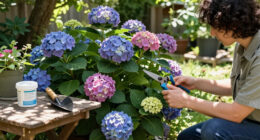
According to horticultural sources, six plants—roses, hydrangeas, viburnum, spirea, lilacs, and ornamental grasses—should be pruned in September. Proper pruning involves removing dead or diseased branches, shaping plants, and thinning out overgrown areas. These actions can reduce winter damage and encourage robust growth in the following season.
Experts emphasize that timing is crucial; pruning too early or too late can have adverse effects. For example, late pruning of hydrangeas may diminish next year’s blooms, while early pruning of roses could expose them to cold damage. Gardeners are advised to follow specific guidelines for each species, considering local climate conditions.
Why September Pruning Is Important for Garden Health
Pruning in September ensures that plants are prepared for winter, reducing the risk of disease and pest infestation. It also encourages healthy new growth, which can lead to a more attractive garden in spring. Proper maintenance now can save time and effort later, and improve the overall appearance of the landscape, making it more enjoyable and sustainable.pruning shears for roses and hydrangeas
As an affiliate, we earn on qualifying purchases.
As an affiliate, we earn on qualifying purchases.
Seasonal Gardening Trends and Pruning Practices
Interest in fall gardening maintenance is rising as gardeners seek to optimize their landscapes for winter and spring. Historically, September has been seen as an ideal month for pruning many deciduous and flowering plants, but recent coverage indicates a spike in searches and articles emphasizing this practice. The trend may be driven by increased awareness of sustainable gardening and the desire for low-maintenance landscapes. However, specific pruning timings and techniques can vary based on plant species and regional climate, and some experts caution that timing remains a subject of ongoing discussion among horticulturists.As an affiliate, we earn on qualifying purchases.
Uncertainties About Optimal Pruning Timing for Some Plants
It is not yet clear whether all experts agree on the best timing for pruning certain species, such as hydrangeas or ornamental grasses. Some regional variations and climate factors may influence the ideal window, and ongoing research may refine these recommendations. Additionally, the impact of pruning on flowering and winter hardiness remains a topic of debate among horticulturists.ornamental grass trimming scissors
As an affiliate, we earn on qualifying purchases.
As an affiliate, we earn on qualifying purchases.
Next Steps for Gardeners and Seasonal Pruning Advice
Gardeners are encouraged to follow local horticultural guidelines and monitor weather conditions to time pruning effectively. As the season progresses, more detailed, species-specific advice is expected to emerge from gardening organizations and local extension services. Additionally, gardeners should observe their plants for signs of overgrowth or disease and prune accordingly, adjusting practices based on weather forecasts and plant responses.As an affiliate, we earn on qualifying purchases.
Key Questions
Which six plants should I prune in September?
The six plants recommended for pruning in September are roses, hydrangeas, viburnum, spirea, lilacs, and ornamental grasses. Each requires specific techniques and timing to optimize health and appearance.
Can I prune all plants in my garden now?
No, not all plants should be pruned in September. Some, like spring-flowering shrubs, should be pruned after they bloom, while others may be damaged by early or late pruning. Always check species-specific guidelines.
Why is fall pruning beneficial for my garden?
Fall pruning helps remove dead or diseased wood, reduces pest habitats, and prepares plants for winter. It also encourages healthy growth in spring, leading to a more attractive and resilient garden.
Is there a risk of damaging my plants if I prune at the wrong time?
Yes, improper timing can reduce flowering, increase susceptibility to cold damage, or promote disease. It is important to follow species-specific advice and local climate considerations.
What tools should I use for pruning in September?
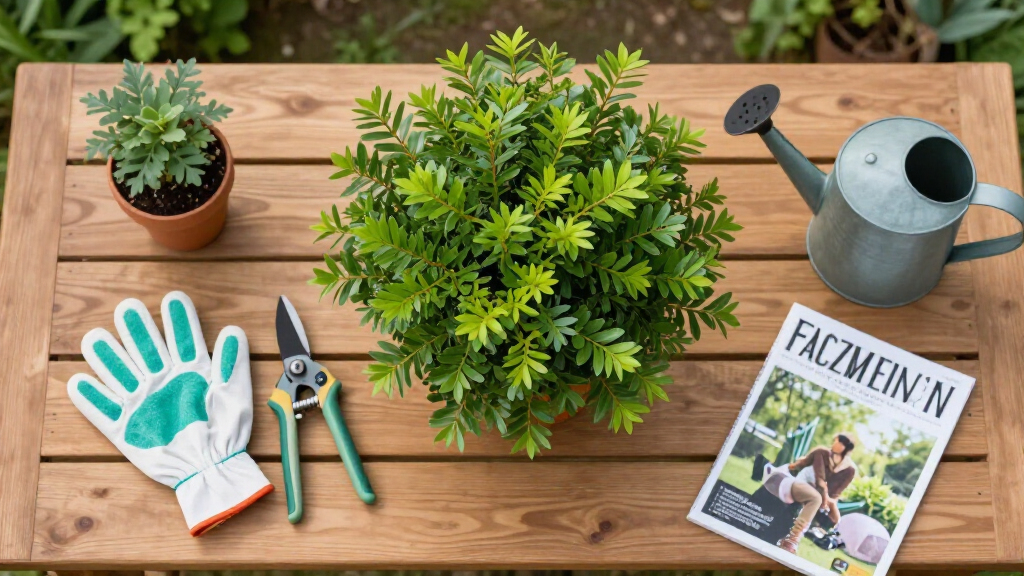
Use clean, sharp pruning shears or loppers to make precise cuts. Disinfect tools before use to prevent disease spread, and wear gloves to protect against thorns or irritants.
Source: rss