
Finding the best prairie native plant seeds involves balancing factors like drought tolerance, pollinator support, and ease of growth. The CarpetC Prairie Smoke Seeds stand out for their vibrant pink plumes, making them a top choice for aesthetic appeal. For a versatile, large-scale option, the Midwestern Wildflower Seed Mix offers extensive coverage and variety. However, tradeoffs include varying germination rates and maintenance needs. Continue reading for a detailed breakdown of the best options to suit different garden goals and budgets.

Get business pricing on tools and workshop supplies
- Business-only prices and quantity discounts
- Tax-exempt purchasing
- Multiple users, one account, clear invoices
Complete the kit


Key Takeaways
- The top-ranked seeds balance drought tolerance with native adaptability, reducing watering needs.
- Mixes and heirloom seeds offer broader biodiversity but may have more variable germination success.
- Standalone species like purple coneflower provide specific visual or ecological benefits, suited for targeted planting.
- Native grasses like Little Bluestem and Indiangrass excel in erosion control and ornamental appeal.
- Seed quantity and packaging influence overall value, especially for large projects or naturalized landscapes.
| CarpetC Prairie Smoke Seeds for Planting, Geum triflorum Native Perennial with Pink Plumes | 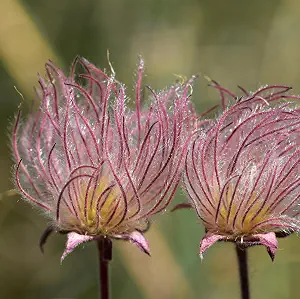 | Best Overall for Native Prairie Accents | Plant Type: Native Perennial | Height: 12-18 inches | Foliage Height: 6 inches | VIEW LATEST PRICE | See Our Full Breakdown |
| Outsidepride Indian Native Grass Seed – 1 lb, Perennial, Drought-Tolerant Prairie Grass for Landscaping & Erosion Control |  | Best Value for Tall, Colorful Prairie Grasses | Weight: 1 lb | Growth Height: 3-7 feet | Zones: 3-9 | VIEW LATEST PRICE | See Our Full Breakdown |
| Dense Blazing Star Seeds for Planting – Gayfeather Wildflower (1 Pack) |  | Best for Pollinator Gardens and Summer Blooms | Seed Type: Heirloom, non-GMO | Plant: Liatris spicata (Gayfeather) | Zones: 3-9 | VIEW LATEST PRICE | See Our Full Breakdown |
| Midwestern Wildflower Seed Mix – 5 Lb, 3 Million Seeds |  | Best for Diverse, Vibrant Prairie Gardens | Weight: 5 lbs | Seeds Included: Multiple native flowers | Coverage: ~125 sq ft per ounce | VIEW LATEST PRICE | See Our Full Breakdown |
| Mix Prairie Smoke Seeds for Planting – 100+ Geum Triflorum Seeds, Rare Native Perennial Wildflower, Drought Tolerant, Non-GMO Heirloom for Rock Garden & Naturalized Landscape |  | Best for Rare Native Landscape & Drought Resilience | Type: Wildflower Seeds | Quantity: 100+ seeds | Planting Zone: USDA zones 3-8 | VIEW LATEST PRICE | See Our Full Breakdown |
| American Wildflower Seeds for Planting – 24 Variety Native Plants Pack |  | Best for Biodiversity and Ecological Support | Number of Varieties: 24 | Type: Native wildflower and grass seeds | Includes: Multiple species of asters, coneflowers, milkweed, sunflowers, grasses, and more | VIEW LATEST PRICE | See Our Full Breakdown |
| Purple Prairie Clover Seeds for Planting – 1 Pack |  | Best for Summer Blooms and Xeriscaping | Type: Native North American prairie wildflower seeds | Quantity: 1 pack | Germination Rate: High | VIEW LATEST PRICE | See Our Full Breakdown |
| Indiangrass Seeds for Planting, Sorghastrum nutans – 1 Pack |  | Best for Tall Grasses and Prairie Restoration | Type: Native prairie grass seeds | Germination Rate: High | USDA Zones: 4-9 | VIEW LATEST PRICE | See Our Full Breakdown |
| Narrow-Leaved Coneflower Seeds – Echinacea angustifolia (1 Pack) |  | Best for Medicinal Gardens and Prairie Restoration | Type: Wildflower seeds | Plant: Echinacea angustifolia | Germination Rate: High | VIEW LATEST PRICE | See Our Full Breakdown |
| Little Bluestem Grass Seeds (1 Pack) – Native Prairie Ornamental Grass |  | Best for Fall Foliage and Small-Scale Landscaping | Type: Grass Seeds | Quantity: 1 Pack | Plant Type: Perennial | VIEW LATEST PRICE | See Our Full Breakdown |
| Native Prairie Mix (2oz) Wildflower Seeds – Low-Maintenance, Pollinator-Friendly, Year-Round Blooms |  | Best Overall for Diversity and Ease | Package Size: 2oz | Plant Type: Annual & Perennial | Sunlight: Full sun to partial shade | VIEW LATEST PRICE | See Our Full Breakdown |
| 100+ Prairie Smoke Seeds for Planting – Non-GMO Heirloom Native Wildflower |  | Best for Native Plant Purists and Specialty Gardens | Quantity: 100+ seeds | Type: Native wildflower | GMO: Non-GMO | VIEW LATEST PRICE | See Our Full Breakdown |
| prairie native plant seed | Type |
|---|---|
| CarpetC Prairie Smoke Seeds fo | — |
| Outsidepride Indian Native Gra | — |
| Dense Blazing Star Seeds for P | — |
| Midwestern Wildflower Seed Mix | — |
| Mix Prairie Smoke Seeds for Pl | Wildflower Seeds |
| American Wildflower Seeds for | Native wildflower and grass seeds |
| Purple Prairie Clover Seeds fo | Native North American prairie wildflower seeds |
| Indiangrass Seeds for Planting | Native prairie grass seeds |
| Narrow-Leaved Coneflower Seeds | Wildflower seeds |
| Little Bluestem Grass Seeds | Grass Seeds |
| Native Prairie Mix | — |
| 100+ Prairie Smoke Seeds for P | Native wildflower |
More Details on Our Top Picks
CarpetC Prairie Smoke Seeds for Planting, Geum triflorum Native Perennial with Pink Plumes
This prairie smoke seed offers a distinctive visual with its feathery pink seed heads that resemble drifting smoke, making it a standout choice for native gardens. Compared with the Mix Prairie Smoke Seeds, it provides a more manageable quantity for small projects, though it spreads slowly and takes 3-6 weeks to germinate. Its drought tolerance and low-maintenance nature make it ideal for xeriscaping and rock gardens, and the seeds can be harvested for dried arrangements. While it requires cold stratification, its resilience and year-round appeal justify the initial effort.
Pros:- Unique feathery pink seed heads resembling drifting smoke
- Drought-tolerant and low-maintenance once established
- Returns year after year, suitable for native gardens and xeriscaping
- Seeds can be harvested for dried arrangements
Cons:- Requires cold stratification before sowing
- Germination takes 3-6 weeks at 65-70°F
- Spreads slowly, not suitable for quick coverage
Best for: Gardeners seeking a native perennial accent plant for rock gardens or xeriscaping who value unique, ornamental seed heads.
Not ideal for: Those wanting quick coverage or a fast-spreading groundcover for large areas, as this spreads slowly and needs patience.
- Plant Type:Native Perennial
- Height:12-18 inches
- Foliage Height:6 inches
- Sunlight:Full sun to partial shade
- Soil:Well-drained, sandy or loamy
- Zones:4-9
- Growth Habit:Low-growing, spreads slowly from rhizomes
- Seed Needs:Cold stratification (4-6 weeks)
Our verdict“This pick is perfect for gardeners wanting a distinctive, low-maintenance prairie perennial with ornamental seed heads, willing to wait for slow establishment.”
Outsidepride Indian Native Grass Seed – 1 lb, Perennial, Drought-Tolerant Prairie Grass for Landscaping & Erosion Control
This Indian Grass seed delivers impressive height and seasonal color, reaching 3 to 7 feet, making it ideal for large-scale landscape features and erosion control. Unlike the Mix Prairie Smoke Seeds, which prioritize low-growing ornamental appeal, this grass excels in providing vertical structure and habitat for wildlife, supporting biodiversity and attracting pollinators. Its adaptability across a range of soil and light conditions makes it versatile, though its tall growth requires careful space management and seeding at a higher rate for smaller projects. It’s a practical, cost-effective choice for naturalized landscapes and erosion-prone areas.
Pros:- Adds seasonal color and visual interest year-round
- Highly adaptable to diverse soil and light conditions
- Effective for erosion control and wildlife habitat
- Cost-effective at 1 lb for large areas
Cons:- Tall growth may require space management
- Seeding rate may be challenging for small projects
- Requires specific seeding techniques for best results
Best for: Landscape professionals and homeowners wanting tall, adaptable prairie grasses for erosion control or wildlife-friendly borders.
Not ideal for: Small gardens or flower beds where space is limited, due to its height and aggressive growth habit.
- Weight:1 lb
- Growth Height:3-7 feet
- Zones:3-9
- Seeding Rate:8-12 PLS lbs per acre
Our verdict“This grass suits those seeking tall, resilient prairie plants that support erosion control and wildlife, with an eye on managing its height and seeding rate.”
Dense Blazing Star Seeds for Planting – Gayfeather Wildflower (1 Pack)
This heirloom Liatris spicata seed produces tall, stunning purple flowers from July to September, supporting many pollinators including bees and hummingbirds. Compared with the Mix Prairie Smoke Seeds, which focus on ground-level interest, this pick offers vertical height and vibrant summer blooms, making it ideal for pollinator gardens or prairie restorations. It thrives in full sun and well-drained soils, but may self-seed and spread in suitable conditions, which can be a concern if you prefer controlled planting. Its drought tolerance and low maintenance make it a dependable choice for summer color and wildlife support.
Pros:- Supports native pollinators like bees and hummingbirds
- Drought-tolerant and low maintenance
- Produces vibrant purple flowers from summer to fall
- Suitable for prairie and rain gardens
Cons:- Requires full sun for optimal growth
- May self-seed and spread in favorable conditions
Best for: Gardeners wanting striking summer blooms that attract pollinators in prairie or rain garden settings.
Not ideal for: Gardens with limited sun exposure or those seeking low-spreading ground covers, as it prefers full sun and can self-seed.
- Seed Type:Heirloom, non-GMO
- Plant:Liatris spicata (Gayfeather)
- Zones:3-9
- Height:3-4 feet
- Bloom Time:July to September
- Water Needs:Drought-tolerant
Our verdict“Ideal for those looking to add tall, pollinator-friendly summer blooms with minimal fuss and good drought tolerance.”
Midwestern Wildflower Seed Mix – 5 Lb, 3 Million Seeds
This seed mix offers a rich variety of 8 native flowers, perfect for creating a colorful, pollinator-friendly prairie garden. Unlike the more specialized Prairie Smoke or Gayfeather, it provides a broad spectrum of species suited for Midwestern landscapes, covering about 125 sq ft per ounce. While this diversity promotes resilience and attracts a wide range of pollinators, the mix requires spring planting after frost and has a germination window of 10-30 days, which may test gardeners seeking quick results. Its broad appeal makes it a flexible choice for community projects and large beds.
Pros:- Contains a diverse mix of 8 native flower varieties
- Suitable for gardens, farms, and restoration projects
- Non-GMO and guaranteed to grow
- Provides a broad pollinator appeal
Cons:- Requires spring planting after frost
- Germination takes 10-30 days, which may be slow
Best for: Community planners and gardeners desiring a vibrant, multi-species prairie or pollinator garden with a large seed quantity.
Not ideal for: Small-scale gardeners or those wanting instant bloom, as germination can be slow and it needs proper spring timing.
- Weight:5 lbs
- Seeds Included:Multiple native flowers
- Coverage:~125 sq ft per ounce
- Region:Midwestern USA
Our verdict“This mix is best for large, diverse prairie plantings or pollinator gardens where variety and resilience are priorities over quick blooms.”
Mix Prairie Smoke Seeds for Planting – 100+ Geum Triflorum Seeds, Rare Native Perennial Wildflower, Drought Tolerant, Non-GMO Heirloom for Rock Garden & Naturalized Landscape
This packet of over 100 Geum triflorum seeds offers a rare native perennial with distinctive pink bell-shaped flowers and feathery seed plumes, perfect for dry, rocky terrains. Compared with the CarpetC Prairie Smoke Seeds, which emphasize a more ornamental, low-growing form, this version provides a larger quantity and a resilient, drought-tolerant plant suited for naturalized landscapes. Its slow spread and preference for well-drained soils mean it requires patience to establish, but it rewards with a resilient, deer-resistant presence that enhances rock gardens and slopes. Its non-GMO, heirloom status appeals to purists seeking native species.
Pros:- Drought tolerant and low-maintenance
- Unique two-season display with flowers and seed plumes
- Resilient in poor soils and natural landscapes
- Deer and rabbit resistant
Cons:- Plants spread slowly, requiring patience
- Limited to USDA zones 3-8
- Requires well-drained soil for best growth
Best for: Native plant enthusiasts and landscapers designing drought-tolerant, low-maintenance rock gardens or naturalized areas with native species.
Not ideal for: Gardening beginners or those seeking fast coverage in shaded or poorly drained soils, as it spreads slowly and prefers specific conditions.
- Type:Wildflower Seeds
- Quantity:100+ seeds
- Planting Zone:USDA zones 3-8
- Features:Drought tolerant, Non-GMO, Heirloom
- Soil Preference:Well-drained, sandy, gravelly, rocky
- Growth Habit:Low-growing, spreading by rhizomes
Our verdict“This seed is ideal for native plant lovers seeking a resilient, drought-tolerant wildflower that adds seasonal interest to rocky or poor soils, with patience for slow establishment.”
American Wildflower Seeds for Planting – 24 Variety Native Plants Pack
This diverse seed pack offers 24 native wildflower and grass varieties, making it ideal for gardeners aiming to enhance local ecosystems. Unlike single-species options like Purple Prairie Clover Seeds, this mix provides a broad array of species that support pollinators, birds, and beneficial insects, promoting a resilient garden environment. The inclusion of drought-tolerant and pest-resistant seeds simplifies maintenance but requires specific soil conditions and full sun for best results. It’s perfect for those committed to creating a natural prairie feel, but less suited for gardeners with shaded or poor-drained soils.
Pros:- Supports a wide range of pollinators, birds, and beneficial insects
- Includes a diverse selection of native species for ecological resilience
- Drought-tolerant and pest-resistant for easier care
Cons:- Requires planting in full sun to light shade for optimal growth
- May need specific soil conditions, limiting versatility in some gardens
Best for: Ecological gardeners seeking a high-diversity, pollinator-friendly planting that supports local wildlife
Not ideal for: Homeowners with shaded gardens or soil that is not well-draining, due to sun and soil preferences
- Number of Varieties:24
- Type:Native wildflower and grass seeds
- Includes:Multiple species of asters, coneflowers, milkweed, sunflowers, grasses, and more
- GMO Status:Non-GMO
- Brand:Survival Garden Seeds
- Origin:USA
Our verdict“This seed pack is best for eco-conscious gardeners aiming to establish a vibrant, pollinator-friendly prairie ecosystem.”
Purple Prairie Clover Seeds for Planting – 1 Pack
This heirloom, non-GMO purple prairie clover delivers striking deep purple flowers from June to August, making it a standout for summer color in prairie restorations and xeriscape gardens. Compared to the more diverse American Wildflower Seeds, it offers a focused, reliable bloom period with high germination rates and self-seeding tendencies that can help expand wildflower displays over time. However, it thrives best in full sun and USDA zones 3-8, limiting its use in shaded or warmer climates. If you want a show-stopping, drought-tolerant perennial for summer, this seed is a prime choice.
Pros:- Supports native pollinators like bees and butterflies
- Drought-tolerant and well-suited for xeriscaping
- Self-seeds to naturally expand wildflower patches
- High germination rate with included planting instructions
Cons:- Requires full sun for best growth
- Limited bloom period to June-August
- May not thrive outside USDA zones 3-8
Best for: Gardeners seeking a bold, low-maintenance native flower for xeriscapes and prairie restoration in suitable zones
Not ideal for: Gardeners outside USDA zones 3-8 or those wanting blooms outside summer months
- Type:Native North American prairie wildflower seeds
- Quantity:1 pack
- Germination Rate:High
- USDA Zones:3-8
- Bloom Period:June to August
- Height:1-3 feet
Our verdict“Ideal for gardeners in suitable zones looking for a vibrant summer-native flower that supports pollinators and conserves water.”
Indiangrass Seeds for Planting, Sorghastrum nutans – 1 Pack
These heirloom, non-GMO Indiangrass seeds produce tall, striking grasses that reach up to 6 feet, creating a majestic prairie look. Compared with the shorter Narrow-Leaved Coneflower Seeds, Indiangrass offers a dramatic vertical element and excellent erosion control, making it suitable for larger landscapes or restoration projects. It thrives in full sun, with low water needs, but its height makes it less suitable for small gardens or confined spaces. Its seed spread via self-seeding can be a benefit or a drawback, depending on how much expansion you want.
Pros:- Supports native pollinators and wildlife
- Drought-tolerant with low water needs
- Provides dramatic vertical interest and erosion control
- Includes detailed planting instructions
Cons:- Requires full sun for optimal growth
- Tall growth may be unsuitable for small or enclosed gardens
- Self-seeding can lead to spreading in some areas
Best for: Landscapers and prairie restoration enthusiasts seeking tall, golden grasses that support pollinators and prevent erosion
Not ideal for: Small garden spaces or gardeners preferring shorter, more contained plants
- Type:Native prairie grass seeds
- Germination Rate:High
- USDA Zones:4-9
- Plant Height:Up to 6 feet
- Color:Golden bronze plumes, blue-green foliage, orange to purple fall color
- Water Needs:Low
Our verdict“This grass is best for large-scale prairie projects or landscapes needing tall, drought-resistant grasses with ecological value.”
Narrow-Leaved Coneflower Seeds – Echinacea angustifolia (1 Pack)
This heirloom, non-GMO wildflower produces the classic purple coneflower, supporting bees, butterflies, and goldfinches from June to August. Compared to Purple Prairie Clover Seeds, it offers a more compact, mid-height form (up to 2 feet) with a focus on medicinal and ornamental uses. It thrives in full sun and low-water conditions, but its self-seeding nature requires management if you want to prevent spreading. It’s ideal for gardeners interested in native pollinators or herbal gardens, though its bloom period is limited to summer.
Pros:- Supports native pollinators like bees and butterflies
- Low water needs once established
- Produces attractive purple blooms June-August
- Includes detailed planting instructions
Cons:- Requires full sun for best results
- May self-seed and spread in suitable environments
- Bloom period limited to summer
Best for: Herbalists, prairie restorers, and pollinator gardeners wanting a compact, native purple flower with medicinal qualities
Not ideal for: Gardeners seeking extended or fall blooms or those with shaded areas
- Type:Wildflower seeds
- Plant:Echinacea angustifolia
- Germination Rate:High
- Zones:3-8
- Height:Up to 2 feet
- Bloom Time:June to August
Our verdict“This coneflower is perfect for those wanting a native, low-maintenance, pollinator-friendly plant with herbal and ornamental value.”
Little Bluestem Grass Seeds (1 Pack) – Native Prairie Ornamental Grass
Little Bluestem provides a stunning combination of blue-green summer foliage with vibrant copper fall color, making it a versatile and ornamental native grass. Compared to the much taller Indiangrass, it remains manageable even in smaller beds or urban gardens, offering drought tolerance and support for pollinators. Its high germination rate and adaptability to poor soils make it a reliable choice for prairie restoration or xeriscaping. However, it still needs full sun and can self-seed, which might lead to spreading if not managed carefully.
Pros:- Native North American prairie plant supporting pollinators
- Drought-tolerant and adaptable to poor soils
- Beautiful copper fall color and blue-green summer foliage
- Suitable for prairie restoration and xeriscaping
Cons:- Requires full sun for optimal growth
- Self-seeding may lead to spreading in some areas
Best for: Small-scale landscapers and homeowners wanting an ornamental, drought-tolerant native grass with seasonal color
Not ideal for: Gardeners seeking tall grasses or those in shaded or very moist environments
- Type:Grass Seeds
- Quantity:1 Pack
- Plant Type:Perennial
- Height:Up to 3 feet
- USDA Zones:3-9
- Native:Yes
Our verdict“This grass is ideal for small gardens or landscape beds needing ornamental, native, drought-tolerant grass with seasonal interest.”
Native Prairie Mix (2oz) Wildflower Seeds – Low-Maintenance, Pollinator-Friendly, Year-Round Blooms
This native prairie seed mix stands out for its diverse array of wildflowers that bloom throughout the growing season, making it ideal for gardeners seeking continuous color. Compared with the 100+ Prairie Smoke Seeds, which focus on a single species, this mix offers a broader ecological benefit by attracting a variety of pollinators like bees, butterflies, and hummingbirds. Its low-maintenance nature means it requires minimal watering and care, but it does demand patience for full establishment and results can vary based on planting conditions. If you’re looking for a hassle-free way to establish a vibrant prairie landscape, this mix provides a balanced combination of beauty and practicality, though it may need replanting over time for sustained blooms.
Pros:- Diverse wildflower blend supports multiple pollinator species
- Continuous blooms enhance garden aesthetics throughout the season
- Low-maintenance and water-efficient, suitable for sustainability-minded gardeners
Cons:- Patience required for full growth and flowering
- Results depend heavily on planting conditions and site prep
- Some varieties may need replanting for long-term presence
Best for: Gardeners seeking a low-effort, pollinator-attracting wildflower mix with year-round interest
Not ideal for: Experienced native plant growers wanting specific species or detailed control over plant composition
- Package Size:2oz
- Plant Type:Annual & Perennial
- Sunlight:Full sun to partial shade
- Features:Resealable pouch, attracts pollinators, low-maintenance
Our verdict“This mix is perfect for those wanting an easy, colorful prairie garden with ecological benefits and minimal upkeep.”
100+ Prairie Smoke Seeds for Planting – Non-GMO Heirloom Native Wildflower
These prairie smoke seeds are tailored for enthusiasts seeking a true native species, especially for rock gardens or naturalized areas. They excel in well-drained, sandy soils and thrive with spring or fall sowing, making them ideal for experienced gardeners who understand native plant needs. Compared to the Native Prairie Mix, which offers more variety and immediate visual impact, these seeds focus on a single species with specific soil and light requirements, demanding more precise planting conditions. Their non-GMO, heirloom quality appeals to purists, but their germination success hinges on consistent watering early on, and they won’t perform well in shaded or poorly drained sites. If you’re aiming for a natural, native prairie look with a specific species, these seeds are a solid choice, though they require careful site selection and patience.
Pros:- Non-GMO, heirloom seeds preserving native genetics
- Ideal for native wildflower gardens and specialized landscaping
- Easy to plant in well-drained, sandy soil with proper watering
Cons:- Requires full sun exposure for optimal growth
- Needs well-drained, sandy soil; unsuitable for clay or heavy soils
- Early watering is essential for germination success
Best for: Native plant enthusiasts and gardeners with well-drained soils who want a specific prairie species
Not ideal for: Beginners or gardeners with shady or clay-rich soils, as these seeds need precise conditions for success
- Quantity:100+ seeds
- Type:Native wildflower
- GMO:Non-GMO
- Planting Season:Spring or Fall
Our verdict“This seed pack suits experienced gardeners focused on native species and specific soil conditions, with a need for precise planting and care.”
How We Picked
I evaluated each seed product based on germination success, seed purity, plant diversity, and suitability for prairie restoration. Price per amount and ease of planting were also key factors, along with reviews of durability and ecological benefits. The ranking reflects a balance between quality, versatility, and value, prioritizing seeds that are reliable to grow, support pollinators, and thrive in typical prairie conditions. Products offering a mix of native species and proven performance rose higher, while specialized or less tested options ranked lower. This approach ensures that both casual gardeners and restoration projects find suitable picks.| prairie native plant seed | Type |
|---|---|
| CarpetC Prairie Smoke Seeds fo | — |
| Outsidepride Indian Native Gra | — |
| Dense Blazing Star Seeds for P | — |
| Midwestern Wildflower Seed Mix | — |
| Mix Prairie Smoke Seeds for Pl | Wildflower Seeds |
| American Wildflower Seeds for | Native wildflower and grass seeds |
| Purple Prairie Clover Seeds fo | Native North American prairie wildflower seeds |
| Indiangrass Seeds for Planting | Native prairie grass seeds |
| Narrow-Leaved Coneflower Seeds | Wildflower seeds |
| Little Bluestem Grass Seeds | Grass Seeds |
| Native Prairie Mix | — |
| 100+ Prairie Smoke Seeds for P | Native wildflower |
Factors to Consider When Choosing Best Prairie Native Plant Seeds
Choosing the best prairie native plant seeds requires considering several important factors. Beyond just appearance, understanding the ecological role, hardiness, and maintenance needs of the seeds ensures successful planting. It’s also vital to consider your local climate and soil conditions to match the right species. A thoughtful selection can lead to a thriving, low-maintenance prairie landscape that supports local wildlife. Here are key considerations to help you make an informed choice.Climate and Drought Tolerance
Prairie plants are adapted to specific climate conditions, particularly drought-prone environments. Selecting seeds that are drought-tolerant ensures your garden survives with less watering and maintenance. Be mindful of your local rainfall patterns and soil moisture levels, and choose seeds like Indian Grass or Little Bluestem that thrive in dry conditions. Overestimating your plant’s water needs can lead to poor growth and wasted effort, so matching seeds to your climate is essential for success.
Plant Diversity and Ecological Benefits
Opting for a mix of species can create a resilient prairie landscape that attracts pollinators and supports biodiversity. Seeds like the Midwestern Wildflower Seed Mix provide a variety of native plants, which can prevent pests and diseases from spreading easily. However, more diverse mixes might take longer to establish and require careful management. For targeted visual effects or specific ecological goals, planting individual species like purple coneflower or prairie smoke can deliver focused benefits but may lack the resilience of broader mixes.
Germination Rate and Seed Quality
High-quality seeds with good germination rates are vital for establishing a thriving prairie. Seeds that are untreated or non-GMO tend to perform better in naturalized settings, but some may require stratification or specific planting conditions. Always check seed purity and origin, as lower-quality seeds can lead to patchy growth and increased costs over time. Buying from reputable suppliers with proven success stories can significantly improve your planting outcomes.
Ease of Planting and Maintenance
Some prairie seeds require minimal preparation, making them ideal for beginners, while others might need scarification or specific soil amendments. Consider your gardening experience and willingness to provide ongoing care. For low-maintenance landscapes, choose seeds that are native, hardy, and suited to your soil type, reducing the need for fertilizers or frequent watering. Conversely, if you’re willing to invest more effort, selecting diverse species can yield a more complex and sustainable prairie environment.
Cost and Packaging
Cost-effectiveness often hinges on the quantity of seeds and the packaging format. Large seed mixes like the 5-pound Midwestern Wildflower Seed Mix deliver great value for extensive projects but might be overkill for small gardens. Smaller packets are convenient for targeted planting but can be more expensive per seed. Balancing your project scale and budget is key to choosing the right seed packs that offer good germination potential without unnecessary waste.
Frequently Asked Questions
How do I choose native prairie seeds suitable for my local climate?
To select native prairie seeds compatible with your climate, start by researching the USDA hardiness zone and typical rainfall patterns in your area. Choose species known to thrive under those conditions, such as drought-tolerant grasses in dry regions. Local extension offices or native plant societies can provide tailored recommendations, helping you avoid plants that might struggle or become invasive. Matching seeds to your environment increases the likelihood of long-term success and ecological benefit.
Can I grow prairie seeds in a home garden, or are they only for large restorations?
Many prairie seeds can be successfully grown in home gardens, especially if you select species suited to smaller spaces and your local conditions. Potted plants or raised beds with amended soil can support prairie species like purple coneflower or little bluestem. However, some species may require specific conditions or larger areas to thrive naturally. For best results, mimic natural conditions as much as possible and consider starting with a smaller, manageable seed mix before scaling up.
What is the best time of year to plant prairie seeds?
The ideal time to sow prairie seeds is during early fall or early spring, depending on your climate. Fall planting allows seeds to undergo natural stratification, improving germination. Spring planting gives seeds a head start before extreme summer heat arrives. Avoid planting in the middle of summer or winter, as extreme temperatures can hinder germination. Preparing your soil beforehand and following seed-specific instructions will help ensure good establishment.
Are there any common mistakes to avoid when planting prairie seeds?
One common mistake is planting seeds without proper soil preparation, such as neglecting to remove weeds or amend poor soil, which can impede germination. Another is planting at the wrong time of year, reducing seed viability. Overwatering or underwatering can also be detrimental; prairie seeds generally prefer minimal watering once established. Finally, planting too densely can lead to competition among seedlings, so follow recommended seeding rates for your chosen species.
How long does it typically take for prairie seeds to establish and bloom?
Most prairie seeds take about one to three years to fully establish and produce blooms, depending on species and growing conditions. Native grasses like little bluestem may take longer to mature, while wildflowers can sometimes bloom sooner with proper care. Patience is key, as prairie ecosystems develop gradually, and consistent maintenance during early growth stages can significantly improve outcomes. Expect some variability based on climate and soil quality.
Conclusion
For casual gardeners or those new to native planting, the Native Prairie Mix (2oz) offers an easy, low-maintenance way to support local pollinators. If you’re seeking the best overall performance, the Outsidepride Indian Native Grass Seed provides reliable drought-tolerant grasses that form a resilient prairie. For those ready to invest in premium, curated wildflower collections, the American Wildflower Seeds for Planting pack offers diverse species suitable for ecological restoration. Beginners should opt for pre-mixed options with straightforward instructions, while experienced landscapers might prefer targeted species like purple prairie clover or coneflowers for specific visual or ecological goals. Ultimately, your choice depends on your project size, budget, and desired ecosystem benefits, but all these seeds can help create a thriving prairie landscape.
As an affiliate, we earn on qualifying purchases.Columbus Day / Indigenous Peoples' Day Picks
long weekend sales