TL;DR
Open a free Amazon Business account
Business pricing, bulk buying and tax-exempt orders.
Create a free accountAs an affiliate, we earn on qualifying purchases.
A 30-second chain brake check before every use is the most effective way to prevent kickback injuries. Regular, quick inspections ensure your chainsaw’s safety features work perfectly, protecting you and your crew.
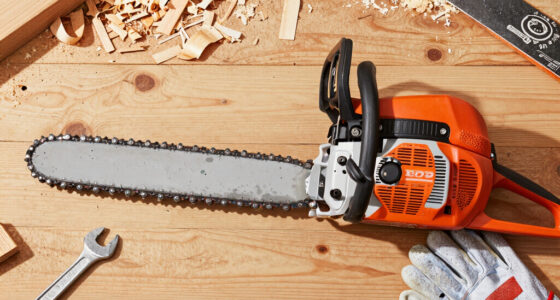
Chainsaws are powerful tools — but their danger isn’t always obvious until it’s too late. That’s why a simple, quick safety routine can make all the difference. The most overlooked step? Checking the chain brake before every tank of fuel. It’s a tiny habit with a huge payoff.
In just half a minute, you can verify your saw’s safety features are working perfectly. This isn’t just about compliance — it’s about protecting your limbs, your time, and your peace of mind. Let’s walk through how to do it right, every single time.
A chain brake check takes less than 30 seconds but drastically reduces injury risk during kickback.
Always perform the check before every use, not just periodically — safety depends on consistency.
If the brake feels sticky or doesn’t lock or unlock smoothly, clean or have it professionally inspected.
Modern saws may have automatic brakes, but manual checks still provide vital reassurance and safety.
Making this routine a habit ensures you never forget the most critical safety step in chainsaw operation.
Chain Brake Checks: A 30-Second Safety Routine
A tiny habit with a huge payoff. Before every tank of fuel, confirm that the chain brake engages, holds and releases correctly. This fast inspection helps ensure your first line of defense is ready if kickback occurs.
Your first line of defense against kickback
The chain brake is designed to stop chain movement during kickback or another sudden motion. Its job is immediate and critical: interrupt the moving chain before it can reach the operator.
Think of it as an emergency brake for the cutting chain.
A functioning brake should engage decisively, immobilize the chain and then release cleanly. If any part of that sequence is unreliable, the saw is not ready for use.
Unexpected and forceful
The guide bar can rise rapidly toward the operator, leaving little time to react.
Half a minute versus a severe injury
The check costs nothing and reveals trouble before an emergency demands the brake.
The complete 30-second chain brake check
Keep the saw stable, use appropriate gloves and follow the manufacturer’s instructions. The engine remains off throughout this basic manual inspection.
Shut down and stabilize
Confirm the engine is off, the chain is fully stopped and the saw is positioned securely.
Push the guard forward
Engage the brake. The lever should travel smoothly and lock decisively without sticking.
Test the chain carefully
Following the saw maker’s guidance, attempt to move the chain manually with a gloved hand.
Confirm it is locked
The chain must not rotate. Movement means the brake has failed this readiness check.
Release and recheck
Disengage the brake. It should release smoothly and permit free chain movement again.
Stop immediately if the chain moves while the brake is engaged. Do not operate a saw with a brake that sticks, feels loose, fails to lock or will not release cleanly.
Know the difference between ready and red flag
Your hands can reveal changes before a visible failure appears. Pay attention to travel, resistance, noise and the final locked position.
Smooth and decisive
The hand guard moves without grinding, binding or unusual resistance.
Ready signalChain immobilized
The chain remains firmly locked when the brake is in the forward position.
Ready signalFree movement returns
The mechanism disengages cleanly and the chain can move as specified by the manufacturer.
Ready signalSawdust or oil buildup
Debris around the mechanism can obstruct travel and delay brake action.
Clean before useSticky, stiff or loose
Changed resistance may indicate wear, damage or an internal mechanical problem.
Remove from serviceCracks, damage or noise
A damaged lever, unusual sound or incomplete lock requires qualified inspection.
Professional checkClean, then test again
Remove accessible sawdust, oil and debris using the cleaning method approved for your model. Never assume cleaning solved the issue—repeat the full engagement and release test.
Do not use the saw
Cleaning is not a repair for damage or persistent malfunction. Remove the saw from service and arrange qualified inspection when the fault remains.
Manual checks and automatic brakes work together
Inertia-activated brakes and electronic monitoring can add protection, but neither replaces a deliberate pre-use verification by the operator.
| Feature | Manual pre-use check | Automatic or inertia brake | Best safety position |
|---|---|---|---|
| Activation | ✓ Intentional Operator engages and verifies the brake before work. |
✓ Reactive Designed to activate during sudden kickback motion. |
Confirm manually, retain automatic protection during operation. |
| Failure detection | ✓ Direct feedback Reveals sticking, poor lockup or release problems. |
~ Model dependent Sensors may alert the user, but not every saw has them. |
Use the physical check even when electronic monitoring is present. |
| Operator effort | ~ 30 seconds Requires a short, repeatable routine. |
✓ Automatic No deliberate action at the moment of kickback. |
Treat 30 seconds as a required part of refueling. |
| Maintenance | ✓ Visible habit Encourages regular inspection and cleaning. |
~ Still required Automatic parts and sensors can wear or malfunction. |
Maintain both systems according to the manufacturer’s schedule. |
Bottom line: automatic activation adds a layer of protection; the manual check confirms that layer is ready.
Make the safe action the automatic action
Consistency matters more than memory. Attach the check to a trigger that already happens every time: reaching for the fuel, closing the fuel cap or preparing to restart.
A fixed one-to-one rule removes guesswork. Whether the saw is new, recently serviced or fitted with an automatic brake, the routine stays the same.
Fuel trigger
Use refueling as the unmissable cue for the routine.
Check
Engage, test the lock, release and confirm free movement.
Decide
Pass means proceed. Any irregularity means stop and inspect.
Repeat
Perform the same sequence before the next tank without exception.
Five rules worth remembering
The strongest safety routines are short, specific and easy to repeat under real working conditions.
What is a Chain Brake — and Why It’s Your First Line of Defense
The chain brake is a safety device designed to stop the chain instantly if kickback occurs. It’s like an emergency brake on a bicycle — instant, reliable, and vital for safety. Without it working properly, a sudden jolt can turn into a serious injury.
Imagine slicing through a log, and suddenly the saw jerks upward. If the brake is functioning, it halts the chain faster than a blink — stopping a potential disaster in its tracks. But if it’s faulty or stuck, you’re vulnerable.
That’s why verifying the brake’s functionality before every use is a simple, no-cost insurance policy against severe injuries.
Understanding why the brake matters so much is crucial. Kickback is one of the most dangerous moments in chainsaw operation because it happens unexpectedly and with force. The brake’s role is to act instantly, preventing the chain from whipping back towards your body. A failure here isn’t just a minor malfunction; it can be life-altering. The tradeoff is simple: investing half a minute to check the brake can mean the difference between a safe cut and a devastating injury.
As an affiliate, we earn on qualifying purchases.
Step-by-Step: How to Perform a 30-Second Chain Brake Check
- Start with the saw off. Safety first — ensure the engine is shut down and the chain isn’t spinning. This prevents accidental movement during inspection and protects your hands.
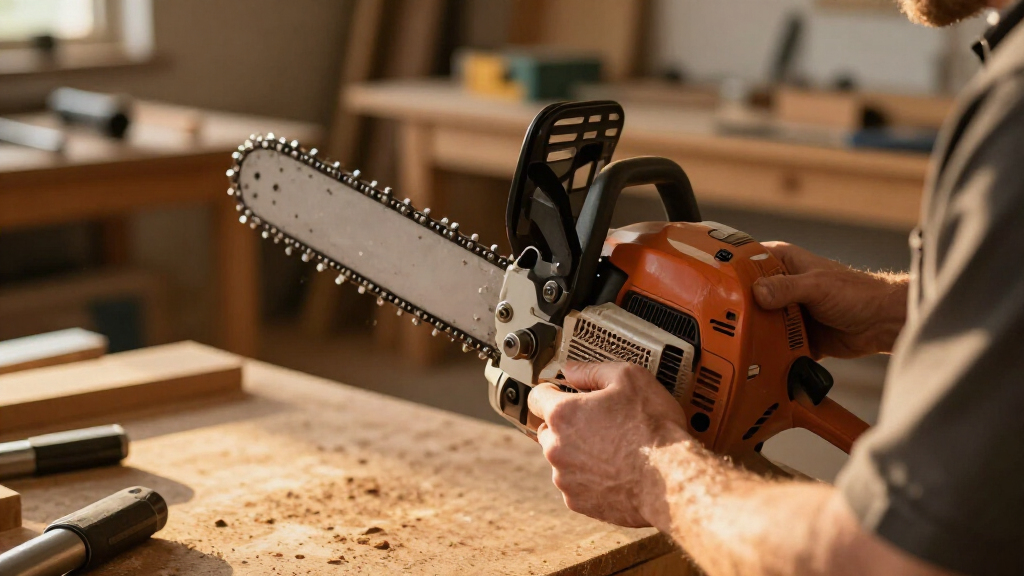
- Push the brake lever forward. It should move smoothly without resistance. Resistance or sticking can indicate debris or mechanical issues that could impair its function during an emergency.
- Try to rotate the chain manually. Use your hand or a gloved finger to turn the bar or chain, if possible. This step verifies if the brake is truly engaged — if it’s locked, the chain shouldn’t turn.
- Confirm the chain doesn’t move. If it’s locked in place, the brake is engaged properly. This is your reassurance that the safety feature is ready to act in a real kickback scenario.
- Release the brake. It should disengage smoothly, allowing the chain to rotate freely again. If it’s stiff or doesn’t release easily, it indicates a mechanical issue that needs attention.
This quick process, taking less than 30 seconds, is critical. If any part of this check feels off — resistance, sticking, or failure to release — it’s a sign that your brake may not function reliably in an emergency. Addressing these issues promptly can prevent potential injuries during unexpected kickback or chain movement.
As an affiliate, we earn on qualifying purchases.
Common Problems and How to Fix Them
Sometimes, the brake won’t engage or disengage smoothly. Maybe it sticks due to sawdust or oil buildup. Or a damaged lever can prevent proper activation.
For minor issues, a quick cleaning with compressed air or a brush often restores function. If the brake still feels stiff or loose after cleaning, don’t ignore it. A professional tune-up may be necessary to keep your saw safe.
Always treat a malfunction as a red flag. A faulty brake is a serious hazard, especially during tough cuts or in awkward positions. Ignoring these signs can lead to brake failure exactly when you need it most, increasing the risk of injury. Regular maintenance and timely repairs are essential to ensure that the brake’s protective function is always ready to perform when needed.
As an affiliate, we earn on qualifying purchases.
Why This Routine Matters More Than You Think
Regularly checking the chain brake isn’t just about following safety rules — it’s about preventing injuries from kickback, which accounts for a large share of chainsaw accidents. According to industry data, kickback causes nearly 60% of chainsaw injuries, often from a brake failure.
Plus, modern saws are more reliable, but no system is perfect. An automatic inertia brake can help, but your manual check remains your best line of defense.
Think of it like a seatbelt — simple, quick, and lifesaving, if used every time. Neglecting this routine can lead to complacency, where small issues go unnoticed until they cause a serious problem. The implication? Consistent checks save lives, and developing this habit is a small investment with enormous safety dividends.
As an affiliate, we earn on qualifying purchases.
Comparison: Manual Checks vs. Automatic Brake Systems
| Feature | Manual Check | Automatic Brake |
|---|---|---|
| Reliability | High, if checked consistently | Consistent, but can fail if sensors malfunction |
| Ease of Use | Simple, requires quick routine | Engages automatically, no action needed |
| Maintenance | Minimal, but must be checked regularly | Sensor checks needed; still good practice to verify manually |
| Best for | All operators, especially DIYers | Professional or heavy-duty use |
While automatic brakes add a layer of safety, they shouldn’t replace your quick manual check. Both systems work best together. Relying solely on automatic systems can create a false sense of security, leading operators to neglect routine inspections. Combining manual checks with automatic systems provides comprehensive safety coverage, ensuring that even if one system fails, the other can still protect you.
Making It a Habit: How to Remember Every Time
It’s easy to forget a quick check when you’re rushing or tired. The trick? Incorporate it into your routine like a mental checklist. Before every tank of fuel, take 30 seconds to verify the brake.
Place a reminder sticker on your saw or toolbox. Associate the check with another habit — like refueling or sharpening. Soon, it becomes second nature.
Developing this habit reduces the risk of skipping the safety check, which can have serious consequences if neglected. Consistency is key: the more you integrate it into your routine, the more automatic it becomes, ensuring your safety isn’t left to chance.
Frequently Asked Questions
How do I know if my chain brake is working properly?
Push the brake lever forward and attempt to rotate the chain manually. If it doesn’t move, the brake is engaged properly. This test confirms that the brake can effectively stop chain movement during kickback. Regularly performing this check ensures that the safety device functions reliably, reducing the risk of injury during unexpected jolt or kickback. Remember, a brake that passes this simple test is your best assurance against accidents.
What should I do if the brake doesn’t engage or feels stiff?
If the brake doesn’t engage or feels stiff, it’s a sign that maintenance is needed. Common causes include sawdust, oil, or debris buildup interfering with moving parts, or a damaged lever or spring. Cleaning the brake mechanism with compressed air or a brush can often restore proper function. However, if cleaning doesn’t help or the brake remains resistant or inconsistent, consult a professional technician. A faulty brake can fail during critical moments, increasing the risk of injury, so timely repair or replacement is vital.
Is the manual check necessary if my saw has an automatic inertia brake?
Yes. Although automatic inertia brakes are designed to activate during kickback, they are not infallible. Sensors can malfunction or become blocked, and debris or damage may prevent proper activation. Performing a manual check ensures that the brake system is working as intended, providing peace of mind and an additional safety layer. Relying solely on automatic systems ignores the importance of routine visual and physical inspections, which remain a critical part of safe chainsaw operation.
How often should I perform this safety check?
Before every tank of fuel, every single time you plan to use your chainsaw. This quick routine, taking less than half a minute, is a vital habit that ensures your safety features are functioning correctly. Skipping this step, even occasionally, increases the risk of injury during kickback or chain movement. Making it an integral part of your pre-operation checklist guarantees the safety device isn’t overlooked, especially since conditions like dust or debris can impair brake function over time.
Can I skip this check if I trust my equipment?
No. Even trusted, well-maintained equipment can fail unexpectedly. Components can wear out or become damaged without visible signs. A routine safety check is a simple, proven measure that significantly reduces risk. Relying on trust alone ignores the potential for unseen issues that could cause serious injury. Incorporating this quick check into your regular routine is a small effort with a big safety payoff, ensuring you’re protected every time you operate your chainsaw.
Conclusion
That quick, 30-second brake check isn’t just a routine — it’s your first and best line of defense. Add it to your daily safety protocol and protect yourself from preventable injuries. When safety is built into your habits, accidents become far less likely.
Next time you pick up your saw, remember: a simple push, a quick test, and you’re ready. Because safety isn’t just a rule — it’s peace of mind that lasts long after the logs are chopped.
Flea & tick season Picks
flea and tick prevention
As an affiliate, we earn on qualifying purchases.