
TL;DR
Open a free Amazon Business account
Business pricing, bulk buying and tax-exempt orders.
Create a free accountAs an affiliate, we earn on qualifying purchases.
Estimating amp-hours per acre helps you pick the right battery for your mower. Consider your area, grass, and terrain to avoid running out mid-cut. Proper planning saves you time and hassle.
Ever finished mowing only to find your battery’s dead? You’re not alone. Picking the right battery size isn’t just about capacity labels — it’s about matching your property’s needs to avoid recharges and downtime. With newer lithium-ion tech, batteries last longer and charge faster, but knowing how much juice you’ll need makes all the difference in your mowing routine.
This guide cuts through the confusion, showing you how to estimate amp-hours per acre and make smarter decisions before you buy. Whether you’re tackling a small yard or a sprawling estate, understanding your battery needs keeps your lawn looking sharp without surprises.
Estimate your property’s acreage and adjust battery capacity accordingly.
A 10 Ah battery typically covers about 0.5 to 1 acre, depending on conditions.
Thick grass and hilly terrain increase power consumption, requiring larger batteries.
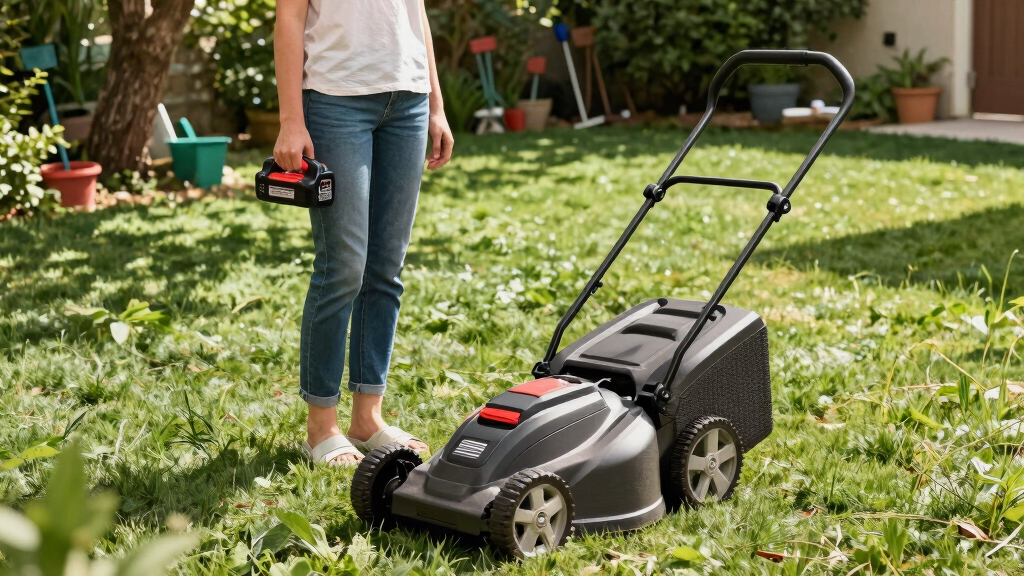
Multiple batteries or swappable packs extend mowing time and reduce downtime.
Proper battery maintenance and planning around recharge times keep your lawn routine smooth.
What Does Amp-Hours (Ah) Really Mean for Your Mower?
Amp-hours measure how much charge a battery holds — think of it as the tank size for your mower. A 10 Ah battery can theoretically deliver 10 amps for one hour or 1 amp for 10 hours. For mowing, it’s about how long that tank lasts under load. Larger Ah ratings mean longer run times, but only if your mower uses power efficiently.
Understanding this relationship helps you make smarter choices, especially when considering larger properties. If you underestimate your needs, you risk running out of power mid-job, which can be frustrating and time-consuming. Conversely, overestimating leads to unnecessary expense and weight, making your mower harder to maneuver. Striking the right balance ensures you can complete your mowing in one go without overburdening your equipment or budget.

1 Pack 10Ah Replacement for EGO 56V Battery BA5600T BA4200T BA2800T BA1400T
- Voltage and Capacity: 56V, 10,000mAh lithium-ion
- Compatibility: Fits EGO lawn and garden tools
- Replacement Model: Compatible with BA5600T and others
As an affiliate, we earn on qualifying purchases.
As an affiliate, we earn on qualifying purchases.
How to Estimate Your Battery Needs Based on Area and Conditions
- Measure your property—know the total acres you need to mow. This step is foundational because larger areas inherently demand more power or multiple batteries.
- Check your mower’s power consumption — usually in Ah per area or runtime estimates. Recognize that this varies with grass density, terrain, and mower efficiency. A rough estimate helps you plan, but actual consumption can fluctuate based on these factors.
- Consider terrain and grass density — hilly or thick grass increases power use, sometimes doubling or tripling your typical consumption. This means you’ll need larger capacity batteries or multiple sessions.
- Use manufacturer data or online calculators to estimate total Ah needed. These tools incorporate your specific conditions, giving a more accurate picture of what’s required.
- Decide if you want single-run capacity or plan for multiple batteries or swaps. Larger batteries reduce the need for swaps but add weight and cost, while multiple smaller batteries offer flexibility but require planning for charging and storage.
For instance, if your 1-acre lawn has thick grass and hilly terrain, expect higher Ah consumption — maybe 2 Ah per 0.1 acre. Multiplying this by your acreage gives you a more realistic total. This detailed estimation helps prevent surprises, ensuring you finish your yard work efficiently and without interruption, saving time and effort in the long run.

WEIZE Lawn Garden AGM Battery, 12V 200CCA BCI Group U1 SLA Starting Battery for Lawn, Tractors and Mowers, Compatible with John Deere, Toro, Cub Cadet, and Craftsman
- Dimensions: 7.68 x 5.12 x 6.22 inches
- Weight: 21.5 lbs
- Terminal Type: Square Hole Nut and Bolt
As an affiliate, we earn on qualifying purchases.
As an affiliate, we earn on qualifying purchases.
Battery Capacity Comparison: Which Mower Fits Your Acreage?
| Battery Capacity (Ah) | Typical Acreage Coverage | Best For |
|---|---|---|
| 5 Ah | Up to 0.2 acres | Small yards, tight spots, or quick touch-ups |
| 10 Ah | 0.5 to 1 acre | Medium lawns, regular mowing, moderate terrain |
| 15-20 Ah | 1+ acres | Larger properties, thick grass, hilly terrain, or frequent mowing |
Choosing the right capacity depends on your yard size and mowing frequency. Remember, a bigger battery means more weight, higher cost, but less downtime. For example, a 12 Ah battery suits a 0.6-acre yard with typical grass, providing a good balance of weight and runtime. Conversely, a 20 Ah battery offers extended coverage for larger or more demanding lawns, reducing the need for multiple charges or swaps. Understanding these tradeoffs helps you select a battery that aligns with your specific property and mowing habits, ensuring efficiency without overpaying for capacity you don’t need.

Daakmax Lawn Mower AGM Battery Group U1 12V 28ah 300CCA Rechargeable SLA Starting Garden Batteries for Tractors, Lawn and Riding Mowers, Compatible with Craftsman, Cub Cadet, and Toro
- Universal Fit Design: Compatible with major brands like Toro, Cub Cadet, Craftsman
- Long-Lasting Power: 28Ah AGM sealed, maintenance-free durability
- Instant Start Power: 12V with 300 CCA for reliable ignition
As an affiliate, we earn on qualifying purchases.
As an affiliate, we earn on qualifying purchases.
Practical Tips to Maximize Your Battery Runtime
- Keep batteries at room temperature — cold temperatures significantly reduce capacity and runtime. Proper storage ensures maximum efficiency when you need it most.
- Charge fully before each use — partial or incomplete charges can lead to capacity loss over time, reducing your mowing time and increasing the frequency of recharges.
- Use high-quality, manufacturer-approved chargers — incompatible or cheap chargers can damage batteries or slow charging, shortening their lifespan and reliability.
- Store batteries in a dry, cool place — excessive heat or moisture accelerates degradation, leading to reduced capacity and potential safety hazards.
- Maintain blades sharp and clear of debris — dull or clogged blades increase the mower’s workload, causing it to draw more power and drain the battery faster. Well-maintained equipment operates more efficiently, extending runtime and improving cut quality.
Imagine mowing a 0.75-acre yard in the early morning. A fully charged, well-maintained battery delivers consistent power through dense grass, with fewer interruptions. Proper care and maintenance not only extend your battery’s lifespan but also ensure you get the most out of each charge, making your mowing sessions smoother and more predictable.
mower battery amp-hours estimation tool
As an affiliate, we earn on qualifying purchases.
As an affiliate, we earn on qualifying purchases.
What Happens If Your Battery Isn’t Big Enough?
If your battery capacity falls short, you’ll experience an abrupt power loss, leaving you stranded mid-yard. This isn’t just inconvenient — it can lead to uneven cuts, increased wear on your mower, or even damage from overexertion. Running out of power forces you to stop prematurely, wasting time and potentially requiring multiple recharges or additional batteries to finish your job.
For example, attempting to mow 1.2 acres with a 10 Ah battery might leave you halfway through, especially if grass is thick or terrain hilly. This scenario often results in multiple recharges, increasing total mowing time and disrupting your schedule. Planning for a larger capacity or having spare batteries means you can complete your entire yard in one session, maintaining consistency and saving effort.
Remember: underestimating your power needs can lead to frustration and potential equipment strain. Investing in a larger battery or extra packs upfront ensures your mower can handle your property’s demands without interruption, keeping your lawn uniformly manicured and your workflow smooth.
How Long Does It Take to Recharge Your Battery?
Charging times vary based on battery size and charger power — from 30 minutes to several hours. A typical 10 Ah battery might take 1-2 hours with a fast charger, but larger batteries or lower-powered chargers can extend this time significantly. This variation impacts how you schedule your mowing — knowing recharge durations helps you plan your sessions more effectively.
Thinking ahead by having multiple batteries allows you to swap out a drained pack for a fully charged one, minimizing downtime. Some models support hot-swappable batteries, enabling quick exchanges without turning off the mower. This flexibility is especially valuable for larger properties or tight schedules, where waiting for a recharge could mean delaying your work.
Understanding recharge times is essential to avoid running out of power unexpectedly, ensuring your mowing routine remains smooth and predictable. Planning your work around charging durations and having spare batteries on hand keeps your yard work efficient and stress-free.
Frequently Asked Questions
How do I know what battery size I need for my yard?
Start by measuring your total acreage and noting the typical grass density and terrain. Use manufacturer estimates or online calculators to translate these factors into amp-hours needed. This helps ensure you pick a battery that can handle your property’s demands without surprises.Can I just buy a smaller battery and recharge more often?
Yes, but it’s often less convenient. Smaller batteries require more frequent recharges and may interrupt your mowing flow. Larger batteries or multiple packs can give you longer run times and fewer breaks, especially for larger properties.How long does a typical battery last on a single charge?
Most batteries can mow between 0.5 to 2 acres depending on capacity, grass type, and terrain. For example, a 15 Ah battery might cover around 1 acre of lush, thick grass, but less on hilly terrain or dense turf.Are higher Ah batteries always better?
Higher Ah batteries generally last longer, but they also weigh more and cost more. Consider your property size, mower compatibility, and how often you want to recharge before choosing the right capacity.What’s the best way to extend my mower’s runtime?
Use high-capacity, quality batteries, keep them well-maintained, and store them properly. Swappable batteries or multiple packs also help you extend your mowing sessions without delays.Conclusion
Choosing the right battery in amp-hours isn’t just a number; it’s about matching your mower’s power to your property’s needs. A little planning upfront saves hours of recharging and frustration. Before you buy, think about your acreage, terrain, and grass density — then pick a capacity that keeps you mowing, not waiting.
When your mower runs smoothly on a full tank of juice, it’s like a well-oiled machine — ready to tackle your yard, big or small. Keep that in mind, and your lawn will thank you for it.
Back to school Picks
back to school
As an affiliate, we earn on qualifying purchases.