TL;DR

Get business pricing on tools and workshop supplies
- Business-only prices and quantity discounts
- Tax-exempt purchasing
- Multiple users, one account, clear invoices
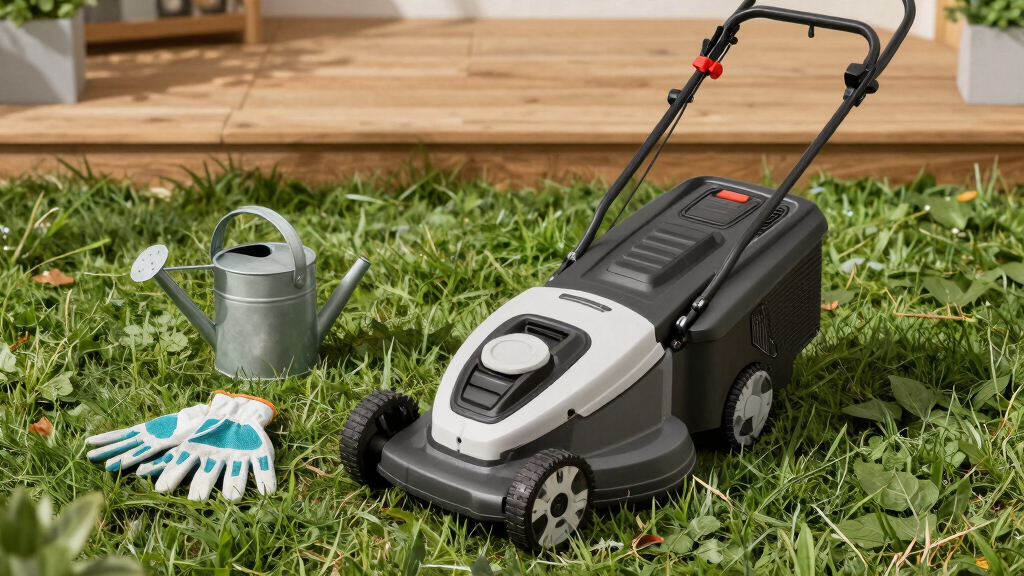
IPX ratings show how water-resistant a battery mower is. Higher ratings like IPX4 or IPX5 improve safety and durability in damp conditions, but always follow manufacturer guidance for mowing wet grass.
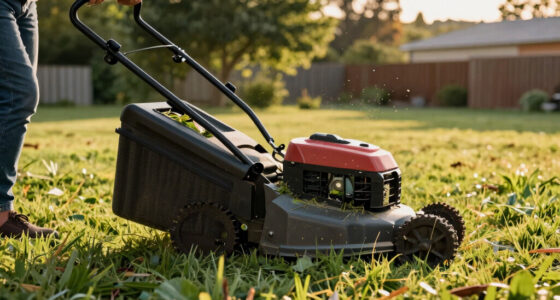
Mowing damp grass can feel like walking a tightrope. On one hand, dew hangs heavy in the morning air, and a sudden rain shower leaves your lawn slick and shiny. On the other, many battery mowers aren’t built to handle wet conditions. Yet, sometimes you don’t have a choice—grass grows fast, and rain doesn’t wait. Understanding what the IPX rating on your mower really means can save you from damage and frustration, letting you mow smarter—not riskier.
This guide breaks down the ins and outs of IPX ratings, how they relate to mowing damp grass, and what you should consider before firing up in wet weather. It’s about knowing your mower’s limits—so you can keep your yard looking sharp without risking a costly repair.
Most battery mowers rated IPX4 or IPX5 can handle light splashes or dew, but not heavy rain or submersion.
Always check your mower’s IPX rating and manufacturer guidelines before mowing in damp conditions.
Higher IPX ratings (IPX6 and above) offer better protection but are less common in lawn mowers.
Water ingress can cause electrical failures, rust, and voided warranties—so respect the limits of your equipment.
Proper maintenance, drying, and cautious operation extend your mower’s lifespan, even when working in damp weather.
Mowing Damp Grass: What the IPX Rating Really Covers
IPX ratings measure resistance, not invincibility. An IPX4 or IPX5 battery mower may tolerate dew, splashes, or limited moisture—but that badge does not make wet-weather mowing automatically safe.
Water from any direction
More forceful exposure
Up to 30 minutes
Rating plus maker guidance
From splash-proof to immersion-tested
The “X” means no solids-protection level is being stated. The final digit describes tested liquid ingress protection—not permission to operate in every condition involving water.
Moisture changes more than the electronics
As conditions move from light dew toward standing water, the combined threat of ingress, slipping, clogging, corrosion, and loss of control rises quickly.
Electrical ingress
Moisture can reach controls, motor components, connectors, or the battery compartment.
Cut quality
Wet blades bend and clump, producing uneven cuts and obstructing airflow beneath the deck.
Traction loss
Slick grass, slopes, and mud increase the chance of slipping or losing mower control.
Delayed damage
Corrosion and rust may appear later, shortening component life or affecting warranty coverage.
What each rating does—and does not—suggest
A stronger enclosure rating improves tolerance to accidental exposure. The operating manual remains the deciding authority, especially in active rain or saturated ground.
| Exposure scenario | IPX4 | IPX5 | IPX6 | IPX7 |
|---|---|---|---|---|
| Light morning dew | ✓ | ✓ | ✓ | ✓ |
| Damp grass after rain | ~ | ~ | ~ | ~ |
| Active drizzle | ✗ | ~ | ~ | ~ |
| Powerful hose spray | ✗ | ✗ | ✓ | ~ |
| Puddles or immersion | ✗ | ✗ | ✗ | ~ |
| Outdoor damp storage | ✗ | ✗ | ✗ | ✗ |
✓ Rating broadly covers the exposure type ~ Check explicit operating guidance ✗ Avoid. An ingress rating does not certify traction, cutting performance, or safe storage.
A five-check chain before the blade turns
Safe damp-weather mowing depends on the entire chain. A reassuring IPX number cannot compensate for saturated ground, active rain, or a manufacturer prohibition.
Find the rating
Check the mower label, battery housing, product specification, or manual.
Read the manual
Confirm whether damp grass or rain exposure is explicitly allowed.
Test the turf
Look for slick blades, deep footprints, mud, puddles, and unstable slopes.
Reduce strain
Raise the cutting height, move slowly, and stop if the deck begins clogging.
Clean and dry
Remove clippings safely, wipe surfaces, inspect seals, and store under cover.
Mow smarter, not riskier
Use the IPX rating as one layer in a broader decision. Conditions, technique, maintenance, and explicit operating restrictions matter just as much.
Wait when footprints shine
If walking leaves water-filled prints, the lawn is likely too saturated. Delay until the surface firms and visible moisture clears.
Raise the deck and slow down
A higher cut reduces blade load and clumping. Stop immediately if traction worsens, the mower labours, or clippings pack the deck.
Dry before storage
Remove the battery as instructed, clear grass safely, wipe the housing, and inspect for moisture. Store the mower and battery in a dry location.
IPX4 or IPX5 may help a battery mower tolerate dew and incidental splashes. It does not make heavy rain, puddles, saturated turf, or careless storage safe.
What Exactly Is an IPX Rating and Why Should You Care?
An IPX rating is a standardized way to measure how well your battery mower can withstand water and dust. Think of it as a weatherproof badge of honor. For example, an IPX4-rated mower can handle splashes of water from any direction, making it more resilient in light rain or damp grass. An IPX7 means it can survive immersion in water up to a meter deep for half an hour—great for waterproof devices, but rare for lawn mowers.
Knowing your mower’s IPX rating helps you decide if mowing in damp conditions is safe. It’s like knowing whether your raincoat can handle a drizzle or a downpour. Most battery mowers hover around IPX4 or IPX5, giving some protection but not complete waterproofing.
Understanding what these ratings mean in practical terms is crucial because they directly influence your mower’s durability and safety. For example, a mower with an IPX4 rating might withstand a sudden splash or light rain, but if you push it into puddles or heavy rain, water can seep into the electrical components, causing damage. Conversely, choosing a mower with a higher IPX rating provides a greater buffer against accidental exposure, but often at a higher cost and sometimes with tradeoffs like increased weight or reduced battery life. Recognizing these differences helps you make smarter decisions about when and how to mow in damp conditions, balancing convenience with equipment longevity.
IPX4 waterproof battery lawn mower
As an affiliate, we earn on qualifying purchases.
As an affiliate, we earn on qualifying purchases.
How IPX Ratings Affect Your Mowing in Damp Grass
When you mow damp or wet grass, water can find its way into your mower’s electrical parts, risking damage that may not be immediately apparent but can have serious long-term consequences. The IPX rating acts as an indicator of how well your mower can resist water ingress under different conditions. For example, an IPX4 rating indicates the mower can handle splashes from any direction, which is useful during light rain or morning dew, but it’s not designed for direct water jets or immersion. An IPX5 rating offers better splash resistance, meaning it can withstand more forceful water exposure, making it somewhat safer for mowing in drizzle or damp grass.
The practical implication of these ratings is that they set boundaries for safe operation. Mowing in conditions beyond what the rating supports—like heavy rain, puddles, or standing water—can lead to water entering the electrical compartments, causing short circuits or corrosion. This can result in immediate malfunction or degrade the mower’s lifespan over time. Knowing these distinctions helps you assess risk: if your mower has an IPX4 rating, you might mow in early morning dew but should avoid wet conditions during rainstorms. Higher ratings expand your options but do not eliminate risk entirely. The key takeaway is that water resistance ratings guide safe operation, but they are not a license to ignore weather conditions; they are a safety guideline to prevent costly damage and ensure your mower’s longevity.
water-resistant cordless grass trimmer
As an affiliate, we earn on qualifying purchases.
As an affiliate, we earn on qualifying purchases.
Latest Innovations Making Mowing in Wet Conditions Safer
Manufacturers are pushing the boundaries by designing battery mowers with higher IPX ratings. Modern models feature sealed electrical compartments and improved waterproofing that can handle splashes and light rain better than ever. These advancements not only protect the internal electronics but also extend the operational window in damp conditions, giving homeowners more flexibility. Some models incorporate moisture sensors that alert you when conditions are too wet for safe mowing, preventing accidental water ingress.
For example, a recent model rated IPX6 can withstand powerful water jets, which means it can handle rain or spray from garden hoses without damage. This level of waterproofing significantly reduces the risk of internal water damage during casual exposure, making it safer to mow after light rain or in moist weather. These technological advances are especially beneficial for those who want to mow more frequently without waiting for perfect weather, thus maintaining a tidy yard year-round.
However, it’s crucial to understand that these high IPX ratings don’t make the mower invincible in all wet conditions. They simply expand the safe operating envelope, allowing you to work in damp environments with greater confidence, provided you follow manufacturer guidelines. The tradeoff often involves increased cost, added weight, or slightly reduced battery runtime due to enhanced waterproofing features. Recognizing these innovations helps you select a mower that aligns with your needs, especially if you frequently mow in less-than-ideal weather.
As an affiliate, we earn on qualifying purchases.
Practical Tips for Mowing Damp Grass Without Damage
- Check your mower’s IPX rating — if it’s IPX4 or higher, light damp conditions are safer, but always follow the manufacturer’s advice. Understanding what the rating means helps you gauge the safe limits of your equipment, avoiding damage caused by water ingress.
- Observe your lawn — if the grass is slick, muddy, or has dew heavy enough to make footprints, consider waiting. Wet grass increases the risk of clogging blades and can also cause slippage, which might lead to uneven cuts or accidents.
- Be cautious in rain or drizzle — avoid mowing during heavy rain or standing water to prevent water ingress into electrical components. Even with a good IPX rating, persistent exposure to water can compromise the mower’s integrity and safety.
- Dry your mower after use — wipe down and store it in a dry place, especially if it’s been exposed to moisture. Proper maintenance prevents rust and corrosion, extending your mower’s lifespan and ensuring it remains reliable for future use.
- Use the right blade and height setting — shorter, clean cuts in damp grass reduce strain on the mower and minimize clogging or clogging. This helps maintain the mower’s efficiency and prevents unnecessary stress on electrical parts.
For example, mowing dew-laden grass early morning with an IPX4 mower can be safe if you follow these tips and avoid heavy dew or rain. Think of it as making your mower a little more water-resistant with smart choices, but always respect the weather’s unpredictability.
Always remember: safety first. If in doubt, wait for better weather.
lawn mower maintenance in wet weather
As an affiliate, we earn on qualifying purchases.
As an affiliate, we earn on qualifying purchases.
Comparison: IPX Ratings and Their Water-Resistance Power
| Rating | Protection Level | Best Use Case |
|---|---|---|
| IPX4 | Resistant to splashes from any direction | Light rain, morning dew, damp grass |
| IPX5 | Protected against water jets | Light rain, wet grass, outdoor mowing in drizzle |
| IPX6 | Protected against powerful water jets | Heavy rain, wet terrain, occasional exposure to water jets |
| IPX7 | Protected against immersion up to 1 meter | Rare outdoor use, accidental immersion |
| IPX8 | Protected against continuous immersion under specified conditions | Specialized waterproof equipment, not typical for mowers |
This comparison helps clarify what each rating means practically. For mowing damp grass, IPX4 and IPX5 are your main focus, as they balance protection with practicality for outdoor yard work.
What Happens if You Ignore the Ratings? Risks of Mowing Wet Grass
Ignoring your mower’s water resistance rating can lead to costly damage that may not be immediately evident but can severely impact the mower’s performance over time. Water ingress into electrical parts can cause short circuits, motor failure, corrosion, and even pose safety hazards such as electric shocks. For example, mowing damp grass with a non-rated or low-rated mower might seem manageable initially, but repeated exposure can deteriorate internal components, leading to unexpected breakdowns and expensive repairs. Moreover, water inside the motor or electrical system can accelerate rust formation, significantly shortening the lifespan of your equipment. This risk is compounded if you ignore signs of moisture or attempt to mow in conditions beyond your mower’s rated protection, which can void warranties and leave you stranded without a functioning mower. Respecting the ratings is not just about preventing damage; it’s about ensuring your safety and protecting your investment from avoidable harm.
Final Thoughts: Keep Your Mower Happy, Even in Damp Weather
The bottom line? Know your mower’s IPX rating and stick to it. If it’s rated IPX4 or higher, you can mow in light damp conditions—just use caution. When in doubt, wait for better weather. Protect your investment by drying and storing your mower properly after wet use.
Remember, a little patience saves money and hassle. Wet grass might look inviting, but your mower’s longevity depends on respecting its limits. With the right knowledge, you can keep your yard tidy without risking damage or safety issues.
Frequently Asked Questions
Can I mow wet or damp grass with my battery mower?
Yes, if your mower has an IPX4 or higher rating, it’s designed to resist splashes and light rain. But avoid heavy rain or standing water, as water ingress can still cause damage. Always follow the manufacturer’s safety guidelines.
What does the IPX rating mean for my mower’s durability in rain?
The IPX rating indicates how well your mower resists water ingress. Higher ratings mean better protection—IPX4 handles splashes, IPX6 withstands powerful jets. It’s a key factor in deciding if you can safely mow in damp conditions.
Is it safe to operate my mower in the rain?
Only if your mower has an appropriate IPX rating and manufacturer approval. Even then, it’s safest to avoid heavy rain or puddles. Water can find its way inside, risking electrical failure or corrosion.
Should I store my mower outside in damp conditions?
Unless your mower is rated IPX8 or designed for outdoor storage in wet environments, it’s best to keep it in a dry, sheltered spot. Proper storage prevents rust and extends your mower’s life.
How can I tell if my mower is waterproof or just water-resistant?
Check the IPX rating and manufacturer specs. Devices rated IPX7 or IPX8 are waterproof—suitable for immersion. Most lawn mowers are water-resistant (IPX4/IPX5), suitable for splashes or light rain, but not full immersion.
Conclusion
Understanding your mower’s IPX rating isn’t just about avoiding damage; it’s about working smarter in the yard. Mowing damp grass isn’t automatically off-limits, but it demands respect for your equipment’s water resistance. When in doubt, wait for clear skies. A dry mower is a happy mower—and a longer-lasting one.
Think of your mower as a trusty tool, not a swimmer. Protect it, respect its limits, and your yard will stay sharp—and safe—for years to come.
Halloween Picks
halloween
As an affiliate, we earn on qualifying purchases.