
TL;DR

Get business pricing on tools and workshop supplies
- Business-only prices and quantity discounts
- Tax-exempt purchasing
- Multiple users, one account, clear invoices
Consistent firewood lengths matter for safety and efficiency. Using marking guides, measuring tools, and simple tricks speeds up the process and ensures uniformity. Pre-mark logs before cutting for best results.
Imagine chopping firewood on a chilly morning, knowing every piece will fit perfectly in your stove. No more fussing with uneven logs or second-guessing your cuts. With the right measuring tricks and marking aids, you turn a messy task into a smooth, satisfying routine.
Whether you’re stacking for winter or just streamlining your firewood prep, consistency saves time, reduces waste, and keeps things safe. Let’s break down the simple tools and techniques that make this task easier, faster, and more precise.
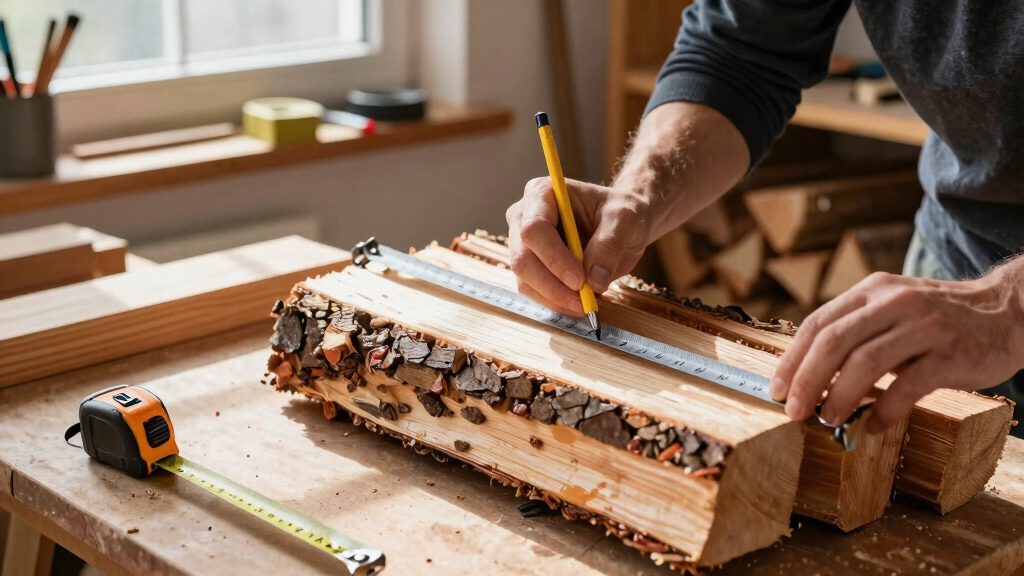
Pre-mark your logs with a stick or guide to cut multiple pieces quickly and consistently.
Use a tape measure or laser tool for precise measurements; a pre-marked stick speeds up the process.
Always prioritize safety—wear protection and secure logs before cutting.
Batch process logs by size to save time and keep cuts uniform.
Choosing the right marking aid depends on your volume, precision needs, and budget.
Why Cutting Firewood to the Same Length Matters
Uniform firewood isn’t just about looks. Consistent lengths improve safety, make stacking easier, and promote a cleaner burn. Think of it like building a Lego tower—each piece fits better when they’re all the same size.
For example, if your stove calls for 16 inches, cutting all logs to that length prevents jams or inefficient burning. Additionally, uniform logs ensure better airflow and complete combustion, which leads to less creosote buildup and reduces chimney fires. Conversely, inconsistent lengths can cause jams or uneven burning, which wastes fuel and can be hazardous. When stacking, uniform logs take up less space and are easier to handle, reducing physical strain and time spent rearranging. Overall, the tradeoff lies in the initial effort to measure and cut precisely versus the long-term benefits of safety, efficiency, and convenience.
As an affiliate, we earn on qualifying purchases.
Simple Tools That Make Marking and Measuring a Breeze
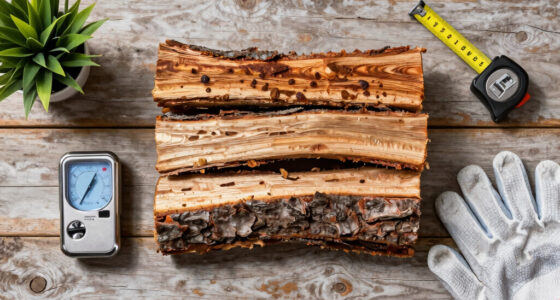
Tools like tape measures, pre-marked sticks, and laser distance meters are your best friends here. A 16-inch tape measure is cheap and reliable, providing immediate accuracy. Pre-marked sticks, especially, save time—they function as reusable templates that allow you to quickly identify the desired length without repeatedly measuring each log. This reduces cognitive load and minimizes measurement errors, which can occur when rushing or working with awkward angles. For instance, a stick marked at 16 inches can be used repeatedly, ensuring uniformity across multiple logs. Laser measures, while more expensive, provide rapid, precise readings over longer distances or irregularly shaped logs, making them invaluable for larger or oddly angled cuts. The tradeoffs include cost and complexity versus speed and ease, so choose based on your volume of firewood and precision needs. These tools streamline the process, but understanding when each is most effective helps you avoid unnecessary expenses or delays.
As an affiliate, we earn on qualifying purchases.
How to Use a Marking Guide or Stick for Fast, Accurate Cuts
- Choose a sturdy stick or board with marks at your desired length. The stability of the guide ensures consistent measurements, which is crucial for safety and efficiency, especially when working with multiple logs.
- Lay the stick against the end of the log, align it properly, and mark with chalk or a pencil. Proper alignment prevents skewed cuts that can lead to uneven stacking or inefficient burning.
- If you’re doing lots of logs, pre-mark them all first. Pre-marking reduces the need to measure each log individually, saving time and reducing fatigue or measurement errors during busy work sessions.
- Use the marks as a visual guide when cutting with your chainsaw or saw. This visual consistency ensures each cut is accurate and uniform, which is essential for stacking stability and consistent burning performance.
This method speeds up your workflow and keeps your cuts consistent. I remember splitting a cord of firewood last winter. Pre-marked sticks cut my prep time in half—and the logs all stacked neatly in no time. The key is understanding that precision at this stage pays off by reducing rework and increasing safety, as uneven cuts can sometimes cause the saw to bind or kick back.
As an affiliate, we earn on qualifying purchases.
Comparison of Marking Aids: Which One Works Best?
| Tool | Pros | Cons |
|---|---|---|
| Measuring Tape | Accurate, flexible, ideal for precise measurements or irregular logs. It allows for customization and adjustments based on your specific needs. | Time-consuming for many logs, especially if you measure each log individually, which can add up during large batches. |
| Pre-marked Stick | Fast, reusable, simple to use. It provides a quick reference that minimizes measurement errors, especially effective when working with uniform logs. | Less precise for irregular logs or if the logs vary significantly in shape, which might require additional adjustments. |
| Laser Distance Meter | Very accurate, rapid readings over long distances, and useful for awkward angles or large logs. It reduces physical effort and measurement variability. | More expensive, requires batteries, and has a learning curve. Not always necessary for small or straightforward jobs. |
Choosing the right tool depends on your volume, the irregularity of your logs, and your budget. The tradeoff is between speed and precision—manual tools like tape measures and pre-marked sticks work well for most backyard firewood projects, while laser meters excel in larger or more complex setups. Understanding these differences helps you invest wisely in your firewood preparation process.
As an affiliate, we earn on qualifying purchases.
Tips for Marking Multiple Logs in One Go
- Pre-mark a batch of logs with a stick or chalk line before cutting. This batch approach minimizes repetitive measurements, allowing you to focus on cutting efficiently. It also reduces the chance of inconsistencies that can happen when measuring each log individually under time pressure.
- Use a clamp-on guide to hold the log steady at the right length. Securing logs prevents slipping or shifting during cutting, which can cause uneven cuts or safety hazards. Proper clamping also reduces fatigue and improves accuracy.
- Group logs by size for uniform cuts, saving time and effort. Sorting logs beforehand ensures that you’re not constantly adjusting your guide or re-measuring, streamlining the entire process.
- Mark logs on the side that’s easiest to see while cutting. Clear visibility helps prevent mistakes, especially when working quickly or in less-than-ideal lighting conditions.
For example, when splitting a load, I lay out all my logs, mark them with a pre-made stick, then cut them all in one session. This batch method minimizes mental fatigue, reduces measurement errors, and significantly speeds up stacking and burning. The key is planning ahead and understanding that consistent marking saves time and effort in subsequent steps, making your firewood prep safer and more efficient.
Safety First: Measure and Mark Responsibly
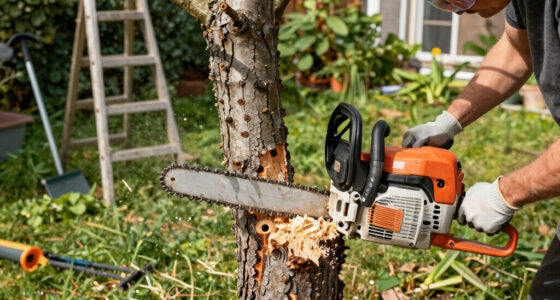
Always wear eye protection and gloves when measuring and cutting. Secure logs firmly, and double-check your marks before slicing. Using a guide or clamp reduces slips and kickbacks, keeping you safe on the job.
Remember, a steady hand and proper gear beat rushing through your work. Safety isn’t just a rule—it’s your best tool for avoiding injury. Cutting corners or rushing can lead to mismeasured logs, which compromise stacking stability and safety. Properly marking and securing logs minimizes these risks, ensuring that each cut is deliberate and accurate. The tradeoff is time spent on safety measures versus the potential for injury or damage caused by careless work. Prioritizing safety ultimately protects your health and your project’s success.
Frequently Asked Questions
What is the best tool for measuring firewood lengths?
A tape measure is reliable and affordable. For quicker tasks, pre-marked sticks or guides work well. Laser distance meters offer high precision but are pricier and more complex.
How do I quickly ensure all logs are cut to the same length?
Use a pre-marked stick or a clamped guide. Mark all logs at once, then cut, saving time and keeping everything uniform. Batch marking reduces repetitive measuring and speeds up stacking.
What length should I cut my firewood?
It depends on your stove or fireplace. Common lengths are 16 inches for indoor stoves, but always check your unit’s specs. For outdoor fires, 18-20 inches often work better for larger logs.
Are there quick tricks for marking many logs?
Pre-mark a whole batch with a stick or chalk line, then cut them all in a single session. Grouping logs by size also simplifies the process and keeps things uniform.
Can I automate measuring and marking?
Some advanced tools like laser guides or digital sensors can assist, but most DIYers rely on manual measurement and pre-marking for speed and simplicity.
Conclusion
Getting your firewood to a consistent length is a simple matter of using the right tools and techniques. Pre-marked sticks and guides turn a tedious chore into a quick, safe routine. Now, every log stacks neatly, burns evenly, and makes your winter prep just a little easier.
Next time you split, think about the small details—like marking aids—that make a big difference. After all, good firewood starts with smart, deliberate cuts.
Evergreen bestsellers Picks
bestsellers
As an affiliate, we earn on qualifying purchases.