
TL;DR

Get business pricing on tools and workshop supplies
- Business-only prices and quantity discounts
- Tax-exempt purchasing
- Multiple users, one account, clear invoices
Proper layering is key for effective snow clearing. Use a moisture-wicking base, insulating middle, and waterproof outer shell for comfort and safety. Innovative fabrics and gear make a big difference in harsh conditions.
When snow piles up, your first instinct might be to throw on whatever keeps you warm. But if you want to clear snow efficiently and stay safe, you need more than just a thick coat. The right layering system makes all the difference. It keeps you warm, dry, and mobile—no matter how brutal the weather gets.
This guide breaks down a proven, practical layering approach. We’ll cover what to wear, what materials work best, and how to adapt as conditions change. Whether you’re tackling a driveway or managing a large property, you’ll learn how to dress smart and work safer.
Use a three-layer system: moisture-wicking base, insulating middle, waterproof outer shell.
Choose technical fabrics over cotton for all clothing layers—stays dry and traps heat.
Adjust layers based on effort and weather changes to prevent overheating or chilling.
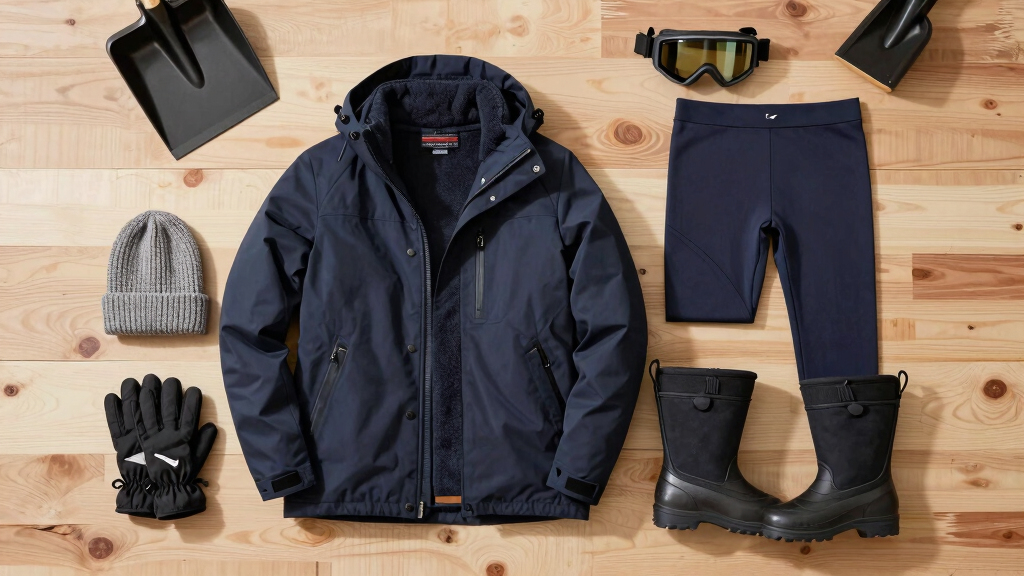
Invest in quality accessories like waterproof gloves, insulated boots, and thermal hats.
Prioritize staying dry and protected from wind to avoid hypothermia and frostbite.
Dressing for Snow Clearing: A Layering System That Actually Works
A thick coat gives you warmth. A smart system gives you control. Combine moisture management, adjustable insulation, and weather protection to stay dry, mobile, and safer from the first shovel-load to the final pass.
Dry skin. Trapped heat. Sealed weather.
Each layer has one clear job. Together, they move sweat outward, retain useful warmth, and stop wind and snow without restricting movement.
Move sweat away
A close-fitting base layer pulls moisture off the skin before it can cool your body. It should feel snug, never restrictive.
Trap useful heat
Your adjustable insulation layer holds warm air. Match its weight to the temperature and the intensity of your work.
Block the weather
A waterproof, windproof, breathable shell stops snow and gusts while vents allow excess heat and moisture to escape.
Choose fabrics by function, not thickness.
The warmest-looking fabric is not always the safest. Drying speed and moisture control matter as much as insulation during physical work.
| Material | Best use | Moisture control | Warmth | Watch for |
|---|---|---|---|---|
| Merino wool | Base layer | ✓ Excellent | ✓ High | Gentle care; higher cost |
| Polyester synthetic | Base or insulation | ✓ Excellent | ~ Moderate | Can retain odour |
| Fleece | Active insulation | ✓ Fast drying | ✓ High | Needs a windproof shell |
| Down | Low-output insulation | ✗ Weak when wet | ✓ Excellent | Loses loft if soaked |
| Waterproof membrane | Outer shell | ✓ Breathable | ~ Minimal | Open vents during hard work |
| Cotton | Not recommended | ✗ Retains water | ✗ Poor when wet | Raises cold-stress risk |
Field rule / Cotton absorbs sweat, dries slowly, and becomes a cold layer against the body.
Dress for the work, then tune as you move.
Snow clearing creates heat quickly. Start slightly cool, use vents early, and change insulation before sweat builds up.
If you feel hot, act before you feel wet: unzip, vent, slow down, or remove the middle layer.
Begin slightly cool
Full comfort at rest often becomes overheating after five minutes of shovelling.
Vent early
Open pit zips, loosen the neck, or remove insulation before sweat saturates clothing.
Add warmth
Replace insulation promptly when activity drops and your heat production falls.
Seal the shell
Close cuffs, hood, waist, and vents when wind, wet snow, or freezing rain intensifies.
One connected chain from fabric to safer work
Protect the places heat escapes first.
Your layering system is only as effective as its openings. Hands, feet, head, and neck need dry insulation and secure weather seals.
Waterproof gloves
Choose insulated gloves or mittens with enough dexterity for shovel control and safe grip.
Insulated boots
Use waterproof boots with traction, warm socks, and enough room to preserve circulation.
Thermal hat
Select a close-fitting hat that covers the ears and still works comfortably beneath a hood.
Gaiter or balaclava
Seal the collar against wind while keeping the option to uncover quickly during heavy effort.
Persistent shivering, numbness, confusion, clumsiness, or unusually pale skin are signs to stop, seek shelter, replace wet clothing, and warm up safely.
Why a Layering System Beats One Heavy Coat Every Time
A layering system isn’t just about piling on clothes. It’s about smartly combining materials that work together. When snow clearing, this approach keeps sweat away from your skin, traps heat efficiently, and blocks wind and water. Wearing a single heavy coat might seem straightforward, but it often leads to overheating during active work or getting cold if it gets wet or sweaty. The tradeoff is limited control over temperature regulation and moisture management, which can lead to fatigue or hypothermia.
By contrast, layering allows you to fine-tune your insulation and ventilation. For instance, if you start to warm up, unzipping your outer shell or removing an insulating layer can prevent overheating. Conversely, if you slow down or stop, adding layers helps maintain warmth. This flexibility directly impacts your endurance and safety, especially during prolonged tasks in unpredictable winter weather.
moisture-wicking base layer for winter
As an affiliate, we earn on qualifying purchases.
As an affiliate, we earn on qualifying purchases.
The Three Layers That Keep You Dry, Warm, and Moving
The foundation of effective snow gear is the three-layer system, each serving a specific purpose that, when combined, creates an optimal environment for winter work. Understanding why each layer matters helps you make smarter choices and balance comfort with protection.
- Base Layer: Its primary role is moisture management. Fabrics like merino wool or high-tech synthetics wick sweat away from your skin, which is crucial because moisture trapped against the skin can quickly lead to chills and hypothermia. The tradeoff is that some fabrics may be less durable or require more careful maintenance. Choosing a high-quality base layer ensures you stay dry even during intense activity, which sustains your core temperature and prevents fatigue.
- Insulation Layer: This layer traps heat close to your body. Materials like fleece, down, or synthetic insulations provide varying balances of warmth, weight, and moisture resistance. The key is selecting an insulator that matches your activity level and conditions. For example, down offers excellent warmth-to-weight ratio but loses insulating properties when wet, so it’s best paired with a waterproof shell. The tradeoff involves balancing weight, bulk, and moisture resistance to avoid overheating or chilling.
- Outer Layer: Its purpose is to protect against wind, snow, and rain while allowing excess heat and moisture to escape. Breathable waterproof fabrics like Gore-Tex serve this purpose well. The challenge is ensuring the outer layer is both waterproof and breathable; otherwise, you risk trapping sweat or moisture inside, which can lead to discomfort and cold stress. Properly chosen outer shells help maintain dryness and regulate temperature, enabling sustained work in harsh conditions.
Think of each layer as a component of a system designed to optimize heat retention, moisture management, and weather protection. The effectiveness of your gear depends on how well these layers work together, which can mean the difference between a safe, comfortable day and a risky, exhausting one.
insulating thermal mid-layer for snow clearing
As an affiliate, we earn on qualifying purchases.
As an affiliate, we earn on qualifying purchases.
Defining the Ideal Clothing Materials for Snow Clearing
Choosing the right materials is critical for effective layering. The goal is to select fabrics that wick moisture, insulate, and repel water, all while maintaining flexibility and durability. Merino wool and synthetic fibers like polyester or nylon are top choices for base layers because they pull sweat away from your skin and dry quickly. For insulation, options include fleece, down, or synthetic fills, each with their own pros and cons depending on the weather and activity level. Outer shells should be waterproof, windproof, and breathable—Gore-Tex and similar fabrics excel here. Avoid cotton at all costs, as it absorbs moisture and can leave you cold and wet, increasing the risk of hypothermia.
waterproof winter jacket for outdoor work
As an affiliate, we earn on qualifying purchases.
As an affiliate, we earn on qualifying purchases.
Applying Your Layering System in Real Conditions
Once you understand the principles and materials, the next step is applying this knowledge practically. Start with a moisture-wicking base layer to keep sweat away from your skin. Add an insulating middle layer—fleece or down—based on the temperature. Top it with a waterproof, windproof outer shell. During work, monitor your comfort level; unzip or remove layers if you start to overheat, and add layers if you feel cold or if conditions worsen. Keep accessories like gloves, hats, and neck gaiters close at hand to protect extremities and seal in warmth. Remember, the key is to adapt your layering as you go—flexibility is your best tool for staying safe and comfortable in changing winter weather.
As an affiliate, we earn on qualifying purchases.
Frequently Asked Questions
What is the best material for a base layer in winter?
Merino wool and synthetic fibers like polyester are the top choices. They wick moisture away from your skin and keep you warm even when damp. Avoid cotton, which traps moisture and makes you cold.
How do I choose the right outer shell for snow clearing?
Pick a waterproof, windproof jacket and pants with breathable fabric like Gore-Tex. Look for adjustable cuffs, vents, and a good seal around the waist to prevent snow entry and regulate temperature.
Can I wear cotton for snow clearing?
No. Cotton absorbs moisture, stays wet, and significantly increases the risk of hypothermia in cold, wet conditions. Always opt for technical, moisture-wicking fabrics.
What accessories are essential for snow clearing?
Waterproof gloves or mittens, insulated boots with traction, thermal hats, and neck gaiters are must-haves. They protect extremities from frostbite and improve grip and safety.
How do I prevent overheating while working in layered clothing?
Use breathable fabrics, unzip or remove layers as you warm up, and take regular breaks in sheltered spots. Listening to your body helps prevent sweat buildup and chills.
Conclusion
Getting your layering right turns snow clearing from a miserable chore into a safer, more manageable task. Think of your gear as armor—light, flexible, and built for the cold. When you dress smart, you stay warm, dry, and ready to finish the job without risking your health.
Next time snow piles up, remember: layering isn’t just about warmth. It’s about control. Dress well, move freely, and clear that snow with confidence.
Fall yard work Picks
leaf blowers
As an affiliate, we earn on qualifying purchases.