TL;DR
Prime for Young Adults — start your free trial
Fast free delivery, streaming and member deals for eligible 18–24 year olds.
Try it freeAs an affiliate, we earn on qualifying purchases.
Different tasks demand different glove features. Chainsaw gloves focus on cut resistance, thorn gloves prevent punctures, vibration gloves reduce fatigue, and winter gloves keep hands warm. Selecting the right gear minimizes injury and boosts productivity.
If your hands could talk, they’d demand better protection. Whether you’re slicing through logs, battling thorny bushes, or working in freezing weather, the right gloves make all the difference. They’re not just about comfort—they’re your first line of defense against serious injuries.
In this guide, you’ll learn how to pick gloves tailored to your specific tasks—chainsawing, thorny pruning, long hours with vibrating tools, or braving the cold. Knowing what to look for saves time, money, and your hands’ health. Let’s cut through the confusion and get you suited up for safety and success.
Match glove features to the hazards—cut, puncture, vibration, cold—for real protection.
Look for gloves with relevant safety certifications to ensure they meet standards.
Advanced materials like Dyneema and gel padding are game-changers for both safety and comfort.
Regularly inspect gloves and replace when damaged to maintain safety levels.
Combine gloves with proper technique and breaks to maximize injury prevention.
Work Gloves by Task
Chainsaw, thorn, vibration and winter work expose hands to fundamentally different hazards. Match the glove to the danger—not merely the job title—to improve protection, control and endurance.
Reported reduction in hand injuries when properly rated gloves are matched to the hazard.
RPM cited for operating chainsaws—reinforcement and correct technique remain essential.
A demanding winter-duty scenario requiring insulation, moisture control and secure grip.
Retire gloves after tears, worn padding, compromised membranes or meaningful grip loss.
Start with what can hurt you.
Each glove category solves a different failure mode. Select the primary protective feature first, then refine the choice for fit, dexterity, grip and working conditions.
Cut & abrasion
Prioritize tested cut resistance, reinforced palms and fingertips, secure cuffs and enough flexibility to maintain positive tool control.
Look for · EN 388 / EN 381Puncture & scratch
Choose dense, reinforced barriers that distribute point loads while retaining the tactile sensitivity needed for pruning and handling.
Look for · long cuff + gripFatigue & HAVS
Gel or engineered foam can reduce transmitted energy, but gloves must be combined with breaks, sound technique and maintained tools.
Look for · damping zonesCold & moisture
Balance low-bulk insulation with a waterproof, breathable membrane and a textured palm for wet or icy equipment.
Look for · warmth + controlOne glove rarely wins every column.
Use the highlighted cells to identify each category’s defining strength. Combined-protection gloves exist, but added layers can increase bulk and reduce dexterity.
| Duty | Primary hazard | Core material | Defining feature | Dexterity tradeoff | Reference |
|---|---|---|---|---|---|
| Chainsaw | Cut, abrasion, debris | Kevlar or Dyneema fiber | Cut-resistant reinforcement | Higher ratings may feel stiffer | EN 388 / EN 381 |
| Thorn | Puncture, scratch | Dense synthetic or reinforced fabric | Point-load barrier | Thicker shells reduce feel | Puncture test |
| Vibration | Nerve and vessel stress | Gel or specialized foam | Energy-damping palm zones | Padding can affect grip diameter | ISO 5349 context |
| Winter | Cold, moisture, grip loss | Thinsulate, fleece, membrane | Insulation plus moisture control | More warmth often means more bulk | Thermal rating |
Protection works through layers.
Materials matter, but construction, fit and use determine whether those materials perform as intended during a real working day.
Resistance without rigidity
A higher cut rating can add stiffness. Select enough protection for the exposure while preserving the grip and tactile feedback needed to handle controls safely.
Stop the point, keep the feel
Reinforced fibers spread impact across a larger area. Textured fingertips help prevent slips during delicate pruning, harvesting and brush clearing.
Gloves are only one control
Damping layers can reduce fatigue and exposure, but they do not eliminate HAVS risk. Rotate tasks, take regular breaks and maintain equipment to limit cumulative load.
Dry hands stay warmer
A breathable membrane helps move sweat away while blocking external moisture. Low-bulk insulation and a textured palm preserve control in wet and icy conditions.
Design emphasis shifts by duty.
These visual profiles show relative selection priorities—not laboratory performance scores. Verify the manufacturer’s test data for the exact glove model.
From hazard to safer work.
A reliable selection process connects the actual exposure to a tested feature, then confirms fit and preserves performance through inspection.
Name the hazard
Cut, puncture, vibration, cold or a combined exposure.
Check the rating
Match certification and test results to the specific risk.
Test movement
Confirm secure cuffs, full motion and reliable tool control.
Control exposure
Combine gloves with technique, maintenance and breaks.
Retire on damage
Replace compromised gloves before protection fails.
Five signs it is time to replace.
A glove can look usable while its protective layer, damping material or waterproof membrane has already degraded. Inspect before every demanding task.
Tears or punctures
Any breach can expose the hand directly to the hazard.
Smooth, worn palms
Loss of texture can compromise control in wet conditions.
Compressed damping
Flattened gel or foam may no longer disperse energy evenly.
Moisture ingress
Persistent internal wetness undermines winter protection.
Stretch or distortion
A loose or twisted glove can reduce precision and security.
Why Your Chainsaw Gloves Need to Be Cut-Resistant and Reinforced
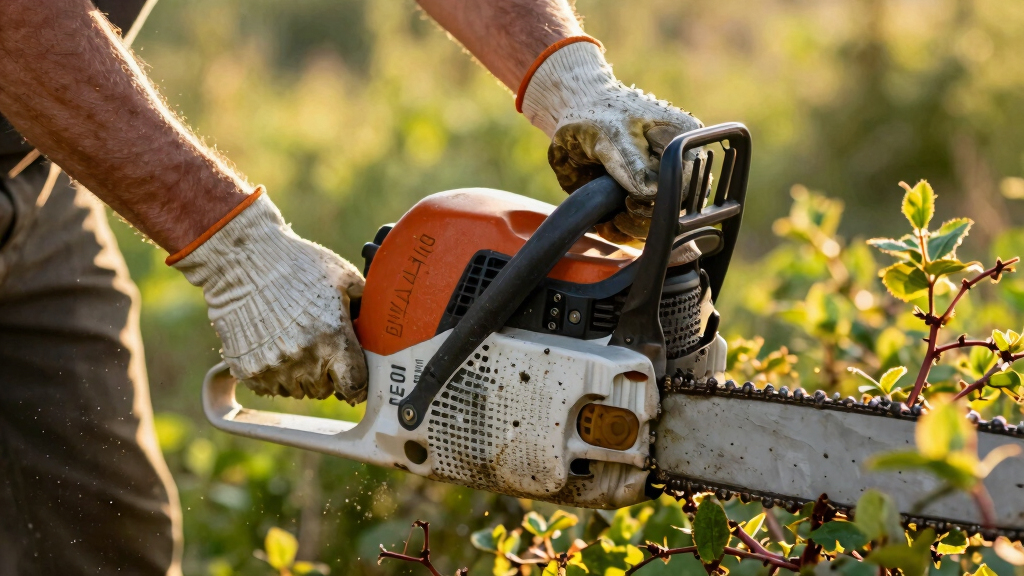
Chainsaw gloves aren’t just a nice-to-have—they’re a must for anyone handling a chainsaw. They’re designed to protect your hands from blades that spin at 2,900 RPM or more, with teeth sharp enough to cut steel. The key is cut resistance, often rated from A to F under EN 388 standards.
Understanding why cut resistance matters helps you appreciate the importance of choosing gloves that can withstand accidental slips. For instance, a glove with a D rating indicates it can resist cuts from blades exerting a certain force, which could be the difference between a minor scrape and a severe injury. Reinforced palms and fingertips are equally vital—they absorb impacts, prevent abrasions from rough logs, and protect against debris that could otherwise cause cuts or punctures.
Opting for gloves with Kevlar or Dyneema fibers isn’t just about durability; it’s about creating a barrier that can prevent deep lacerations, which can have long-term consequences. However, higher cut resistance ratings often mean stiffer gloves, which can impede dexterity—so understanding the tradeoff between protection and maneuverability is crucial. Gloves that strike this balance enable you to work safely without sacrificing the tactile control needed for precise cuts or handling tools.
Ultimately, choosing the right level of reinforcement and cut resistance reduces the risk of injury during slips or unexpected contact with the chain, making your work safer and more efficient.
cut resistant chainsaw work gloves
As an affiliate, we earn on qualifying purchases.
As an affiliate, we earn on qualifying purchases.
How to Pick Thorn-Resistant Gloves That Actually Work
Thorn-resistant gloves are essential when working in environments with dense, prickly vegetation. Their primary purpose is to prevent puncture wounds and scratches that can lead to infections or hinder your ability to work efficiently. But not all thorn gloves are equally effective—some may offer superficial protection, while others provide a real barrier against sharp points.
Effective thorn gloves incorporate high-quality fibers or coatings, such as Kevlar or reinforced synthetic fabrics, that distribute the force of a thorn impact over a broader area. This reduces the likelihood of puncture, but it also impacts flexibility. Overly stiff gloves might protect better but can make delicate tasks like pruning or harvesting more difficult, leading to fatigue or decreased precision. Conversely, gloves that are too thin may offer insufficient protection, risking injury.
Choosing the right balance involves understanding the level of thorn resistance needed versus the dexterity required. For example, a gardener pruning roses needs a glove that can withstand multiple punctures without sacrificing tactile sensitivity. Gloves with textured palms or fingertips enhance grip, preventing slips that could cause accidents. Remember, the goal is not just protection but also maintaining control and comfort during prolonged work. Investing in high-quality thorn-resistant gloves tailored to your specific tasks can prevent injuries, reduce fatigue, and improve overall productivity.
In summary, selecting thorn gloves that provide adequate puncture resistance while preserving flexibility ensures safety without sacrificing work quality. Consider the types of plants you’re handling and choose gloves that match the level of prickliness involved.
As an affiliate, we earn on qualifying purchases.
Vibration-Reducing Gloves: How They Protect Your Hands During Long Days
Vibration gloves are more than just comfortable accessories—they are a critical safety feature for anyone using power tools for extended periods. The harmful vibrations from chainsaws, grinders, and hedge trimmers can cause Hand-Arm Vibration Syndrome (HAVS), a condition that can lead to numbness, tingling, reduced grip strength, and even permanent nerve damage. Understanding the implications of vibration exposure underscores why investing in proper gloves matters.
Prolonged exposure to vibrations damages blood vessels and nerves in the hands, which can impair fine motor skills and cause chronic pain. Vibration-dampening gloves incorporate gel padding or specialized foam layers that act as a barrier, absorbing and dispersing the energy before it reaches your skin and tissues. This not only reduces immediate fatigue but also helps prevent long-term injuries associated with repetitive vibration exposure. For example, a landscaper working six hours straight with a hedge trimmer noticed that wearing gel-padded vibration gloves significantly reduced hand numbness and fatigue compared to standard gloves. This highlights how these gloves can help maintain hand health over time.
However, vibration-reducing gloves are not a standalone solution. Their effectiveness is maximized when combined with ergonomic tool handling, regular breaks, and proper maintenance of equipment. They serve as a crucial component of a comprehensive safety strategy, decreasing the cumulative impact of vibrations and helping you work longer without discomfort or injury.
Choosing the right gloves involves considering the level of vibration your tools produce and matching that with gloves designed to absorb those specific frequencies. Proper use and maintenance ensure these gloves continue to provide optimal protection, extending their lifespan and your safety.
As an affiliate, we earn on qualifying purchases.
Winter Duty Gloves: Staying Warm Without Sacrificing Grip
Winter gloves must do more than keep your hands warm—they need to enable you to work effectively in challenging cold conditions. Insulated gloves with waterproof membranes, such as Gore-Tex, are a good choice because they block cold air and moisture while allowing sweat and excess heat to escape, preventing your hands from becoming damp and cold from within. This moisture management is critical because trapped sweat can lead to rapid cooling and frostbite, even if the glove’s insulation seems adequate.
Choosing gloves with the right insulation involves understanding the tradeoff between warmth and dexterity. For instance, gloves lined with Thinsulate offer excellent insulation without excessive bulk, allowing for better grip and control. Textured palms or silicone grips further enhance handling, especially in wet or icy conditions. Imagine a snow removal crew in Minnesota—they wear thick, insulated gloves lined with fleece, combined with textured palms for a secure grip on shovels and snow blowers. Their hands stay warm at -10°F, and they can perform tasks efficiently without risking frostbite or losing control of their tools.
Properly selected winter gloves enable longer outdoor work sessions, reduce fatigue, and prevent cold-related injuries. Investing in high-quality gloves that balance insulation, waterproofing, and grip ensures safety, comfort, and productivity in harsh winter environments. Remember, the right glove can make all the difference between a productive day and a frostbite emergency.
As an affiliate, we earn on qualifying purchases.
Comparing the Features: Which Gloves Fit Your Job Best?
| Feature | Chainsaw Gloves | Thorn-Resistant Gloves | Vibration-Reducing Gloves | Winter Duty Gloves |
|---|---|---|---|---|
| Primary protection | Cut &abrasion resistance, reinforced palms | Puncture & scratch resistance from thorns | Vibration dampening, gel or foam padding | Insulation, waterproofing, grip |
| Material focus | Kevlar, Dyneema, leather | Thorn-resistant fibers, coatings | Gel inserts, foam layers | Fleece, Thinsulate, Gore-Tex |
| Best use case | Chainsaw work, logging | Pruning, berry picking, brush clearing | Long hours with vibrating tools | Cold outdoor work, winter chores |
Matching glove features to your specific task is essential because it directly impacts safety, comfort, and efficiency. For example, choosing a glove with high cut resistance for chainsaw work minimizes the risk of severe injury if the saw slips. Thorn-resistant gloves prevent puncture wounds and scratches during dense brush work, reducing infection risk and enabling longer, more comfortable sessions. Vibration gloves protect against long-term nerve and blood vessel damage when using vibrating tools continuously, helping to prevent conditions like HAVS. For winter chores, gloves that combine insulation, waterproofing, and grip allow for prolonged outdoor activity without risking frostbite or loss of control. Recognizing these distinctions and selecting gloves with appropriate features ensures you’re protected, comfortable, and productive during your specific tasks.
Action Steps: How to Choose and Maintain Your Work Gloves
- Identify your main hazards: cuts, thorns, vibration, cold. Recognizing the specific risks helps you select gloves that provide the right protection, rather than generic options that may leave gaps in safety.
- Check safety standards like EN 388 and EN 381 for protection ratings. These standards are designed to quantify glove performance, but understanding what each rating means allows you to choose gloves that truly match your hazard level.
- Select gloves with appropriate features—cut resistance for chainsaws, thorn resistance for bushes, gel padding for vibrations, insulation for winter. Prioritize features based on your most common tasks, but don’t overlook the importance of comfort and fit, which influence how often you’ll wear your gloves and how well they protect.
- Test fit for comfort and dexterity—your gloves should be snug but not tight. Gloves that are too loose can slip, reducing control and safety, while overly tight gloves restrict movement and circulation, increasing fatigue and risk of injury.
- Maintain your gloves: wash as per instructions, inspect regularly for tears or wear, and replace when damaged. Proper maintenance extends glove lifespan and ensures safety features remain effective. Neglecting this can lead to unnoticed damage, increasing injury risk during critical tasks.
For example, a forestry worker replacing his gloves after six months noticed a tear in his favorite pair. Switching early saved him from a nasty cut during his next logging day. Regular inspection and timely replacement are simple steps that significantly improve safety and durability.
Frequently Asked Questions
How do I know if my work gloves are rated for my task?
Check the glove’s safety labels and standards like EN 388 for cut resistance or EN 381 for chainsaw protection. Ratings indicate the level of protection—higher is better for hazardous jobs.Can I wear the same gloves for multiple tasks?
While some gloves offer multiple features, it’s best to use task-specific gloves. Combining gloves with different protections ensures maximum safety and durability.How often should I replace work gloves?
Inspect gloves regularly—look for tears, thinning, or loss of grip. Replace them immediately when damaged to keep your hands protected during demanding tasks.Are vibration-reducing gloves effective for long-term injury prevention?
Yes, they significantly reduce hand fatigue and vibration exposure, but they work best as part of a broader safety strategy including breaks and proper tool maintenance.Can winter gloves be used for other outdoor work?
Many winter gloves also provide waterproofing and good grip, making them suitable for various outdoor tasks beyond cold weather, like snow removal or outdoor maintenance.Conclusion
The right gloves aren’t just a layer of fabric—they’re your frontline defense. Picking the right pair based on your task boosts safety, keeps you comfortable, and gets the job done faster. Never underestimate the power of proper gear in protecting your most valuable tool: your hands.
Next time you gear up, think about exactly what hazards you’ll face. Your hands will thank you with every safe cut, scratch-free puncture, and warm winter day.
Flea & tick season Picks
flea and tick prevention
As an affiliate, we earn on qualifying purchases.