TL;DR

Get business pricing on tools and workshop supplies
- Business-only prices and quantity discounts
- Tax-exempt purchasing
- Multiple users, one account, clear invoices
For a two-hour snow-clearing session, wear a moisture-wicking base layer, an insulating midlayer, and a wind- and water-resistant shell you can vent or remove as your effort changes. Skip cotton next to your skin, carry dry gloves and socks when conditions are wet, and take breaks before you become overheated or chilled. Clothing helps with cold exposure, but it does not remove the strain of snow removal.
You can start a snowy morning bundled for standing still, then be sweating hard by the time you’ve cleared the first stretch of driveway. That damp base layer often becomes a problem later, when you slow down to scrape steps or stop to rest and cold air reaches your back.
For a two-hour clearing session, dress for the shovel, snow blower, or snow thrower work you’ll actually do—not just the temperature on your phone. You’ll learn how to build three adjustable layers, spot overheating early, and protect your hands and feet without cutting off movement.
There’s no single outfit for every storm. Dry powder, wet snow, gusty wind, your pace, and how much ground you need to clear all change the call. Think of your layers as a set of controls: adjust them as the job shifts, and you can work without letting sweat soak your next warm spell away.
Start slightly cool, since shoveling and snow blowing can warm you quickly.
Use a moisture-wicking base, an insulating midlayer, and a shell you can vent.
Choose synthetic or wool next to your skin; cotton holds moisture and dries slowly.
Open vents or remove insulation as soon as you feel yourself overheating, then re-layer before a break leaves you chilled.
Carry dry gloves and socks for wet or lengthy work, and stop for alarming symptoms such as chest pain or faintness.
Layer for snow removal Stay dry through the work
Shoveling and snow blowing warm you quickly, while sweat can leave you chilled when you slow down. Adjust layers to your effort and the conditions.
Build a flexible system
Each layer has a job; keep the fit comfortable enough to move and adjust.
Choose synthetic fabric or wool to move moisture away from your skin. Skip cotton, which absorbs sweat and dries slowly.
A light fleece adds warmth. Remove or add insulation as your effort and the weather change.
Block wind and snow with a shell you can vent or remove when you heat up.
Match clothing to conditions
Snow, wind, and workload all affect what will keep you comfortable.
| Conditions or task | Prioritize | Watch for |
|---|---|---|
| Cold, dry powder | Wicking base and light insulation | Overheating during shovel lifts |
| Wet, heavy snow | Water-resistant shell and pants | Damp cuffs, gloves, and socks |
| Windy driveway | Wind-blocking shell with easy vents | Cooling quickly during pauses |
| Deep snow or high effort | Free-moving layers and sustainable pace | Heavy sweating from rushing |
Adjust before sweat builds
Start slightly cool and respond as the work changes.
Ease into the work
Shoveling and snow blowing raise body heat. If you are already sweating before hard work, vent or remove insulation.
Act when you feel warm
Open a zipper or vents, remove a hat, or take off a layer. Re-layer before you cool down.
Check and reset
Take a sheltered break when overheated, fatigued, or chilled. Remove damp layers if possible and drink water.
Protect hands and feet
Wet conditions and long work can make spare dry gear useful.
- Wear warm, breathable socks and insulated, waterproof boots with good traction.
- Mittens are often warmer than gloves; a thin liner can help with dexterity.
- Carry dry gloves and socks for wet or lengthy work.
- Choose a hat or headband that is easy to remove as you warm up.
Why starting a little cool can keep you comfortable later
Layering for snow removal means wearing adjustable clothing that moves sweat away from your skin, traps enough warmth, and blocks weather without holding too much heat. You’ll usually feel more comfortable starting slightly cool because shoveling and snow blowing warm your body quickly. A padded jacket that feels cozy at the door can become a damp, heavy trap after ten minutes of lifting.
Think of the first few minutes as warming an engine. You don’t want to begin shivering, but you also don’t need to feel toasty before you start. If you’re clearing a short walkway by hand, the lifting may raise your effort fast; if you’re guiding a powered machine along a long driveway, you may spend more time walking and less time heaving.
A practical check: stand outside for a few minutes before you begin. If you feel a little cool but can move your arms freely, you have room to warm up. If you’re already sweating while loading the shovel or starting a snow blower, open a vent or remove insulation before the hard work begins.
The before-and-after can be striking: the person who starts in a heavy parka may soon be unzipping it with wet cuffs, while the person who starts in three lighter layers can adjust one piece at a time. Comfort comes from control, not piling on the thickest coat you own.
Popular right now

Roborock Q7 M5+ Robot Vacuum and Mop with Self-Emptying Dock

Dyson Cyclone V10 Origin Cordless Vacuum

KitchenAid 5.5-Qt Bowl-Lift Stand Mixer, Porcelain White (KSM55SXXX)
As an affiliate, we earn on qualifying purchases.
Build three layers you can adjust as the storm changes
For a long clearing session, use a moisture-wicking base, an insulating midlayer, and a weather-resistant shell that blocks wind and snow. Each layer does a different job, like parts of a roof: the base moves moisture from your skin, the middle holds warmth, and the outer layer sheds weather. None works well if the whole setup is too tight to move or too warm for your pace.
A thin synthetic shirt or wool top makes a sensible base. A light fleece can add warmth without the bulk of a thick sweater, and a shell can protect you from blowing snow. In cold, dry weather, you may need more insulation; during wet snowfall, a shell and pants that resist moisture matter more because damp fabric can leave you chilled when you pause.
Skip cotton next to your skin when staying warm and dry matters. Cotton absorbs sweat and dries slowly, so a soaked T-shirt can cling like a cold dishcloth against your back. For example, if you clear a short, steep driveway with a shovel, a cotton undershirt may be damp before the first break; a synthetic or wool base layer can move moisture away more effectively.
Use the layers as a flexible system rather than trusting a label that promises breathability. Fit, snow conditions, exertion, and your ability to open vents still matter. A shell that blocks wind but has usable zippers can work better than a supposedly advanced jacket that you can’t vent without stopping the job.
How to manage sweat before it soaks your base layer
To manage sweat during a two-hour snow-clearing session, vent or remove insulation as soon as you notice yourself getting too warm, then add it back before you cool down. Start by opening a zipper or pit vents; if you’re still heating up, remove the midlayer during a sheltered pause. Waiting until sweat runs down your back usually means you’ve already lost the easiest chance to stay dry.
- Start with an easy pace for the first few minutes and notice how quickly you warm up.
- Vent early by opening your shell or loosening a zipper when your back and chest begin to feel hot.
- Lower the effort if you’re breathing hard or making repeated heavy lifts; smaller loads can slow sweat buildup.
- Use a sheltered break to remove a damp layer if you can, drink water, and put warmth back on before you feel chilled.
- Change into dry fabric if your base layer gets wet and you’re facing a long pause or finished working.
Picture a two-hour job with a narrow front walk, a set of steps, and a long drive. You might shovel the steps at a high effort, then shift to a slower machine pass across the drive; one fixed clothing setup can feel too hot in the first part and too cold during a break later. Adjust the pace and vents as the work changes.
Shorter intervals can help, but there’s no universal break schedule. Take a pause when you feel overheated, fatigued, or chilled, and use it to check for damp clothing. Cold can make thirst less noticeable, so drink water during breaks rather than waiting until you feel parched.
Choose the right setup for dry powder, wet snow, and wind
The best snow-clearing outfit changes with the snow and your workload: dry powder can call for less weather protection, while wet snow and wind make a reliable shell and weather-resistant pants more useful. Match the outfit to both the forecast and the job. A sheltered walkway and an exposed, long driveway don’t create the same demands, even on the same morning.
| Conditions or task | What to prioritize | What to watch |
|---|---|---|
| Cold, dry powder | Wicking base, light insulation, wind-blocking shell | Overheating during repeated shovel lifts |
| Wet, heavy snow | Water-resistant shell and pants, moisture-managing base | Damp cuffs, gloves, and socks |
| Windy driveway | Shell that blocks wind, easy-to-adjust vents | Cooling quickly when you stop or turn into gusts |
| Deep snow or high effort | Free-moving layers and a sustainable pace | Heavy sweating from oversized loads or rushing |
For example, a light fleece under a shell may suit a dry morning when you’re walking behind a snow blower. If you’re throwing dense, wet snow off a path by hand, that same fleece might feel too warm at first, while waterproof outerwear becomes more valuable as snow packs against your legs.
There’s no universal temperature or clothing combination that works for everyone. Check the local forecast, account for wind and precipitation, and adjust for your own effort and comfort. Breathable fabrics can help, but they don’t cancel out a hard pace or a shell that traps heat.
Protect hands, feet, and head without trapping excess heat
Keep your hands, feet, and head warm with gear that fits well and lets you adjust as your body heats up. Mittens generally hold more warmth than gloves because fingers share heat, while gloves make it easier to handle a shovel grip or equipment controls. A thin liner under either option can add flexibility when you need dexterity.
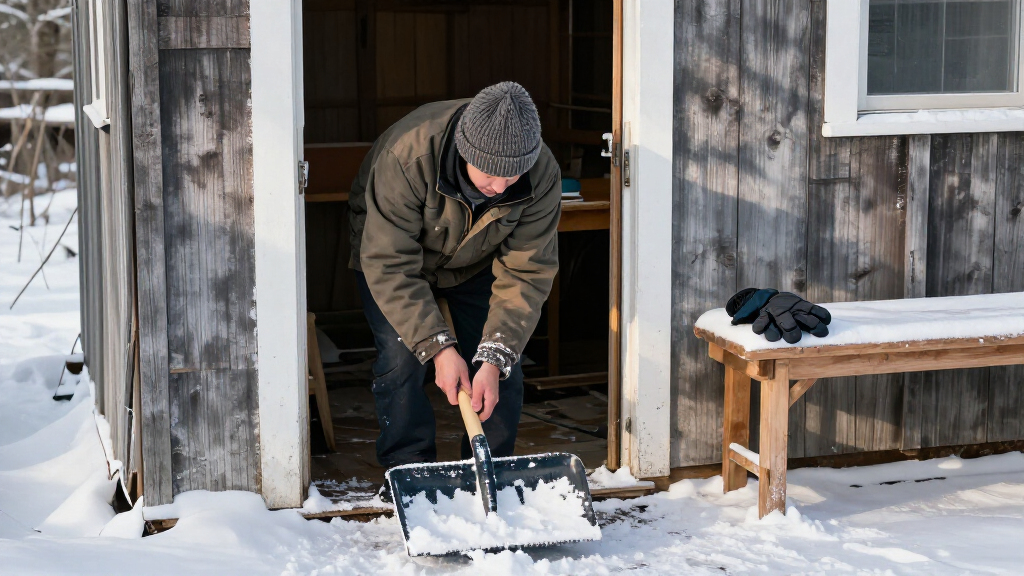
Bring a spare dry pair of gloves if the forecast calls for wet snow or you expect a long session. When the first pair gets damp from snow or sweat, changing can make a bigger difference than adding a bulky jacket. For a real example, someone clearing a porch and drive by hand may get wet gloves from repeatedly grabbing packed snow; that cold, damp grip can make an already tiring job less comfortable.
For your feet, choose insulated, waterproof boots with traction and socks that manage moisture. Avoid packing so many socks into a boot that your toes feel squeezed; cramped feet can feel colder. In deep snow, snow pants can help keep wet flakes off your legs, but check that the cut lets you bend and step freely.
A hat or headband should be easy to remove. If your forehead feels hot while your chest still feels comfortable, adjusting headwear may help you shed heat without removing a full layer. Keep your footing in mind too: clothing won’t compensate for slick steps, so take care on icy surfaces and use appropriate footwear.
Plan breaks around the hard parts of the job
A good break helps you recover before damp clothes and fatigue turn a manageable job into a miserable one. For a two-hour clearing session, expect your workload to change: clearing deep drifts may demand repeated heavy lifts, while scraping a deck or guiding a machine through a light dusting may leave you cooling down. Pause when your body or clothing tells you to, rather than waiting for a fixed timer.
Use a sheltered spot, check whether your base layer or gloves are damp, and drink water. If you’re wet, remove a layer if practical and change into dry clothing before standing still for long. A spare pair of socks takes little space but can matter after a boot fills with slush while you clear the bottom step.
There’s a physical limit clothing can’t solve. Snow removal can put significant strain on your heart, especially if strenuous exercise is unfamiliar to you or you have cardiovascular risk factors. According to the safety guidance in this article’s research brief, stop and seek urgent help for chest pain, faintness, unusual shortness of breath, or other alarming symptoms; follow medical advice for your own health concerns.
Stop work and seek urgent help if you develop chest pain, faintness, or unusual shortness of breath. Warm layers can help with cold exposure; they do not make heavy exertion safe for everyone.
For instance, if you’re clearing a long drive alone after a heavy overnight snowfall, reduce the size of each shovel load and take a sheltered pause before fatigue changes your balance or judgment. The goal is steady, controlled work—not a race to expose every square foot at once.
Frequently Asked Questions
How many layers should I wear to clear snow?
Start with three: a moisture-wicking base, an insulating midlayer, and a wind- and water-resistant shell. Adjust them for the forecast and how hard you’re working; a shovel session may heat you faster than walking behind a snow blower.
Should I feel warm before I start shoveling?
You’ll often be more comfortable starting slightly cool, since exertion raises your body temperature. If you’re already sweating before you begin, open a vent or remove insulation before the heavy work starts.
What fabric should I wear next to my skin?
Choose a synthetic performance fabric or wool to help move moisture away from your skin. Cotton absorbs sweat and dries slowly, so a damp cotton shirt can feel cold during a rest or lighter stretch of work.
How do I stop getting sweaty while removing snow?
Set a sustainable pace and open vents or loosen a zipper as soon as you feel too warm. If you’re still heating up, remove a layer during a sheltered pause; don’t wait until your base layer is soaked.
What should I do if my base layer gets wet?
Change into a dry base layer if you can, especially before a long break or when you finish working. Carry spare gloves and socks too if you’ll be handling wet snow or working for a long stretch.
Are mittens warmer than gloves for snow removal?
Mittens generally hold more warmth because your fingers share heat, while gloves offer better dexterity for a shovel grip or equipment controls. A thin liner can add comfort and flexibility under either option.
Can the right layers make snow removal safe for everyone?
No. Clothing helps manage cold and moisture, but snow removal still puts physical strain on your body, especially during heavy work. If you have health concerns, follow medical advice; stop and seek urgent help for chest pain, faintness, or unusual shortness of breath.
Conclusion
For your next two-hour clearing session, build three adjustable layers, skip cotton next to your skin, and vent before sweat builds up. Keep dry gloves and socks nearby if wet snow is in the forecast, and take a break when fatigue, heat, or damp clothing starts changing how you feel.
Dress to work, then adjust as the storm and your pace change. A dry base layer and a steady shovel rhythm beat a soaked shirt under the warmest coat in the shed.