

Among these corded circular saws, my best overall pick is the DEWALT DWE575: its familiar 7-1/4-inch format suits a wide range of cuts without the extra weight and complexity of a worm drive. The SKILSAW SPT77W-01 is a stronger fit for demanding framing work, while the Evolution R185CCS stands out for buyers who want one saw to handle more than wood. The main tradeoffs are cutting power versus weight, standard wood-cutting versatility versus specialty blade needs, and a full-size saw versus a compact model. Corded power keeps runtime simple, but the cord affects movement and worksite setup. Read on for how the 15 options compare and which one fits your projects.

Get business pricing on tools and workshop supplies
- Business-only prices and quantity discounts
- Tax-exempt purchasing
- Multiple users, one account, clear invoices
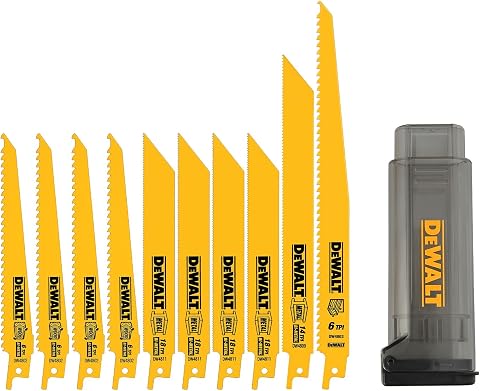
Complete the kit


Key Takeaways
- The DEWALT DWE575 is the most balanced choice. It keeps the familiar 7-1/4-inch format and broad usefulness without the heavier worm-drive design of the SKILSAW SPT77W-01.
- Worm-drive models target demanding work, not every buyer. The SPT77W-01 and lighter SPT77WML-01 prioritize torque-oriented framing performance, while sidewinders such as the SKILSAW SPT67WL-01 favor a more familiar, compact layout.
- A brake changes the stopping experience, not the cutting job. The DEWALT DWE575SB adds an electric brake compared with the DWE575; buyers should weigh that convenience against their need for a standard model.
- Blade size and intended material matter more than wattage alone. The full-size 7-1/4-inch saws suit common construction cuts, the SEESII is built for smaller tasks, and the Evolution is the lineup’s multi-material specialist.
- Several budget-oriented saws overlap, so usability separates them. The DEKOPRO 1200W models differ by blade diameter, while SKIL‘s 5080-01, 5180-01, and 5280-01 offer distinct power and guide-feature combinations rather than one clear upgrade path.



| corded circular saw | Motor | Blade diameter | Weight | Voltage |
|---|---|---|---|---|
| DEWALT DWE575 7-1/4-Inch Corde | 15 A | 7-1/4 inches | — | 120 V |
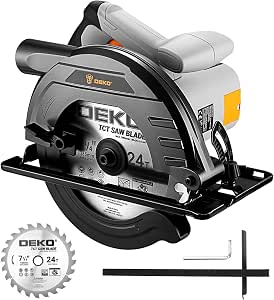
| DEKOPRO 1200W Circular Saw wit | — | 185 mm | — | — |
| GALAX PRO 11A Corded Circular | — | 7.25 inches | — | — |
| SKIL 14-Amp 7-1/4-Inch Circula | 14 A | — | 7.2 lbs | 120 V |
| Evolution Power Tools R185CCS | 15 A | 7.25 inches | 9.4 pounds | 120 V |
| SKILSAW SPT77W-01 15-Amp 7-1/4 | 15-amp Dual-Field | 7-1/4 inches | 14.2 pounds without blade, cord, and wrench | — |
| DEWALT DWE575SB 7-1/4-Inch Cor | 15 A | — | 8.8 pounds | 120 V |
| SKILSAW SPT67WL-01 15-Amp 7-1/ | 15 A | — | 8.6 pounds | 120 V |
| SEESII Mini Circular Saw | 4.8 A | — | 4.7 pounds | 120 V |
| DEKOPRO 1200W Corded Circular | — | 165 mm | — | — |
| Makita 5007F 7-1/4-Inch Circul | 15 A | 7-1/4 inches | 6.17 kg | — |
| SKILSAW SPT77WML-01 15-Amp 7-1 | — | 7-1/4 inches | 11.5 pounds | 120 V |
| SKIL 5280-01 15-Amp 7-1/4-Inch | 15 A | 7-1/4 inches | 8.7 pounds | — |
| Bosch CS10 7-1/4-Inch Circular | 15 A | 7-1/4 inches | 10.2 pounds | — |
| SKIL 5080-01 13-Amp 7-1/4-Inch | 13 A | 7-1/4 inches | 7 pounds | 120 V |
More Details on Our Top Picks
DEWALT DWE575 7-1/4-Inch Corded Circular Saw
The DEWALT DWE575 is my strongest all-around choice here for buyers who want a full-size, 15-amp corded saw without giving up maneuverability. Its 7-1/4-inch blade and stated 2-9/16-inch maximum depth suit common framing and sheet-goods cuts, while the aluminum base keeps the design focused on practical job-site use. The integrated dust blower can help keep the cut line visible; the SKIL 5180-01 also has one, but the DEWALT offers a larger stated bevel range at 57 degrees. Its tradeoff is imperfect product data: listed weights conflict, as do blade-size details, so I would verify the exact package before buying. Compared with the specialized Evolution R185CCS, this is the more conventional wood-cutting pick, not the choice for switching among materials.
Pros:- 15-amp motor and 7-1/4-inch blade suit demanding general cutting tasks.
- Stated 2-9/16-inch cutting depth handles many common lumber cuts.
- 57-degree bevel capacity offers more angle range than the SKIL 5180-01’s 51 degrees.
- Integrated dust blower helps keep the cutting line visible.
Cons:- Product information gives conflicting weights of 8.8 pounds and 5.6 pounds.
- One product detail lists a 4-inch blade, conflicting with the stated 7-1/4-inch blade.
- The cord limits reach compared with a cordless saw.
Best for: DIYers and remodelers who want a full-size 15-amp saw for regular lumber and plywood cuts, with bevel flexibility.
Not ideal for: Buyers who need verified package details or one saw for cutting wood, metal, and plastic; the supplied data has conflicting weight and blade information, and the Evolution R185CCS is designed for mixed materials.
- Motor:15 A
- Voltage:120 V
- No-load speed:4500 rpm
- Blade diameter:7-1/4 inches
- Maximum cutting depth:2-9/16 inches
- Bevel capacity:57 degrees
- Base material:Aluminum
- Listed weight:Conflicting listings: 8.8 lbs and 5.6 lbs
Our verdict“Choose the DWE575 for a versatile, full-size wood-cutting saw, but confirm the weight and included blade details with the seller.”
DEKOPRO 1200W Circular Saw with 185mm 24-Tooth Blade
The DEKOPRO DKPCCS0026 suits buyers who want useful cutting capacity and basic accessories in a straightforward corded package. Its 1200-watt motor runs at a listed 4800 RPM, and the saw reaches 65 mm at 90 degrees or 43 mm at 45 degrees—practical figures for many home projects. The included straight guide is a welcome aid for repeat cuts, while the double protection switch and non-slip handle add useful control features. Compared with the DEWALT DWE575, its stated bevel range stops at 45 degrees and its steel base signals a more basic setup; compared with the GALAX PRO, it also has a lower listed motor speed. I would weigh those limits against its included guide and metric depth specs. Conflicting power-source details and unhelpful dimensions make the listing less dependable.
Pros:- 1200-watt motor with a listed speed of 4800 RPM.
- Maximum depth is listed as 65 mm at 90 degrees and 43 mm at 45 degrees.
- Includes a straight cutting guide and hex wrench.
- Double protection switch and non-slip handle support controlled operation.
Cons:- Bevel range is limited to 45 degrees, narrower than the DEWALT DWE575’s stated 57 degrees.
- Product information inconsistently describes the power source as hand powered despite identifying the saw as corded.
- Listed dimensions of 20 × 20 × 20 inches may not help buyers judge its actual size.
Best for: DIY homeowners who need a corded saw for occasional lumber or PVC cuts and want a straight-cut guide included.
Not ideal for: Frequent users who need wider bevel adjustment, clearly documented product details, or a saw with a proven 15-amp specification.
- Model:DKPCCS0026
- Power:1200 W
- Power source:Corded (product details also contain a conflicting hand-powered listing)
- Speed:4800 RPM
- Blade diameter:185 mm
- Blade teeth:24
- Maximum depth at 90 degrees:65 mm
- Maximum depth at 45 degrees:43 mm
Our verdict“Pick the DEKOPRO for occasional home cuts where its included guide and stated cutting depth matter more than a broader bevel range or clearer listing data.”
GALAX PRO 11A Corded Circular Saw, 1400W, 7.25-Inch Blade, Adjustable Depth and Bevel
For buyers who put a high listed blade speed near the top of their checklist, the GALAX PRO 76346-3 is the standout in this group: its 1400-watt motor is rated at 6000 RPM. It pairs that speed with a 7.25-inch blade, depth adjustment to 2-7/16 inches at 90 degrees, and bevel cuts up to 45 degrees. A rip guide and blade wrench are included, so the package is ready for guided straight cuts without sourcing those items separately. Compared with the DEKOPRO DKPCCS0026, the GALAX PRO has a higher stated speed and power, while the DEWALT DWE575 provides a wider listed bevel range and greater maximum depth. Its 11-amp rating is also below those 15-amp options, and the listing gives no dust-control performance details. The cord still ties work to an outlet.
Pros:- 1400-watt, 11-amp motor has a listed no-load speed of 6000 RPM.
- Adjustable depth reaches 2-7/16 inches at 90 degrees.
- Bevel adjustment covers 0 to 45 degrees.
- Includes a 24-tooth TCT blade, rip guide, and Allen wrench.
Cons:- Its 45-degree bevel limit is narrower than the DEWALT DWE575’s stated 57-degree capacity.
- The 11-amp rating is lower than the 15-amp motors listed for the DEWALT DWE575 and Evolution R185CCS.
- No dust collection or dust blower performance details are provided.
Best for: DIYers making frequent straight or angled wood cuts who value a high listed no-load speed and an included rip guide.
Not ideal for: Buyers who need more than 45 degrees of bevel, the greatest stated cutting depth, or detailed dust-control information.
- Motor power:1400 W (11 A)
- No-load speed:6000 RPM
- Blade diameter:7.25 inches
- Blade teeth:24
- Maximum depth at 90 degrees:2-7/16 inches (62 mm)
- Maximum depth at 45 degrees:1-13/16 inches (48 mm)
- Bevel range:0–45 degrees
- Included components:24-tooth TCT blade, Allen wrench, rip guide, user manual
Our verdict“Choose the GALAX PRO if a high listed RPM and included rip guide matter more than a 15-amp motor or wider bevel capacity.”
SKIL 14-Amp 7-1/4-Inch Circular Saw (5180-01)
The SKIL 5180-01 makes sense for newer DIYers who want a familiar full-size corded saw without a complicated feature set. Its 14-amp motor and 7-1/4-inch blade are suited to lumber and plywood projects, while the dust blower helps keep the cut line in view. The 7.2-pound listed weight is lighter than the Evolution R185CCS at 9.4 pounds, a difference that may matter during repeated overhead or bench cuts. A positive stop at 45 degrees gives beginners a clear reference point for common bevel work, though its total 51-degree capacity is less than the DEWALT DWE575’s stated 57 degrees. The included 20-tooth blade favors general cutting over finer finishes, so buyers doing trim work may want another blade. Like the other corded options, it needs an outlet nearby.
Pros:- 14-amp motor and 7-1/4-inch blade suit common home cutting projects.
- Listed weight of 7.2 pounds is lower than the Evolution R185CCS’s 9.4 pounds.
- Dust blower helps keep the cut line clear.
- Spindle lock simplifies blade changes, and the bevel has a positive stop at 45 degrees.
Cons:- The included 20-tooth blade may not suit finer or cleaner finish cuts.
- Its 51-degree bevel capacity is less than the DEWALT DWE575’s stated 57 degrees.
- Corded operation requires an outlet and limits movement around a worksite.
Best for: First-time DIYers and homeowners cutting framing lumber or plywood who value a manageable listed weight and simple bevel reference.
Not ideal for: Woodworkers seeking fine-finish cuts from the included blade, or users who need the wider bevel range or higher motor rating of the DEWALT DWE575.
- Motor:14 A
- Voltage:120 V
- Speed:5300 rpm
- Blade size:7-1/4 inches
- Included blade:20-tooth carbide
- Bevel capacity:51 degrees, with positive stop at 45 degrees
- Weight:7.2 lbs
- Special features:Dust blower, spindle lock
Our verdict“Choose the SKIL 5180-01 for approachable home-project cutting and easy blade changes, but plan on a different blade for finer work.”
Evolution Power Tools R185CCS 7-1/4-Inch Multi-Material Circular Saw
The Evolution R185CCS has a distinct job in this roundup: cutting more than wood without changing blades. Its 20-tooth TCT blade is described as suitable for mild steel, non-ferrous metals, wood, wood with embedded nails, and plastic, making it a better fit for mixed-material work than the wood-focused DEWALT DWE575 or SKIL 5180-01. The electronic brake is specified to stop the blade in under four seconds, adding a useful control feature between cuts. Its listed 15-amp motor matches the DEWALT’s amperage, but its 3700-rpm speed is lower than the other listed saws here. At 9.4 pounds, it is also the heaviest of these five by the available weight figures. Buyers focused on ordinary lumber cuts may prefer the lighter SKIL instead.
Pros:- 20-tooth TCT blade is specified for wood, embedded nails, plastic, mild steel, and non-ferrous metals.
- 15-amp motor provides a full-size corded saw’s stated power rating.
- Electronic brake is described as stopping the blade in under four seconds.
- Three-year limited warranty is listed.
Cons:- Listed speed of 3700 rpm is lower than the other four saws in this batch.
- At 9.4 pounds, it is heavier than the SKIL 5180-01 and the DEWALT’s lower listed weight figure.
- Product details provide no dust collection performance information.
Best for: Remodelers and fabricators who cut wood, plastic, and light metal and want one compatible blade for varied materials.
Not ideal for: Buyers mainly cutting lumber or plywood who prioritize a lighter saw, higher listed speed, or detailed dust-control information.
- Motor:15 A
- Voltage:120 V
- Wattage:1200 W
- Speed:3700 rpm
- Blade diameter:7.25 inches
- Blade teeth:20
- Weight:9.4 pounds
- Special feature and warranty:Electronic brake; 3-year limited warranty
Our verdict“Choose the R185CCS when mixed-material cutting matters more than speed or low weight; for wood-only work, the SKIL 5180-01 is the lighter option.”
SKILSAW SPT77W-01 15-Amp 7-1/4-Inch Worm Drive Circular Saw
The SPT77W-01 is the lineup’s worm-drive choice for buyers who want a saw built around jobsite cutting rather than minimum weight. Its 15-amp Dual-Field motor is designed to improve cooling and tool life, while the Cut Ready system makes depth adjustments quicker when moving between materials. A 51-degree bevel capacity and integrated saw hook add flexibility for angled cuts and rafter work. Compared with the lighter DEWALT DWE575SB, this SKILSAW is far heavier at 14.2 pounds before blade, cord, and wrench; that weight may be acceptable for stationary or intermittent work, but tiring for repeated overhead cuts. Choose it for worm-drive format and jobsite features, not for easy handling. The included 7-1/4-inch blade gets it ready for standard full-size tasks.
Pros:- 15-amp Dual-Field motor is designed to improve cooling and extend tool life.
- Cut Ready system supports quick depth adjustments.
- 51-degree bevel capacity handles a range of angled cuts.
- Integrated saw hook supports placement on rafters between cuts.
Cons:- At 14.2 pounds before blade, cord, and wrench, it is much heavier than the DEWALT DWE575SB.
- The listed 1-year warranty is shorter than some buyers may want for a jobsite tool.
Best for: Framing and carpentry buyers who want a worm-drive saw, quick depth adjustment, and a hook for rafter work.
Not ideal for: DIYers making frequent overhead or extended cuts who would benefit more from the 8.8-pound DEWALT DWE575SB.
- Motor:15-amp Dual-Field
- Blade diameter:7-1/4 inches
- Weight:14.2 pounds without blade, cord, and wrench
- Bevel capacity:51 degrees
- Blade teeth:24
- Depth adjustment:Cut Ready system
- Included:SPT77W-01 worm drive saw and 7-1/4-inch blade
- Warranty:1 year; 30-day money-back guarantee
Our verdict“Choose the SPT77W-01 if worm-drive format and jobsite features matter more to you than low weight.”
DEWALT DWE575SB 7-1/4-Inch Corded Circular Saw with Electric Brake
At 8.8 pounds, the DWE575SB is the practical full-size pick for buyers who want to reduce arm fatigue without giving up a 15-amp motor. Its electric brake stops the blade after the trigger is released, while the integrated dust blower helps keep the cut line clearer. The 57-degree bevel range is broader than the SKILSAW SPT77W-01’s 51 degrees, giving it more room for angled work. It also lists a 2-9/16-inch maximum cutting depth, useful when working with thicker stock. The tradeoff is that it remains a corded saw, so work areas need outlet access and cord management. Its weight is not as low as the SKILSAW SPT67WL-01’s 8.6 pounds, but the brake and deeper listed capacity make this a strong balance for varied full-size cutting.
Pros:- 8.8-pound weight is manageable for a full-size corded saw.
- Electric brake stops the blade after trigger release.
- 57-degree bevel capacity exceeds the SKILSAW SPT77W-01’s 51-degree range.
- Integrated dust blower helps clear debris from the cut line.
Cons:- The power cord limits work away from outlets and adds cord-management demands.
- Blade length is listed inconsistently in the source product details.
- Warranty information directs buyers to contact the vendor rather than stating a duration.
Best for: Remodelers and DIYers who want a full-size 15-amp saw that is easier to handle and has an electric brake.
Not ideal for: Buyers who need cordless freedom or the lightest full-size option; the SKILSAW SPT67WL-01 is slightly lighter.
- Motor:15 A
- Voltage:120 V
- Speed:5200 rpm
- Blade size:7-1/4 inches
- Maximum cutting depth:2-9/16 inches
- Bevel capacity:57°, with stops at 45° and 22.5°
- Weight:8.8 pounds
- Features:Electric brake, integrated dust blower, ball-bearing lower guard
Our verdict“Pick the DWE575SB if you want a comparatively light full-size saw with an electric brake and broad bevel range.”
SKILSAW SPT67WL-01 15-Amp 7-1/4-Inch Sidewinder Circular Saw
The SPT67WL-01 pairs a full-size 7-1/4-inch blade and 15-amp motor with an 8.6-pound body, making it a straightforward choice for buyers who want capacity without worm-drive weight. Its 56-degree bevel range is wider than the DEWALT DWE575SB’s stated 57-degree range? No: the DEWALT reaches 57 degrees, so this SKILSAW gives up one degree while retaining a positive stop at 45 degrees. The 10-foot cord offers useful reach around sheet goods, though it still needs an outlet and can snag. Compared with the compact SEESII mini saw, this is the better fit for standard full-size cuts; it is less suited to small, precise projects where low weight and a laser guide matter more. The source also gives conflicting blade-size information, so verify the package details before buying.
Pros:- 8.6-pound design is lighter than the DEWALT DWE575SB.
- 15-amp motor and full-size blade suit demanding standard cuts.
- 56-degree bevel capacity includes a positive stop at 45 degrees.
- 10-foot cord gives useful reach across sheet materials.
Cons:- Corded operation restricts work away from outlets and requires cord management.
- The blade size is inconsistent between the title and product information.
- Its bevel range is one degree narrower than the DEWALT DWE575SB’s stated 57 degrees.
Best for: Carpenters and home renovators who want a light, full-size sidewinder with a long cord and a 45-degree stop.
Not ideal for: Buyers who need cordless mobility, a stated electric brake, or a compact saw for shallow detail cuts.
- Motor:15 A
- Voltage:120 V
- Wattage:1800 W
- Speed:5300 rpm
- Blade size:7-1/4 inches in title; product information also lists 4 inches
- Weight:8.6 pounds
- Bevel capacity:56 degrees, with 45-degree stop
- Cord length:10 feet
Our verdict“Choose this SKILSAW for lightweight full-size sidewinder cutting, but confirm the blade specification before ordering.”
SEESII Mini Circular Saw, 4.8A Corded Compact Saw with Laser Guide
The SEESII takes a different route from the full-size DEWALT DWE575SB and SKILSAW SPT67WL-01: its 4.5-inch blade and 4.7-pound weight favor small, controlled jobs over deep cuts in framing lumber. A laser guide, guide rails, and adjustable depth help users follow shorter cuts and work with sheet goods, while three included blade types extend its reach to wood, soft metal, tile, and plastic. Its 45-degree bevel capacity adds flexibility, but cutting depth falls to 1-11/16 inches at 90 degrees and 1-1/8 inches at 45 degrees. That is substantially less than the full-size DEWALT’s listed 2-9/16-inch depth. Treat it as a compact project saw rather than a replacement for a standard circular saw; the cord also keeps it tied to outlet access.
Pros:- 4.7-pound weight is easier to maneuver for small projects than full-size saws.
- TCT, HSS, and diamond blades cover several material types.
- Laser guide and guide rails support straighter, controlled cuts.
- Adjustable depth and bevel settings add flexibility for compact work.
Cons:- Maximum cutting depth is limited compared with full-size 7-1/4-inch saws.
- Corded operation requires outlet access and restricts where it can be used.
- Its 4.8A motor is not aimed at the demanding work suited to 15-amp models.
Best for: DIYers and finish-project users making shallow cuts in wood, plastic, tile, or soft metal who value a light saw and guide features.
Not ideal for: Framers or remodelers who need full-size blade depth for thick lumber; the DEWALT DWE575SB has much greater listed cutting depth.
- Motor:4.8 A
- Voltage:120 V
- Wattage:580 W
- No-load speed:4000 RPM
- Blade size:4.5 inches
- Maximum cutting depth:1-11/16 inches at 90°; 1-1/8 inches at 45°
- Bevel capacity:0–45°
- Weight:4.7 pounds
- Included blades:TCT, HSS, and diamond
Our verdict“Pick the SEESII for shallow, varied-material project work, not as your main saw for full-depth framing cuts.”
DEKOPRO 1200W Corded Circular Saw with 165mm Blade
The DEKOPRO is a simpler full-size alternative to the feature-rich DEWALT DWE575SB: it supplies a 1200W motor, 165mm blade, and straight cutting guide for straightforward wood and PVC work. Its listed 55mm depth at 90 degrees and 33mm at 45 degrees give buyers a useful sense of its cutting range, while the steel base provides a solid platform. The double protection switch and ergonomic grip add basic handling and safety features, but the product data does not list an electric brake, dust blower, or the deeper capacity specified for the DEWALT. It may suit occasional home projects where a guide and included hex wrench are more valuable than premium features. The unusually large listed dimensions are another reason to check the product details before purchase.
Pros:- 1200W motor runs at a listed 4800 RPM.
- Straight cutting guide supports repeatable guided cuts.
- Adjustable depth supports cuts up to 55mm at 90 degrees and 33mm at 45 degrees.
- Double protection switch and ergonomic grip are included.
Cons:- Listed cutting depth is less than the DEWALT DWE575SB’s stated 2-9/16 inches at maximum depth.
- Product data does not list an electric brake or dust blower.
- Listed dimensions appear unusually large for a circular saw and may need verification.
Best for: Home DIYers making occasional guided cuts in wood or PVC who want a basic corded saw with a straight-edge guide.
Not ideal for: Frequent users who want a clearly documented full-size cutting depth, an electric brake, or the added features of the DEWALT DWE575SB.
- Motor power:1200 W
- No-load speed:4800 RPM
- Blade diameter:165 mm
- Blade teeth:24
- Maximum cut depth:55 mm at 90°; 33 mm at 45°
- Base material:Steel
- Included accessories:Straight cutting guide and hex wrench
- Safety feature:Double protection switch
Our verdict“Choose the DEKOPRO for occasional guided wood or PVC cuts, but compare its listed capacity and dimensions carefully with the DEWALT DWE575SB.”
Makita 5007F 7-1/4-Inch Circular Saw
The Makita 5007F pairs a 15-amp motor with a brisk 5,800 RPM speed, giving framing cuts a capable corded platform. Its two LED lights and dust blower address a practical problem: keeping the cut line visible when sawdust or dim work areas make layout marks harder to follow. The 2-3/8-inch depth at 90 degrees covers common dimensional-lumber cuts, while the 45-degree bevel range handles routine angled work. Compared with the SKIL 5280-01, the Makita forgoes a laser guide but offers a higher listed speed and an aluminum base designed for durability. The tradeoff is its listed 6.17 kg weight, which may feel tiring during long overhead or repetitive cuts, and its cord keeps it tied to an outlet.
Pros:- 15-amp motor and 5,800 RPM speed suit demanding wood-cutting tasks.
- Two LED lights and a dust blower help keep the cut line visible.
- 2-3/8-inch cutting depth at 90 degrees handles common framing lumber.
- Aluminum base and all-ball-bearing construction are designed for durability.
Cons:- Listed weight of 6.17 kg can make prolonged or overhead use tiring.
- Corded operation requires access to a power source.
- Maximum bevel is 45 degrees, less than the Bosch CS10’s 56-degree capacity.
Best for: Framing and renovation users who want strong cutting capacity and built-in lighting for work in dim or dusty areas.
Not ideal for: Buyers who prioritize a light saw for extended overhead work or need to cut far from an outlet.
- Model:5007F
- Blade diameter:7-1/4 inches
- Motor:15 A
- Speed:5,800 RPM
- Cutting capacity at 90°:2-3/8 inches
- Cutting capacity at 45°:1-3/4 inches
- Maximum bevel:45 degrees
- Weight:6.17 kg
Our verdict“Choose the Makita 5007F for framing cuts where visibility and a durable build matter more than low weight or a wide bevel range.”
SKILSAW SPT77WML-01 15-Amp 7-1/4-Inch Lightweight Worm Drive Circular Saw
The SKILSAW SPT77WML-01 is the worm-drive choice for buyers who want a 15-amp corded saw without taking on the weight associated with many heavy-duty builds. Its magnesium housing and 11.5-pound weight help make repeated cuts less burdensome, while the 53-degree bevel range gives it more angle flexibility than the Makita 5007F’s 45-degree limit. A cut-ready depth-of-cut system helps set depth for familiar cuts, and the anti-snag lower guard is useful when the blade meets short offcuts. This is still a substantial saw, not a compact option like the SKIL 5080-01, and the listed specifications do not give a cutting-depth figure to compare directly. Its cord also limits work away from an outlet.
Pros:- Magnesium housing keeps the listed weight to 11.5 pounds for a worm-drive saw.
- 15-amp motor is suited to demanding lumber cuts.
- 53-degree bevel capacity supports cuts beyond the usual 45-degree angle.
- Anti-snag lower guard helps the blade clear small cutoff pieces.
Cons:- Corded power restricts movement when outlets are distant.
- Larger worm-drive format is less suited to compact storage and light occasional work.
- Provided specifications do not state cutting depth.
Best for: Framing and jobsite users who want a worm-drive saw with a lighter magnesium build and frequent bevel-cut flexibility.
Not ideal for: Buyers seeking a small, simple saw for occasional household cuts, or anyone needing cordless mobility.
- Model:SPT77WML-01
- Power source:Corded electric
- Voltage:120 V
- Current:15 A
- Wattage:1,800 W
- Blade diameter:7-1/4 inches
- Maximum bevel:53 degrees
- Weight:11.5 pounds
- Housing material:Magnesium
Our verdict“Pick the SPT77WML-01 if you want worm-drive capability with a magnesium build and broad bevel range, but not a compact or cordless saw.”
SKIL 5280-01 15-Amp 7-1/4-Inch Circular Saw with Laser Guide
The SKIL 5280-01 makes cut-line guidance its main distinction: a laser guide and dust blower help show where the blade is headed and keep sawdust from obscuring the work. Its 15-amp motor runs at 5,300 RPM, and the 51-degree bevel range includes a positive stop at 45 degrees for a common angled setting. Compared with the Makita 5007F, it adds a laser and weighs a listed 8.7 pounds, but gives up some motor speed and the Makita’s stated 2-3/8-inch cutting capacity. The laser may need alignment, so it should be treated as a guide rather than a substitute for careful layout. This corded model suits wood and engineered wood, but is less convenient where outlets are hard to reach.
Pros:- 15-amp motor and 5,300 RPM speed support routine cutting in wood.
- Laser guide and dust blower help keep the intended cut path visible.
- 51-degree bevel capacity includes a positive stop at 45 degrees.
- Spindle lock simplifies blade changes.
Cons:- Laser alignment may need adjustment for precise work.
- Corded operation limits mobility around a jobsite.
- Listed speed is lower than the Makita 5007F’s 5,800 RPM, and no cutting-depth figure is provided.
Best for: DIYers and remodelers who want a lighter 15-amp saw with a laser guide for repeatable wood cuts.
Not ideal for: Users who need a stated deep-cut capacity, work far from outlets, or expect the laser to replace marking and setup.
- Model:5280-01
- Motor:15 A
- No-load speed:5,300 RPM
- Blade diameter:7-1/4 inches
- Blade:24-tooth carbide-tipped
- Bevel capacity:51 degrees, with positive stop at 45 degrees
- Weight:8.7 pounds
- Compatible materials:Engineered wood and wood
Our verdict“Choose the SKIL 5280-01 if visible cut guidance and a lighter build matter more than a documented deep-cut capacity.”
Bosch CS10 7-1/4-Inch Circular Saw
The Bosch CS10 stands apart for its 56-degree bevel capacity, the widest stated range in this group. That extra travel can help when a project calls for angles beyond a standard 45-degree bevel. Its 15-amp motor runs at 5,600 RPM, and the 2-7/16-inch maximum depth at 90 degrees gives it a slightly deeper stated cut than the Makita 5007F’s 2-3/8 inches. A dust-clearing blower helps keep the work line visible, while the included blade, wrench, and carrying bag make the package practical to move between jobs. At 10.2 pounds, it is heavier than the SKIL 5280-01, and the product information lists differing footplate materials, leaving that detail unclear.
Pros:- 56-degree bevel capacity exceeds the listed ranges of the other saws here.
- 2-7/16-inch cut depth at 90 degrees suits deep cuts in common lumber.
- 15-amp motor runs at 5,600 RPM.
- Includes a carbide-tipped blade, wrench, and carrying bag.
Cons:- At 10.2 pounds, it is heavier than the SKIL 5280-01.
- Corded operation restricts use away from an outlet.
- Product information gives conflicting descriptions of footplate material.
Best for: Woodworkers and remodelers who regularly need bevel angles beyond 45 degrees and want a full-size corded saw.
Not ideal for: Buyers focused on the lightest tool for repetitive overhead work or those who need clear, consistent information about footplate material.
- Model:CS10
- Blade diameter:7-1/4 inches
- Motor:15 A
- Speed:5,600 RPM
- Maximum cutting depth at 90°:2-7/16 inches
- Bevel capacity:56 degrees
- Weight:10.2 pounds
- Included accessories:24-tooth carbide-tipped blade, tool wrench, carrying bag
Our verdict“Pick the Bosch CS10 when its unusually wide bevel range and stated cutting depth matter more than carrying weight or footplate certainty.”
SKIL 5080-01 13-Amp 7-1/4-Inch Circular Saw
The SKIL 5080-01 is the straightforward pick for buyers who want a lighter corded saw for routine workshop and home projects. Its 7-pound weight is below the listed weight of the SKIL 5280-01, making it easier to handle for basic cuts, while the 13-amp motor is a step down from that model’s 15 amps. The 51-degree bevel range and 45-degree positive stop cover common angled cuts; a dust blower and spindle lock add useful workshop convenience without making the tool complicated. Its included 18-tooth carbide blade is coarser than the 24-tooth blades supplied with several other saws here, so buyers should match blade choice to the finish they need. It gives up power and some features for a simpler, lighter package.
Pros:- Listed 7-pound weight makes it easier to handle than the SKIL 5280-01.
- 13-amp motor supports routine workshop and home cutting tasks.
- 51-degree bevel range includes a positive stop at 45 degrees.
- Dust blower, spindle lock, blade, and wrench provide useful basic features.
Cons:- 13-amp motor has less power than the 15-amp saws in this roundup.
- Included 18-tooth blade offers fewer teeth than the 24-tooth blades supplied with several alternatives.
- Corded operation requires a nearby power source.
Best for: Homeowners and occasional DIYers who need a manageable corded saw for basic lumber cuts and common bevels.
Not ideal for: Framing crews or frequent users who want a 15-amp motor, higher tooth-count included blade, or extra cut-line aids.
- Model:5080-01
- Power source:Corded electric
- Motor:13 A
- Voltage:120 V
- Blade diameter:7-1/4 inches
- Included blade:18-tooth carbide
- Maximum bevel:51 degrees
- Bevel stop:45 degrees
- Weight:7 pounds
Our verdict“Choose the SKIL 5080-01 for lighter, occasional cutting and common bevels, but step up to the SKIL 5280-01 for a 15-amp motor and laser guidance.”

How We Picked
I compared the 15 saws around the decisions that most affect a corded-saw purchase: cutting capacity and power class, handling, adjustment features, intended materials, and how well each design fits a particular workload. I gave weight to the common 7-1/4-inch format because it supports familiar construction tasks, while treating compact and multi-material models as specialist choices rather than direct substitutes. A higher amp or watt figure alone did not earn a higher place; balance, intended use, and the practical cost of extra weight or a narrower use case mattered too.
The ranking favors versatility for the widest range of buyers, then separates out saws that make stronger cases for framing, portability, beginners, or specialty cutting. Similar models are compared directly: the DEWALT DWE575 and DWE575SB differ by the brake, the two DEKOPRO saws by blade size, and the SKILSAW worm drives by weight and format. I also account for tradeoffs such as cord management, the need for suitable blades, and whether a feature addresses a real job requirement or merely adds another adjustment to learn.
Factors to Consider When Choosing Corded Circular Saws
Before choosing among these corded circular saws, start with the cuts you make most often—not the longest feature list. A saw that feels right for occasional sheet goods can be tiring or limiting on repeated framing cuts, while a jobsite-oriented model may be more saw than a home workshop needs.
Match Blade Diameter to the Work
A standard 7-1/4-inch blade is a practical starting point because it covers many common framing and sheet-material cuts. Smaller blades can make a compact saw easier to control, but they reduce cutting depth and may not suit routine construction lumber work. Check the saw’s stated maximum depth at both 90 and 45 degrees if you regularly make bevel cuts. A frequent mistake is comparing blade diameter alone without checking actual cutting capacity and bevel range. Also confirm that replacement blades in the type you need are readily available. Choose compactness only when the work genuinely benefits from it.
Choose Power for Duty Cycle, Not Just the Number
Motor ratings can help distinguish saw classes, but they do not tell the whole story about cutting speed or control. Repeated cuts through dense stock place different demands on a saw than occasional plywood trimming. For sustained framing work, prioritize a design intended for heavier use and a grip you can control under load. For intermittent home projects, a simpler sidewinder may be easier to manage than a heavier high-power model. Avoid treating the largest amp or watt figure as an automatic win; weight, blade condition, and material choice also affect performance. Use a sharp blade suited to the material before deciding that a saw lacks power.
Account for Weight, Balance, and Saw Layout
Weight matters most when cuts are frequent, overhead setup is needed, or the saw must be carried around a worksite. Worm-drive designs appeal to buyers seeking a different power-and-gear layout, but their handling can differ from the more familiar sidewinder arrangement. Neither layout is universally easier; hand position, sightline, and comfort with the blade’s position should guide the choice. If possible, handle a saw before buying and check whether the base and handles feel stable through a long cut. A lighter tool can reduce fatigue, though it may not offer the same jobsite-oriented feel as a heavier model. Do not assume that a familiar brand’s saw will fit your grip without checking.
Treat Brakes, Lasers, and Adjustments as Workflow Features
An electric brake can shorten blade coast-down after releasing the trigger, which may make repeated cuts feel more controlled; it does not replace safe handling. A laser guide can help indicate a cut path, but it cannot compensate for an inaccurately aligned base, poor lighting, or a blade that wanders. Check how easily depth and bevel settings lock, since adjustments that shift during a cut can undermine accuracy. Beginners may value clear markings and straightforward controls more than extra power. More features can also mean more parts to inspect and more opportunities for setup errors. Decide which feature solves a recurring problem rather than buying a feature on the assumption that it guarantees precision.
Plan for the Cord and the Work Area
A corded saw avoids battery charging and runtime limits, but the cord needs a safe path that stays clear of the blade and the cut line. On a bench or in a fixed workshop, an outlet nearby can make corded power convenient. On large sites or exterior projects, extension-cord routing may slow repositioning and create a tripping hazard. Check the tool’s electrical requirements and use an extension cord rated for the load and working distance. Keep the cord behind the tool and away from the offcut as the saw advances. If your projects involve frequent movement between distant work areas, the cord may matter more to you than a modest difference in motor rating.
Buy the Right Blade for the Material
The blade supplied with a saw is not necessarily the best choice for every material or finish. Tooth count, tooth design, and blade construction affect cut speed, surface quality, and suitability for wood, sheet goods, or other materials. A multi-material saw still needs the correct blade and setup for the job; its broader purpose does not mean every cut is equally clean or fast. Check the saw’s blade specifications before buying specialty replacements, including diameter and arbor compatibility. Avoid using a wood blade on materials it is not rated to cut. Budget for the blade that matches your work instead of expecting the tool’s included blade to cover every task.
Frequently Asked Questions
Should I choose a 15-amp saw over a 13- or 14-amp model?
Not automatically. A higher amp rating can indicate a saw intended for demanding cutting, but it does not directly tell you how comfortable it will be to control or how well it suits your usual materials. The SKILSAW 15-amp models make more sense for buyers prioritizing jobsite or framing work, while a less powerful saw may be adequate for occasional home cuts. Compare weight, blade capacity, adjustment range, and handling along with the rating. Use the highest-power class when your workload benefits from it, not as a substitute for choosing a suitable blade.
Is the DEWALT DWE575SB worth choosing over the DWE575?
The main distinction in their names is the electric brake on the DWE575SB. That feature may suit people who make repeated cuts and prefer the blade to stop sooner after trigger release. It does not increase cutting capacity or make an incorrect cut safe, so it may matter less for occasional use. Compare the two based on whether that stopping behavior fits your workflow, along with the exact specifications and included accessories for the model being sold. If you do not need a brake, the standard DWE575 remains the simpler choice between them.
Can a compact saw replace a 7-1/4-inch circular saw?
A compact saw can handle smaller tasks and may be easier to position, but it is not a full substitute when you regularly cut thicker stock or need the depth of a standard blade. The SEESII’s smaller format is better treated as a specialized tool for lighter work than as a direct stand-in for the 7-1/4-inch models. Before buying, compare maximum cut depth at straight and bevel settings with the materials you actually use. If most of your work involves common construction lumber, a full-size saw is the safer fit. A compact option makes sense when its size solves a clear access or handling problem.
Do I need a multi-material saw if I sometimes cut metal or plastic?
Occasional specialty cuts do not always justify a dedicated multi-material saw, but the right tool depends on the materials, blade, and frequency involved. The Evolution R185CCS is the lineup’s multi-material-focused option, while standard wood saws are aimed at conventional wood cutting. Check the manufacturer’s approved materials and blade requirements before using any saw on a non-wood workpiece. Material choice can affect cutting method, workholding, and required protection, not just blade selection. If those cuts are rare, compare the cost and setup of a suitable blade or separate tool with the extra versatility you would actually use.
What should I check before using a corded saw with an extension cord?
Check the saw’s electrical requirements, the extension cord’s rating, and whether the cord length is appropriate for the load. An undersized or overly long cord can cause voltage drop and may affect performance or create a heat hazard. Route the cord behind the saw and outside the cut path, and keep it clear of the offcut and your feet. Use a cord in good condition and follow the tool maker’s guidance for electrical supply. For work that requires frequent repositioning, account for cord management as part of the tool’s practical setup, not as an afterthought.
Conclusion
For the broadest mix of home and construction tasks, I recommend the DEWALT DWE575 as best overall: its standard 7-1/4-inch format avoids the specialist tradeoffs of compact or worm-drive designs. My best value pick is the SKIL 5080-01 for buyers who want a straightforward, lower-power-class full-size option for lighter work; compare its 13-amp rating with the more powerful SKIL models if cuts are frequent or demanding. For best premium and heavy-duty use, choose the SKILSAW SPT77W-01 when you specifically want a worm-drive saw for framing, or the lighter SPT77WML-01 if reduced weight is a priority. Beginners should look first at the SKIL 5280-01 for its laser guide, while remembering that the guide does not replace careful setup. For specialty needs, the Evolution R185CCS is the multi-material pick, and the SEESII is the compact option for smaller cuts. Match the saw to your materials, cut depth, and work pattern; a feature only earns its place if it solves a problem you regularly face.