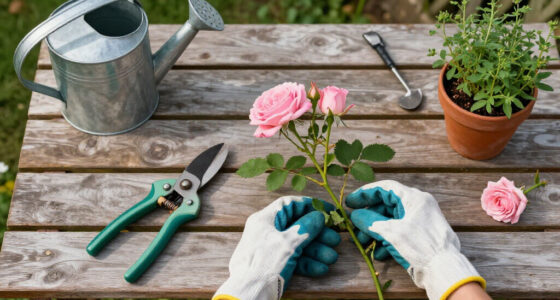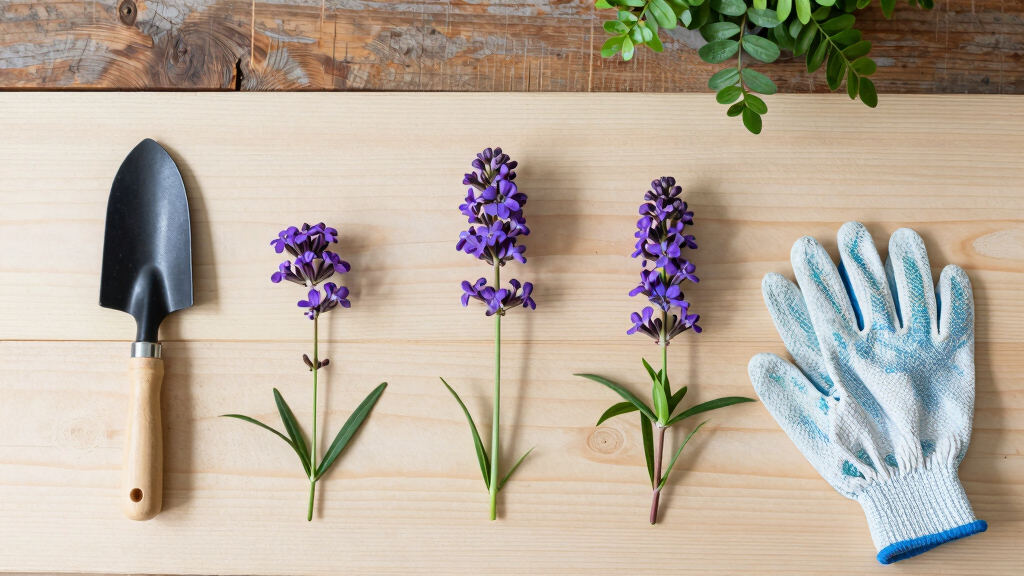

Searching for the best purple flowering plants can feel overwhelming with so many varieties and styles available. The Proven Winners Scentara Pura Lilac stands out as the top overall choice thanks to its fragrant blooms and reliable reblooming. For a splash of vibrant color, the Dark Lavender Chiffon Rose of Sharon offers striking shrubbery, while the Live Lavender Perennials bring fragrant, low-maintenance appeal. However, tradeoffs exist: some plants may require more care, have shorter bloom periods, or struggle in certain climates. Continue reading for a detailed comparison that helps match each plant to your specific gardening needs.

Get business pricing on tools and workshop supplies
- Business-only prices and quantity discounts
- Tax-exempt purchasing
- Multiple users, one account, clear invoices
Complete the kit

Key Takeaways
- The top-performing plants balance vibrant purple blooms with ease of care and long-lasting color.
- Reblooming varieties like Syringa x Bloomerang extend the flowering season, offering better value over time.
- Pollinator-friendly plants such as Russian Sage attract beneficial insects, adding ecological value.
- Size and growth habit vary significantly; compact options suit small gardens, while larger shrubs create focal points.
- Price and availability differ, making some plants better suited to budget-conscious gardeners versus those seeking premium quality.


More Details on Our Top Picks
Proven Winners Scentara Pura Lilac (Syringa x hyacinthiflora) Live Plant, 4.5″ Qt
The Scentara Pura Lilac stands out for its reliable early to mid-spring purple blossoms and broad garden adaptability, making it a strong choice for classic garden aesthetics. Compared with the Proven Winners Syringa x Bloomerang Dark Purple, it offers an earlier bloom window and a more compact size suitable for smaller spaces. While it is hardy across USDA zones 2-8, its dependency on full sun and seasonal dormancy can limit its appeal for gardeners in shadier or less predictable climates. The plant’s ability to serve as a border, hedge, or specimen shrub enhances its versatility, but shipping during dormancy or in bloom may affect initial appearance. Overall, if you want a hardy, multi-use shrub with dependable purple spring flowers, this pick makes the most sense.
Pros:- Produces vibrant purple flowers in early to mid-spring
- Hardy across USDA zones 2-8, suitable for diverse climates
- Flexible for borders, hedges, or specimen planting
Cons:- Shipped dormant or in bloom, which may affect immediate aesthetic impact
- Requires full sun for optimal growth and flowering
Best for: Gardeners seeking a reliable, versatile purple flowering shrub for early spring color and multiple landscape uses
Not ideal for: Those with shaded gardens or limited full sun exposure, as the plant requires abundant sunlight for best flowering
- Height:4-6 feet
- Bloom Color:Purple
- Bloom Time:Early to mid-spring
- USDA Zones:2-8
- Container Size:4.5 inches
Our verdict“This shrub is ideal for gardeners wanting a hardy, multi-purpose purple-flowering plant that blooms reliably in spring.”
Proven Winners 2 Gal. Dark Lavender Chiffon Rose of Sharon (Hibiscus) Shrub
The Dark Lavender Chiffon Rose of Sharon excels in delivering large, striking lavender blossoms with a delicate lacy center, making it ideal for adding height and drama to garden borders or privacy screens. When compared with the Scentara Pura Lilac, it offers a longer flowering period from spring through fall, though it grows significantly taller—up to 12 feet—making it less suitable for small gardens. Its USDA zones 5-9 and moderate watering needs make it adaptable, but its deciduous nature means losing foliage in winter, which could be a drawback for year-round greenery. This plant’s low-maintenance nature and tall stature make it perfect for gardeners wanting a bold, long-blooming statement shrub, though it demands space and full sun to thrive.
Pros:- Large, beautiful lavender flowers with a unique lacy center
- Blooms from spring to fall for extended color
- Low maintenance and easy to grow
Cons:- Grows quite tall, which may overwhelm smaller gardens
- Deciduous foliage means seasonal leaf loss
Best for: Gardeners with ample space seeking a tall, low-maintenance shrub with extended summer blooms
Not ideal for: Small garden spaces or gardeners preferring evergreen plants, since it is deciduous and tall
- Botanical Name:Hibiscus syriacus
- Size:48-72″ W x 96-144″ H
- USDA Hardiness Zone:5-9
- Expected Blooming Period:Spring to Fall
- Sunlight Exposure:Full Sun to Part Shade
- Watering Needs:Moderate
Our verdict“This shrub is best suited for larger gardens where height and extended flowering are priorities over year-round greenery.”
Live Lavender 2-Pack – Purple – Fragrant Sun Perennial Herb, 10” Tall, 1 Pt Pot
The Live Lavender 2-Pack offers a compact, fragrant solution for adding purple blooms that attract pollinators, making it ideal for small gardens, containers, or herb beds. Compared with larger shrubs like the Pugster Amethyst Buddleia, lavender’s smaller stature—about 12 inches tall—fits easily into tight spaces while providing a strong scent and pollinator benefits. Its drought tolerance and minimal water needs after establishment appeal to eco-conscious gardeners, but it demands full sun and well-drained soil, limiting use in shadier spots or heavy clay. This perennial herb’s natural deer-repelling property and aromatic flowers make it perfect for sensory gardens, though it may require more frequent pruning to maintain a tidy appearance.
Pros:- Fragrant purple blooms attract pollinators
- Compact size fits into small gardens and containers
- Low water needs once established
Cons:- Requires full sun and well-drained soil for best growth
- Needs regular pruning to maintain appearance
Best for: Gardeners wanting a fragrant, low-maintenance, pollinator-friendly plant for small or container gardens
Not ideal for: Gardeners with shaded areas or heavy, poorly drained soils, where lavender struggles to thrive
- Color:Purple
- Plant Height:12 inches
- Pot Size:1 Pt
- Number of Plants:2
Our verdict“This lavender set is perfect for those seeking fragrant, pollinator-attracting plants in limited garden spaces or containers.”
2 Gal. Pugster Amethyst Buddleia Shrub
The Pugster Amethyst Buddleia shines through its compact stature—about 2 feet tall—and its fragrant purple flowers that draw butterflies and hummingbirds, making it a lively addition to any pollinator garden. Compared with the Scentara Pura Lilac, it offers a shorter, more manageable size and blooms from spring through summer, but it is deciduous, losing leaves in winter, which might be a drawback for year-round greenery. Its USDA zones 5-10 and moderate watering needs make it versatile, but frequent watering is necessary until established, and shipping during dormancy can result in a less vigorous start. For gardeners wanting a vibrant, pollinator-friendly shrub that fits into smaller spaces, this plant offers excellent value.
Pros:- Attracts butterflies and hummingbirds with fragrant purple blooms
- Compact size ideal for small gardens and containers
- Suitable for USDA zones 5-10
Cons:- Loses leaves during winter, reducing visual interest in colder months
- Requires regular watering until established
Best for: Gardeners seeking a compact, pollinator-attracting shrub for containers or garden beds
Not ideal for: Those desiring evergreen plants or those in colder zones requiring winter protection, as it is deciduous
- Plant Type:Shrub
- Color:Purple
- Expected Blooming Period:Spring to Summer
- Expected Plant Height:24 Inches
- USDA Hardiness Zone:5-10
- Moisture Needs:Moderate
Our verdict“This shrub is a lively, space-efficient option for attracting pollinators in the warmer zones and smaller garden settings.”
Proven Winners Syringa x Bloomerang Dark Purple (Reblooming Lilac) Shrub, #3 Size Container
The Syringa x Bloomerang Dark Purple offers the appeal of multiple bloom cycles, providing fragrant, dark purple flowers from spring through fall. Compared with the Scentara Pura Lilac and Dark Lavender Chiffon, it’s distinguished by its reblooming ability and extended flowering period, making it ideal for gardeners who want continuous color. Its size—4 to 6 feet tall and wide—fits well in medium to large landscapes, but colder zones require winter protection, and it is dormant in late fall and winter, which can temporarily reduce visual impact. This shrub’s ease of planting and reliable fragrance make it perfect for those who desire a long-lasting, multi-season flowering plant, although it needs well-drained soil and at least partial sun.
Pros:- Reblooming flowers from spring through fall
- Arrives ready to plant in a 3-gallon container
- Fragrant, visually appealing dark purple blooms
Cons:- Requires winter protection in colder zones
- Dormant during late fall and winter months
Best for: Gardeners seeking a reliable, fragrant, reblooming shrub with extended flowering from spring to fall
Not ideal for: Cold zone gardeners who cannot provide winter protection, or those needing evergreen plants
- Plant Type:Shrub
- Color:Dark purple
- Blooming Season:Spring through fall
- Size:4-7 ft H, 4-6 ft W
- Container Size:#3 (3-Gallon)
Our verdict“This shrub is ideal for gardeners wanting consistent, fragrant blooms over multiple seasons with minimal fuss.”
Live Flowering New Guinea Impatiens – Shades of Purple (3 Plants Per Pack) – 12″ Tall in 1 Qt Pot
This pack of New Guinea Impatiens stands out for its vibrant purple blooms and ease of growth, making it ideal for gardeners new to flowering plants. Compared with the Purple Showers Ruellia, these impatiens require less height management but do need regular watering to prevent rot, especially since they thrive in partial shade. Their quick growth and continuous blooming make them perfect for adding color during spring and summer, though their preference for USDA zones 10-12 limits outdoor use in cooler regions. They’re best suited for those who want reliable, colorful containers or garden beds without complicated care routines.
Pros:- Vibrant purple flowers brighten shaded garden areas
- Low-maintenance and easy for novices
- Blooms throughout spring and summer
Cons:- Requires consistent watering to prevent rot
- Limited to USDA zones 10-12, restricting colder region planting
Best for: Beginner gardeners seeking vibrant, low-maintenance purple flowers for shaded outdoor spaces.
Not ideal for: Gardeners in colder climates or those seeking plants that tolerate full sun without extra watering efforts.
- Expected Blooming Period:Spring, Summer
- Sunlight Exposure:Partial Shade
- USDA Hardiness Zone:10-12
- Expected Plant Height:18 Inches
- Soil Type:Well-draining Soil
- Moisture Needs:Regular Watering
Our verdict“This pick makes the most sense for beginners wanting reliable, colorful purple blooms in partial shade.”
Proven Winners 2 Gal. Miss Violet Buddleia Shrub
This Miss Violet Buddleia shrub offers stunning, long-lasting blooms from spring through fall, making it a standout for landscape design. Unlike the New Guinea Impatiens, it thrives in full sun and can reach up to 60 inches in both width and height, creating a substantial visual impact. Its deciduous nature means it loses foliage in winter, so it’s better suited to areas with mild winters. This shrub suits those looking to create a pollinator-friendly garden with minimal fuss, but its tall growth habit requires space and regular pruning to maintain shape. It’s perfect for those wanting a vibrant, season-long bloom and a naturalistic garden style.
Pros:- Blooms from spring through fall for extended color
- Suitable for various landscape uses and containers
- Attracts pollinators like butterflies and hummingbirds
Cons:- Loses foliage in winter, requiring seasonal planning
- Requires full sun and may need time to establish after shipping
Best for: Gardeners seeking a tall, colorful shrub that attracts pollinators and provides seasonal interest.
Not ideal for: Small garden spaces or gardeners preferring evergreen plants with year-round foliage.
- USDA zones:5-9
- Mature size:48-60″ W x 48-60″ H
- Bloom season:Spring through fall
- Plant type:Deciduous shrub
- Botanical name:‘Miss Violet’ Buddleia x
Our verdict“This shrub is ideal for those wanting a tall, vibrant plant that supports pollinators across multiple seasons.”
Live Russian Sage (Perovskia) – 2 Pack, 10″ Tall, Purple Blooms, Pollinator-Friendly Perennial
These Russian Sage plants are especially well-suited for sunny, well-drained spots needing drought tolerance. Compared with the New Guinea Impatiens, they require full sun and will grow taller—up to 36 inches—often surpassing their initial 10-inch size in ideal conditions. Their aromatic, silvery foliage adds visual interest even when not in bloom, and they attract a variety of pollinators. While they are resilient and deer resistant, they do demand excellent drainage and may need space to accommodate their potential height. This makes them perfect for water-wise gardens or areas prone to drought, but less so for shady or moist environments.
Pros:- Attractive purple blooms that draw pollinators
- Aromatic silvery foliage adds visual appeal
- Deer resistant and hardy
Cons:- Requies full sun and well-drained soil for best growth
- May grow taller than 10 inches in optimal conditions
Best for: Gardeners wanting low-maintenance, drought-tolerant purple perennials that attract pollinators.
Not ideal for: Shaded gardens or those seeking plants that thrive in moist, rich soils.
- Quantity:2 Pack
- Height:10 inches
- Bloom Color:Purple
- Plant Type:Perennial
- Growth Height:24-36 inches
- Spread:18-24 inches
Our verdict“This pick is perfect for those designing drought-tolerant, pollinator-friendly gardens with full sun exposure.”
Purple Showers Ruellia Live Plants – Pack of 2, 5-9 inches tall, Mexican Petunia, Heat Tolerant Perennial for Rain Gardens & Borders
The Purple Showers Ruellia plants deliver rapid, vigorous growth with deep violet trumpet flowers, making them an excellent choice for rain gardens or border plantings. Compared to the Russian Sage, these plants are more adaptable to various moisture conditions and are highly heat tolerant, thriving in drought-prone areas. Their initial size of 5-9 inches can expand to a striking 3-4 feet, offering dramatic visual impact. While they are low-maintenance and attract pollinators, their tall mature height might overwhelm small gardens if not pruned. This makes them suitable for gardeners seeking colorful, fast-growing perennials that tolerate challenging conditions.
Pros:- Fast-growing with vibrant violet flowers
- Highly adaptable to various moisture and soil conditions
- Deer resistant and pollinator friendly
Cons:- May require careful initial watering after planting
- Mature height can be too tall for small gardens
Best for: Gardeners needing quick-growing, drought-tolerant plants that fill large spaces with vibrant color.
Not ideal for: Small garden plots or those wanting compact plants with limited height growth.
- Quantity:2 plants
- Height:5-9 inches (initial), 3-4 feet (mature)
- Color:Deep violet
- Zone:8-11
- Plant Type:Perennial
- Features:Heat tolerant, sterile cultivar, deer resistant, pollinator friendly
Our verdict“This plant excels in providing rapid, colorful coverage in large or challenging landscape sites.”
Proven Winners 2 Gal. Purple Pillar Rose of Sharon (Hibiscus) Shrub
This Rose of Sharon provides a striking vertical element with its tall, slender form reaching up to 16 feet, making it ideal for creating height in shrub borders or privacy screens. Unlike the shorter Impatiens, its large purple flowers bloom from summer into early fall, offering a long season of color. Its low-maintenance nature and adaptability to full sun or partial shade make it suitable for many garden settings. However, its height means it requires space and regular pruning to maintain shape, and as it ships dormant, it needs patience for full leaf-out. It’s perfect for gardeners who want a bold, flowering focal point that requires minimal fuss once established.
Pros:- Tall, striking vertical bloom display
- Low maintenance and adaptable to various sunlight conditions
- Long bloom season from summer into fall
Cons:- Grows very tall, requiring regular pruning
- Ships dormant, so initial growth takes time
Best for: Gardeners seeking a tall, dramatic, and easy-care flowering shrub for vertical accents or screening.
Not ideal for: Small gardens or those who prefer compact, evergreen plants with year-round foliage.
- Botanical Name:Hibiscus syriacus
- Size:24-36 inches W x 120-192 inches H
- Zones:5-9
- Spacing:24 inches
- Shipments:Dormant winter through early spring
Our verdict“This shrub suits those wanting a tall, vibrant, low-fuss flowering accent in sunny or partly shaded areas.”
Autumn Amethyst Encore Azalea (1 Gallon) – Purple, Pink Flowering Shrub – Reblooming Rhododendron Plants
The Autumn Amethyst Encore Azalea stands out for its vivid purple and pink blooms that rebloom multiple times throughout the growing season, making it an excellent choice for gardeners seeking continuous color. Compared with the Encore Azalea Autumn Majesty, this variety offers a more striking display of purple hues, though it demands full sunlight to truly flourish. Its 4-foot height and width make it versatile for medium-sized gardens, and its reblooming trait reduces the need for additional plantings. However, its reliance on full sun is a potential drawback for shaded garden spots, and it might require extra watering during hot periods. This pick makes the most sense for those who want a show-stopping, low-maintenance shrub that delivers repeated blooms across seasons.
Pros:- Vivid purple and pink flowers for eye-catching color
- Reblooming feature provides multiple flowering periods
- Suitable for USDA zones 6-9, offering broad adaptability
Cons:- Requires full sunlight, limiting placement options in shaded gardens
- May need extra watering during hot, dry spells
Best for: Gardeners seeking a colorful, reblooming shrub that adds vibrancy across multiple seasons
Not ideal for: Shaded garden areas or gardeners who prefer low-sunlight plants, as this azalea needs full sun for best performance
- Hardiness Zone:6-9
- Sunlight:Full Sun
- Height:4 feet
- Width:4 feet
- Size:1 gallon
Our verdict“This azalea is ideal for those wanting a vibrant, multi-bloom shrub that thrives in full sun and offers consistent flowering across seasons.”
Encore Azalea 1 Gal. Autumn Majesty Azalea Shrub
The Encore Azalea Autumn Majesty excels as an evergreen shrub that maintains its foliage year-round, offering continuous visual interest even when not in bloom. Compared with the Autumn Amethyst, it provides a more subdued but steady greenery that complements other seasonal plants, especially in climates where color isn’t the only priority. Growing up to 42 inches tall and 36 inches wide, it fits well into smaller or low-profile gardens. Its low-maintenance nature makes it appealing to gardeners who want reliable, fuss-free plants, though it still benefits from full sun to partial shade. Its mature size could be too large for very tight spaces, and it doesn’t rebloom, so it’s less suitable for those seeking multiple flowering periods.
Pros:- Provides year-round evergreen interest
- Low maintenance with easy care requirements
- Suitable for USDA zones 6a-9b, adaptable across many climates
Cons:- Requires full sun to partial shade for optimal growth
- Mature size may outgrow small gardens
Best for: Homeowners who desire evergreen structure with minimal fuss and year-round foliage
Not ideal for: Gardeners seeking continuous blooms or those with very small garden spaces, as this shrub can grow larger than expected
- Size:42 inches H x 36 inches W
- Zone:6a-9b
- Sunlight:Full sun to partial shade
- Type:Evergreen
Our verdict“This azalea is best suited for gardeners wanting consistent evergreen foliage with minimal effort, especially in medium-sized landscapes.”
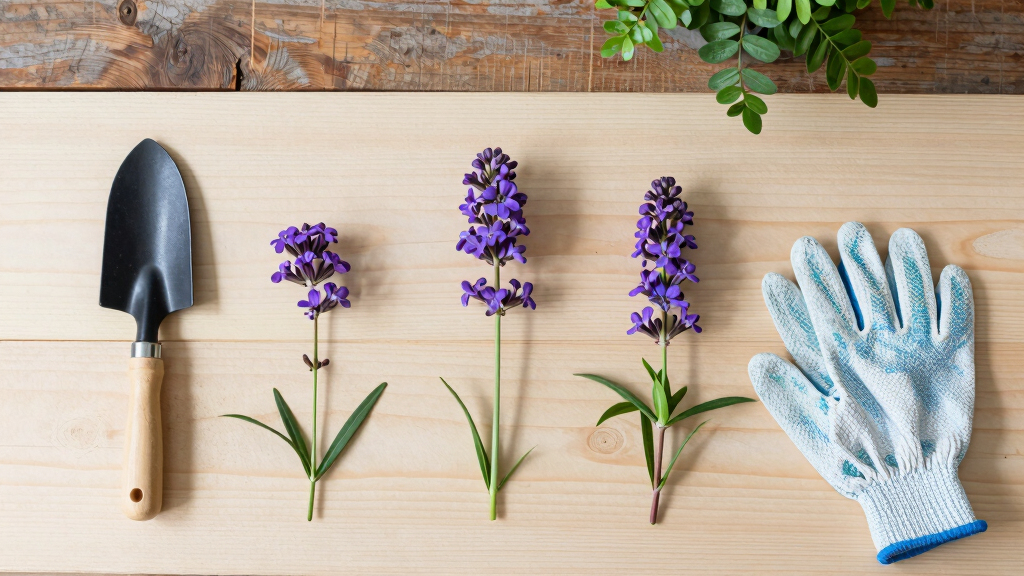
How We Picked
Our evaluation focused on plant performance, ease of care, bloom longevity, and adaptability across different climates. We considered factors like growth habit, maintenance needs, and flowering intensity to recommend plants that deliver consistent aesthetic appeal. Cost and availability also played a role to ensure selections are accessible for a range of gardeners. The ranking reflects a balance between visual impact, reliability, and ease of integration into varied garden settings, helping readers choose plants that best match their gardening experience and goals.Factors to Consider When Choosing Best Purple Flowering Plants
Selecting the best purple flowering plants involves understanding several key factors. First, consider your local climate and whether the plant is hardy enough to thrive without excessive intervention. Next, think about the plant’s size and growth habit to ensure it fits your space and garden style. Maintenance requirements are also crucial—some plants need regular pruning or specific soil conditions, while others are more forgiving. Bloom period and color intensity can affect your garden’s visual continuity, so choose varieties that align with your desired flowering season. Lastly, evaluate your budget and the plant’s availability to find the best fit for your gardening plans.Climate and Hardiness
Before selecting a purple flowering plant, verify its USDA hardiness zone compatibility. Plants that are not suited to your climate may require extra care or may not survive the winter. For example, lilacs typically thrive in cooler zones, while tropical-looking hibiscus might need protection or indoor overwintering. Choosing plants adapted to your environment reduces maintenance and increases the likelihood of success, making this a foundational step in your decision process.
Size and Growth Habit
Understanding the mature size and growth form of your chosen plants helps prevent overcrowding and ensures they complement your garden design. Compact varieties like Pugster Amethyst Buddleia suit smaller spaces, while taller shrubs such as the Rose of Sharon create focal points. Considering growth rate and potential size at maturity allows for better planning, especially if you seek low-maintenance, manageable plants or dramatic landscape features.
Maintenance and Care Needs
Some purple flowering plants demand regular pruning, fertilizing, or specific soil conditions, whereas others are more resilient and forgiving. Reblooming varieties like Syringa x Bloomerang tend to require less frequent pruning but benefit from deadheading to prolong flowering. Budgeting time and effort for maintenance ensures your plants thrive without becoming burdensome, so match your choice to your gardening experience and available resources.
Bloom Period and Color Intensity
If continuous color is your goal, select plants with extended or multiple blooming cycles, such as Encore Azaleas or Reblooming Lilacs. Some plants offer a more intense purple hue, impacting visual impact, while others may have softer or variegated tones. Consider how the flowering period overlaps with your other garden features and seasonal plans to maximize visual appeal throughout the year.
Budget and Availability
Prices for purple flowering plants can vary widely based on size, rarity, and supplier. While some plants like lavender are generally affordable and widely available, specialty or mature shrubs may carry higher costs. Check local nurseries and online sources to find options that fit your budget without sacrificing quality. Remember that investing in healthier, well-grown plants often leads to better long-term results, even if initial costs are higher.
Frequently Asked Questions
Which purple flowering plant is easiest for a beginner to grow?
For beginners, plants like lavender and Russian Sage are excellent choices because they are quite hardy, drought-tolerant, and require minimal pruning. Lavender, in particular, thrives in well-drained soil and full sun, making it forgiving for new gardeners. Russian Sage also adapts well to various soil types and attracts pollinators without demanding extensive care, making them reliable options for cultivating purple blooms with less effort.
Are reblooming purple plants worth the extra effort?
Reblooming plants like Syringa x Bloomerang and Encore Azaleas can significantly extend the visual impact of your garden, providing multiple flowering periods within a single season. While they may require occasional deadheading or pruning, their ability to rebloom makes them more cost-effective over time, as you get more flowers from a single plant. If continuous color is a priority, investing in these varieties can be a worthwhile choice, especially for small gardens where space is limited.
Can I grow purple flowering plants in containers?
Many purple flowering plants, including lavender, Pugster Buddleia, and certain azaleas, adapt well to container growing. Containers allow greater control over soil conditions and can be moved to optimize sunlight exposure or protect from harsh weather. Be sure to select appropriately sized pots with good drainage, and use high-quality potting mix. Regular watering and fertilizing will help container-grown plants flourish, making this a flexible option for small spaces and patios.
How do I ensure continuous flowering in my garden?
To achieve a continuous display of purple blooms, select plants with overlapping flowering periods or reblooming traits. Deadheading spent flowers encourages some plants to rebloom, while staggered planting of different varieties can fill gaps throughout the season. Proper fertilization and watering also support healthy, sustained flowering. Combining early, mid, and late-season varieties ensures your garden remains vibrant with purple color for as long as possible.
What should I avoid when planting purple flowering plants?
Avoid planting varieties that are not suited to your climate or soil type, as this often leads to poor growth or early decline. Overcrowding plants can hinder airflow and promote disease, so give each enough space. Additionally, neglecting proper watering or overwatering can stress plants and reduce flowering. Carefully researching each plant’s specific needs helps prevent common mistakes and ensures a thriving, colorful garden.
Conclusion
For those seeking an all-around versatile and reliable choice, the Proven Winners Scentara Pura Lilac offers fragrant, long-lasting blooms suitable for most gardens. Gardeners prioritizing budget-friendly options will appreciate the Live Lavender perennial packs for their ease and fragrance. If you desire a premium display, the Dark Lavender Chiffon Rose of Sharon provides dramatic, show-stopping flowers. Beginners should consider hardy, low-maintenance plants like Russian Sage, while those aiming for ecological benefits might select pollinator-attracting varieties such as Mexican Petunia. The right choice depends on your climate, space, and gardening experience, but this list offers solid options across all needs.
Halloween Picks
halloween
As an affiliate, we earn on qualifying purchases.