
TL;DR

Get business pricing on tools and workshop supplies
- Business-only prices and quantity discounts
- Tax-exempt purchasing
- Multiple users, one account, clear invoices
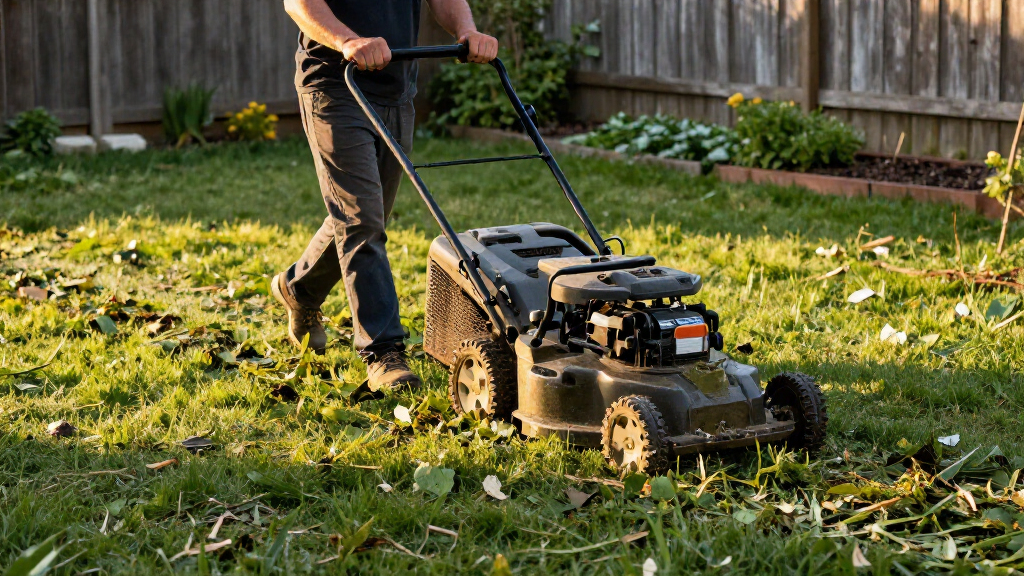
A Hunker report identifies wet or overgrown grass as a major limitation of mulching mowers: clippings can clump under the deck and on the lawn, while the mower may work harder. The report, citing Illinois Extension guidance, says not to remove more than one-third of the grass height in a single mowing and advises against mulching wet grass.
A Hunker report identifies wet or overgrown grass as one of the main drawbacks of using a mulching mower, warning that clippings can clog parts of the machine and accumulate on the lawn. The limitation matters to homeowners because those clumps may reduce mowing efficiency, strain the mower and, when left on turf, block airflow and sunlight.
Mulching mowers cut grass into smaller pieces intended to fall back into the turf and decompose. But the report says the approach is poorly suited to grass that is wet or more than one-third taller than the desired height. It cites Illinois Extension guidance against removing more than one-third of the grass height at a time, a rule of thumb intended to avoid asking the mower to process too much material in one pass.
Wet grass presents a separate problem. According to the report, moisture can make cuttings stick to the mower’s curved blades and collect beneath its deck. That buildup can interfere with the airflow needed for mulching, reduce performance and place extra strain on the motor. A mower that shuts down or fails to start while cutting wet grass may have a buildup of clippings, the report says; it does not identify this as the only possible cause.
Clippings left in thick, wet piles can also cover parts of the lawn and limit access to airflow and sunlight, potentially harming healthy turf. The report notes that clipping size and distribution vary by mower size and design, so using a mulching mower does not guarantee an even spread or a healthy lawn.
When Mulching Can Harm Turf
The limitation affects both the mowing job and lawn condition. A homeowner trying to cut long grass in one pass may get a poor result, while continuing through damp grass can lead to clumps under the deck or on the turf. Those conditions can make the machine work harder and leave patches of cuttings that shade the grass below.
The practical point is that mulching depends on suitable conditions and regular mowing, not just the mower itself. If clumps remain, the lawn may be deprived of light and air in those areas. The Hunker report also cautions against treating yellow or brown spots, wilting or compacted soil as proof that the mower is responsible: these symptoms can have other causes, including poor soil aeration or nutrient deficiencies.
Popular right now

De'Longhi Dinamica Plus Fully Automatic Espresso Machine

Hisense 85 U7 Mini-LED ULED 4K UHD Smart Google TV (85U7SG, 2026)

Apple AirPods Pro 3 Wireless Earbuds with Active Noise Cancellation
As an affiliate, we earn on qualifying purchases.
How Mulching Mowers Cut Grass
Unlike a conventional rotary mower that may discharge or collect cuttings, a mulching mower is designed to cut grass into smaller pieces and return them to the lawn. The Hunker report says those pieces can decompose more quickly than longer clippings sitting on top of turf. Some homeowners use a dedicated mulching mower; others fit a mulching kit to a side-discharge mower. The report says the wet- and overgrown-grass limitations apply to both setups.
The guidance cited from Illinois Extension sets a useful boundary: avoid cutting off more than one-third of the grass height at once. If the lawn has grown beyond that, the report’s advice implies that mowing in stages is preferable to trying to mulch the full excess in one pass. It also recommends paying attention to the actual spread of clippings, which can differ among mower designs.
“A mulching mower will not perform well if you need to remove more than one-third of the height of your grass due to overgrowth.”
— Hunker, citing Illinois Extension
What Clumping Can—and Cannot—Show
The source does not provide measurements comparing mower models, quantify how much wet grass is enough to cause clogging, or establish how often clumps lead to motor damage. It describes potential risks rather than reporting a controlled test. The effects may vary with mower design, grass conditions and clipping distribution.
Nor do yellow or brown spots, wilting or compacted soil identify a single cause. The report says these signs can indicate turf stress, while also pointing to possible issues such as poor aeration or nutrient deficiencies. It does not establish that mulching caused those symptoms in any particular lawn.
Adjusting the Next Mowing
For homeowners using a mulching mower, the immediate step is to avoid mowing when the grass is wet and keep to a schedule that prevents excessive growth. If the lawn is too tall, follow the one-third rule rather than removing a large amount in one pass. After mowing, check for clippings gathered under the deck or left in thick patches on the turf; clear buildup according to the mower’s instructions, with the machine shut off and made safe before inspection.
If lawn discoloration or wilting continues despite suitable mowing conditions, the report suggests that other turf or soil problems may be involved. The source offers no further testing or product-specific recommendations, so the cause of persistent symptoms remains a matter for separate assessment.
Key Questions
What is the main drawback of a mulching mower?
It can struggle with wet or overgrown grass. Cuttings may clump on the blades or beneath the deck, reducing performance and potentially leaving piles on the lawn.
How much grass should a mower cut at once?
The Hunker report cites Illinois Extension guidance to avoid removing more than one-third of the grass height in one mowing.
Why should I avoid mulching wet grass?
Moist clippings can stick together and accumulate beneath the mower deck, interfere with airflow and make the motor work harder. Wet clumps left on the lawn can also block sunlight and airflow to turf.
Do yellow or brown spots mean the mulching mower damaged my lawn?
Not necessarily. The report says discoloration and wilting can signal turf stress, but possible causes also include poor soil aeration or nutrient deficiencies.
Source: hunker.com