TL;DR
Electric pressure washers are perfect for light to medium tasks, offering convenience and eco-friendliness. Gas models deliver higher power for tough jobs but require more maintenance. Recent advances make electric models more capable than ever.
When it comes to cleaning your home’s exterior, you want power that gets the job done without a headache. Electric and gas pressure washers each have their strengths, but which one truly fits your needs? If you’re tired of guessing and want real-world advice, you’re in the right place.
This guide cuts through the marketing noise. We’ll compare performance, ease of use, costs, and recent tech upgrades—so you can pick the right tool for your property, your schedule, and your wallet.
Electric pressure washers are ideal for light to medium tasks, offering simplicity and eco-friendliness.
Gas models deliver higher PSI and GPM, perfect for heavy-duty, large-scale cleaning jobs.
Recent advancements in electric motors and batteries make electric units more capable than before, narrowing the gap with gas for many homeowners.
Maintenance is simpler and cheaper with electric units, but gas washers are built for durability and frequent use.
Choose based on your specific needs: size of jobs, frequency, storage, budget, and environmental considerations.
Electric vs Gas Pressure Washers
Choose the machine that fits your property, schedule and tolerance for maintenance—not the biggest number on the box. Electric wins on everyday convenience; gas earns its keep when grime, acreage and frequency rise.
How much force do you really need?
PSI describes pressure; GPM describes water flow. More of both can clean faster, but excessive force can scar wood, strip paint and damage soft siding. Match output to the surface—not your ego.
Everyday cleaning
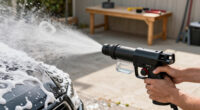
Quick-start power for vehicles, outdoor furniture, patios, painted siding and most maintained decks.
Heavy-duty cleaning
Built for muddy driveways, deep concrete grime, large exteriors and extended sessions away from outlets.
The homeowner’s comparison matrix
The practical difference appears before, during and after cleaning. Consider setup, reach, noise and upkeep alongside raw performance.
| Decision factor | Electric | Gas | What it means at home |
|---|---|---|---|
| Light–medium work | ✓ Excellent | ~ Capable | Electric is usually the simpler fit. |
| Heavy grime | ~ Limited | ✓ Excellent | Gas cleans large, rough surfaces faster. |
| Maintenance | ✓ Minimal | ✗ Regular | Gas needs oil, plugs and fuel care. |
| Noise + fumes | ✓ Low / none | ✗ Loud / emitted | Gas must remain outdoors. |
| Unlimited outdoor reach | ~ Cord dependent | ✓ Independent | Gas avoids outlet and battery limits. |
| Upfront + running cost | ✓ Lower | ✗ Higher | Fuel and service add lifetime expense. |
| Frequent hard use | ~ Moderate | ✓ Durable | Gas rewards owners who need a workhorse. |
The work after the work
Convenience compounds. A washer that starts quickly, stores easily and fits the noise tolerance of your neighborhood is more likely to get used.
Plug in or fuel up
Electric: connect water, power on, clean. Gas: check fluids, manage fuel and start the engine.
Compact or rugged
Electric suits tight garages and sheds. Gas needs more room, ventilation awareness and proper off-season fuel storage.
Quiet or commanding
Electric minimizes disturbance and creates no operating fumes. Gas brings the unmistakable rumble of a small engine.
Trace the job to the right machine
Start with the surface and scale, then account for frequency, reach and upkeep. The best choice is the one that clears every step without unnecessary cost or complexity.
Name the surface
Car, wood, siding or concrete?
Size the job
Spot clean or whole driveway?
Count the uses
Seasonal, monthly or weekly?
Check your reach
Outlet, cord, battery or open land?
Choose the fit
Convenience or maximum output?
Buy for your actual weekends
Most homeowners do not need professional-grade force. But owners of large properties, heavily stained hardscapes or frequently used equipment may benefit from gas durability and output.
You value low friction
It is the smart default for routine residential cleaning and users who want dependable results without engine care.
- You clean cars, decks, patios or siding.
- You have limited storage or lifting capacity.
- You prioritize quiet operation and zero on-site fumes.
- You use the washer occasionally or seasonally.
You need a workhorse
The extra maintenance makes sense when speed, pressure, endurance and outlet-free mobility genuinely save time.
- You tackle concrete, mud or stubborn stains.
- You clean large areas or remote outdoor spaces.
- You expect frequent, long sessions.
- You will follow a regular engine-care routine.
Power and Performance: Which Gets the Tough Jobs Done?
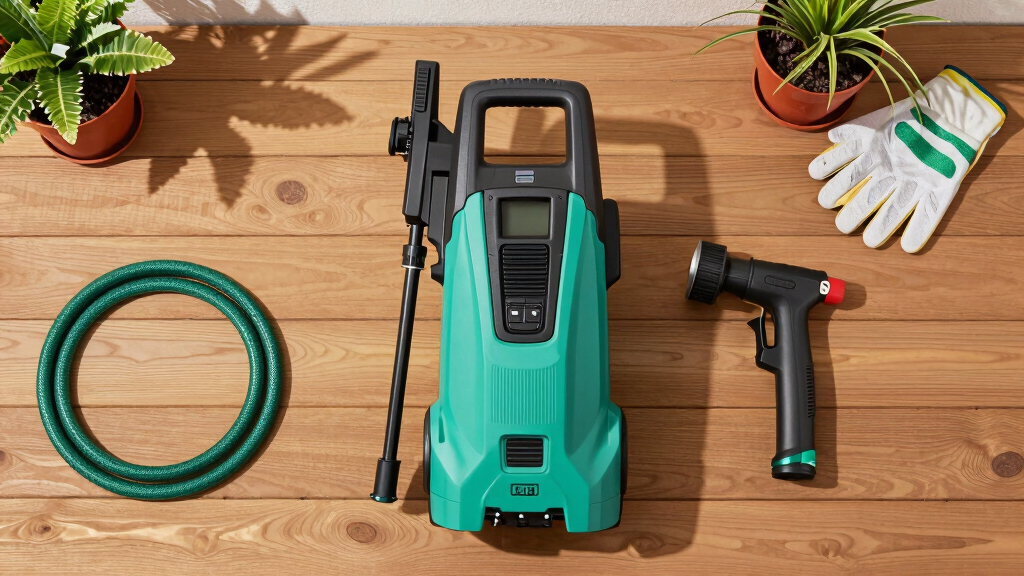
Electric pressure washers usually deliver between 1,300 and 2,000 PSI, making them perfect for decks, cars, and siding. Gas models often push beyond 2,500 PSI, tackling stubborn stains on driveways and large surfaces with ease. Think of electric units as your go-to for quick, light work—guilt-free and quiet. Gas units are your heavy-duty workhorses, ready for the big jobs that would exhaust an electric motor.
For example, cleaning a muddy driveway might demand 3,000 PSI. A good gas washer hits that, while an electric might struggle to reach 2,000 PSI, but it still handles the average patio or car wash without breaking a sweat.
It’s important to understand that higher PSI means more force, but it also increases the risk of damaging delicate surfaces if not used carefully. Conversely, electric washers with lower PSI are less likely to cause damage, making them safer for more sensitive surfaces like painted sidings or soft wood. The tradeoff is that for the most stubborn grime, especially on rough surfaces, a higher PSI is often necessary. Therefore, choosing between electric and gas depends on balancing the power needed with the surfaces you intend to clean and the level of control you require.
electric pressure washer for home use
As an affiliate, we earn on qualifying purchases.
As an affiliate, we earn on qualifying purchases.
Portability and Ease of Use: Which Moves With You?
Electric pressure washers are lightweight, often weighing less than 50 pounds. They’re easy to carry around and store, perfect for small yards or quick cleanups. Gas models are heavier, often over 70 pounds, but come with wheels and sturdy handles for outdoor mobility. Imagine hauling a gas unit across a large driveway; it’s built for that.
Quiet operation is another perk of electric units—no noisy engine roaring in your ears. Gas models are louder, emitting a deep rumble that’s unmistakably powerful but less neighbor-friendly.
Understanding the portability of each type helps you plan your cleaning routines better. Electric models excel in ease of handling, especially for homeowners with limited strength or space, while gas units are better suited for large-scale jobs where mobility over rough terrain is needed. The tradeoff is that electric units, despite their light weight, may have shorter power cords or limited battery life, which can affect convenience during larger projects. Gas units, though heavier, are designed for extended use and can cover bigger areas without needing frequent recharging or extension cords.
gas pressure washer for driveway cleaning
As an affiliate, we earn on qualifying purchases.
As an affiliate, we earn on qualifying purchases.
Maintenance and Running Costs: What’s the Ongoing Investment?
Electric pressure washers need minimal upkeep—no oil changes, fewer moving parts, and simple plug-and-play operation. They cost less initially and have lower running expenses. Gas units, on the other hand, demand regular oil changes, spark plug replacements, and proper fuel storage. Over time, maintenance costs add up, especially if you use your washer frequently.
But why does this matter? Because maintenance routines directly impact your long-term costs and the reliability of your equipment. Electric washers, with fewer components, tend to be more reliable over time and less prone to breakdowns, translating to less downtime and fewer repair bills. Gas models, while more durable for heavy use, require regular attention to keep them running at peak performance, which can be a hassle and add to operational costs. This means that for homeowners seeking a hassle-free, budget-friendly option for occasional use, electric washers often present a better long-term value. Conversely, if you need a workhorse that can handle frequent, intense cleaning sessions, investing time and money in maintenance for a gas unit may be justified.
light duty electric pressure washer
As an affiliate, we earn on qualifying purchases.
As an affiliate, we earn on qualifying purchases.
Eco-Friendliness and Noise: Which Is Better for Your Neighborhood?
Electric pressure washers run quietly, emitting less noise and zero fumes. They’re a neighbor’s best friend during early mornings or late evenings. Gas units produce fumes and roar loudly—think of a small engine revving in your yard. If you’re environmentally conscious or live in a noise-sensitive area, electric is the way to go.
Recent electric models are even adding eco-friendly features, like energy-efficient motors and quieter operation, making them more appealing for regular use around your home.
Choosing electric not only benefits your neighbors but also reduces your carbon footprint. The absence of fumes means you can use electric washers in enclosed spaces or indoors with less concern about air quality. The quieter operation minimizes disturbance, making electric washers ideal for early morning or late evening cleaning sessions without risking neighborly disputes. The tradeoff is that electric models, while more eco-friendly and neighbor-friendly, may have limitations in power and duration, which is worth considering if your cleaning needs are extensive or demanding.
As an affiliate, we earn on qualifying purchases.
Durability and Longevity: Which Will Last Longer?
Gas pressure washers are built tough for heavy, frequent use. They often last 5-10 years with proper care, especially in professional settings. Electric models excel in lighter, occasional tasks and can last 3-5 years before parts wear out. Think of gas units as marathon runners, built for endurance. Electric units are sprinters—fast and efficient but not designed for heavy daily pounding.
But what does that mean for you? If you’re a homeowner who uses the pressure washer weekly or for large projects, investing in a gas unit could mean better durability and longer service life. However, this durability comes with increased maintenance and higher upfront costs. On the other hand, electric washers are more suited for casual or seasonal use, where their lighter build and simpler design translate to easier maintenance and replacement cycles. The key is to match the durability expectations with your actual usage patterns—overpaying for a rugged gas unit when only occasional cleaning is needed might not be cost-effective, but for constant, heavy-duty work, the investment pays off.
Recent Tech Advances Making Electric More Capable
Electric pressure washers now pack more punch thanks to better motors and higher PSI ratings—up to 2,000 PSI in many models. Battery-powered units are gaining ground, offering cordless convenience for small to medium jobs. Hybrid designs combine electric and gas features, giving homeowners versatility.
What does this mean for you? These technological improvements mean electric washers are no longer just for light chores. They can now handle a broader range of tasks with greater efficiency. For example, a homeowner using a battery-powered electric washer for cleaning their patio, car, and outdoor furniture can enjoy the convenience of cordless operation without sacrificing much power. Hybrid models offer the best of both worlds—power when needed, portability when preferred. These advancements reduce the traditional gap between electric and gas units, making electric options more attractive for a wider array of home maintenance tasks, especially for those seeking simplicity and eco-friendliness without sacrificing performance.
Which Pressure Washer Fits Your Home? The Quick Checklist
- Assess your typical cleaning jobs: light, medium, or heavy-duty.
- Consider how often you’ll use it—occasional or frequent.
- Think about your storage space and whether portability matters.
- Factor in your budget—initial cost and ongoing expenses.
- Decide on eco-friendliness and noise preferences.
Frequently Asked Questions
Can electric pressure washers handle tough stains on driveways?
While electric pressure washers can tackle some stains, they generally max out around 2,000 PSI. For heavy, embedded grime on concrete or asphalt, a gas model exceeding 3,000 PSI might be more effective. But for routine cleaning, electric units do the job well—and quieter.
How often should I perform maintenance on a gas pressure washer?
Plan on changing the oil after every 50 hours of use or at least once a season. Check and replace spark plugs annually. Proper maintenance extends your unit’s lifespan and keeps it running smoothly for years.
Are battery-powered electric pressure washers worth it?
They’re becoming more capable for small to medium tasks, offering portability without cords or fuel. However, they usually deliver lower PSI (around 1,500–2,000) and GPM. For occasional outdoor cleaning, they’re a convenient choice. For heavy-duty jobs, a corded electric or gas unit still wins.
Is it safe to use a pressure washer indoors?
No. Gas units produce fumes and should be used outdoors only. Electric models are safer for indoor use, but always follow manufacturer instructions and wear protective gear to prevent injuries from high-pressure water.
Conclusion
For most homeowners, the choice boils down to how much power you need and how often you’ll use it. Electric pressure washers are quick, quiet, and hassle-free—great for regular light chores. Gas units are the heavy hitters, ready for big jobs and tougher grime.
Remember, advances in electric tech mean you don’t have to sacrifice convenience for power anymore. Pick the right tool, and you’ll keep your property clean without the headache.