
TL;DR

Get business pricing on tools and workshop supplies
- Business-only prices and quantity discounts
- Tax-exempt purchasing
- Multiple users, one account, clear invoices
Offline hobbies are becoming increasingly popular as people seek relief from digital fatigue and prioritize mental well-being. Experts predict these activities will play a major role in future lifestyles, driven by health, social, and environmental factors.
Growing evidence suggests that offline hobbies are about to become a major component of modern lifestyles, driven by increasing concerns over digital fatigue and mental health. Experts and market analysts report a surge in participation in activities such as gardening, woodworking, outdoor sports, and arts and crafts, which are seen as vital for well-being and social connection.
Multiple surveys conducted in early 2024 show a significant rise in engagement with offline activities across various age groups, especially among younger adults seeking a break from screen time. Market research indicates that industries related to outdoor gear, arts and crafts supplies, and traditional sports equipment are experiencing increased sales, reflecting this shift.
Health professionals emphasize that offline hobbies can reduce stress, improve mental health, and foster social bonds, counteracting the negative effects of prolonged digital exposure. According to an anonymous researcher cited by rss, “People are increasingly aware of the mental health toll of digital overload, and offline hobbies offer a tangible way to reconnect with oneself and others.”
Why Offline Hobbies Will Soon Be A Major Part Of Modern Lifestyle
As digital fatigue becomes a recognized public health concern, millions are turning to gardening, woodworking, outdoor sports, and crafts. Experts and market analysts report a surge in participation — and predict these activities will reshape how we live, shop, and build our cities.
Rise of Offline Activities in a Digital World
Over the past decade, digital technology transformed daily life — increasing screen time and reducing face-to-face interaction. Research now links digital overuse to anxiety, depression, and social isolation. In response, individuals and communities are rediscovering traditional hobbies, backed by a cultural movement emphasizing wellness, sustainability, and authentic experiences. The COVID-19 pandemic accelerated the shift, and interest has remained strong even as restrictions eased.
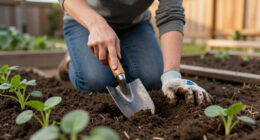
Gardening & Crafting
Hands-on activities like gardening, arts, and crafts are surging across age groups — prized for stress reduction, mindfulness, and tangible, screen-free results.
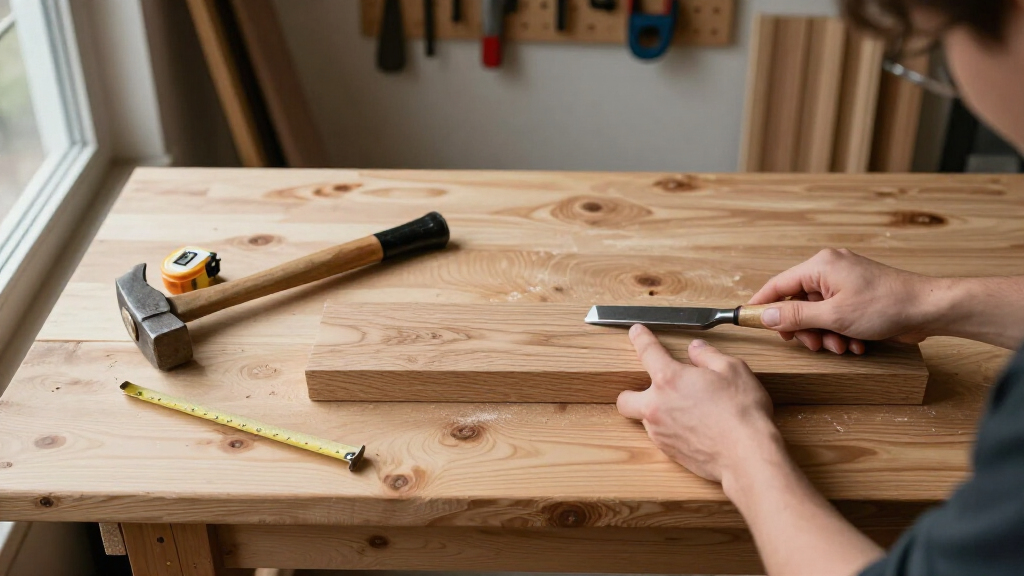
Woodworking & Making
Traditional craft skills are enjoying a renaissance, fueled by a desire for authentic experiences, sustainability, and durable self-made goods over digital consumption.
Outdoor Sports
Outdoor recreation participation has climbed steadily, supported by growing sales of gear and equipment — a market signal analysts watch closely.
Where The Growth Is Showing Up
Market research indicates rising sales across industries tied to offline pursuits — a concrete economic reflection of the lifestyle shift identified in early-2024 surveys.
From Digital Fatigue To Daily Routine
Health professionals emphasize that offline hobbies reduce stress, improve mental health, and foster social bonds — counteracting prolonged digital exposure. Analysts expect the ripple effects to reach markets, cities, and public health policy.
Digital Fatigue
Awareness grows around anxiety, isolation, and screen overload.
Behavior Shift
Individuals adopt offline hobbies seeking balance and connection.
Market Response
Sales rise in outdoor gear, craft supplies, and wellness products.
Policy & Planning
Green spaces and community centers support offline pursuits.
New Lifestyle Norm
Healthier, more balanced daily routines become mainstream.
What’s Likely — And What’s Uncertain
While the upward trajectory is clear, long-term adoption depends on technology, economics, and evolving social norms. Analysts will track participation rates, product sales, and public health campaigns in the coming months.
| Projection | Evidence Today | Confidence | Timeframe |
|---|---|---|---|
| Mental health benefits | Health professionals cite reduced stress and stronger social bonds | ✓ Strong | Ongoing |
| Consumer market growth | Increased sales in outdoor gear, arts supplies, wellness | ✓ Strong | 1–3 years |
| Urban planning shifts | Proposals for green spaces and offline community centers | ~ Emerging | 3–10 years |
| Demographic variation | Strongest among younger adults; regional data still limited | ~ Unclear | Monitoring |
| Long-term permanence | Trend could recede if digital innovations re-engage users | ~ Uncertain | Open question |
The Five Questions Everyone Asks
Why are offline hobbies becoming more popular now?
Increasing awareness of the negative mental health effects of digital overuse and a desire for genuine social connections are driving renewed interest in offline hobbies.
Which hobbies are growing fastest?
Gardening, woodworking, outdoor sports, arts and crafts, and community-based pursuits are all experiencing notable growth.
How might this affect consumer markets?
Businesses related to outdoor gear, arts supplies, and wellness services are likely to see increased demand as offline hobbies go mainstream.
Will it impact urban planning or policy?
Yes — expect greater emphasis on green spaces, community centers, and programs that facilitate offline activities for mental health and social cohesion.
Temporary trend or lasting change?
Current data suggests a strong upward trajectory, but it remains uncertain whether the shift will be sustained long-term or is a temporary response to digital fatigue concerns.
Implications for Future Lifestyle Trends
This shift toward offline hobbies signifies a broader change in lifestyle priorities, with potential impacts on mental health, social structures, and consumer markets. As digital fatigue becomes more recognized as a public health concern, these activities could lead to healthier, more balanced daily routines. Businesses that adapt to this trend may see growth in sectors related to outdoor recreation, arts, and wellness products, while urban planning might also incorporate more green spaces and community centers dedicated to offline pursuits.
As an affiliate, we earn on qualifying purchases.
Rise of Offline Activities in a Digital World
Over the past decade, digital technology has transformed daily life, increasing screen time and reducing face-to-face interactions. Recent research highlights a growing awareness of the negative effects of digital overuse, including anxiety, depression, and social isolation. In response, many individuals and communities are rediscovering traditional hobbies such as gardening, woodworking, and outdoor sports. This resurgence is supported by a broader cultural movement emphasizing wellness, sustainability, and authentic experiences.
Market analysts note that the COVID-19 pandemic accelerated this trend, as lockdowns and social distancing prompted people to seek meaningful offline activities. Now, as restrictions ease, the interest in offline hobbies remains strong, with many viewing these pursuits as essential for mental resilience and social cohesion.
As an affiliate, we earn on qualifying purchases.
Unclear Long-Term Adoption and Impact
While current data indicates a rising trend, it remains uncertain how sustained this shift will be over the coming years. Factors such as technological advancements, economic changes, and evolving social norms could influence whether offline hobbies maintain their popularity or decline. Additionally, it is not yet clear how this trend will vary across different demographics and regions, or how it will interact with ongoing digital innovations.
As an affiliate, we earn on qualifying purchases.
Monitoring Future Adoption and Market Growth
Researchers and industry analysts will continue to track participation rates in offline hobbies and sales data for related products. Public health campaigns may further promote offline activities as part of wellness strategies. Urban planners and community organizers are also expected to develop more spaces and programs supporting offline pursuits, reinforcing this lifestyle shift. The coming months will reveal whether this trend becomes a lasting fixture of modern life or a temporary response to current concerns.
As an affiliate, we earn on qualifying purchases.
Key Questions
Why are offline hobbies becoming more popular now?
Increasing awareness of the negative mental health effects of digital overuse and a desire for genuine social connections are driving the renewed interest in offline hobbies.
What types of offline hobbies are seeing the most growth?
Activities such as gardening, woodworking, outdoor sports, arts and crafts, and community-based pursuits are experiencing notable growth.
How might this trend affect consumer markets?
Businesses related to outdoor gear, arts supplies, and wellness services are likely to see increased demand as offline hobbies become more mainstream.
Will this trend impact urban planning or public policy?
Yes, there may be greater emphasis on creating green spaces, community centers, and programs that facilitate offline activities to support mental health and social cohesion.
Are offline hobbies a temporary trend or a lasting change?
While current data suggests a strong upward trajectory, it remains uncertain whether this shift will be sustained long-term or is a temporary response to current digital fatigue concerns.
Source: rss
Halloween Picks
halloween
As an affiliate, we earn on qualifying purchases.