
TL;DR
Radhika Chitalia has turned her late father’s passport into a memory capsule, preserving his memory in a unique way. This development highlights personal memorial practices and emotional connections to loved ones’ belongings.
Radhika Chitalia has transformed her late father’s passport into a personal memory capsule, turning a travel document into a symbolic keepsake. This act serves as a tribute to her father and highlights a unique form of memorialization that resonates with many who seek personal ways to remember loved ones.

Get business pricing on tools and workshop supplies
- Business-only prices and quantity discounts
- Tax-exempt purchasing
- Multiple users, one account, clear invoices
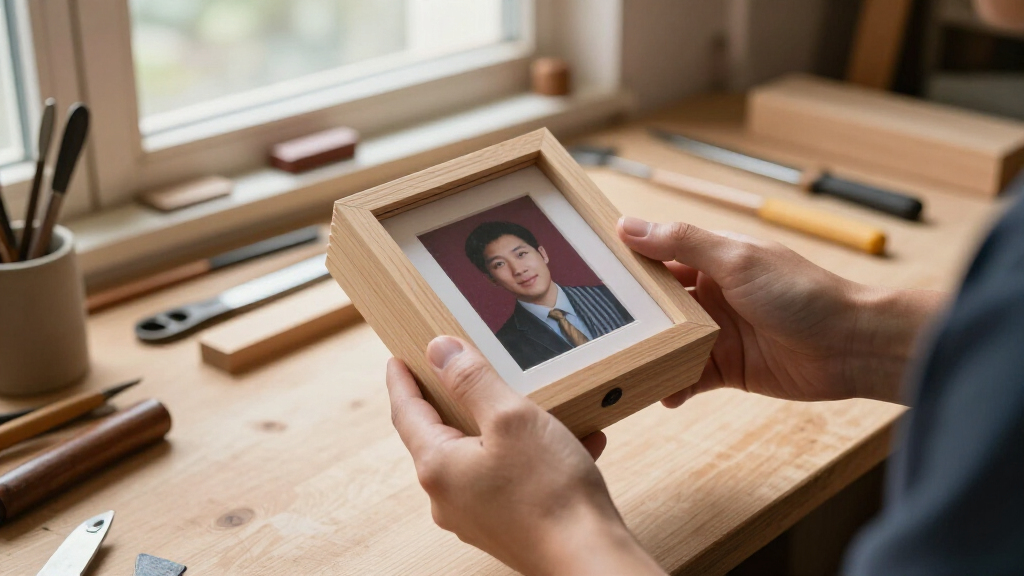
According to sources close to Chitalia, she retained her late father’s passport after his passing and decided to repurpose it creatively. The passport has been carefully preserved and decorated, with some personal items or messages embedded within, turning it into a tangible symbol of memory. Chitalia explained that this act helps her maintain a connection with her father, serving as a physical reminder of his life and their bond.
The transformation was performed with respect and care, emphasizing the emotional significance rather than any commercial or artistic intent. Friends and family have expressed support for her decision, noting that such personal memorial practices can provide comfort during grief.
Why Turning a Passport into a Memory Capsule Matters
This act underscores the diverse ways individuals find comfort and preserve memories of loved ones. It highlights the emotional importance of personal belongings and how they can be transformed into meaningful symbols. For many, such gestures offer a tangible connection to those who have passed away, aiding in the grieving process and personal remembrance. The story also brings attention to a broader cultural trend of personalized memorial practices that blend sentimentality with creativity, resonating with audiences facing similar experiences.Popular right now

Vitamix 5200 Blender with 64 oz Container, Black

TCL 55-Inch T7 Series 4K QLED Smart Google TV, 55T7

De'Longhi La Specialista Touch Semi-Automatic Espresso Machine with Grinder
As an affiliate, we earn on qualifying purchases.
Personal Memorial Practices and Cultural Significance
The practice of repurposing personal belongings as memorials is not new but has gained renewed attention with stories like Chitalia’s. In recent years, individuals have increasingly sought unique ways to honor loved ones, from planting trees to creating art from personal items. In India and globally, personal memorabilia often serve as emotional anchors, especially in the absence of formal memorials. The act of transforming a passport, a document associated with travel and life journeys, into a memory capsule symbolizes the enduring connection between the living and the departed. This story aligns with a broader cultural shift towards personalized grief rituals and keepsakes.“Turning my father’s passport into a memory capsule helps me feel his presence and keeps his memory alive in a deeply personal way.”
— Radhika Chitalia
Unclear Aspects of the Memory Capsule Creation
Details about the specific methods used to transform the passport, such as whether it includes personal items or inscriptions, are not yet confirmed. It is also unclear whether Radhika plans to create more such keepsakes or if this was a one-time act of remembrance. The long-term preservation process and whether the passport will be displayed publicly or kept private remain undisclosed.Future Plans for the Memory Capsule and Memorial Practices
Radhika Chitalia may continue to explore personal memorial projects, possibly sharing her experience with others. There is no official statement on whether she intends to create more memory capsules or advocate for similar acts. The story may inspire others to consider creative ways to honor loved ones, and further details about her ongoing memorial practices could emerge in the coming months.Key Questions
Why did Radhika Chitalia choose to turn her father’s passport into a memory capsule?
She explained that it helps her feel connected to her father and keeps his memory alive in a personal, tangible form.
Is this a common practice for memorializing loved ones?
While not widespread, personal keepsakes and creative memorials have become increasingly popular as ways to preserve memories and cope with grief.
Will she create more memory capsules in the future?
This has not been confirmed; it remains to be seen whether she plans to continue this practice or keep the current capsule as her personal tribute.
Are there any cultural or religious considerations involved?
The story does not specify any particular cultural or religious rituals; the act appears to be a personal choice rooted in emotional significance.
Could this inspire others to create similar memorials?
Yes, stories like this can encourage others to find personalized ways to honor their loved ones, reflecting a broader trend of individual memorial practices.
Source: rss