TL;DR

Get business pricing on tools and workshop supplies
- Business-only prices and quantity discounts
- Tax-exempt purchasing
- Multiple users, one account, clear invoices
Search interest in hydrangea care is rising, driven by gardeners noticing poor blooming. Experts suggest six easy fixes in September to improve next year’s floral display, but some details remain unconfirmed.
Gardeners concerned about their hydrangeas not blooming as expected can now try six proven fixes this September to enhance flowering next year, according to horticultural experts. These simple interventions aim to address common causes of lazy blooming, offering a practical approach for home gardeners eager for vibrant floral displays.
Recent trends show a spike in online searches and garden discussions about hydrangea bloom issues, especially during late summer. Experts confirm that factors such as improper pruning, nutrient deficiencies, and environmental stress can cause hydrangeas to produce fewer flowers or delay blooming. The recommended September fixes include adjusting pruning practices, applying targeted fertilization, managing watering, and protecting plants from late-season stressors.
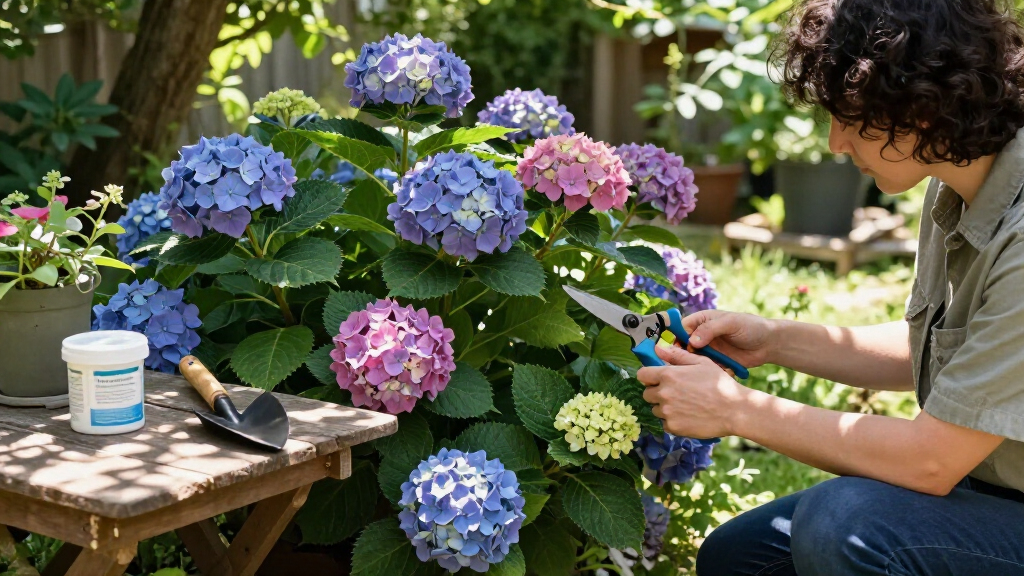
Specifically, horticulturists advise pruning hydrangeas correctly—removing dead or weak stems without cutting back old wood—around early September. Applying a balanced, low-nitrogen fertilizer designed for flowering plants can promote better bud development. Consistent watering during dry spells and mulching to regulate soil temperature are also recommended. Additionally, avoiding late-season pruning that removes potential flower buds is emphasized, as this can significantly impact next year’s bloom.
While these measures are widely supported by gardening experts, some claims about specific products or techniques remain anecdotal, and individual results may vary depending on local climate and soil conditions. Gardeners are encouraged to observe their plants closely and adapt practices accordingly.
Why September Care Matters for Hydrangea Blooms
Implementing these fixes in September can make a tangible difference in the following year’s floral display, especially for varieties prone to lazy blooming. For homeowners and hobbyist gardeners, this guidance offers a cost-effective way to improve plant health and flowering without needing extensive interventions. Additionally, healthy, well-maintained hydrangeas contribute to garden aesthetics and can increase property value. As interest in sustainable gardening grows, these simple, natural care practices align with environmentally friendly landscaping, making them relevant for a broad audience.
As an affiliate, we earn on qualifying purchases.
Hydrangea Blooming Challenges and Seasonal Care Tips
Hydrangeas are among the most popular flowering shrubs, prized for their large, lush flower heads. However, many gardeners experience issues with blooming, often due to improper pruning, nutrient imbalances, or environmental stressors. Traditionally, hydrangeas bloom on old wood or new growth, depending on the variety, which complicates care routines. Recent gardening trends highlight a focus on seasonal adjustments, especially in late summer and early fall, to optimize flowering potential for the next season. The current interest in September fixes reflects a broader effort to extend the blooming period and improve overall plant vigor.
While specific causes of lazy blooming vary, experts agree that timely, targeted interventions during this period can help set the stage for a more abundant display next year. The trend appears to be driven by increased online gardening communities and a desire for accessible, practical advice.
balanced low nitrogen fertilizer for hydrangeas
As an affiliate, we earn on qualifying purchases.
As an affiliate, we earn on qualifying purchases.
Unconfirmed Claims and What Still Needs Clarification
While the recommended fixes are supported by horticultural principles, some specific product claims and detailed timing recommendations remain unverified. It is not yet clear how effective these interventions will be across different hydrangea varieties and climates, and anecdotal reports vary. The impact of late-season fertilization and pruning on long-term flowering success still requires further study, and individual results may depend on local conditions.
As an affiliate, we earn on qualifying purchases.
Next Steps for Hydrangea Care and Monitoring
Gardeners are encouraged to implement these six fixes during September and observe their plants’ responses over the coming months. Experts suggest documenting flowering patterns and adjusting care routines accordingly. As the next growing season approaches, further research and shared experiences will clarify which practices yield the best results. Garden centers and horticultural organizations may also issue updated guidance based on ongoing observations.
As an affiliate, we earn on qualifying purchases.
Key Questions
Can I prune my hydrangea now without harming next year’s blooms?
Yes, if you prune correctly—removing dead or weak stems without cutting into old wood—early September is generally safe for most hydrangea varieties. Avoid heavy pruning that removes potential flower buds.
What type of fertilizer should I use for better blooms?
Use a balanced, low-nitrogen fertilizer formulated for flowering plants. Applying it in September can support bud development for the next season.
How often should I water my hydrangea during September?
Maintain consistent moisture, especially during dry spells, to promote healthy growth. Mulching can help retain soil moisture and regulate temperature.
Will these fixes work for all hydrangea varieties?
While generally beneficial, results may vary depending on the hydrangea type and local climate. Some varieties bloom on old wood, others on new growth, which affects care strategies.
Is it too late to improve blooming if I miss September?
While September is ideal, some improvements can still be made later in the season, but the best results are achieved with timely intervention during this period.
Source: rss
Columbus Day / Indigenous Peoples' Day Picks
long weekend sales
As an affiliate, we earn on qualifying purchases.