TL;DR

Get business pricing on tools and workshop supplies
- Business-only prices and quantity discounts
- Tax-exempt purchasing
- Multiple users, one account, clear invoices
A Nature Yardlife YouTube tutorial demonstrates how to make a small mason bee house from an untreated cedar fence board and removable nesting tubes. The project provides nesting cavities for solitary bees, but the source does not report a measured effect on bee numbers or garden pollination.
A Nature Yardlife YouTube tutorial shows how to turn an untreated cedar fence board into a small, roofed nesting house for mason bees, offering gardeners a way to reuse scrap wood while providing cavities for solitary pollinators. The project uses removable nesting tubes and basic cutting and assembly tools; the source does not provide data showing how many bees the house attracts or whether it increases pollination.
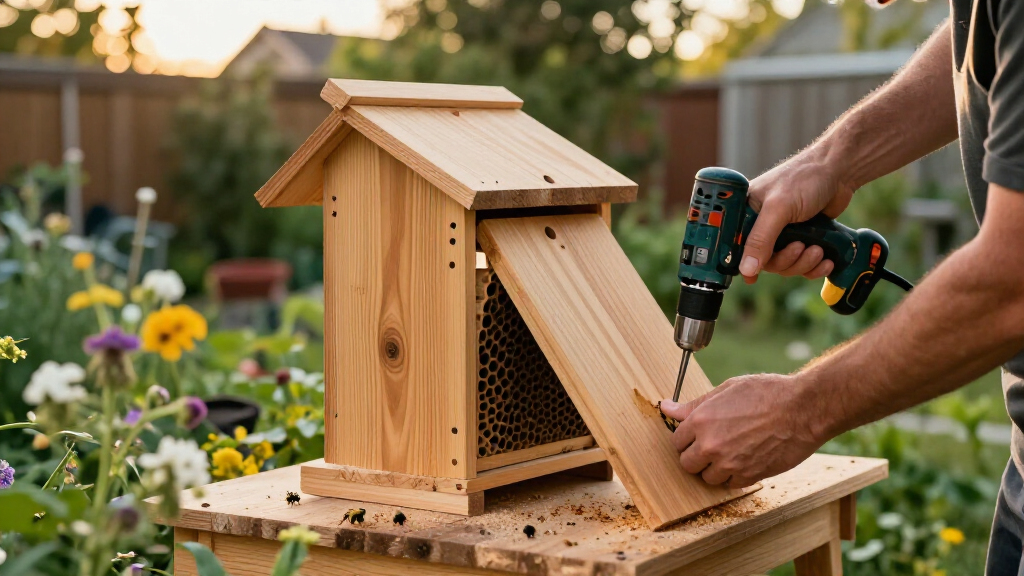
The design described by Hunker has an overhanging roof, an upper space for mason bee tubes and a small interior shelf. The builder can add a divider to create a lower compartment, which the tutorial maker uses for cocoons. That compartment is optional, rather than a required feature of the shelter.
The listed materials include an untreated cedar board, a tape measure, pencil, saw and sandpaper. Assembly can use screws and a drill or a brad nailer with suitable fasteners. The plan also calls for mounting hardware and removable nesting tubes made for mason bees, with paper liners as an option. The report says to select the tubes before cutting so the housing has enough depth to shelter them.
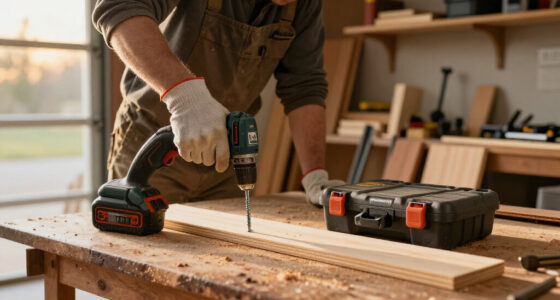
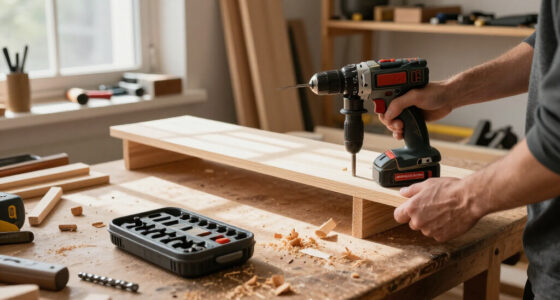
To build the box, the maker cuts matching side panels, with one side taller to angle the roof toward the front, then cuts the back and bottom. After sanding rough edges, the sides, back, floor and roof are fastened together. A scrap-wood strip on the back provides a mounting point. Hunker describes the finished house as a compact structure intended to sit among garden flowers.
A Nesting Place for Mason Bees
The project addresses a need beyond flowers: solitary bees also need suitable places to nest. Mason bees use existing cavities to raise their young rather than living in a shared honeybee-style hive. Tubes in a shelter can provide an alternative to hollow stems and other small spaces they might use naturally, according to Hunker’s report.
For gardeners, the practical point is that a bee house is only one part of making a yard welcoming. The tutorial recommends pairing it with bee-friendly plants, which provide flowers for visiting pollinators. The article presents the structure as a DIY option, not as proof that installing one will attract a particular number of bees or improve a garden’s yield.
As an affiliate, we earn on qualifying purchases.
How the Fence-Board Design Works
The instructions focus on mason bees, a type of solitary bee. Unlike honeybees, they do not share a hive; they use cavities to lay eggs and raise young. The nesting tubes are intended to mimic those sheltered spaces, while the roof helps cover the structure from the elements.
Hunker reports that the tutorial recommends mounting the house firmly beneath cover and facing it east, where it can receive morning sunlight. The report says this can help bees become active after a cool night. It also stresses seasonal care: removable tubes allow maintenance, and nesting material should not simply be reused without proper cleaning or replacement, because parasites and disease can build up.
“The report says removable tubes are useful because parasites and diseases can build up when nesting materials are reused without proper cleaning or replacement.”
— Hunker report
As an affiliate, we earn on qualifying purchases.
What the Tutorial Does Not Measure
The supplied report does not give the tutorial’s publication date, the dimensions of the finished house or a measured outcome for bee use. It is not clear how many bees the structure attracted, whether it was monitored over time or whether it changed pollination in the gardener’s yard. The report also does not specify a cleaning schedule or provide detailed instructions for handling cocoons.
The guidance is specific to a DIY mason bee shelter. It should not be taken as evidence that every bee species will use the tubes, or that a bee house alone will support pollinators without suitable flowers and appropriate care.
As an affiliate, we earn on qualifying purchases.
Build, Mount and Maintain the House
Anyone following the described design would first choose removable tubes and use their length to plan the box’s depth. The builder can then cut and assemble the cedar parts, sand rough edges, attach the roof and mounting strip, and install the tubes. The house should be secured beneath cover and oriented east, following the tutorial’s recommendation.
After installation, the next step is to keep flowers available nearby and inspect the nesting materials seasonally. Hunker’s report advises cleaning or replacing tubes rather than reusing them without proper care. It does not provide a schedule for those checks or say whether the tutorial maker plans to report results from the house.
As an affiliate, we earn on qualifying purchases.
Key Questions
What does the fence-board bee house provide?
It provides nesting cavities for mason bees through removable tubes housed inside a small, roofed wooden structure.
What materials and tools does the project call for?
The report lists an untreated cedar fence board, measuring and marking tools, a saw, sandpaper, fasteners and either a drill or brad nailer. It also calls for mounting hardware and removable mason bee tubes.
Where should the bee house be mounted?
The tutorial recommendation, reported by Hunker, is to mount it firmly beneath cover and face it east for morning sunlight.
Can the nesting tubes be reused?
They are removable for seasonal maintenance, but Hunker warns against reusing nesting material without proper cleaning or replacement because parasites and disease can build up.
Does the report show that the house increased bee numbers?
No measured results are provided. The article describes a DIY design but does not report how many bees used it or whether it affected pollination.
Source: rss
Halloween Picks
halloween
As an affiliate, we earn on qualifying purchases.