
TL;DR

Get business pricing on tools and workshop supplies
- Business-only prices and quantity discounts
- Tax-exempt purchasing
- Multiple users, one account, clear invoices
Caked decks obstruct airflow, forcing your mower to work harder and drain batteries faster. Regular cleaning and applying anti-adhesive coatings can boost runtime and extend mower life.
Imagine mowing your lawn on a sunny Saturday, only to notice your battery-powered mower slowing down halfway through. That sluggishness? It’s often caused by a caked-on deck—grass, dirt, and debris that harden underneath. This buildup chokes airflow, making your mower work harder and draining the battery faster.
Keeping the deck clean isn’t just about appearance. It’s about performance, runtime, and longevity. In this guide, you’ll learn how caked decks kill your mower’s runtime, the latest cleaning and coating tricks, and simple steps to keep your deck clear and your batteries happy.
Caked decks increase motor effort and drain batteries up to 30%, shortening runtime.
Regular cleaning with a plastic scraper and gentle rinsing restores airflow and efficiency.
Applying anti-adhesive coatings can cut cleaning time by half and prevent future caking.
Safety always comes first: disconnect power and wear PPE before working on your mower.
Consistent maintenance extends your mower’s lifespan and keeps it running like new longer.
Caked Decks Kill Runtime: Cleaning and Coating a Battery Mower Deck
Caked grass, dirt, and debris choke the underside of a mower deck, forcing the blade system to work harder. The result is shorter battery runtime, rougher cuts, more heat, and more wear. A simple clean-and-coat routine keeps airflow open and batteries happier.
The deck is the battery’s hidden load.
When airflow is restricted, the motor compensates. That extra effort can translate into up to 20-30% more energy consumption during tough mowing conditions.
Extra energy use from motor load when decks are packed with debris.
Uses between cleanings during normal mowing, sooner in wet grass.
Potential reduction in future caking when the underside is treated.
Cleaning should happen only after battery or power is disconnected.
Grass cake turns airflow into resistance.
A clean mower deck lets clipped grass move cleanly through the cutting chamber. A caked deck behaves like a clogged airway: air stalls, clippings recirculate, blades drag, and the motor pulls more current from the battery.
Restricted lift
Debris narrows the deck cavity, reducing the lift that stands grass up for an even cut.
Higher motor effort
The blade system works harder to maintain speed, which drains the battery faster.
More heat and vibration
Uneven buildup can add vibration, stress bearings, and shorten component life.
Six steps to restore the deck without drama.
Keep the work gentle: plastic tools, controlled water, biodegradable cleaners, and full drying. Avoid bearings, electronics, and aggressive pressure.
Disconnect
Power off, remove the battery, and let moving parts stop fully.
Scrape
Use a plastic scraper or deck brush to loosen hardened grass.
Rinse
Use a gentle hose spray on the underside, avoiding electrical areas.
Foam
Apply biodegradable cleaner for stubborn patches, then rinse again.
Dry
Use a rag or air blower so moisture does not sit on the deck.
Coat
Add a compatible anti-adhesive finish before heavy-growth season.
Cleaning fixes today. Coating helps tomorrow.
The best result is not either-or. Manual cleaning removes existing caking; coatings reduce how quickly grass bonds to the underside next time.
| Method | Runtime impact | Ease | Cost | Best use |
|---|---|---|---|---|
| Manual cleaning | ✓Restores airflow immediately by removing packed grass and dirt. | ~Moderate effort; scraping is often needed after wet mowing. | ✓Low cost: scraper, brush, hose, and mild cleaner. | Essential after every 3-5 uses or whenever buildup is visible. |
| Anti-adhesive coating | ✓Helps prevent future airflow restriction by reducing adhesion. | ✓Usually spray-on or wipe-on after cleaning and drying. | ~Moderate upfront cost, but less time spent deep-cleaning. | Best before mowing season, wet periods, or high-growth months. |
| Skipping maintenance | ✗Can increase energy use and cut runtime under heavy buildup. | ✓Easy now, harder later when debris hardens. | ✗May raise repair risk through heat, vibration, and motor strain. | Only acceptable when the deck is already clean and dry. |
Think of it like wax for the underside.
Hydrophobic or anti-adhesive coatings create a slick barrier, so damp clippings and dirt have a harder time bonding to the deck. That helps preserve airflow between cleanings and can cut cleanup time dramatically.
Choose an outdoor-rated coating compatible with your mower deck material.
Apply only after the underside is clean, dry, and free of loose debris.
Refresh before wet seasons or when grass starts sticking more aggressively.
From packed grass to drained battery.
Runtime loss is rarely mysterious. It usually follows a visible chain from debris buildup to restricted airflow to higher electrical load.
How Caked Decks Drastically Cut Your Mower’s Runtime
A deck covered in grass and dirt acts like a clogged artery for your mower. Think of it like trying to breathe through a straw—when airflow is restricted, the motor has to work much harder to keep the blades spinning. For example, if you mow after a heavy rain, grass tends to stick more stubbornly to the deck, creating a thick layer of debris. This not only reduces airflow but also causes uneven blade rotation, which can lead to vibrations and increased wear on the motor. It’s similar to how a person running with a clogged nasal passage breathes harder and tires faster. Outdoor Pro Masters reports that debris buildup can cause up to a 30% spike in energy consumption, but the real impact is often felt in reduced runtime and increased component stress.
Why does this matter? Because every extra effort the motor makes translates into faster battery depletion and potential overheating. Imagine trying to run a marathon while carrying a heavy backpack—the extra weight drains your energy quickly. Over time, this extra effort can lead to premature motor failure or costly repairs. The solution? Regular cleaning acts like clearing the backpack—restoring airflow and reducing the workload, so your mower can breathe easier, last longer, and cut cleaner, saving you time and money in the long run.
As an affiliate, we earn on qualifying purchases.
Simple Step-by-Step: How to Clean Your Battery Mower Deck Without Hassle
- Power off and disconnect the battery or unplug the mower. Safety first—no accidental starts. For example, before cleaning, imagine turning off a kitchen appliance before scrubbing its parts to avoid shocks or unintended operation.
- Use a plastic scraper or a dedicated deck brush to loosen thick grass and dirt. Keep it gentle to avoid scratching or damaging parts. For instance, think of using a plastic spatula to scrape hardened food from a pan—firm but gentle pressure prevents damage while dislodging stubborn debris. This step is crucial because stubborn debris can embed deeply into the deck surface, much like hardened glue, and scraping helps dislodge it without damaging sensitive components.
- Rinse with a garden hose or pressure washer set on a gentle spray. Focus on the underside, where buildup hides. Proper rinsing flushes out loosened debris, preventing it from hardening again and ensuring airflow remains unobstructed. Imagine rinsing a muddy bike chain—thorough rinsing prevents dirt from settling back in and causing rust or clogs.
- For stubborn spots, spray with a deck cleaning foam or biodegradable degreaser. Let it sit for 5 minutes before rinsing again. Think of how a degreasing agent helps break down greasy kitchen grease—this chemical treatment dissolves organic material and grease that water alone might not remove, ensuring a thorough clean.
- Dry the deck thoroughly with a rag or air blower. This prevents rust formation and makes future cleanings easier. Proper drying is like wiping down a wet window—preventing water spots and rust, and preparing the surface for any coatings you might apply later.
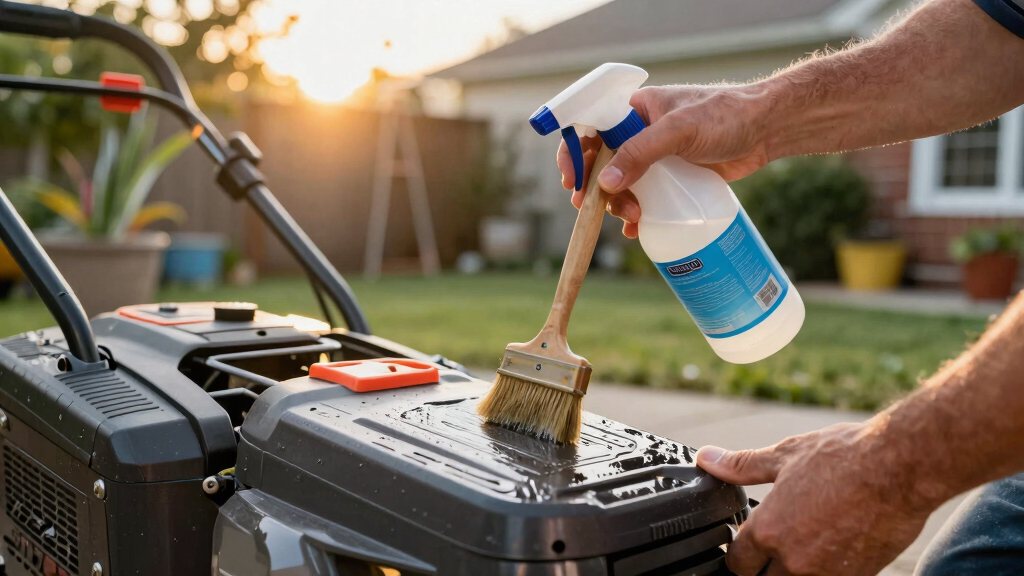
- Optional: Apply an anti-adhesive or hydrophobic coating to the underside. It creates a slick barrier that grass and dirt find hard to cling to, significantly reducing future buildup and cleaning time. Think of it like coating a new car with wax—creating a smooth surface that repels dirt and water, making cleaning easier and less frequent.
Perform this routine after every 3-5 uses, especially during wet seasons or if your grass is particularly thick or damp. Regular maintenance prevents deep-seated buildup, ensuring your mower operates at peak efficiency and prolongs its lifespan. It’s like cleaning your oven regularly—preventing the buildup of grease and grime that would otherwise require more effort to remove later. The tradeoff is minimal effort now for significant gains in performance and durability later.
mower deck anti-adhesive coating spray
As an affiliate, we earn on qualifying purchases.
As an affiliate, we earn on qualifying purchases.
Why Coatings Are Game-Changers for Mower Decks
Anti-adhesive and hydrophobic coatings are like non-stick Teflon for your mower deck. Imagine coating a frying pan with Teflon—it prevents food from sticking, making cleanup easier. Similarly, these coatings create a slick surface that grass and dirt find hard to cling to. For example, during damp mornings, grass tends to stick more stubbornly—coatings like these help prevent that, keeping your deck cleaner longer. Applying a coating before the mowing season begins is like putting a raincoat on your deck—protecting it proactively. A coated deck resists caking, maintains airflow, and reduces the frequency of deep cleans. Outdoor Pro Masters reports that coated decks can cut cleaning time by up to 50% and reduce caking by nearly 40%. Think of it as giving your mower a protective shield, much like how a good pair of rain boots keeps your feet dry during a downpour, helping your mower stay cleaner and more efficient.
Choosing the right product—look for those labeled for outdoor use and compatible with your deck material—ensures durability. A quick spray or wipe-on application can significantly reduce future maintenance efforts, especially during wet or high-growth periods. Think of it as applying a wax to your car—once done, it’s easier to wash off dirt and mud next time. This proactive approach ultimately translates into longer intervals between intensive cleanings, preserving your mower’s performance and extending its service life.
As an affiliate, we earn on qualifying purchases.
Comparison: Manual Cleaning vs. Coatings — Which Matters More?
| Method | Effectiveness | Ease of Use | Cost | Best For |
|---|---|---|---|---|
| Manual Cleaning | Removes existing buildup, restores airflow, and prevents immediate issues; essential for maintaining optimal performance. For instance, if you notice thick patches of grass hardened on the deck after a rainy week, manual cleaning is like removing a layer of hardened glue—restoring the deck’s smooth surface and airflow. | Moderate effort, some scraping needed. Proper technique ensures thorough removal without damaging sensitive parts, but it requires time and physical effort. Think of it as scrubbing a stubborn stain from clothing—requires elbow grease but is effective. | Low; only tools and cleaning products needed, making it accessible for most users. However, neglecting regular cleaning can lead to higher costs due to component wear, like how ignoring oil changes in a car leads to engine damage. | Regular maintenance, stubborn caking, and immediate performance restoration. It’s the foundation of mower care, preventing long-term damage. |
| Applying Coatings | Prevents future caking, reduces cleaning frequency, and prolongs the lifespan of your deck. For example, applying a hydrophobic coating before the season starts is like sealing a wooden deck—water and dirt bead up and roll off, making future cleaning easier and less frequent. It’s a preventative measure that keeps the deck cleaner longer, especially during rainy or humid periods. | Quick, minimal effort—typically a spray or wipe-on process. It’s an effective way to reduce routine cleaning time and effort, especially during busy seasons. Think of it as putting on a raincoat—simple but protective. | Moderate; coating products cost extra but are a worthwhile investment for long-term savings and convenience. They also help protect against corrosion and environmental damage, much like applying rust-proof paint on a metal fence. | Seasonal prep, long-term savings, and maintenance of optimal airflow. Ideal for proactive property-care routines and extending deck life. |
While manual cleaning is indispensable for removing existing debris and ensuring immediate performance, coatings serve as a preventative shield that minimizes future buildup and simplifies cleaning tasks. Combining both methods provides a comprehensive strategy—manual cleaning handles current issues, while coatings reduce the effort needed over time. Think of it like maintaining a bicycle: cleaning out the gears and applying lubricant both keep it running smoothly longer. This synergy maximizes your mower’s efficiency, lifespan, and your overall property-care investment.
battery powered mower maintenance kit
As an affiliate, we earn on qualifying purchases.
As an affiliate, we earn on qualifying purchases.
Frequently Asked Questions
How often should I clean my mower deck?
Aim to clean the deck after every 3-5 uses, especially during wet or high-growth periods. Regular maintenance prevents buildup and keeps your mower performing at its best.What’s the easiest way to remove caked grass?
Use a plastic scraper or a dedicated deck brush to loosen stubborn debris. Follow up with a gentle rinse using a garden hose or pressure washer set on a low setting. Applying a deck cleaning spray can help dissolve tougher buildup.Do coatings really prevent caking?
Yes, anti-adhesive or hydrophobic coatings create a slick, non-stick surface that reduces grass and dirt adhesion. They make cleaning quicker and cut down on caking over time.Can I pressure wash my mower deck?
Yes, but use a gentle setting and avoid directing high-pressure water at bearings or electrical parts. Proper technique ensures you clean effectively without damage.Will cleaning and coating extend my mower’s lifespan?
Absolutely. Proper maintenance reduces strain on the motor and battery, preventing premature wear and prolonging the overall life of your mower.Conclusion
Keeping your mower deck clean isn’t just about looks—it’s about performance and longevity. Investing a few minutes to clean and coat the deck can significantly extend your runtime and protect your investment. Think of your mower as a machine that breathes better, lasts longer, and cuts cleaner when it’s well cared for.
Next time you mow, remember: a clean deck isn’t a chore—it’s a game-changer. Your mower will thank you, and so will your lawn.
Fall yard work Picks
leaf blowers
As an affiliate, we earn on qualifying purchases.