
TL;DR
Ideal Home’s November rose-care report outlines five maintenance jobs: remove dead or diseased growth and fallen leaves, secure vulnerable stems, mulch around roots and protect container roses from frost. Experts quoted in the report advise against hard pruning now; timing and protection needs vary with the plant and local conditions.
Ideal Home has published five November care tasks for gardeners preparing roses for winter: tidy damaged growth, clear fallen leaves, tie in climbing or rambling stems, mulch around the base and protect vulnerable plants from frost. Experts quoted in the report say the work is mainly about cleaning up and protecting roses, not carrying out a hard prune.

Get business pricing on tools and workshop supplies
- Business-only prices and quantity discounts
- Tax-exempt purchasing
- Multiple users, one account, clear invoices
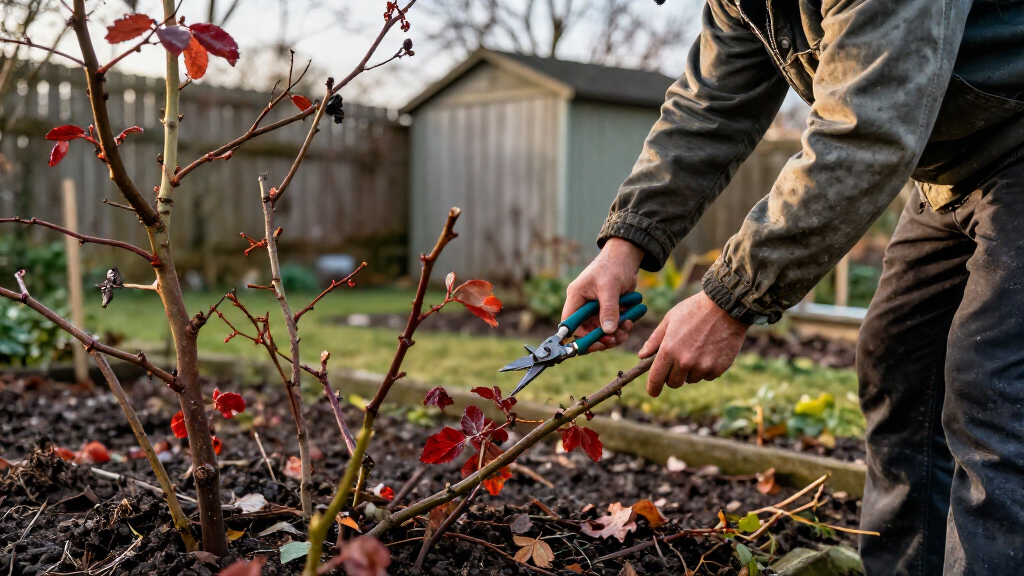
The report advises cutting out dead, damaged or diseased wood with sharp secateurs, while leaving major pruning until spring. For bush roses, British Garden Centres’ head of plants Julian Palphramand recommends cutting back long, whippy stems by about a third to reduce movement in strong winds. He also advises securing new growth on climbing and rambling roses.
Fallen leaves and other debris should be removed from around the plant. Floral expert Shelley Davis of Flying Flowers and florist and gardening expert David Denyer of eflorist say rose leaves affected by black spot or other disease should be taken away from the border rather than left on the soil. The report advises disposing of dead or diseased material elsewhere, not putting it in a compost bin.
For root protection, the report recommends spreading a layer of mulch about 5 centimetres thick over the surrounding soil, while leaving a small gap around the main stems. Suggested materials include well-rotted compost, leaf mould or organic mulch. For container roses, Denyer advises moving pots to a sheltered spot and raising them slightly to aid drainage; Davis suggests wrapping them in hessian, bubble wrap or horticultural fleece.
Winter Care Without Hard Pruning
These tasks aim to reduce avoidable winter damage and disease risk before roses begin growing again. Removing infected foliage can help limit the material in which fungal spores may persist, while tying in exposed stems can reduce the risk of wind damage. Mulch can insulate roots and retain moisture, and pots are more exposed to freezing temperatures than plants growing in the ground.
The advice is practical rather than a guarantee of next season’s results. Rose varieties, planting conditions and local weather differ, so gardeners may need to adapt the steps to their plants. The central distinction in the report is between light autumn tidying and hard pruning later.
Popular right now

Samsung 48-Inch S90F OLED 4K Smart TV (2025)

Dyson Car+Boat Cordless Handheld Vacuum

LG 55-Inch QNED73B Mini LED 4K Smart TV (2026)
As an affiliate, we earn on qualifying purchases.
Five Tasks Before Winter Sets In
The source frames November as a shift from the watering, feeding, deadheading and pruning associated with the growing season to autumn and winter maintenance. Denyer says most roses will have finished flowering and entered dormancy by this point, although conditions can vary. The report presents the jobs as preparation over the coming weeks, ahead of winter weather.
Its guidance is attributed to Denyer, Davis and Palphramand, rather than presented as a single universal schedule. It recommends dry grass clippings if used as mulch, warning that wet clippings can mat together, and advises against fresh wood chips because they can tie up nitrogen as they break down.
“With dropping temperatures, the first frost and winter setting in, November marks an important month for looking after roses.”
— David Denyer, florist and gardening expert at eflorist, as quoted by Ideal Home
Weather and Rose Needs Vary
The source does not give a publication date or identify a specific region, so its November timing should be read as seasonal advice rather than a forecast for every location. It does not specify different instructions for each rose variety, nor set a single date for spring pruning. The onset of frost, severity of winter conditions and whether a rose is newly planted or container-grown can affect how much protection it needs.
The report also does not claim that these measures prevent all disease or guarantee more blooms. Gardeners should check the condition of their own plants and adjust protection to local weather and growing conditions.
Continue Checks Through Winter
Over the coming weeks, gardeners can complete the cleanup and secure vulnerable stems before stronger winds and freezing weather arrive. Check ties after storms so they remain secure without constricting growth, and monitor container roses in sheltered positions for drainage and frost exposure.
When winter has passed, follow suitable spring pruning guidance for the rose type and local conditions. The Ideal Home report does not provide a fixed calendar date for that work; it advises reserving hard pruning for spring rather than doing it as part of November tidying.
Key Questions
Should roses be hard-pruned in November?
No, according to the experts quoted in the report. November is for removing dead, damaged or diseased wood and tidying plants; the report says to leave hard pruning until spring.
What should I do with fallen rose leaves?
Clear leaves and debris from around the base, especially leaves with black or yellow patches. The report advises removing diseased material from the border and not putting it in a compost bin.
How should I protect a potted rose from frost?
Move the pot to a sheltered place, raise it slightly to improve drainage and consider wrapping it in hessian, bubble wrap or horticultural fleece, secured with twine.
What mulch is suitable for roses in November?
The report suggests well-rotted compost, leaf mould or organic mulch. Apply a layer of about 5 centimetres over the surrounding soil, leaving a gap around the main stems. Avoid fresh wood chips and do not use wet grass clippings.
Source: idealhome.co.uk