TL;DR
Overloading in battery mowers often happens when mowing thick or wet grass. Preparing your lawn, choosing a powerful mower, and using proper mowing techniques can help you avoid trips and get the job done smoothly.
Pre-trim tall patches with a weed whacker to reduce resistance before mowing.
Choose a battery mower with high capacity and smart overload sensors for tougher lawns.
Work in stages—mow in multiple passes and avoid trying to clear all at once.
Maintain blades and batteries regularly to keep overload trips at bay.
Disabling overload protection is risky; better to prep your lawn or upgrade your equipment.
Cutting Overgrown Grass With a Battery Mower Without Tripping Overload Protection
TL;DR: Overload trips usually happen when thick, wet, or tall grass forces the motor to pull too much current. Prep the lawn, start high, mow in stages, keep blades sharp, and use a mower with enough battery capacity and smart overload management.
Reduce resistance before the mower has to fight it.
Modern smart overload sensors can improve overgrown grass handling by adjusting power delivery in real time, but the cleanest win is still mechanical: less height, less moisture, fewer debris spikes.
Overload protection is a circuit breaker for your mower.
Overload protection detects excessive current draw when the blade meets too much resistance. Dense growth, wet clippings, dull blades, and hidden debris can all push the motor past its safe threshold.
The shutdown is frustrating, but it protects the motor, battery, electronics, and wiring from heat damage. The goal is not to bypass the safety system; the goal is to keep the mower working inside its comfort zone.
Tall grass
Long stems bend, bunch, and wrap around the blade path. Pre-trim the worst patches before mowing.
Wet growth
Moist clippings become heavy and sticky, creating uneven drag and clogging the deck faster.
Dull blade
A dull edge tears instead of slicing, forcing the motor to spend more power on every inch.
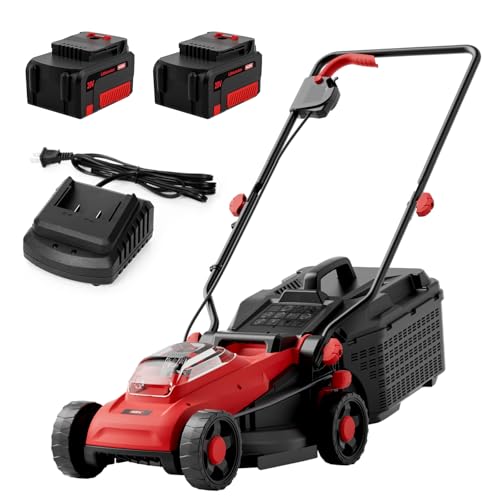
MZK 20V 13" Electric Lawn Mower, Brushless Cordless Lawn Mower with 4-Position Height Adjustment, Walk-Behind Push Mowers with 8 Gallon Grass Bag, 2 x 4.0Ah Batteries & Charger Included, LM13G8
High-Performance Brushless Motor: The cordless lawn mower features a brushless motor that delivers 2800 RPM on Low and…
As an affiliate, we earn on qualifying purchases.
As an affiliate, we earn on qualifying purchases.
Use staged passes instead of one heroic cut.
For a lawn that has not been cut in weeks, reduce load before each pass. The workflow below keeps current spikes down and gives the motor and battery time to recover.
Pre-trim
Knock down waist-high patches with a string trimmer or pruning shear.
Wait dry
Mow after dew or rain has cleared so clippings move through the deck.
Start high
Use the highest cut setting for the first pass, then lower gradually.
Section it
Work in smaller zones and slow your pace when the grass thickens.
Cool down
Pause between heavy passes and swap in a charged spare battery.

12V 2A Lead-Acid Battery Charger and Maintainer, Trickle Charger for Lawn Mower, Car, Boat, ATV, SLA/AGM Batteries, 2000mA Smart Charger Desulfator
For all 12V valve-controlled maintenance-free lead-acid batteries (motorcycle battery, car battery, backup power, ups, emergency power, solar, audio,…
As an affiliate, we earn on qualifying purchases.
As an affiliate, we earn on qualifying purchases.
What helps, what hurts, and what costs you a shutdown.
| Action | Trip risk | Motor stress | Result | Recommendation |
|---|---|---|---|---|
| Pre-trim tall patches | ✓ Lower | ✓ Reduced | Cleaner first pass | Do before mowing |
| Mow wet overgrowth | ✗ Higher | ✗ Heavy | Clogs, drag, shutdowns | Wait for dry grass |
| Start at max cutting height | ✓ Lower | ✓ Controlled | Less resistance per pass | Best first pass |
| Disable overload protection | ~ Unclear | ✗ Risky | Possible motor damage | Avoid unless manufacturer allows it |
| Sharpen blades and clean deck | ✓ Lower | ✓ Reduced | More efficient cutting | Maintain regularly |

BLACK+DECKER Weed Eater, Lawn Edger and Cordless Lawn Mower 3 in 1 Combo, Includes (2) Batteries, Charger, 12 Inch Battery Powered String Trimmer and Lawnmower, Adjustable Length and Height (MTC220)
Convertible Design: The removable wheeled deck allows quick transformation into a small lawn mower for versatile yard care
As an affiliate, we earn on qualifying purchases.
As an affiliate, we earn on qualifying purchases.
The overload equation: density, moisture, power reserve.
Power helpers for thick grass
Choose mower features that maintain torque and avoid voltage sag under heavy cutting load.
Resistance spectrum
Dry, trimmed grass keeps the mower in the green zone. Wet, dense overgrowth pushes it toward overload.

UPLUS U1 Riding Lawn Mower Battery, 12V 360CCA Garden Tractors Battery Maintenance Free AGM Batteries, Fit for John Deere, Cub Cadet, Husqvarna, Craftsman, Toro, Ariens, Poulan Pro and Troy-Bilt
LONGEVITY OVER 5 YEARS — BCI Group U1 Battery Replacement, 12V 26Ah, 360A CCA Sealed Lead Acid AGM…
As an affiliate, we earn on qualifying purchases.
As an affiliate, we earn on qualifying purchases.
Features that make overgrown lawns manageable.
High-capacity packs
Look for 5Ah or higher batteries, plus a spare pack for long recovery cuts. Higher capacity helps the mower sustain power without voltage drops.
Brushless motors
Brushless designs typically run cooler and convert battery energy into blade torque more efficiently under load.
Adjustable heights
A wide height range lets you begin high, remove bulk, and finish lower after the lawn is already easier to cut.
Smart overload sensors
Newer systems can reduce draw during resistance spikes, then restore power when the blade path clears.
How a smooth cut happens.
Each step reduces resistance before it becomes a current spike. Follow the chain and overload protection stays in the background where it belongs.
What is Overload Protection in Battery Mowers—and Why Does It Trip?
Overload protection in battery mowers acts like a safety valve. It detects when the motor is pulling too much current—usually when faced with dense, tall, or wet grass—and automatically cuts power to prevent damage. Think of it as a circuit breaker that trips when things get too hot or there’s too much resistance.
This system is vital for prolonging your mower’s lifespan. But if you’re tackling overgrown patches, it can be a real hassle. The mower senses heavy resistance and stops, forcing you to restart or slow down. Understanding how this works helps you avoid triggering it unnecessarily.
By comprehending the mechanics of overload protection, you recognize that it’s essentially a safeguard against overheating and electrical stress. When the mower detects resistance beyond its designed threshold, it trips to prevent permanent damage. The tradeoff, however, is that during challenging conditions like thick grass, this safety feature can be overly sensitive, leading to frequent interruptions. Knowing this allows you to adjust your mowing approach—such as reducing resistance or choosing a more capable mower—to balance safety with efficiency.
Why Overgrown Grass Triggers Tripping — and How to Prevent It
Thick, wet, or tall grass increases resistance against the blades, making the motor work harder. If your mower’s overload protection kicks in, it’s often because it’s overwhelmed by the density. Imagine trying to cut through a patch of grass taller than your waist—your mower’s motor is suddenly under stress.
To prevent this:
- Pre-trim with a weed whacker or hedge trimmer to cut down tall patches first. This reduces the load your mower faces, minimizing the risk of overload trips.
- Mow in multiple lighter passes—don’t try to clear the lawn all at once. This approach distributes the workload, preventing the motor from being overwhelmed during any single pass.
- Adjust the cutting height to a higher setting for initial passes, then lower as the grass gets shorter. Higher cuts reduce resistance, easing the load on the motor and decreasing the likelihood of trips.
- Remove debris—sticks or stones—so they don’t add extra resistance or cause damage. Debris can cause sudden spikes in resistance, leading to overload trips or damage.
Implementing these strategies means your mower is less likely to trip unexpectedly, but it also requires understanding that overgrown conditions inherently demand more from your equipment. The tradeoff is that patience and preparation will save you time and frustration in the long run.
How to Mow Overgrown Grass Without Overloading Your Battery Mower
Follow these steps to keep your mower running smoothly over thick grass:
- Prep first: Use a weed whacker or pruning shear to trim the tallest patches. This step is crucial because it reduces the immediate resistance faced by the mower, allowing it to operate more efficiently and with less risk of overload trips. Think of it as giving your mower a head start—less resistance means less stress on the motor and batteries.
- Choose the right time: Mow when the grass is dry. Wet grass is not only heavier but also tends to stick to blades and create uneven resistance, increasing the likelihood of overload trips. Dry conditions help maintain consistent cutting and reduce the strain on your mower.
- Set your mower higher: Start at a higher cut setting, then gradually lower it across multiple passes. This incremental approach minimizes resistance at each stage, allowing the motor to adapt gradually rather than being hit with a sudden load.
- Work in stages: Divide your lawn into sections and tackle one at a time. This prevents the mower from being overwhelmed by the total resistance of the entire overgrown area, reducing the chance of trips and overheating.
- Keep batteries healthy: Fully charge before mowing, and switch to a spare if the first runs low during a big cut. Proper battery management ensures consistent power delivery, preventing voltage drops that could trigger overload protection.
For example, if your lawn hasn’t been cut in weeks, don’t try to mow all at once. Instead, take a 15-minute break after each pass to let the motor cool down, and keep your blades sharp for easy cutting. This patience allows the motor to operate within safe limits, reducing the risk of overload trips and prolonging the lifespan of your equipment.
What Features in a Battery Mower Help You Handle Thick Grass
Not all battery mowers are created equal, especially when facing overgrown patches. Look for these features:
- High-capacity batteries: 5Ah or more are essential because they provide longer runtime and greater power reserves, which are critical when mowing dense, tall grass. A larger capacity means the mower can sustain higher loads without dropping voltage or shutting down prematurely.
- Brushless motors: Offer better efficiency and durability under heavy loads. They generate less heat and require less maintenance, which translates into more consistent performance during tough mowing conditions.
- Adjustable cutting heights: Allow you to start with a higher setting, reducing resistance initially. As the grass shortens, lowering the height makes subsequent passes easier and reduces strain on the motor.
- Smart overload sensors: Some models dynamically adjust power in real-time, reducing the likelihood of trips without sacrificing cutting performance. These sensors detect resistance spikes and modulate power accordingly, providing a balance between performance and safety.
Choosing a mower with these features means you’re equipping yourself with tools that can adapt to challenging conditions, making overgrown patches manageable without constant interruptions or damage risk. The tradeoff often involves a higher upfront cost, but the increased reliability and efficiency can save money and time over the mower’s lifespan.
Recent Tech Boosts in Battery Mowers for Overgrown Lawns
Latest innovations are making it easier to mow tough lawns with less fuss. Here’s what’s new:
- Enhanced battery tech: Lithium-ion packs with higher capacities and faster recharge times—some up to 80% charge in 30 minutes—mean you spend less time charging and more time mowing, especially important for large overgrown areas.
- Smart overload management: Microprocessors that adjust power in real time help prevent overload trips by reducing draw during resistance spikes, then restoring full power when conditions ease. This ensures continuous operation without risking motor damage.
- Multi-speed modes: Allow you to select lower speeds for dense patches, reducing resistance and preventing overloads, then switch to higher speeds for regular grass, optimizing performance and efficiency.
- Adjustable blades and cutting modes: Provide tailored settings for different grass conditions, which helps minimize resistance and load on the motor, especially in overgrown patches.
For example, a model equipped with smart sensors can detect resistance levels and automatically adjust power output, maintaining cutting efficiency while protecting the motor from overload. These technological advances mean less manual intervention and fewer trips, making mowing overgrown lawns more manageable and less frustrating.
Quick Comparison: Battery Mowers for Overgrown Grass
Feature Basic Model Advanced Model Battery Capacity 3-4Ah 6-8Ah Motor Type Brushed Brushless Overload Management None or basic Smart sensors and adaptive power Adjustable Heights Limited Multiple settings, including high initial cuts Price Range $200–$400 $500–$800 Maintenance Tips to Keep Your Mower From Tripping Out
Keeping your mower in top shape helps prevent overload trips. Here’s what to do:
- Sharpen blades regularly: Dull blades require more power to cut, which increases the load on your motor and the risk of trips. Sharp blades cut more efficiently, reducing resistance and strain.
- Clean the deck and vents: Grass clippings and debris can clog airflow and cooling pathways, causing the motor to heat up and trip. Regular cleaning ensures optimal operation and heat dissipation.
- Charge batteries fully and store properly: Proper battery maintenance prevents voltage drops that can cause overload protection to trigger prematurely. Store batteries in a cool, dry place to preserve capacity and lifespan.
- Inspect and replace worn parts: Worn belts, damaged gears, or loose components add resistance and can cause strain on the motor. Regular inspections catch issues early, maintaining smooth operation and reducing overload risk.
Consistent maintenance not only extends your mower’s lifespan but also ensures it performs reliably under demanding conditions, minimizing unexpected overload trips during tough patches.
Can I Disable Overload Protection to Mow Thick Grass?
Disabling overload protection isn’t recommended. It’s a safety feature designed to prevent motor damage and electrical failures. Bypassing it exposes your mower to significant risks—overheating, burning out the motor, or causing electrical fires—especially under heavy load conditions like overgrown grass.
If overload trips are frequent, it indicates your equipment may be underpowered or improperly maintained. Instead of disabling safety features, consider upgrading to a model with higher capacity, better overload management, or more robust motors. Proper lawn preparation—like trimming tall patches—and using appropriate techniques will also reduce overload risks. Always adhere to your mower’s manual and safety guidelines to ensure safe and effective operation.
Frequently Asked Questions
How can I mow overgrown grass without tripping the overload protection?
Pre-trim tall patches with a weed whacker, mow in stages, and choose a mower with a powerful battery and smart overload sensors. This approach keeps trips to a minimum while getting the job done.What features should I look for in a battery mower for thick grass?
Prioritize high-capacity batteries (5Ah+), brushless motors, adjustable cutting heights, and smart overload sensors. These features help the mower handle resistance better and prevent trips.Is it safe to disable overload protection to mow thick grass?
No, disabling overload protection risks damaging your mower’s motor and electrical system. Instead, prep the lawn properly or select a heavier-duty model designed for tough conditions.Can a battery mower handle very tall or dense grass?
For extremely overgrown lawns, a gas-powered mower or professional equipment might be more effective. Battery models excel with regular to moderately thick grass but have limits with dense overgrowth.What maintenance tips help prevent overload trips?
Keep blades sharp, clean debris from the deck, fully charge batteries before use, and replace worn parts. Good maintenance reduces resistance and keeps your mower running smoothly.Conclusion
Mowing overgrown grass with a battery mower without trips is all about preparation and smart choices. Use high-capacity batteries, pick models with adaptive tech, and take it slow in dense patches. With patience and the right tools, your lawn will look neat without constant interruptions. Remember—if the grass gets too thick, sometimes a gas mower or professional help is the smarter move.