TL;DR
Real estate professionals identify seven yard conditions that can make a home look neglected or visually cluttered: overgrown grass, dead plants, outdoor junk, damaged fences, excessive ornaments, poorly installed artificial turf and abandoned vehicles or equipment. They also stress that curb appeal is subjective, and that intentional, maintained landscaping does not have to be perfectly manicured.
A home and garden report identifies seven common yard conditions that can make a property appear neglected or cluttered, including overgrown lawns, dead shrubs, outdoor junk, damaged fences, excessive decorations, poorly installed artificial turf and abandoned vehicles or equipment. Real estate professionals quoted in the report say maintenance and presentation are more widely shared concerns than personal preferences about garden style.

Get business pricing on tools and workshop supplies
- Business-only prices and quantity discounts
- Tax-exempt purchasing
- Multiple users, one account, clear invoices
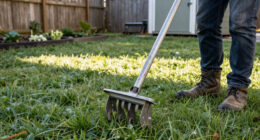
The report distinguishes between upkeep problems and choices that are mainly matters of taste. Tall grass and weeds may make a yard look uncared for, but broker Erik Leland says a less conventional landscape can still work when it is intentional. He points to meadow-style yards and pollinator gardens with defined paths and maintained edges as alternatives to closely mown lawns.
Dead or overgrown trees and shrubs can also affect how people perceive a property. Agent Ben Mizes says dead shrubs may seem like a small issue but can give visitors the impression that routine maintenance has been neglected. Broken or leaning fences and rotting outdoor structures can add to that impression. Real estate expert Cameron Walker says an older fence need not be replaced if it can be repaired or painted; Leland advises removing a shed or play structure if it is beyond repair.
Other concerns involve what is stored or displayed outside. Broken furniture, lumber, lawn equipment and abandoned vehicles can make a yard feel cluttered; Realtor Dell Jeanty says keeping outdoor areas organized can help a property and street feel cleaner. Walker and Mizes caution that too many ornaments can compete for attention, even when individual decorations are welcome. The report also cites poorly fitted artificial turf, bins left near the front of a house all week and holiday inflatables that have deflated during the day as potential curb-appeal problems.
7 Yard Eyesores That Can Diminish Curb Appeal
Real estate professionals say visible neglect and clutter can shape first impressions. A deliberate, well-kept yard does not need a perfectly manicured lawn.
Upkeep issues
These conditions may make a property seem neglected.
Overgrown grass
Mow the lawn or define paths and maintained edges for an intentional alternative.
Dead or overgrown plants
Remove dead plant material; neglected shrubs can suggest routine upkeep has slipped.
Damaged fences
Repair or paint an older fence when practical; remove structures beyond repair.
Poorly fitted artificial turf
Material quality and installation affect how the turf looks.
Clutter and competing details
Clearing and organizing prominent outdoor areas can help the home and street feel more welcoming.
- Broken furniture, lumber and unused lawn equipment
- Abandoned vehicles or equipment
- Bins left near the front after collection day
- Group ornaments so they do not compete for attention
- Put away holiday inflatables when deflated
- Keep distinctive landscaping intentional and maintained
Choose practical fixes
Start with visible maintenance and work within the property’s needs and the owner’s preferences.
Identify dead plants, disrepair and items that make outdoor spaces feel cluttered.
Handle simple upkeep, sort unused items and repair fences where possible.
Defined paths and maintained edges can support a meadow-style yard or pollinator garden.
What the report can show
| Question | What the source says |
|---|---|
| Do yards need a manicured lawn? | No. Alternative styles can work when intentional and maintained. |
| Do these features prove lower home values? | No. The source provides no sale-price data or measured value impact. |
| Are ornaments always a problem? | No. Preferences vary; too many competing items may look cluttered. |
How Yard Upkeep Shapes First Impressions
Curb appeal can influence how a home is perceived by visitors, neighbors and prospective buyers, though the source offers no measured effect on sale prices or property values. The practical takeaway from the professionals quoted is that visible maintenance issues may signal wider neglect, while clutter can distract from a home and its landscaping.
The distinction matters for homeowners deciding where to spend time or money. The report does not argue that every yard needs a uniform, manicured look: defined, maintained alternatives can preserve a deliberate design without copying a conventional lawn. Repairs, clearing unused items and grouping decorations may address presentation without requiring a full redesign.
Popular right now

Bose QuietComfort True Wireless Earbuds with Active Noise Cancellation, Bluetooth 5.3, USB-C Charging, IPX4, Black

Vitamix 5200 Blender with 64 oz Container, Black

Apple AirPods Pro 3 Wireless Earbuds with Active Noise Cancellation
As an affiliate, we earn on qualifying purchases.
Maintenance Versus Personal Taste
The source frames its list as a guide to common neighborhood complaints, not a formal ranking or universal standard. It notes that people disagree about lawn ornaments, artificial turf and landscaping styles. What one person sees as playful or distinctive, another may consider cluttered or unattractive.
Its examples extend beyond the seven main categories: the report also mentions garbage and recycling bins left out beyond collection day, novelty decorations such as plastic flamingos, and deflated inflatables. Those examples reinforce the difference between subjective design choices and visible disrepair. Leland’s advice on meadow-style yards and Walker’s comments about repairing older fences offer alternatives to replacing or removing everything that looks unconventional.
“A yard that is basic is not a problem as long as it is well kept.”
— Erik Leland, real estate broker
No Universal Curb Appeal Standard
The source does not identify a survey, formal study, publication date or measured relationship between these yard features and home values. The observations are attributed to real estate professionals and should be read as expert opinions about presentation, not proof that any one feature lowers a sale price.
It is also unclear how local conditions affect the advice. Homeowners’ rules, neighborhood expectations, climate, maintenance needs and personal preferences vary. A pollinator garden or artificial lawn may be welcome in one community and disliked in another; the source does not provide local guidance or a single standard for judging either.
Practical Fixes Start With Inspection
The report gives no scheduled follow-up or policy change. Its suggestions point to ordinary maintenance decisions: mow or define paths, remove dead plant material, sort or store unused items, repair fences, and group ornaments so they do not overwhelm the landscaping. Owners considering artificial turf can pay attention to material quality and installation, which Mizes says affect how it looks.
For larger items, the source recommends removing outdoor structures that are not worth repairing and keeping bins or vehicles out of prominent view where practical. Which changes make sense will depend on a homeowner’s budget, property and preferences; the report does not present a required checklist or claim that every listed feature must be removed.
Key Questions
What yard features does the report identify as common eyesores?
It highlights overgrown lawns and weeds, dead trees or shrubs, outdoor clutter, damaged fences, excessive decorations, poorly installed artificial turf, and abandoned vehicles or equipment. The report also mentions bins left out after pickup, deflated inflatables and neglected outdoor structures.
Does a yard need a perfectly manicured lawn to have curb appeal?
No. Broker Erik Leland says a basic or alternative yard can work if it is well kept and intentional. The report gives meadow-style landscaping and pollinator gardens with defined paths and maintained edges as examples.
Do yard ornaments always hurt curb appeal?
No. The source treats ornaments as a matter of taste. Real estate professionals quoted say a few decorations can add personality, while too many competing items may look cluttered.
Does the report show that these features lower a home’s value?
No. It provides no sale-price data or quantified value impact. The professionals describe how some features may affect first impressions and perceived upkeep, not a proven financial effect.
Source: familyhandyman.com