
TL;DR

Get business pricing on tools and workshop supplies
- Business-only prices and quantity discounts
- Tax-exempt purchasing
- Multiple users, one account, clear invoices
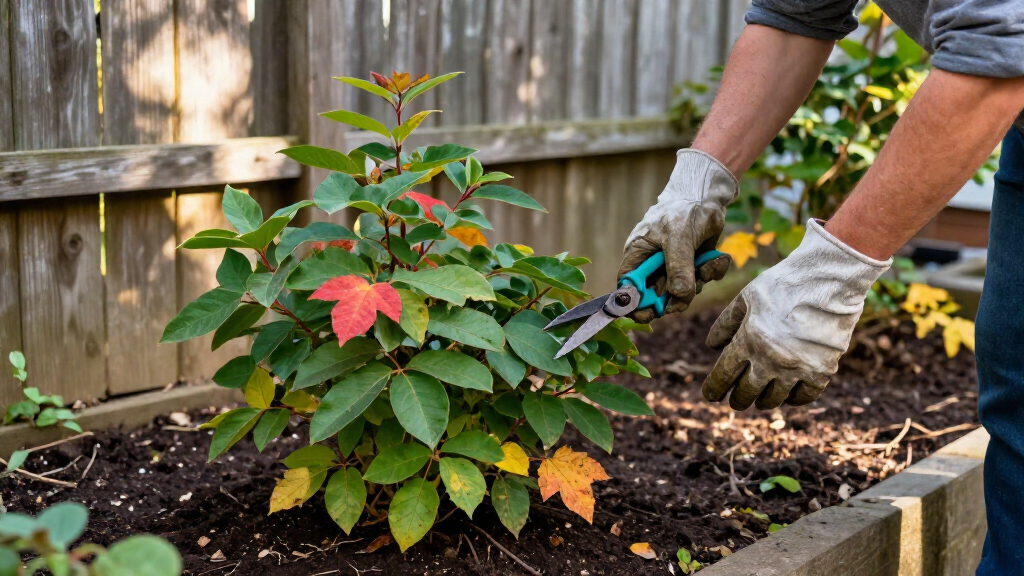
An Hunker report recommends leaving 11 shrubs unpruned in October because fall cuts can remove next spring’s flower buds or prompt growth vulnerable to frost. The advice varies by plant: several bloom on old wood, while others are best pruned after flowering or in late winter or spring.
An Hunker gardening report advises gardeners to avoid pruning 11 shrubs in October, saying fall cuts can remove buds already forming for spring flowers or spur growth that may be damaged by winter cold. The guidance covers shrubs including bigleaf hydrangea, lilac, forsythia, camellia and viburnum, with the recommended pruning time differing by plant.
The report’s central distinction is between shrubs that bloom on old wood—growth formed in an earlier season—and those that produce flowers on new growth. For old-wood bloomers, an October trim can remove the stems carrying next year’s buds. Hunker names bigleaf hydrangea, camellia, flowering almond, fringe tree, weigela, beauty bush, lilac, forsythia, rhododendron and viburnum among plants to leave alone in fall.
Timing matters for shrubs that flower on new growth, too. Hunker says butterfly bush can be cut back in spring, but pruning in October may leave it more exposed to winter cold. For cotoneaster, the report warns that fall pruning can encourage fresh growth susceptible to frost, and suggests waiting until late winter or early spring. These are general recommendations, not a schedule that applies identically to every cultivar or local climate.
Several examples illustrate the different timing needs. Hunker says to prune bigleaf hydrangea after it flowers, generally in summer, and camellia after its late-winter-to-early-spring blossoms fade. Weigela can be assessed in early spring, with dead winter-damaged branches removed. Fringe tree is described as a slow grower that may need little pruning; if trimming is needed, the report recommends doing it after flowering and focusing on damaged branches.
How Fall Cuts Can Cost Spring Blooms
The advice matters because an October cleanup can affect what gardeners see months later. For shrubs that set flower buds on the previous season’s growth, removing branches in fall may mean fewer flowers the following spring. The effect can be mistaken for a plant failing to thrive when pruning timing may be one possible explanation.
Other shrubs face a different risk: pruning may encourage new, tender growth before winter, and that growth can be injured by frost. Waiting can protect the shrub and help avoid unnecessary cuts. The report’s guidance is not a guarantee of flowering, since weather, plant health, variety and local growing conditions also affect results.
As an affiliate, we earn on qualifying purchases.
Pruning Windows Depend on Blooming Habits
The report frames pruning as a seasonal task that should be guided by a shrub’s flowering cycle, rather than by a single autumn timetable. Old-wood bloomers generally need their flowering stems preserved until after their display. For other shrubs, pruning after flowering or waiting until spring may better fit the plant’s growth pattern.
Hunker also notes that butterfly bush is considered invasive in several areas, while describing advice for people who already grow it. The report does not specify which locations or regulations apply. Its list includes shrubs with different habits and growing ranges, so gardeners should check recommendations for their specific plant and local conditions before making substantial cuts.
winter frost protection for hydrangeas
As an affiliate, we earn on qualifying purchases.
As an affiliate, we earn on qualifying purchases.
Local Conditions May Change the Timing
The source provides broad seasonal advice but does not give a publication date, regional pruning calendar or guidance for every cultivar. It is not clear how its suggested windows should be adjusted for unusually warm or cold climates, or for shrubs with disease, storm damage or other immediate problems. The report also does not identify the locations where butterfly bush is considered invasive.
Its recommendations should not be read as a claim that every October cut will eliminate blooms or cause winter injury. Outcomes depend on the plant and conditions. Gardeners who are unsure of a shrub’s identity or pruning needs can check with a local extension service or qualified horticultural source.
As an affiliate, we earn on qualifying purchases.
Check Each Shrub Before Cutting
For gardeners planning fall work, the immediate step is to identify each shrub and determine whether it flowers on old or new growth. Where the report advises waiting, leave routine shaping until the plant’s recommended post-bloom or spring pruning window. Remove only what is necessary for a clear reason, such as damaged material, and avoid treating all shrubs as if they share the same schedule.
Hunker does not announce a follow-up study or a new gardening rule; this is seasonal advice. As winter approaches, gardeners can monitor local forecasts and consult region-specific guidance to decide when pruning is appropriate for their plants.
shrubs to avoid pruning in October
As an affiliate, we earn on qualifying purchases.
As an affiliate, we earn on qualifying purchases.
Key Questions
Which shrubs does the report advise not pruning in October?
Hunker lists bigleaf hydrangea, camellia, butterfly bush, flowering almond, fringe tree, weigela, cotoneaster, beauty bush, viburnum, lilac, forsythia and rhododendron. The headline says 11, while the article’s examples include these named shrubs; some are grouped or discussed as broad plant categories.
Why can October pruning reduce spring flowers?
Some shrubs flower on old wood, meaning their next season’s buds form on growth from the current year. Fall pruning can remove those bud-bearing stems before they bloom.
Are all 11 shrubs left unpruned for the same reason?
No. The report says old-wood bloomers may lose flower buds when cut, while pruning some shrubs that flower on new growth can encourage tender shoots vulnerable to winter damage.
When should these shrubs be pruned instead?
The timing depends on the shrub. Hunker generally recommends pruning some after flowering, such as camellia and fringe tree, while it suggests late winter or early spring for cotoneaster and spring for butterfly bush. Check advice for the plant variety and local climate.
Does the advice apply in every climate?
The report does not provide region-specific schedules. Climate, cultivar and plant condition can affect timing, so local extension guidance may be useful before pruning.
Source: rss
Fall yard work Picks
leaf blowers
As an affiliate, we earn on qualifying purchases.