TL;DR

Get tools and workshop supplies delivered free — and shop member deals
- Fast, free delivery on millions of items
- Access to Prime Big Deal Days deals on October 6–7
- Prime Video, Amazon Music and more included
Cordless electric chainsaws use a rechargeable battery to run an electric motor and cutting chain, making them handy for pruning, storm cleanup, and occasional firewood. Choose by tested cutting performance, battery runtime, weight with the battery installed, and the size of wood you actually cut; voltage and bar length alone do not tell the whole story. They still need chain oil, sharpening, proper protective gear, and safe handling.
A cordless electric chainsaw can clear a fallen apple branch without a gas-can smell, a pull-start wrestling match, or a cord snagging in wet grass. For a homeowner with a half-acre lot—or a property manager maintaining several small sites—that convenience can make routine cleanup faster.
But battery power does not make every saw a fit for every job. A compact model that trims limbs neatly may bog down on a dense hardwood log, and advertised runtime rarely describes a full day of continuous cutting. The useful question is not whether cordless is “powerful enough”; it is whether the saw, battery, and your experience match the work.
This guide explains how to compare cutting capacity, runtime, weight, and battery cost, what maintenance still applies, and where a gas saw or professional crew makes more sense. You will get a practical buying checklist and safety boundaries you can use before the first cut.
Match saw capacity to the wood you usually cut; voltage and bar length alone do not predict performance.
Treat advertised runtime as a guide and compare the full kit, including battery, charger, and replacement-pack cost.
Check balance and ready-to-use weight with the battery installed before choosing a model.
Inspect chain tension, sharpness, chain brake, and bar-and-chain oil before use; remove the battery before maintenance.
Wear appropriate protective gear, avoid cutting above shoulder height, and leave felling or power-line work to trained professionals.
What cordless electric chainsaws can handle around your property
Cordless electric chainsaws suit pruning, storm cleanup, and occasional firewood when the wood size and workload fit the saw. They use a rechargeable battery to power an electric motor and cutting chain, so you skip fuel mixing and engine warm-up. That convenience is useful when a branch blocks the driveway and you want to make a few controlled cuts before the next rain.
Think of a battery saw as a capable pickup for property chores, not an unlimited logging truck. Compact saws work well on smaller branches and logs; larger models can take on thicker material but carry more weight and use more battery. A sharp chain cutting a modest-diameter limb may feel quick and smooth, while the same saw forced through a large, knotty oak round can bog down and drain its pack rapidly.
The limits depend on more than the number printed on the battery. Motor design, battery output, chain speed, bar length, wood hardness, and cutting technique all shape performance. A longer bar does not automatically mean faster cutting, and higher voltage by itself is not a reliable performance score. Compare independent cutting tests or manufacturer specifications for the exact model, then match them to the thickest material you regularly handle.
For example, if your usual job is cutting fallen limbs under six inches across after a windstorm, a manageable homeowner saw may be a better fit than a heavy model built for larger timber. If your acreage includes frequent large logs, steep ground, or sustained daily cutting, a gas saw or trained tree professional may better fit the workload. Buy for typical work, not the rare monster log.
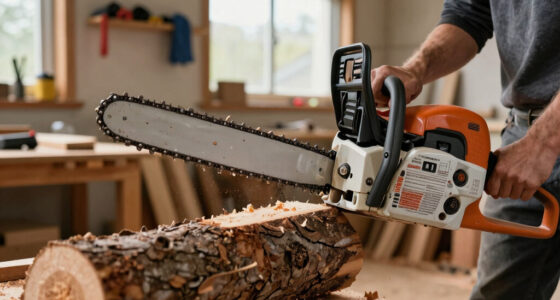
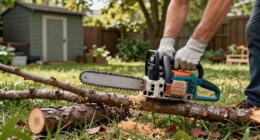
cordless electric chainsaw for pruning
As an affiliate, we earn on qualifying purchases.
As an affiliate, we earn on qualifying purchases.
Compare cutting power without getting fooled by voltage
Cordless chainsaws vary widely in cutting power, and voltage alone cannot tell you which model will cut faster. Voltage describes part of the electrical system, not how effectively the saw keeps its chain moving under load. Battery output, motor design, chain speed, and the saw’s ability to manage heat all contribute; so do chain sharpness and how the wood is presented to the bar. A saw can have an impressive voltage rating yet feel underpowered in dense wood if its system cannot sustain performance under load.
Use the comparison below to connect specifications to practical consequences. For instance, extra battery capacity may let you make more cuts before recharging, but the heavier pack can make the saw tiring to hold. A longer bar may reach through a larger log, but it also adds leverage and requires more careful control. Those are tradeoffs, not automatic upgrades. Exact performance varies by model and conditions, so use these categories as a buying framework rather than a promise that every saw in a class behaves alike.
| What to compare | Why it matters | What to check |
|---|---|---|
| Cutting performance | Hard or thick wood demands more from the motor and battery. A saw that cuts smoothly in comparable wood is less likely to tempt you to force the tool when it slows. | Comparable cutting tests and suitable wood-size guidance. |
| Battery capacity | Capacity affects how much work a charge can support, but a larger pack may add weight and cost. | Battery rating, included packs, and replacement cost. |
| Weight with battery | The installed pack changes balance and fatigue. A heavier saw can be harder to control as your arms tire, especially during repeated or awkward cuts. | Ready-to-use weight, not bare-tool weight alone. |
| Bar and chain | Bar length affects reach and handling demands; a longer bar does not itself guarantee faster cutting or make the saw suitable for larger wood. | Manufacturer-approved bar sizes and replacement parts. |
| Oil and adjustment | Lubrication and proper tension protect cutting parts. If routine checks are difficult, they may be skipped, reducing cutting quality and increasing wear. | Oil capacity, adjustment method, and manual instructions. |
Imagine comparing two saws at the store. One advertises a longer bar, while the other weighs less with its battery attached and has better cutting results in the kind of wood you handle. For pruning from the ground, the lighter, better-balanced saw may be the more useful tool because it is easier to guide and less fatiguing. If you regularly cut larger logs, reach and approved cutting capacity may matter more—but only if you can comfortably control the added size. Test the whole package, not one headline spec.
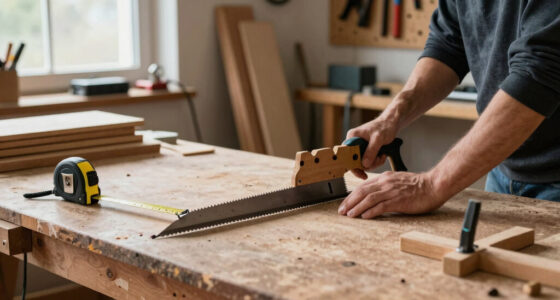
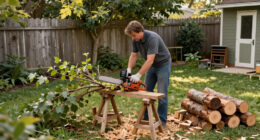
battery-powered chainsaw for storm cleanup
As an affiliate, we earn on qualifying purchases.
As an affiliate, we earn on qualifying purchases.
Estimate runtime before a big cleanup job
Cordless chainsaw runtime has no universal number; it changes with battery capacity, wood hardness, chain condition, cutting technique, and how continuously you work. Cutting a few small branches with pauses gives the battery time to recover between bursts of work; pushing through dense rounds repeatedly demands more from the system and can empty the pack much sooner. Manufacturer runtime claims may reflect light or intermittent cutting, not a steady stream of thick logs. Treat an advertised figure as a guide, not a guaranteed shift length.
For a small storm cleanup, one charged battery may cover several branches, especially if you cut in short bursts and let the saw do the work. A weekend firewood session is different: dense rounds and repeated cuts put a heavier draw on the battery. If you have two compatible packs, you can charge one while using the other, but that only helps if charging keeps pace with your work and you have access to power. Charge time, temperature, battery age, and how hard the saw works all affect the practical schedule. A spare pack reduces interruptions; it does not turn a homeowner saw into an unlimited-duty tool.
Before buying, check whether the kit includes a battery and charger. A “tool only” price can look attractive until you add a compatible pack, and battery platforms are often brand-specific. If you already own batteries from the same brand family, the saw may cost less to add, provided those packs are approved for the saw and have enough capacity for your jobs. If you are starting fresh, compare the cost of the complete kit and replacement batteries—not just the bare saw. Battery cost can change the value calculation substantially, especially if you need multiple packs for a larger property.
Battery capacity can also add weight. A larger pack may support longer work, but it can change how the saw balances in your hands. Picture an hour of trimming awkward limbs at ground level: an extra battery in your tool bag helps runtime, while a heavier pack on the saw may tire your arms sooner. If fatigue makes you less steady, extra capacity may not be a practical advantage. Plan for both charge and fatigue.
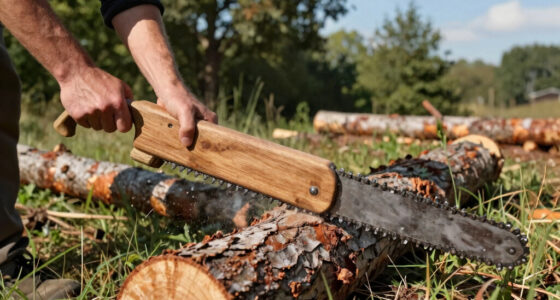
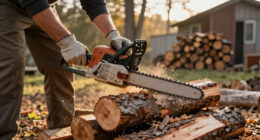
compact cordless chainsaw for small logs
As an affiliate, we earn on qualifying purchases.
As an affiliate, we earn on qualifying purchases.
Choose a saw you can control for the full job
The right saw is one you can control comfortably with its battery installed, not simply the lightest bare tool on a product page. Battery packs add weight, and balance matters during repeated cuts or when you work in tight spaces. As your arms tire, a tool that initially feels manageable may become harder to hold steady, so comfort is part of safe, effective use—not just a convenience. A few minutes holding a saw in a shop can reveal an awkward handle or nose-heavy feel that a specification sheet will not.
Match bar length to the material and your skill. A short bar is easier to handle for small branches; a longer bar can reach farther into larger wood but adds handling demands and does not make an inexperienced operator safer. Choosing a bar that is longer than your usual work requires can mean extra weight without a useful benefit. Conversely, a bar too short for the manufacturer-approved cut may lead to awkward positioning or repeated cuts. If most of your work involves branches around the size of a thick wrist, a compact saw may be easier to guide than a large model intended for bigger timber.
Use this buying sequence before you commit:
- List your common cuts. Note the typical branch or log diameter, wood type, and how often you cut. This helps distinguish occasional pruning from repeated firewood work, which puts very different demands on the saw and battery.
- Set a realistic work session. Separate a brief cleanup from several hours of firewood cutting. The longer session may call for spare batteries, charging access, or a different tool class.
- Compare ready-to-use weight. Include the battery, bar, and chain. This is the load you actually control, and balance may matter as much as the number on the scale.
- Check the full battery package. Confirm included packs, charger, replacement cost, and platform compatibility. A lower tool-only price may not be a bargain if you need costly batteries.
- Verify service details. Check chain and bar availability, adjustment instructions, warranty, and protective equipment needs. Accessible replacement parts and clear instructions make it easier to keep the saw cutting properly over time.
For example, a property owner who prunes a few trees each spring and clears occasional windfall may value balance and easy storage more than maximum cutting capacity. A manager maintaining multiple sites may place more weight on spare batteries and shared battery compatibility across outdoor tools, since one platform can simplify charging and reduce the number of packs to manage. Let your acreage and workload set the spec.
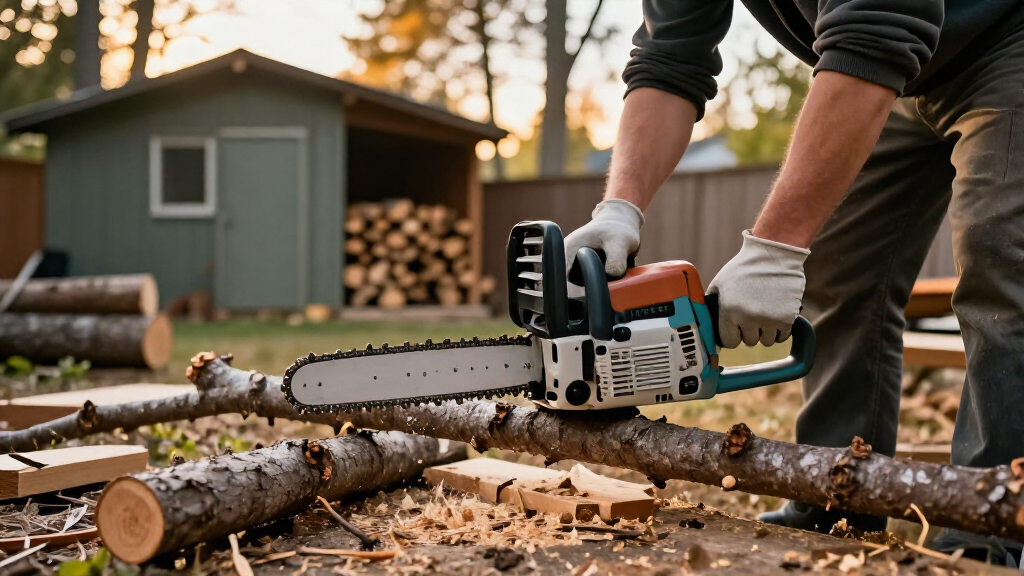
electric chainsaw with long runtime
As an affiliate, we earn on qualifying purchases.
As an affiliate, we earn on qualifying purchases.
Keep the chain sharp, oiled, and ready to cut
Cordless chainsaws still need regular chain care: inspect tension, sharpen the cutters, lubricate the bar and chain as directed, and check the chain brake before work. Battery power removes the gas engine, not the cutting system’s maintenance needs. These checks matter because the chain contacts the wood directly: a sharp, properly lubricated chain cuts efficiently, while a dull or dry one can cut slowly, overheat, and wear the bar and chain. Maintenance also helps you recognize a problem before you are relying on the saw in the middle of a job.
Most conventional models require bar-and-chain oil, so check the reservoir and follow the manual for the correct oil and filling procedure. Oil reduces friction where the moving chain runs along the bar; running low can damage both parts. Do not assume that a battery saw is maintenance-free because it starts with a trigger. Before each use, check the chain, bar, brake, and oil supply, and remove the battery before cleaning, adjustment, transport, or other maintenance. Removing the pack prevents an accidental start while your hands are near the chain.
A dull chain often produces fine dust instead of clean chips, cuts slowly, or makes you feel tempted to push harder. That is your cue to stop and inspect it, not lean into the cut. Forcing a slow chain increases effort and can make control more difficult without solving the underlying problem. Follow the exact manual for chain tension and sharpening; if you are unsure how to file the cutters or identify damage, ask a qualified service shop for help. A sharp, correctly tensioned chain should do the work without you forcing it.
After cutting, clear sawdust from the saw as the manual allows, fit the chain cover, and store the tool clean and dry. Follow the manufacturer’s temperature and battery-storage guidance. For instance, if you finish cutting firewood on a cold day, do not leave the battery exposed in freezing conditions if its manual advises against that. Proper storage can help preserve battery performance and keep the saw ready for the next job. Good storage protects both the saw and its battery.
Use battery power without lowering your safety standards
A cordless chainsaw can cause severe injury, just like a gas saw. Quiet starts and easy trigger operation can make the tool feel less intimidating, but the chain still moves fast and kickback can happen in an instant. That easy start can also mean the saw is ready to cut with little warning, so treat it as live whenever a battery is installed. Wear suitable chainsaw protective gear, including eye and hearing protection, gloves, sturdy footwear, and leg protection rated for the work.
Read the manufacturer’s instructions, keep stable footing, use the handles as directed, and maintain a safe cutting stance. Good footing and two-handed control help you respond if the chain catches or the wood shifts. Do not cut above shoulder height or operate one-handed unless the specific tool is designed and approved for that method. Keep other people clear of the work area, and pay attention to where the bar tip may contact a branch or log. If you are new to chainsaws, get hands-on instruction and start with simple, ground-level work on manageable material.
For example, a storm-damaged limb can be under tension: one side may pinch the bar while the other springs when the cut opens. The branch’s movement can be difficult to predict, and a trapped bar may lead an inexperienced user to pull, twist, or reposition the saw in an unsafe way. If you cannot tell how a limb will move, stop and call a trained professional rather than guessing. Tree felling and work near power lines carry higher risks and call for proper training, planning, and equipment; keep well away from lines and contact the utility or a qualified tree-care professional.
Battery power changes the starting routine, not the risk. Keep the battery removed during maintenance, wear protective equipment, and leave felling or power-line work to trained professionals.
Easy starts are a real advantage, especially when you need several short cuts across a property. They are not a reason to skip setup or PPE. Respect the chain every time you install a battery.
Know when a gas saw or professional crew makes more sense
A cordless saw is a strong fit for light to moderate property work, while gas can suit long, demanding cutting sessions where fast refueling and sustained work matter. Larger battery models can handle substantial cutting, but results depend on the model, wood, battery supply, and operator. The practical difference is often how the work is organized: a charged battery is convenient for scattered jobs, while repeated cutting far from power can make battery swaps and charging a constraint. Neither power source wins every job.
Battery models generally produce less operating noise at the saw and no exhaust emissions at the point of use. They are not silent: the chain still makes substantial noise as it cuts, so hearing protection remains part of the job. They also reduce routine engine tasks such as fuel mixing and engine servicing, though you still have to manage batteries, chain oil, sharpening, and tension. The reduced engine upkeep can be appealing for occasional use, but it does not remove the maintenance that keeps the chain cutting effectively.
Gas can be more practical when you need repeated cutting far from a charger and can safely carry fuel. Cordless may win for scattered cleanup around a home, where easy starts, lower at-the-saw operating noise, and no exhaust at the point of use make short tasks less of a production. A property manager who makes several quick cuts at separate sites may value a charged spare battery more than a full fuel can. On the other hand, if those sites involve long sessions and no charging access, the number of packs and time needed to recharge may outweigh the convenience of a shared battery platform.
Call a professional for work beyond your training or equipment, especially tree felling, unstable storm damage, or anything near power lines. These jobs involve hazards that a more powerful saw or a spare battery cannot solve; judgment, training, and specialized equipment matter. That is not a failure of the saw; it is a sensible limit on the job. Choose the power source for the workload, and choose a professional when the risk exceeds your skill.
Frequently Asked Questions
Can a cordless chainsaw cut as well as a gas chainsaw?
Some larger battery models handle substantial cutting, but a gas saw may suit long sessions where fast refueling and sustained power matter. Compare the exact models in similar wood and match the choice to your workload and available batteries.
How long does a cordless chainsaw battery last?
There is no universal runtime. Battery capacity, wood hardness, chain sharpness, saw design, and cutting pattern all affect how long a charge lasts. Treat manufacturer estimates as a guide and look for tests using comparable cutting conditions.
Do cordless electric chainsaws need chain oil?
Most conventional models need bar-and-chain oil. Check the reservoir before cutting and follow the manual for the correct oil and maintenance steps; specialized designs may differ.
Are cordless chainsaws safe for beginners?
They can be easier to start than gas saws, but they remain powerful cutting tools. Read the manual, wear suitable protective gear, learn safe handling, and begin with simple ground-level cuts; get instruction before tackling demanding work.
Can I use another brand’s battery in my chainsaw?
Usually not unless the saw manufacturer approves that exact battery or adapter. Check compatibility for the specific model because an unapproved setup may affect performance, safety, or warranty coverage.
Can I use a cordless chainsaw to fell a tree?
A chainsaw’s battery power does not make tree felling safe for an untrained user. Felling requires planning, training, and appropriate equipment; hire a trained professional for tree work beyond your skill, particularly near power lines or around unstable storm damage.
Conclusion
Choose a cordless electric chainsaw by starting with your real work: the wood size, the number of cuts, the time away from a charger, and the weight you can handle comfortably. Then compare measured cutting performance, battery cost, and maintenance details—not voltage or bar length in isolation.
Keep the chain sharp, wear the right gear, and stop when a job exceeds your training. A good saw should make routine property care feel more manageable, not tempt you to take on a tree that belongs to a professional.
Fall yard work Picks
leaf blowers
As an affiliate, we earn on qualifying purchases.