Choosing the best native plant seeds can transform your garden into a haven for local wildlife and a vibrant display of natural beauty. The SVI 300 Marsh Blazing Star Seeds stands out as an overall top pick for its exceptional blend of pollinator support and adaptability. For those focused on attracting butterflies, the Bentley Pollinator Mix offers a diverse, non-GMO selection that’s easy to grow. Meanwhile, the Wildflower Seeds Bulk Mix provides incredible value for large-scale planting but may lack the specific regional focus some gardeners need. As you evaluate options, consider factors like regional suitability, seed quality, and your planting goals. Keep reading for a detailed breakdown to help you make the best choice for your native planting project.
Open a free Amazon Business account
Business pricing, bulk buying and tax-exempt orders.
Create a free accountAs an affiliate, we earn on qualifying purchases.
Complete the kit


Key Takeaways
- Regional mixes like the Northeast Wildflower Seeds are ideal for local adaptation, boosting success rates.
- Seed quantity and diversity vary greatly, affecting both price and planting outcomes—more isn’t always better.
- Non-GMO and heirloom seeds tend to be higher quality but often come at a premium price.
- Specialized seeds like milkweed or wild indigo support specific pollinators, making targeted choices valuable.
- Bulk and mixed seed packs offer great value but may lack regional specificity and consistent germination rates.


More Details on Our Top Picks
SVI 300 Marsh Blazing Star Seeds (Liatris spicata) – Heirloom Purple Wildflower Seed Packets for Pollinators
This heirloom seed packet stands out for its ability to attract a variety of pollinators, including bees, butterflies, and hummingbirds, making it ideal for gardeners aiming to support local ecosystems. Compared to the Wildflower Seeds Bulk Mix, which offers a broad spectrum of species, the Marsh Blazing Star provides specific, vibrant purple blooms that bloom in the second year, offering a more targeted pollinator appeal. The requirement for cold stratification means it demands some patience, but the long-lasting perennial nature ensures it returns year after year with proper division. Its tall stature and striking spikes make it a visual focal point, especially in native or wildflower gardens. However, needing 60 days of cold moist stratification and the delay until second-year blooms may deter gardeners seeking immediate color. This pick makes the most sense for those committed to native plant gardening and pollinator support, willing to wait for perennial beauty.
Pros:- Attracts a wide range of pollinators including bees, butterflies, and hummingbirds
- Long-lasting perennial with vibrant purple spikes for seasonal interest
- Flexible planting options—direct sow in fall or start indoors
Cons:- Requires 60 days of cold stratification, delaying germination
- Blooms only in the second year, so patience is needed
- Needs division every 3-4 years to maintain vigor
Best for: Gardeners seeking to create a pollinator-friendly landscape with long-term visual impact
Not ideal for: Beginners who want quick results or those unwilling to handle stratification requirements
- Plant Type:Perennial
- Height:48 inches
- Color:Purple
- Zones:4-10
- Bloom Time:Second year
- Planting:Direct sow in late fall or start indoors 6-8 weeks before spring
- Stratification:60 days cold moist stratification
- Uses:Cut flowers, dried flowers
Our verdict“This seed pack is best suited for experienced native plant enthusiasts committed to supporting pollinators over the long term.”
Bentley Pollinator Mix – Pre-Filled, Non-GMO, Non-Coated Butterfly Packets – 25 Annual Wildflower Seeds
This mix makes sense for gardeners who want immediate, colorful impact and pollinator attraction in a single season. Unlike the SVI Marsh Blazing Star, which blooms in the second year, this product offers rapid results with 25 packets of annual wildflowers designed to bloom during summer, providing instant color and pollinator support. Its non-GMO, non-coated seeds are easy to handle and suitable for outdoor planting in full sun, though the small packet size may limit coverage unless multiple packets are used. It’s ideal for those who prefer a straightforward scatter-and-grow approach, with the bonus of supporting local biodiversity during peak blooming months. The main tradeoff is the need for replanting annually, so it’s less suited for gardeners seeking perennial stability. This product targets those wanting a quick, vibrant display that supports pollinators in the short term.
Pros:- Provides quick, vibrant blooms that attract pollinators during summer
- Non-GMO and non-coated, easy to handle for novice gardeners
- Pre-filled packets simplify planting with minimal prep
Cons:- Limited to outdoor use for best results
- Small packet size may require multiple purchases for larger areas
- Replanting needed each year for continuous blooms
Best for: Homeowners seeking a colorful, pollinator-friendly summer wildflower display without long-term commitments
Not ideal for: Gardeners looking for perennial plants or those with large garden areas who need more extensive coverage
- Packet Size:3 ¼” x 4 ½”
- Seeds Included:25 packets
- GMO Free:Yes
- Coated:No
- Suitable For:Indoor, Outdoor
- Blooming Period:Summer
Our verdict“This wildflower mix is perfect for gardeners wanting an easy, colorful summer pollinator garden with fast results.”
Everwilde Farms 800 Indian Paintbrush Native Wildflower Seeds, Gold Vault Seed Packet
This pick offers a vibrant splash of red with 800 Indian Paintbrush seeds, making it ideal for gardeners seeking striking native wildflowers that thrive in drought conditions. Compared to the HOME GROWN Common Milkweed, which supports pollinators but requires more water and space, the Indian Paintbrush is better suited for xeriscaping or areas with limited moisture. Its drought-tolerance and partial sun needs make it suitable for western landscapes or low-maintenance gardens. The triple-layer mylar packaging ensures good seed longevity, and detailed planting instructions support success. However, germination depends heavily on proper planting conditions, and it requires specific sun and moisture levels to flourish. This makes it ideal for experienced gardeners with well-prepared sites, particularly in drier regions.
Pros:- Brilliant red blooms provide striking visual impact
- Drought-tolerant and suitable for low-water landscapes
- Triple-layer mylar packaging offers long-term seed preservation
- Includes detailed planting instructions
Cons:- Germination depends heavily on proper planting conditions
- Requires partial sun and moderate watering for best results
- Limited to specific climate zones (3-9)
Best for: Gardeners in drought-prone areas wanting a bold, native wildflower with minimal water needs
Not ideal for: Beginners or those planting in consistently moist or heavily shaded sites
- Seed Count:800
- Plant Type:Indian Paintbrush Native Wildflower
- Sunlight Exposure:Partial Sun
- USDA Hardiness Zones:3-9
- Moisture Needs:Moderate Watering
- Packaging:Triple-layer mylar resealable
Our verdict“This seed kit is perfect for experienced gardeners seeking native wildflowers that flourish with minimal water and maintenance.”
HOME GROWN Common Milkweed Seeds, Asclepias syriaca, 150 Seeds
This seed offers a reliable source of native milkweed, essential for supporting monarch butterfly populations, with fragrant pink to mauve flowers that attract a variety of pollinators. Compared to the Indian Paintbrush Seeds, which provide striking color but limited to specific climates, milkweed is adaptable across USDA Zones 3-9 and supports a vital ecological role. Its hardy, drought-tolerant nature makes it suitable for naturalized gardens and prairie-style landscapes. While it may spread via rhizomes and reseeding, that trait can be a benefit or a drawback depending on garden goals. Seeds require cold stratification or fall planting to ensure germination, making it more suitable for patient gardeners. Overall, this is a practical choice for those prioritizing butterfly habitat and native plant restoration.
Pros:- Supports monarch butterfly larval development
- Fragrant blooms attract pollinators like bees and hummingbirds
- Hardy perennial suitable for a wide range of climates
- Drought-tolerant once established
Cons:- May spread through rhizomes and reseeding if not managed
- Requires cold stratification or fall planting for best germination
- Can be too vigorous for small or manicured gardens
Best for: Wildlife gardeners focused on supporting monarch butterflies and native pollinators
Not ideal for: Urban gardeners with limited space or those seeking plants with less aggressive spreading habits
- ASIN:B0H2F4FGZJ
- Product Type:Flower Seeds
- Common Name:Common Milkweed
- Botanical Name:Asclepias syriaca
- Seed Count:150
- Expected Plant Height:3–5 ft
- Bloom Color:Pink to mauve
- Zones:3-9
Our verdict“This seed is ideal for gardeners dedicated to native ecological restoration and butterfly habitat creation.”
Wildflower Seeds Bulk Mix – 10,000+ Perennial & Annual Seeds for Native Wildflowers
This bulk mix offers a broad palette of over 25 native perennial and annual wildflower varieties, making it ideal for creating a vibrant, pollinator-friendly meadow. Compared to the SVI Marsh Blazing Star and Indian Paintbrush, which focus on specific species, this mix provides diversity and coverage, suitable for large areas with minimal planning. Its high seed count—over 10,000 seeds—ensures quick establishment and a natural meadow aesthetic. The scatter method simplifies planting, but the lack of specific germination data means results can vary, especially if soil conditions aren’t prepared properly. It’s best for those who want to establish a large, colorful habitat quickly and are comfortable managing the variability of wildflower growth. This mix is a versatile, cost-effective way to support native pollinators at scale.
Pros:- Contains 25 diverse native wildflower varieties
- Easy scatter planting method simplifies setup
- Supports pollinators and biodiversity effectively
- Large seed quantity covers about 100 sq. ft.
Cons:- Requires well-prepared soil for best results
- Coverage area can vary depending on planting technique
- No specific germination rate info, leading to potential variability
Best for: Landscapers or home gardeners aiming to establish extensive native wildflower meadows
Not ideal for: Small garden beds or gardeners wanting precise control over plant species and timing
- Seed Count:10,000+ seeds
- Packet Weight:30 grams (over 1 oz)
- Coverage Area:Approximately 100 sq. ft.
- Included:Planting instructions, resealable pouch
Our verdict“This wildflower mix excels for large-scale native habitat projects, offering diversity and ease of planting for experienced growers.”
Smooth Blue Aster Seeds for Planting, Symphyotrichum laeve, 1 Pack
This seed pack stands out for its stunning blue-violet blooms that appear from late summer into fall, making it an excellent choice for adding vibrant fall interest. Compared with the Northeast Wildflower Seeds that bloom over a longer period, the Smooth Blue Aster offers a more specific seasonal display, but it requires cold stratification, which adds a step for beginners. Its drought tolerance and pollinator attraction make it ideal for native gardens aiming for low maintenance and ecological benefits. The tall growth (up to 4 feet) suits larger garden spaces better than compact beds, and its late-season color provides crucial nectar sources for pollinators preparing for winter. The included clear instructions help first-time growers succeed, but the need for cold stratification can delay germination.
Pros:- Attracts a wide range of pollinators including bees, butterflies, and hummingbirds
- Drought-tolerant and low maintenance once established
- Easy to grow with clear instructions provided
Cons:- Requires cold stratification for optimal germination, which can delay planting
- Bloom period limited to late summer and fall, offering less early-season interest
- Height up to 4 feet may be unsuitable for small garden spaces
Best for: Gardeners seeking reliable, low-maintenance native plants with striking fall blooms and pollinator support.
Not ideal for: Small or shaded gardens where height and bloom timing are less suitable or where cold stratification is inconvenient.
- Plant Type:Perennial Wildflower
- Color:Blue, Purple
- Expected Blooming Period:Summer to Fall
- Sunlight Exposure:Full Sun
- USDA Hardiness Zone:3-8
- Expected Plant Height:4 feet
- Soil Type:Loam
- Water Needs:Low to Moderate
Our verdict“This pick is best for gardeners wanting a show-stopping fall native perennial with pollinator value, willing to handle cold stratification.”
American Wildflower Seeds for Planting – 24 Variety Pack of Native Plants
Compared with the single-species options, this 24-variety native seed pack offers a broad spectrum of flowers and grasses, supporting pollinators and wildlife across different seasons. Its diverse mix includes coneflower, black-eyed Susan, milkweed, and little bluestem, which together create a resilient, low-maintenance ecosystem. Suitable for large, sunny areas, it’s perfect for gardeners wanting to support local biodiversity without buying multiple packs. However, the mixture’s height (up to 36 inches) and natural variability mean it may be less suitable for formal or small beds. Establishment can vary depending on local conditions, and some species may require specific watering or soil amendments. Still, its non-GMO, heirloom status and eco-focus make it a compelling choice for sustainable landscapes.
Pros:- Includes 24 native wildflower and grass varieties for ecological support
- Attracts pollinators, birds, and beneficial insects
- Drought-tolerant and low-maintenance once established
- Non-GMO, heirloom seeds from a trusted small U.S. business
Cons:- Best suited for full sun areas, limiting shaded garden use
- Expected height of 36 inches may be too tall for small or formal beds
- Wildflower establishment depends on soil and climate conditions
Best for: Eco-conscious gardeners seeking a comprehensive native planting solution with minimal effort after establishment.
Not ideal for: Gardeners with limited space or those preferring uniform, formal beds where height variability might be an issue.
- Brand:Survival Garden Seeds
- Product Type:Wildflower Seed Pack
- Number of Varieties:24
- Indoor/Outdoor Usage:Outdoor
- Special Features:Attracts Pollinators, Drought Tolerant, Extended Bloom Time
- Blooming Period:Spring to Fall
- Sunlight Exposure:Full Sun
- USDA Hardiness Zone:3-9
Our verdict“Ideal for gardeners wanting a diverse, native planting mix that promotes ecological health with minimal ongoing effort.”
US Native Wildflower Mix – Annuals and Perennials – Approx. 6500+ Seeds
This extensive mix, offering over 6,500 seeds of 19 native species, provides excellent coverage for gardeners across all North American regions. It contains both annuals and perennials, which ensures vibrant blooms from summer into fall with minimal effort—especially since most seeds germinate in the sunlight without needing to be covered. Compared with the Northeast Wildflower Seeds, which focus on a specific region, this broad mix offers versatility, but its success depends heavily on proper fall sowing and specific sunlight conditions. The height (up to 3 feet) suits most garden sizes, yet the natural variability in species can lead to uneven growth or bloom times. It’s a flexible solution for those wanting a natural wildflower look with minimal fuss.
Pros:- Huge seed count (6500+) ensures broad coverage
- Contains both annuals and perennials for extended interest
- Seeds do not require covering and germinate in sunlight
- Suitable for all North American regions
Cons:- Requires fall sowing for best results, which may not suit all schedules
- Sunlight-dependent germination may require precise planting conditions
- Height up to 3 feet may not fit small or low-profile gardens
Best for: Gardeners looking for a large, region-wide native wildflower seed mix that’s easy to grow and supports pollinators.
Not ideal for: Those seeking tightly controlled or formal garden designs, or in shaded areas where sunlight is limited.
- Number of Seeds:6500+
- Plant Type:Annuals and Perennials
- Native Species:19
- Suitable Regions:All North America
- Plant Height:Up to 3 feet
- Planting Period:Fall to Spring
- Blooming Period:Summer
- Sunlight Exposure:Full Sun
Our verdict“Best for gardeners wanting a diverse, easy-to-establish native wildflower mix that blooms through summer and fall.”
Northeast Wildflower Seeds – Northeast Regional Mix (1 Ounce Packet, 7,500+ Seeds)
This regional mix, with over 7,500 seeds, is designed specifically for Northeast gardens, including states like New York, Virginia, and Maine. It offers a high seed count for dense planting and blooms from spring through fall, supporting pollinators over a long period. Unlike the broader North American mix, this regional selection is tailored to local soil and climate conditions, potentially leading to better success rates. However, its full sun requirement limits its use in shaded gardens, and its height (up to 4 feet) may be excessive for smaller beds. For those planting in the Northeast, this mix provides a robust native landscape, but it may be less suitable for gardeners outside this region or those seeking shorter plants.
Pros:- Large seed quantity (7,500+) for extensive coverage
- Region-specific, tailored for Northeast climates
- Open-pollinated, non-GMO seeds ensuring genetic diversity
- Bloom from spring to fall supports pollinators year-round
Cons:- Requires full sun exposure, limiting shaded areas
- Plants may grow up to 4 feet tall, which might be too tall for some gardens
- Optimal success depends on local soil and climate conditions
Best for: Native garden enthusiasts in the Northeast seeking region-specific wildflowers with high seed density.
Not ideal for: Shaded gardens or those outside the Northeast region where climate and soil conditions differ significantly.
- Seed Quantity:Over 7,500 seeds
- Seed Type:Open pollinated, non-GMO
- Regions:Northeast U.S.
- Blooming Period:Spring to Fall
- Expected Plant Height:4 feet
- Soil Type:Adaptable
- Water Needs:Moderate
- Reusable:Yes
Our verdict“Ideal for Northeast gardeners wanting a high-volume, region-specific native wildflower mix with long bloom times.”
Bee Balm Seeds for Planting – Wild Bergamot Survival Garden Seeds (1 Pack)
This native perennial, Wild Bergamot, is prized for its fragrant lavender flowers that attract bees, butterflies, and hummingbirds, making it an excellent choice for pollinator gardens. Compared with the more general wildflower mixes, Bee Balm provides a specific native species known for its culinary and medicinal uses, adding a functional dimension to your planting. Its perennial nature and adaptability to various soils and full sun conditions make it straightforward to grow, but it can spread naturally, requiring management to prevent unwanted spread. For gardeners emphasizing pollinator support, especially in herb or edible gardens, this seed pack offers both beauty and utility. However, its tendency to spread can be a drawback for small or formal gardens.
Pros:- Attracts bees, butterflies, and hummingbirds effectively
- Easy to grow and maintain
- Supports culinary and medicinal uses
Cons:- May spread naturally, needing management to control growth
- Requires full sun for best flowering
- Potential for invasive-like spread in some settings
Best for: Gardeners wanting a native, pollinator-friendly perennial with culinary and medicinal value, in larger or naturalistic landscapes.
Not ideal for: Small, formal, or container gardens where controlling spread is a priority, or gardeners seeking only annuals.
Our verdict“Perfect for gardeners wanting a native, multi-purpose pollinator plant that supports local ecosystems and edible uses, with some management needed.”
Dense Blazing Star Seeds for Planting – Gayfeather Wildflower (1 Pack)
This package of Liatris spicata stands out for its exceptional ability to attract a variety of pollinators, including bees, monarchs, and hummingbirds, making it ideal for vibrant, wildlife-friendly gardens. Compared with the Northeast Natives Mix, it offers a more targeted native species with reliable blooming from July to September, though it requires cold stratification and full sun for best results. Its drought tolerance and deer resistance add to its appeal, especially in low-water regions, but its specific soil and light needs mean it’s less suitable for shaded or poorly drained areas. The detailed planting instructions help ensure success, but the need for pre-treatment can be a hurdle for casual gardeners. Overall, this pick is best for gardeners seeking a stunning, pollinator-attracting perennial that’s easy to incorporate into a sunny border or naturalized setting.
Pros:- Attracts a wide range of pollinators including bees, monarchs, and hummingbirds
- Drought-tolerant and deer resistant for low-maintenance gardens
- Produces vibrant purple blooms from mid-summer to early fall
- Easy to grow with included detailed planting instructions
Cons:- Requires cold stratification for optimal germination, adding complexity
- Needs full sun and well-drained soil for best performance
Best for: Gardeners aiming to create a pollinator-friendly, low-maintenance perennial bed in full sun and well-drained soil.
Not ideal for: Beginners or those with shaded, moist gardens, since it requires cold stratification and specific growing conditions.
- Plant Type:Perennial
- Bloom Color:Purple
- Expected Plant Height:3-4 feet
- Blooming Period:July to September
- Sunlight Exposure:Full Sun
- USDA Hardiness Zone:3-9
Our verdict“This seed is ideal for experienced gardeners seeking a reliable, pollinator-attracting perennial in sunny, well-drained settings.”
Northeast Natives Mix Wildflower Seeds, 67,000 Seeds, 4 oz Pouch
The Northeast Natives Mix offers an enormous seed quantity suitable for broad-area plantings in naturalized meadows or woodland edges, outperforming smaller packs like the California Wildflower Seed Pack which is better suited to specific garden beds. Its blend of regionally adapted species, such as Black-Eyed Susan and New England Aster, provides long-season color that supports local pollinators. The moisture-protected pouch helps preserve seed viability, making it a cost-effective choice for large projects—though it’s more than most small backyard gardeners need, and success depends heavily on appropriate soil and climate conditions. The large seed count and detailed instructions make it ideal for professionals or community projects, but smaller or less climate-appropriate sites may find it excessive or less effective. This mix is perfect for those seeking to establish extensive native landscapes with regional biodiversity support.
Pros:- Very high seed count suitable for large-scale plantings
- Contains region-specific native wildflower varieties
- Moisture-protected packaging preserves seed viability
- Includes clear planting instructions for best results
Cons:- Too large for small garden beds or casual gardeners
- Establishment depends on climate, soil, and proper planting techniques
- Season-specific packaging may limit storage flexibility
Best for: Landscapers or community groups planning large native meadow or woodland restoration projects in the Northeast.
Not ideal for: Home gardeners with limited space or in regions outside the Northeast, due to climate and seed adaptability issues.
- Seed Count:67,000 seeds
- Package Size:4 oz
- Season:2026
- Style:Seed
- Product Type:Wildflower Seed Mix
- Included:Planting instructions
Our verdict“This seed mix excels for large-scale native plantings in the Northeast, offering excellent value but requiring appropriate site conditions.”
Plant Good Seed California Natives Wildflower Seed, 8 Variety Pack
This California native wildflower seed pack provides a curated selection of eight varieties, making it ideal for gardeners wanting a diverse, drought-tolerant landscape. Compared to the regional mixes, this pack’s germination has been tested for viability, and its open-pollinated, heirloom seeds support genetic diversity. It’s well-suited for sunny California gardens, providing fragrant blooms that attract pollinators and hummingbirds during summer. However, its suitability is limited to USDA Zone 9, making it less practical for cooler or more humid regions. The multiple varieties add visual interest and habitat value, but gardeners outside California or Zone 9 will need to seek alternatives. This pack makes the most sense for those focused on native, drought-tolerant, pollinator-friendly gardens within California’s climate zone.
Pros:- Germination tested for high viability
- Includes non-GMO, heirloom, untreated seeds
- Supports pollinators and hummingbirds with fragrant blooms
- Drought tolerant and native to California ecosystems
Cons:- Limited to USDA Zone 9, restricting geographic use
- Requires full sun and moderate watering for best results
Best for: California homeowners or landscapers creating drought-tolerant, pollinator-friendly gardens in Zone 9.
Not ideal for: Gardeners outside California or in cooler, wetter climates, as seed viability and plant performance may decline.
- Variety Count:8 packets
- Seed Type:Non-GMO, heirloom, untreated, open-pollinated
- Indoor/Outdoor Usage:Outdoor
- Special Features:Fragrant, drought tolerant
- Blooming Period:Summer
- USDA Hardiness Zone:9
Our verdict“This seed pack is perfect for California gardeners seeking a diverse, drought-tolerant native wildflower garden within Zone 9.”
California Regional Mix – 19,000 Seeds for Planting – 2026 Season – 1 Ounce Pouch
The California Regional Mix offers a substantial quantity of native and regionally suitable wildflower seeds, making it a strong choice for supporting biodiversity and pollinator habitats across California’s varied climates. Its large seed count and packaging for the 2026 season suggest freshness and readiness for planting, especially in low-maintenance landscapes. This mix is tailored specifically for California, meaning it’s less suitable for other regions—unlike broader mixes like the Wildflower Seeds Bulk Mix. Its focus on native, region-specific plants makes it ideal for ecological restoration or native garden projects, but novice gardeners should pay attention to planting conditions to ensure success. Overall, this mix provides a robust foundation for creating a resilient, native California landscape with diverse blooms and pollinator support.
Pros:- Large quantity of high-quality, region-specific seeds
- Supports pollinators and biodiversity
- Packaged for the 2026 season with freshness guarantee
- Suitable for low-maintenance, naturalized gardens
Cons:- Limited to California’s climate zones, not suitable elsewhere
- Requires proper planting conditions for best results
Best for: California homeowners or landscapers aiming to establish native, pollinator-friendly landscapes in diverse California zones.
Not ideal for: Gardeners outside California or seeking a more general wildflower mix for different climates, as it’s region-specific.
- Quantity:19,000 seeds
- Season:2026
- Pouch Size:1 ounce
- Brand:FAMILY SOWN
Our verdict“This mix is ideal for California-based projects focused on native biodiversity and pollinator habitat creation.”
Wild Indigo Bush Seeds for Planting, Native Shrub, 100 Premium Seeds
Wild Indigo Bush seeds provide a practical option for gardeners seeking a resilient, native shrub that adds structure and ecological value. Compared with the pollinator-focused wildflower seeds, this shrub offers a longer season of bloom and habitat support, attracting pollinators with vibrant purple flowers throughout the growing season. Its drought tolerance and adaptability to poor soils make it especially suitable for restoration projects and low-maintenance landscapes. However, germination requires scarification and cold stratification, which might pose a challenge for those looking for quick results. Initial growth can be slow, and the plant’s slow establishment means patience is needed. This makes it a good choice for those committed to native shrub planting and willing to handle some initial effort to establish a lasting landscape feature.
Pros:- Attracts pollinators with vibrant purple flowers
- Drought-tolerant and adaptable to poor soils
- Easy to grow once established with minimal ongoing care
- Ideal for native, ecological landscaping
Cons:- Requires scarification and cold stratification, adding effort
- Growth is slow initially, requiring patience
- Specific planting conditions needed for best results
Best for: Native plant enthusiasts or restoration projects aiming to establish drought-tolerant, pollinator-attracting shrubs in full sun.
Not ideal for: Casual gardeners seeking quick results or those planting in shaded, moist sites, as initial growth can be slow.
- Quantity:100 seeds
- Plant Type:Native shrub
- Flower Color:Purple
- Growth Conditions:Full sun, well-drained soil
- Tolerance:Drought, poor soils, heat
Our verdict“This shrub seed is best suited for dedicated native landscape projects where patience and initial effort are acceptable.”
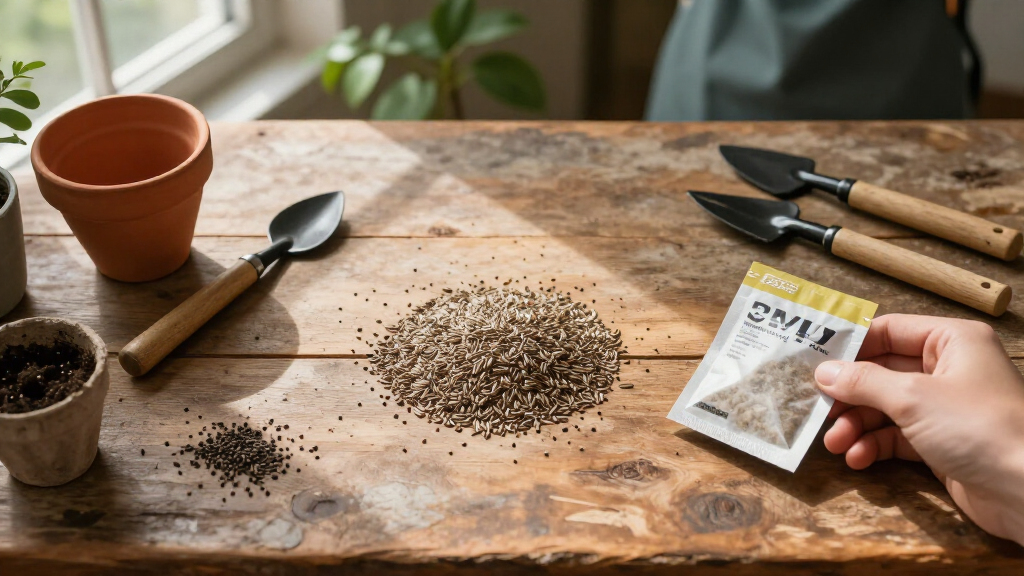
How We Picked
We evaluated each product based on seed quality, regional suitability, diversity of native species, and overall value. The rankings reflect how well each seed mix supports local ecosystems, ease of planting, and germination success. Price-to-performance ratio was a key factor, alongside the reputation of seed suppliers and the clarity of product labeling. We prioritized options that cater to different gardening goals—whether for large wildflower meadows, pollinator gardens, or region-specific plantings—ensuring a broad spectrum of choices for various needs and budgets.Factors to Consider When Choosing Best Native Plant Seeds
When selecting native plant seeds, it’s important to consider several factors to ensure your planting succeeds and aligns with your ecological and aesthetic goals. First, regional adaptation is key—seeds suited to your local climate and soil conditions will establish more reliably. Second, diversity matters; mixing species can create a resilient ecosystem, but targeted seeds support specific pollinators or habitats. Third, seed quality and source influence germination rates and plant health; non-GMO and heirloom seeds often offer higher quality. Fourth, quantity and price should match your project scope, keeping in mind that larger packs may be more economical but less tailored. Finally, understanding the differences between annuals, perennials, and shrubs helps you plan your garden’s long-term growth and maintenance needs.Regional Suitability
Choosing seeds that are native to your specific region increases the likelihood of success. Regional mixes are designed to thrive in local soil and climate conditions, reducing the risk of poor germination or invasive tendencies. Be cautious with generic mixes labeled as ‘native’ but sourced broadly, as they may not perform well locally. Focus on products explicitly marketed for your area or those with regional seed blends, such as Northeast or California-specific mixes. This approach supports local ecosystems and ensures your plants can flourish without extra effort or amendments.
Species Diversity and Focus
Deciding whether to plant a broad wildflower mix or a targeted species depends on your goals. Diverse mixes attract a wide range of pollinators and support ecosystem resilience, but they can be less predictable in performance. If your priority is supporting specific wildlife, such as monarch butterflies, selecting dedicated seeds like milkweed or wild indigo makes sense. Balance your desire for variety with your need for specific habitat support, and consider mixing both approaches for a well-rounded garden.
Seed Quality and Source
High-quality seeds with reliable germination rates are essential for successful native plantings. Look for reputable suppliers with transparent sourcing and quality control practices. Non-GMO and heirloom seeds tend to be more genetically diverse and adapted to local conditions, but they often come at a higher cost. Avoid overly cheap, mass-produced seeds that may have lower germination rates or be contaminated. Investing in quality seeds reduces waste and frustration, especially on larger planting projects.
Plant Type and Longevity
Understanding whether you need annuals, perennials, or shrubs influences your planning. Annuals provide quick color but require replanting each year, while perennials establish more slowly but offer lasting benefits. Shrubs like wild indigo or wild indigo bush take longer to mature but provide structure and year-round habitat. Consider your long-term maintenance capacity and aesthetic preferences when choosing seed types, and select varieties suited to your desired garden timeline.
Price, Quantity, and Project Scale
Matching seed quantity and price to your project size is vital for budget management. Bulk packs or large quantities typically provide better value per seed but may include species or mixes that aren’t ideal for small or specific areas. Smaller, curated seed packs tend to be more targeted and are suitable for planting specific species or small gardens. Always check germination rates and seed viability, especially for bulk options, to avoid overspending on seeds that may not sprout reliably.
Frequently Asked Questions
How do I choose native plant seeds for my specific region?
To select native seeds appropriate for your area, start by identifying your USDA hardiness zone and soil type. Look for products labeled as region-specific or that include native species known to thrive locally. Consulting local conservation organizations or native plant societies can provide valuable guidance. Using regional mixes increases success rates, supports local wildlife, and maintains ecological balance, making your planting more sustainable and easier to care for over time.
Are larger seed packs always better for planting a native garden?
Not necessarily. Larger packs often offer better value and are suitable for extensive projects, but they may include species that aren’t ideal for your specific location or garden goals. Smaller, curated packs allow for more precise planting and can help you focus on key species or pollinators. Consider your garden size, diversity needs, and budget before choosing a pack size; sometimes, targeted selections yield better results than bulk quantities, especially for beginners or small spaces.
What’s the benefit of choosing non-GMO or heirloom native seeds?
Non-GMO and heirloom seeds tend to have higher genetic diversity, which can lead to healthier, more resilient plants. They are often more closely adapted to local conditions, reducing the need for fertilizers or pesticides. While they may cost more upfront, they support sustainable gardening practices and contribute to preserving native plant genetics. For gardeners committed to ecological integrity, these options offer long-term benefits despite the higher initial investment.
Can I mix different native seed varieties in one planting?
Yes, mixing native seed varieties can create a diverse, resilient garden that attracts a wide range of pollinators and wildlife. However, ensure that the species are compatible in terms of growth habits and environmental needs. Mixing too many species without understanding their requirements might lead to competition or poor establishment. Carefully select species that complement each other and suit your local conditions for the best results.
How long does it take for native seeds to establish and bloom?
Most native perennial seeds take one to three years to fully establish and bloom, depending on the species and growing conditions. Some annuals can produce flowers in the first season, providing quick visual impact. Patience is key when planting native seeds, especially for shrubs or longer-lived perennials. Proper site preparation, watering, and maintenance can help speed up establishment, but understanding each species’ growth cycle ensures realistic expectations and sustained success.
Conclusion
For gardeners seeking the best overall experience, the SVI 300 Marsh Blazing Star Seeds offers a balanced mix of quality, regional suitability, and pollinator support. Budget-conscious growers will find excellent value in the Wildflower Seeds Bulk Mix, while those focused on supporting specific wildlife, like monarchs, should consider dedicated options like milkweed seeds. Beginners will benefit from pre-mixed, easy-to-grow options such as the American Wildflower Seeds 24 Variety Pack, which simplifies the selection process. For landscape professionals or serious native garden enthusiasts, investing in regional, high-quality seeds like the California Regional Mix ensures robust, sustainable planting. Tailor your choice to your goals, local conditions, and budget for the best results in your native planting efforts.
Flea & tick season Picks
flea and tick prevention
As an affiliate, we earn on qualifying purchases.