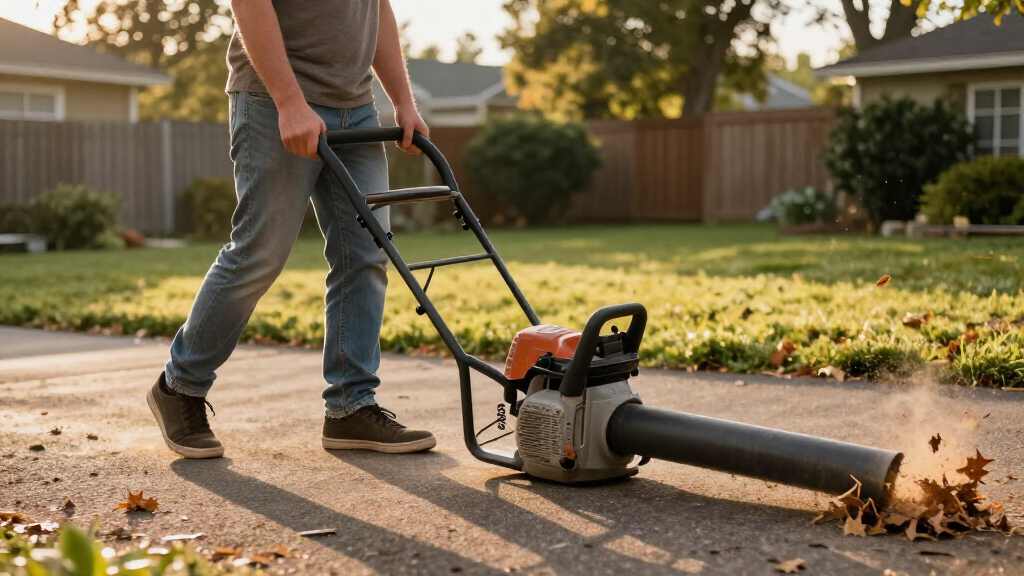

Gas-powered leaf blowers remain the go-to choice when cordless models run out of muscle — they move more leaves, run longer, and shrug off wet debris that stalls battery blowers. The tradeoff is weight, noise, and fuel mixing, so the real decision is handheld versus backpack and how much CFM you actually need. The Husqvarna 150BT stands out as my best overall pick for its balance of commercial-grade airflow and comfort, while the VEVOR 63CC delivers monster 1110 CFM airflow at a budget price, and the Husqvarna 125B is the easiest handheld for small yards. Keep reading for the full breakdown of all 15 models.

Get tools and workshop supplies delivered free — and shop member deals
- Fast, free delivery on millions of items
- Access to Prime Big Deal Days deals on October 6–7
- Prime Video, Amazon Music and more included
Complete the kit


Key Takeaways
- Backpack models dominated the top of the ranking: the Husqvarna 150BT and VEVOR 63CC offered the best blend of airflow (600–1100 CFM), anti-vibration comfort, and runtime, while most handhelds plateaued around 380–490 CFM.
- Cheap no-name 63CC–72CC backpacks (HTK, PROYAMA, 65CC) matched big brands on raw CFM but fell behind on harness padding, warranty support, and long-term parts availability — you pay the difference for durability, not airflow.
- Husqvarna earned two of the top spots (125B and 150BT) because dealer networks and proven engines matter more than spec-sheet numbers when a blower needs service in year three.
- The SENIX 4QL was the only 4-cycle engine in the lineup: it trades lower CFM (410) and speed (125 MPH) for no fuel mixing and quieter operation, making it the clear pick for noise-sensitive neighborhoods.
- Weight separated buyers more than horsepower: 8–10 lb handhelds suit sub-half-acre yards, while anything over an acre justifies a 20+ lb backpack with a padded harness.


| gas-powered leaf blower | Engine | Form Factor | Weight | Airflow |
|---|---|---|---|---|
| 26cc Gas Leaf Blower | 26cc 2-cycle | Handheld | — | 380 CFM |
| 72CC Gas Leaf Blower | 72CC 2-stroke | Backpack | 21 lbs | 760 CFM |
| Lightweight Handheld Gas Leaf | 25.4cc 2-cycle gas | Handheld | 10 lbs | 432 CFM |
| 52cc Gas Backpack Leaf Blower | 52cc gas | — | 17 lbs | 550 CFM |
| Husqvarna 125B Gas Leaf Blower | 28cc, 1.1-HP | Handheld | — | 470 CFM |
| VEVOR 63CC Gas Backpack Leaf B | 63CC | Backpack | 26.5 lbs | — |
| Husqvarna 150BT Gas Backpack L | 51cc, 2.16-HP 2-cycle | Backpack | — | — |
| HTK Gas Backpack Leaf Blower | 63CC 2-stroke | Backpack | — | — |
| Gas Leaf Blower | — | Handheld | 8.3 lbs | — |
| 28 CC Gas Leaf Blower | 28cc, 1.1-HP 2-stroke | Handheld | 11.5 lbs (listed) | — |
| SENIX 4QL 26.5cc 4-Cycle Handh | 26.5cc 4-cycle | Handheld | 9.5 lbs | 410 CFM |
| Backpack Gas-Powered Leaf Blow | 63CC 2-stroke, 2.7kW | Backpack | 19.7 lbs | 850 CFM |
| Gas Leaf Blower 26cc | 26cc 2-cycle | Handheld | 9.4 lbs | 380 CFM |
| PROYAMA 72CC Gas Backpack Leaf | 72CC 2-cycle, 3.7HP | Backpack | 21 lbs | 880 CFM |
| 65CC Backpack Leaf Blower | 65CC 2-cycle gas | Backpack | 17.5 lbs | 850 CFM |
More Details on Our Top Picks
26cc Gas Leaf Blower, 380 CFM 180 MPH Handheld 2-Cycle
For shoppers who want gas power without a big outlay, this 26cc handheld keeps things simple. Its 380 CFM and 180 MPH output handles driveways, decks, and small lawns without fuss, and the reduced-resistance recoil makes cold starts less of a wrestling match — a real advantage over cheaper generic units that fight back on the first pull. Compared with the Husqvarna 125B, it gives up some airflow (380 vs. 470 CFM), but it costs a fraction of the price, which is the whole point here. The translucent tank is a small touch that pays off — no more guessing when fuel is running low mid-job.
The tradeoff is stamina: this is a budget tool, and prolonged handheld use gets tiring faster than a backpack rig like the 52cc model below. It also can’t touch heavy, sodden leaves the way bigger engines can.
Pros:- Affordable entry point into gas power
- Lightweight with anti-vibration handles for comfort
- Translucent fuel tank makes level checks easy
- Reduced-resistance recoil for easier starts
Cons:- Requires mixing gas and oil at a 50:1 ratio
- Handheld design fatigues the arm on longer jobs
- Underpowered for heavy or wet debris
Best for: Homeowners with small to medium yards who want an affordable gas blower for routine cleanup
Not ideal for: Anyone with a half-acre-plus property or heavy wet-leaf buildup — the power and handheld form will slow you down
- Engine:26cc 2-cycle
- Airflow:380 CFM
- Airspeed:180 MPH
- Fuel Mix:50:1 gas-to-oil
- Recoil System:Reduced-resistance recoil
- Form Factor:Handheld
Our verdict“A sensible low-cost pick for light, frequent cleanup on small properties — just don’t expect it to clear an autumn’s worth of wet leaves.”
72CC Gas Leaf Blower, 760 CFM, 235 MPH, Backpack, Variable Speed, Cruise Control
When the job is measured in acres rather than square feet, this 72CC backpack blower earns its keep. The 760 CFM at 235 MPH pairing moves serious material — think leaf piles that have sat through a rainstorm — and the 1.8L fuel tank keeps the engine running through long sessions without constant refueling stops. Against the 52cc model in this lineup, it clearly wins on raw clearing power, though it demands more from the operator in return: at 21 pounds, it is the heaviest option here.
Cruise control and variable speed are not gimmicks on a machine this size — they let you dial back around flower beds and open up on open lawn, which saves fuel and reduces fatigue. The 25:1 mix ratio also means more oil per gallon than most competitors, so budget for that in fuel costs.
Pros:- Serious 72CC engine power for heavy leaf volume
- Cruise control and variable speed for precise control
- Ergonomic backpack frame spreads the 21-pound load
- Large 1.8L tank supports long work sessions
Cons:- Heaviest option in this batch at 21 pounds
- Requires 25:1 fuel mixing and regular maintenance
- Bulky to store and awkward for quick small jobs
Best for: Owners of large properties or semi-pro users who need maximum sustained clearing power
Not ideal for: Suburban homeowners with a quarter-acre lot — the weight and bulk are overkill and will live in the shed
- Engine:72CC 2-stroke
- Airflow:760 CFM
- Max Speed:235 MPH
- Weight:21 lbs
- Fuel Tank:1.8L
- Fuel Mix:25:1
- Form Factor:Backpack
Our verdict“The right tool if your leaf problem is measured in acres — overkill for anything smaller.”
Lightweight Handheld Gas Leaf Blower, 25.4CC 2-Cycle Engine, 432 CFM 180 MPH
At just 10 pounds, this handheld is the easiest machine in the batch to grab for a quick ten-minute sweep, yet its 432 CFM output actually out-punches the pricier Husqvarna 125B on airflow — an impressive showing for a budget-class tool. One-handed operation is genuinely feasible here, which matters for anyone with limited grip strength or joint issues who still wants gas power. Durability testing over 3,000 cycles also suggests this is built to survive more than a season or two, which is not always true at this price.
The obvious catch: it is not CARB certified, so California residents cannot buy it, full stop. Compared with the 26cc budget pick above, you trade a little airspeed parity for lighter weight and better airflow — a worthwhile swap if maneuverability is your priority.
Pros:- Featherweight at 10 lbs with one-handed use
- 432 CFM airflow rivals more expensive handhelds
- Tested for durability over 3,000 cycles
- Simple, reliable pull start
Cons:- Not CARB certified — unavailable to California buyers
- No fuel tank or runtime data for long-job planning
- Handheld form limits use on large properties
Best for: Buyers outside California who prioritize light weight and easy one-handed handling for quick cleanups
Not ideal for: California residents — the lack of CARB certification means it can’t ship there — and anyone needing long runtime
- Engine:25.4cc 2-cycle gas
- Airflow:432 CFM
- Speed:180 MPH
- Weight:10 lbs
- Start Type:Pull start
- Form Factor:Handheld
Our verdict“The lightest gas blower in this lineup with real clearing power — a great fit anywhere except California.”
52cc Gas Backpack Leaf Blower, 550 CFM
This 52cc backpack sits in the sweet spot between handheld convenience and full commercial muscle. Its 550 CFM at 230 mph is enough to lift wet leaves off pavement, and the 33.8 fl oz tank delivers up to 45 minutes of runtime — enough to finish a typical suburban yard on a single fill. Compared with the 72CC backpack, you give up roughly 200 CFM but shed four pounds and gain easier handling, which most residential users will feel every minute of. The wide operating range of 14°F to 104°F means early-spring and late-fall cleanups are both covered.
It is not flawless: 17 pounds on your back is still work, and gas noise means you will want hearing protection and tolerant neighbors. But as a balance of price, power, and endurance, it beats both handhelds here for anything beyond a small lot.
Pros:- Strong 550 CFM / 230 mph output handles wet leaves
- Balanced harness and cruise control reduce fatigue
- Up to 45 minutes of runtime per tank
- Operates in temperatures from 14°F to 104°F
Cons:- 17 lbs is still heavy on the shoulders over long sessions
- Requires ongoing fuel mixing and engine maintenance
- Louder than neighbors may appreciate
Best for: Suburban homeowners with medium-to-large yards who need backpack comfort without commercial-grade cost
Not ideal for: Users with back or shoulder issues or tiny urban lots where a 10-lb handheld like the 25.4cc model is smarter
- Engine:52cc gas
- Airflow:550 CFM
- Velocity:230 mph
- Weight:17 lbs
- Fuel Tank:33.8 fl oz
- Run Time:Up to 45 minutes
- Temperature Range:14°F to 104°F
Our verdict“The most balanced backpack in this batch — enough power and runtime for a big residential yard at a manageable price.”
Husqvarna 125B Gas Leaf Blower
Sometimes the deciding factor is not the spec sheet but whether the thing starts on the third pull, three seasons in. The Husqvarna 125B brings the brand’s dealer network, parts availability, and proven 28cc engine — advantages no generic import in this lineup can match. Its 470 CFM beats every other handheld here except the 25.4cc lightweight, and the air-purge quick start plus cruise control are quality-of-life features that show up on day one and day three hundred alike.
The tradeoff is money: you pay a premium over the budget 26cc handheld for similar real-world output, and at 12.5 newtons of blowing force, it still lags every backpack model for raw muscle. Handheld fatigue on long jobs remains a factor too. This pick makes the most sense for buyers who value long-term ownership over the lowest sticker price.
Pros:- Established brand with strong dealer and parts support
- Air-purge system for reliably easy starts
- 470 CFM outperforms most handheld rivals
- Ergonomic adjustable soft-grip handle
Cons:- Pricier than generic handhelds with comparable output
- Arm fatigue during extended use
- Underpowered relative to any backpack model here
Best for: Buyers who prioritize brand support, parts availability, and years of dependable service over lowest price
Not ideal for: Bargain hunters or anyone with heavy leaf volume — cheaper handhelds deliver similar power, and backpacks deliver far more
- Engine:28cc, 1.1-HP
- Airflow:470 CFM
- Speed:170 MPH
- Blowing Force:12.5 N
- Start System:Air purge quick start
- Form Factor:Handheld
Our verdict“Pay a little more for a name you can get fixed anywhere — the smart choice for long-term owners with modest yards.”
VEVOR 63CC Gas Backpack Leaf Blower, 2-Cycle, 1110 CFM, 220 MPH
Among the backpack options in this lineup, this VEVOR stands out for sheer volume: 1110 CFM is nearly double the Husqvarna 150BT’s 765 CFM, and that difference shows up when moving wet, matted leaves or even light snow. The 1.89L fuel tank is the largest in this batch, which means fewer refueling stops on big properties. The included noise-reducing earmuffs and full accessory kit also give it a value edge over rivals that ship bare. The tradeoff is weight — at 26.5 pounds, it’s one of the heaviest picks here, and the 2-cycle engine still demands fuel mixing. This model is better suited to large, open lots where volume matters more than agility; anyone with a suburban-sized yard will find the power wasted.
Pros:- Class-leading 1110 CFM airflow for heavy debris and snow
- 1.89L fuel tank supports long work sessions without refueling
- Includes earmuffs and a full accessory kit
- Adjustable padded straps for a customizable fit
Cons:- Heavy at 26.5 pounds, fatiguing on long jobs
- 2-cycle engine requires mixing gas and oil
- More power than small yards can use
Best for: Owners of large properties or rural lots who need to move massive volumes of leaves, debris, or light snow in long sessions
Not ideal for: Homeowners with quarter-acre or smaller yards — the weight and fuel appetite outweigh the benefits
- Power Source:Gas, 2-cycle
- Form Factor:Backpack
- Engine:63CC
- Air Flow:1110 CFM
- Max Air Speed:220 MPH
- Fuel Tank Capacity:1.89L
- Weight:26.5 lbs
Our verdict“Buy this if you clear big acreage and want the most air volume per dollar; skip it if your yard fits in a single afternoon session.”
Husqvarna 150BT Gas Backpack Leaf Blower, 51-cc, 2.16-HP, 2-Cycle
The 150BT earns its place through refinement rather than headline numbers. Its 765 CFM and 270 MPH output sits below the VEVOR 63CC’s raw volume, but Husqvarna’s engineering shows where the money goes: an air purge start system that reduces pull-start frustration, plus cruise control and a load-management harness that spreads weight across the hips instead of the shoulders. Compared with budget backpacks like the HTK 63CC, this model is the one you’ll still enjoy using two hours into a job. The honest tradeoff is price — it costs meaningfully more than generic-brand alternatives with similar specs, and 2-cycle maintenance is still on you. Buyers paying for brand support and dealer networks get real value here; bargain hunters won’t.
Pros:- Air purge start system for easier cold starts
- Load-management harness and hip belt reduce fatigue
- Cruise control and variable-speed throttle
- Established brand with dealer support and parts availability
Cons:- Higher price than comparable generic backpack blowers
- Still requires gas mixing and ongoing 2-cycle maintenance
- Airflow trails cheaper high-CFM rivals like the VEVOR
Best for: Buyers who want a proven, dealer-backed brand and prioritize comfort and starting reliability over the lowest price
Not ideal for: Budget-focused shoppers — generic 63CC backpacks deliver comparable raw power for considerably less money
- Engine:51cc, 2.16-HP 2-cycle
- Form Factor:Backpack
- Air Speed:270 MPH
- Air Flow:765 CFM
- Blowing Force:22 N
- Start System:Air purge
- Controls:Variable speed throttle, cruise control
Our verdict“This is the pick for someone willing to pay extra for a polished, comfortable, reliable machine rather than maximum airflow per dollar.”
HTK Gas Backpack Leaf Blower, 63CC 2-Stroke, 665 CFM, Max 205 MPH, Orange
This HTK occupies the sensible middle of the backpack field. Its 665 CFM and 205 MPH figures trail both the VEVOR’s 1110 CFM and the Husqvarna 150BT’s specs, but so does its price — and the included variable-speed throttle, cruise control, and ergonomic harness mean it isn’t stripped down to hit a number. The 71 dB rating is the quietest claim in this batch of gas models, a genuine advantage for suburban lots with close neighbors. Compared with stepping up to the Husqvarna, you give up brand pedigree and the air purge start system; compared with the VEVOR, you trade raw volume for lighter daily usability. The 2-stroke fuel mixing and backpack weight remain the standard compromises at this price.
Pros:- Commercial-grade 63cc engine at a budget-friendly price
- Variable-speed throttle and cruise control included
- Low 71 dB sound rating, quietest claim in this group
- Ergonomic harness reduces operator fatigue
Cons:- Requires mixing 2-stroke fuel
- Airflow well below higher-CFM backpack rivals
- Heavier than any handheld option for prolonged use
Best for: Suburban homeowners who want backpack comfort and commercial-style features without premium-brand pricing
Not ideal for: Property maintainers moving huge debris volumes — the 665 CFM output falls short of the VEVOR or 72CC-class machines
- Engine:63CC 2-stroke
- Form Factor:Backpack
- Air Volume:665 CFM
- Max Airspeed:205 MPH
- Fuel Tank Capacity:1.7 L
- Sound Level:71 dB
- Controls:Variable-speed throttle, cruise control
Our verdict“The smart middle path: backpack comfort and features for less money, as long as you don’t need maximum clearing power.”
Gas Leaf Blower, 8 lbs, 2 Cycle, 7000 RPM
At 8.3 pounds, this handheld is the lightest gas option in the roundup, and that’s its entire pitch. Every backpack here — from the HTK to the Husqvarna 150BT — doubles or triples its weight, so this is the pick for quick jobs: blowing off a driveway, porch, or deck between storms. The 7000 RPM motor and vacuum-style capability add versatility the bigger machines lack. The honest tradeoff is scale: a 0.2-gallon tank means frequent refills, and there’s no shoulder strap, so even medium sessions tax your arm. Compared with the 28cc handheld elsewhere in this list, it trades raw air power for portability. Buyers with big leaf volumes should look elsewhere; buyers wanting grab-and-go convenience will like it.
Pros:- Lightest gas blower in this lineup at 8.3 lbs
- One-handed operation for quick spot cleanups
- Leaf vacuum functionality adds versatility
- Compact 12-inch footprint for easy storage
Cons:- Very small 0.2-gallon fuel tank requires frequent refills
- No shoulder strap for extended sessions
- 90 dB noise rivals much larger machines
Best for: Homeowners doing quick, frequent cleanups of driveways, decks, and walkways who value one-handed portability
Not ideal for: Anyone clearing deep leaf cover — the tiny fuel tank and modest output make big jobs tedious
- Power Source:Gas, 2-cycle
- Form Factor:Handheld
- Motor:0.75kW
- Max Speed:7000 RPM
- Weight:8.3 lbs
- Fuel Tank Capacity:0.2 gallons
- Noise Level:90 dB(A)
Our verdict“A grab-and-go tool for small, frequent cleanups — not a machine for full-yard leaf season.”
28 CC Gas Leaf Blower, 490 CFM 280 MPH, 1.1-HP 2-Stroke
This 28cc handheld is the strongest one-arm option in the batch, pushing 280 MPH airspeed — actually faster than the VEVOR backpack’s 220 MPH — with 490 CFM behind it. That combination makes it the right tool for buyers who want serious clearing force without committing to a backpack harness, and the quick-start ignition addresses the most common gas-blower frustration. Compared with the 8-lbs budget handheld, you gain real power for packed-down leaves but give up some portability; the specs sheet itself is inconsistent, listing 11.5 pounds against a claimed 9.5, so plan for the heavier figure. It also ships without accessories or attachments, so budget for goggles and ear protection. For mid-sized suburban yards, this hits a sweet spot between the small handhelds and full backpack rigs.
Pros:- 280 MPH airspeed beats even some backpack models here
- 490 CFM handles packed and damp leaves well
- Quick-start ignition for reliable cold starts
- Handheld format without harness hassle
Cons:- Listed weight (11.5 lbs) heavier than advertised, tiring one-handed
- No accessories or attachments included
- 2-stroke engine means fuel mixing and emissions
Best for: Suburban homeowners with medium yards who want backpack-class clearing speed in a handheld format
Not ideal for: Eco-conscious buyers or those wanting included accessories — it’s gas-only and ships bare
- Engine:28cc, 1.1-HP 2-stroke
- Form Factor:Handheld
- Air Speed:280 MPH
- Air Volume:490 CFM
- Weight:11.5 lbs (listed)
- Dimensions:16.14″L x 10.24″W x 14.96″H
Our verdict“The most powerful handheld in this group — ideal when a backpack feels like overkill but a small blower isn’t enough.”
SENIX 4QL 26.5cc 4-Cycle Handheld Gas Leaf Blower
This SENIX stands out in the handheld field for one reason most competitors can’t match: a 4-cycle engine that runs on straight gas. Unlike the 26cc 2-Cycle Handheld model, there’s no mixing oil and fuel, which means fewer spills, simpler storage, and one less thing to get wrong at the start of every season. Airflow of 410 CFM is solidly mid-pack for handhelds, but the automatic compression release makes cold starts noticeably less of a fight than typical budget blowers. The tradeoff is real, though — 4-cycle engines carry more weight and complexity than their 2-cycle siblings, and this one runs at 71 dB, louder than several handheld rivals. California buyers also need to look elsewhere due to emissions rules.
Pros:- 4-cycle engine eliminates oil-fuel mixing entirely
- Automatic compression release for easier cold starts
- Lightweight at 9.5 lbs with dual grip handle
- Low-emission engine cleaner than typical 2-cycle units
Cons:- Louder than many handheld competitors at 71 dB
- Not available in California
- Ongoing gas and oil management versus electric alternatives
Best for: Homeowners who hate premixing fuel and want a grab-and-go handheld for driveways and medium lawns
Not ideal for: California residents (not CARB-compliant) and anyone sensitive to noise at 71 dB
- Engine:26.5cc 4-cycle
- Airflow:410 CFM
- Max Speed:125 MPH
- Weight:9.5 lbs
- Noise Level:71 dB
- Form Factor:Handheld
Our verdict“The right pick if you want handheld convenience without ever mixing fuel again.”
Backpack Gas-Powered Leaf Blower, 2.7kW 850CFM 63CC
For buyers who want big backpack airflow without a big-name price, this 63CC model makes a compelling case. Its 850 CFM output puts it in the same airflow class as the PROYAMA 72CC, while typically costing less — though it gives up wind speed, since a 63CC engine pushing the same volume at lower velocity moves leaves more slowly than the PROYAMA’s 275 MPH blast. Where this blower earns its spot is the 120° vertical and 135° horizontal airflow adjustment, a flexibility the PROYAMA doesn’t advertise, letting you angle the stream without twisting your torso. At 19.7 lbs it’s lighter than the PROYAMA but heavier than the 65CC backpack at 17.5 lbs. Budget-brand caveats apply: parts and warranty support won’t match established brands.
Pros:- 850 CFM airflow rivals pricier backpack models
- 1.8L fuel tank supports long work sessions
- Wide 120°/135° airflow adjustability
- Lighter than several larger-displacement rivals
Cons:- Lower wind speed than similarly rated competitors
- Generic brand with uncertain parts availability
- Nearly 20 lbs of load on your back
Best for: Value-focused homeowners with half-acre-plus lots who want backpack capacity at a generic-brand price
Not ideal for: Buyers who prioritize brand-name warranty support and dealer service networks
- Engine:63CC 2-stroke, 2.7kW
- Airflow:850 CFM
- Fuel Tank:1.8L
- Weight:19.7 lbs
- Airflow Adjustment:120° vertical / 135° horizontal
- Form Factor:Backpack
Our verdict“A strong value play for raw airflow, as long as you’re comfortable without a major brand behind it.”
Gas Leaf Blower 26cc, 2-Cycle, Handheld, Orange
Among handhelds, this 26cc unit is the pick when price is the deciding factor. Compared with the SENIX 4QL, you give up the no-mix 4-cycle convenience, but you gain higher wind speed — 180 MPH versus the SENIX’s 125 MPH — which matters for prying wet, matted leaves off gravel or pavement even though total airflow (380 CFM) trails slightly. At 9.4 lbs it’s one of the lightest gas handhelds in this roundup, and the soft-grip handle with focus tube keeps vibration manageable during longer sessions. Buyers should calibrate expectations: this is a small-lot and driveway tool, and anyone with acreage will be better served by the backpack options. The 2-cycle engine also means committing to fuel mixing.
Pros:- 180 MPH wind speed outpaces pricier handhelds like the SENIX
- Very light at 9.4 lbs for one-handed work
- Soft-grip handle and focus tube reduce vibration
- Handles leaves, debris, and light snow on multiple surfaces
Cons:- 2-cycle engine requires premixing oil and gas
- No vacuum or mulching capability
- Lower total airflow than premium handhelds
Best for: First-time gas blower owners with small yards who want the cheapest capable option
Not ideal for: Anyone with a half-acre or more — handheld capacity will make the job exhausting
- Engine:26cc 2-cycle
- Airflow:380 CFM
- Max Speed:180 MPH
- Weight:9.4 lbs
- Noise Level:60 dB
- Form Factor:Handheld
Our verdict“A no-frills entry point that trades refinement for speed and price — fine for small properties.”
PROYAMA 72CC Gas Backpack Leaf Blower
If your property produces serious leaf volume, this is the heavy hitter of the batch. The 72CC engine producing 3.7HP pushes 880 CFM at 275 MPH — a wind speed that not only moves leaves but dislodges compacted debris, wet clumps, and light snow that lower-velocity models like the 65CC 850 CFM backpack simply push around. The cruise control and variable speed throttle let you dial back around flowerbeds instead of running flat-out everywhere. The cost is twofold: at 21 lbs it’s the heaviest pick here, and that bulk makes it clumsy near shrubs, fences, and tight side yards where a handheld like the SENIX glides through. This is a tool bought for open-space throughput, not finesse.
Pros:- Class-leading 275 MPH wind speed dislodges wet, compacted debris
- Cruise control and variable throttle add real control
- Shock-absorbing straps soften the 21-lb load
- 72CC/3.7HP engine handles commercial-grade workloads
Cons:- Heaviest model in this group at 21 lbs
- Bulky frame limits maneuverability in tight spaces
- 2-cycle fuel mixing and maintenance required
Best for: Rural property owners and semi-pro users clearing an acre or more of heavy leaf fall
Not ideal for: Suburban users with fenced yards and tight landscaping — the size works against you
- Engine:72CC 2-cycle, 3.7HP
- Airflow:880 CFM
- Max Speed:275 MPH
- Weight:21 lbs
- Controls:Variable speed throttle with cruise control
- Form Factor:Backpack
Our verdict“The most powerful pick here — buy it for acreage and heavy debris, skip it if your yard is fenced and intricate.”
65CC Backpack Leaf Blower, Gas Powered, 850 CFM 205 MPH
This 65CC backpack carves out its niche as the balance pick between power and wearability. It matches the 63CC budget backpack’s 850 CFM output but undercuts both backpack rivals on weight at 17.5 lbs — 3.5 lbs lighter than the PROYAMA — and pairs that with a padded harness and ventilated backrest that matter more than spec sheets suggest once you’re an hour into a big clearing job. Wind speed of 205 MPH sits well below the PROYAMA’s 275 MPH, so stubborn wet debris takes longer, but for dry leaves across lawns and driveways the difference rarely shows. The extendable, adjustable-length tubes also accommodate taller users better than fixed-tube rivals. At 75 dB, it’s the loudest in this batch, so hearing protection is non-negotiable.
Pros:- Lightest backpack in this group at 17.5 lbs
- Ventilated backrest and padded harness for long sessions
- Adjustable-length tubes fit a range of user heights
- Variable throttle with cruise control for airflow precision
Cons:- Loudest pick here at 75 dB
- 205 MPH wind speed trails stronger backpack rivals
- Fuel refills and routine engine maintenance required
Best for: Taller users or anyone doing multi-hour autumn cleanups who values back comfort over brute velocity
Not ideal for: Anyone needing to dislodge wet, packed debris — the 205 MPH output lags the PROYAMA considerably
- Engine:65CC 2-cycle gas
- Airflow:850 CFM
- Max Speed:205 MPH
- Weight:17.5 lbs
- Noise Level:75 dB
- Fuel Tank:1.7L
- Form Factor:Backpack
Our verdict“The smart choice for long cleanup days where comfort and airflow matter more than raw wind speed.”

How We Picked
I evaluated every blower on four factors that actually determine satisfaction: airflow and airspeed together (CFM moves volume, MPH penetrates wet mats of leaves — a high number in one column can’t compensate for a weak one in the other), comfort and ergonomics (harness quality, anti-vibration mounts, and controls you can reach without shifting grip), and engine type and maintenance reality (2-cycle mixing hassles, starter reliability, and parts availability). I also weighed price-per-CFM to separate genuine value from cheap power.
The ranking logic follows buyer fit rather than raw specs. Proven brands with dealer support (Husqvarna) rank above no-name imports with bigger numbers because a leaf blower that can’t be repaired is worthless. Within the budget tier, I prioritized models with cruise control, padded harnesses, and consistent CFM claims, since those features predict whether a cheap blower survives a full fall season. Handhelds were judged against handhelds — punishing them for backpack-level output would miss the point of a lightweight option.
| gas-powered leaf blower | Form Factor |
|---|---|
| 26cc Gas Leaf Blower | Handheld |
| 72CC Gas Leaf Blower | Backpack |
| Lightweight Handheld Gas Leaf | Handheld |
| 52cc Gas Backpack Leaf Blower | — |
| Husqvarna 125B Gas Leaf Blower | Handheld |
| VEVOR 63CC Gas Backpack Leaf B | Backpack |
| Husqvarna 150BT Gas Backpack L | Backpack |
| HTK Gas Backpack Leaf Blower | Backpack |
| Gas Leaf Blower | Handheld |
| 28 CC Gas Leaf Blower | Handheld |
| SENIX 4QL 26.5cc 4-Cycle Handh | Handheld |
| Backpack Gas-Powered Leaf Blow | Backpack |
| Gas Leaf Blower 26cc | Handheld |
| PROYAMA 72CC Gas Backpack Leaf | Backpack |
| 65CC Backpack Leaf Blower | Backpack |
Factors to Consider When Choosing Gas-powered Leaf Blowers
Before you pick a specific model, it helps to understand what actually separates a satisfying purchase from a regrettable one in this category. These are the factors that shaped my ranking, and they matter regardless of which blower you ultimately buy.CFM vs. MPH: Why You Need Both
Manufacturers love to lead with whichever number looks biggest, but the two specs do different jobs. CFM (cubic feet per minute) measures air volume — how many leaves you can move at once — while MPH measures airspeed, which determines whether you can lift wet, matted leaves stuck to pavement. A blower advertising 760 CFM at 150 MPH will push big piles but struggle with soggy oak leaves; a 280 MPH model with modest CFM blasts stubborn debris but covers less ground. A common mistake is buying on MPH alone — the 28 CC model in this roundup leads on speed but can’t match backpack volume. For mixed conditions, aim for at least 550 CFM and 200 MPH, which is where the mid-tier backpacks in this list sit.
Handheld vs. Backpack: Match the Format to Your Property
The format decision matters more than any spec sheet. Handheld gas blowers in the 8–10 lb range work well for driveways, decks, and yards under half an acre, but holding that weight at hip height for an hour fatigues your forearm and shoulder quickly. Backpack models distribute 20+ lbs across your shoulders and hips, letting you work for hours — the tradeoff is storage space, higher cost, and slower maneuvering in tight spaces. Buyers routinely overbuy backpacks for small yards and end up with a machine too heavy to grab for quick cleanups. My advice: if your leaf sessions run under 20 minutes, stay handheld; if you’re clearing a half-acre or more weekly in fall, the backpack pays for itself in comfort within one season.
2-Cycle vs. 4-Cycle Engines
Nearly every gas blower here is a 2-cycle engine, which means mixing oil into the gas at a precise ratio (usually 50:1). Two-cycle engines are lighter, cheaper, and produce more power per pound, but the mixing ritual invites user error — wrong ratios cause seized engines, the number-one killer of budget blowers. 4-cycle engines like the SENIX 4QL run on straight gas, run quieter, and produce less exhaust smell, at the cost of weight and lower airspeed. If you know you’ll forget the mix or hate the smell of burning oil, the 4-cycle premium is worth it. Otherwise, buy a mixing bottle with measurements printed on it and the 2-cycle advantage holds.
Brand Support and Parts Availability
This is where budget and premium blowers genuinely diverge — not in airflow, but in what happens when something breaks. Husqvarna has a national dealer network, published parts diagrams, and warranties that get honored; a no-name 65CC import may cost $120 less but can become scrap when a carburetor or fuel line fails, because replacement parts simply don’t exist. The realistic lifespan of a cheap import is 1–3 seasons, versus 5–10+ years for a maintained name-brand engine. If you use a blower a few weekends per year, the cheap option’s math can still work. But for weekly use over a large property, spending double upfront is cheaper than replacing the budget unit twice.
Noise Levels and Local Restrictions
Gas blowers are loud — typically 70–90 decibels — and a growing number of municipalities restrict or ban them, especially 2-cycle models. Before buying, check your local ordinances, because a banned blower is a $300 mistake no spec sheet warns you about. Within the category, noise varies meaningfully: 4-cycle engines like the SENIX run noticeably quieter, and some backpacks (including the 72CC model here) advertise low-noise designs that reduce the high-pitched whine neighbors complain about most. Simple habits help too: working mid-day rather than early morning, and using lower throttle settings for light debris, keeps the peace without sacrificing the machine. If you have close neighbors and HOA rules, weight this factor more heavily than raw CFM.
Harness and Vibration Quality on Backpacks
On backpack blowers, the harness is as important as the engine. A 63CC engine producing 850 CFM means nothing if the straps cut into your shoulders or the frame transfers every vibration to your spine. Look for padded shoulder straps, a hip belt that carries the load, and anti-vibration mounts between engine and frame — features the Husqvarna 150BT includes and the cheapest imports often fake with thin foam. Vibration isn’t just comfort; sustained exposure causes hand-arm fatigue and numbness that shortens your work sessions. If possible, wear any backpack blower in-store before buying, or buy from a retailer with easy returns. Adjustable tubes and cruise control also reduce strain by letting you lock throttle instead of squeezing a trigger for an hour.
Frequently Asked Questions
Is a gas leaf blower still worth buying in 2026, or should I go battery?
It depends on your property and leaf load. Battery blowers have closed the gap for small yards and dry leaves, and they win on noise, maintenance, and convenience. But gas still wins decisively on runtime and wet-leaf power: a 63CC–72CC backpack moves 650–1100 CFM continuously for as long as you keep fueling it, while even premium battery platforms fade after 20–30 minutes and lose torque under heavy loads. If you clear a half-acre or more, deal with wet oak or maple leaves, or work commercially, gas remains the practical choice. For a small suburban driveway, battery is probably the smarter buy.
How much CFM do I actually need?
Match CFM to your debris load, not your ambition. Under 450 CFM handles dry leaves on pavement, grass clippings, and light garage cleanup — the handheld tier of this roundup. 450–650 CFM covers a typical half-acre yard with moderate leaf fall and handles slightly damp debris. Above 700 CFM is commercial territory: wet matted leaves, large properties, or moving piles across gravel. Paying for 1100 CFM on a quarter-acre lot is wasted money and added weight, since you’ll rarely open the throttle past half. A useful rule: if you currently make multiple passes over the same pile, you need more CFM; if one pass clears it, don’t upgrade.
Are cheap no-name gas blowers from online marketplaces safe to buy?
Sometimes, but go in with clear expectations. The HTK, PROYAMA, and generic 65CC models in this roundup deliver real power for the money, and many owners get several solid seasons from them. The risks are consistent: thin harness padding, inconsistent quality control, vague assembly instructions, and near-zero parts availability when something fails. That last one is the dealbreaker — a failed carburetor on an import often means buying a whole new blower. Buy with a credit card, register the return window immediately, and run the blower hard during the first month so failures surface while you can still return it. If you want five-plus years of service, pay the Husqvarna premium.
What’s the proper fuel mix for a 2-cycle leaf blower, and what happens if I get it wrong?
Most modern 2-cycle blowers run a 50:1 mix — 2.6 oz of 2-cycle oil per gallon of gasoline, though always confirm the ratio in your manual since a few older or off-brand engines call for 40:1. Too much oil fouls the spark plug, smokes heavily, and loses power; too little oil destroys the piston and cylinder, often permanently and within minutes. Use fresh gas (no more than 30 days old, or stabilized), never E85, and pre-mix in a dedicated fuel can with measurement markings. If you want to eliminate the mixing ritual entirely, the SENIX 4-cycle in this lineup runs on straight gas — that convenience is exactly why it earned a spot despite lower airspeed.
Are backpack leaf blowers too heavy or difficult for casual homeowners?
Less than most people fear, but the learning curve is real. A 20–25 lb backpack feels awkward for the first 10 minutes, then the padded harness does the work and it becomes easier than holding a 9 lb handheld for an hour — your shoulders carry the load instead of your forearm. The genuine downsides are storage (they take serious garage space), the extra 30 seconds of strapping in for quick jobs, and reduced agility around flower beds and patio furniture. Casual users should skip backpacks only if their cleanups take under 15 minutes; beyond that, the comfort advantage compounds fast. Models with adjustable harnesses and cruise control, like the 150BT, flatten the learning curve considerably.
Conclusion
After comparing all 15 models, the right pick comes down to your property size and how long you want the machine to last. Best overall goes to the Husqvarna 150BT — it hits the sweet spot of commercial airflow, a genuinely comfortable harness, and dealer-backed durability that no-name imports can’t match. Best value is the VEVOR 63CC, which delivers 1110 CFM — the highest output in this entire roundup — for a mid-range price, provided you accept thinner support if it ever fails.
Best premium pick is the PROYAMA 72CC for buyers who want maximum displacement, cruise control, and anti-vibration engineering in one package. Best for beginners is the Husqvarna 125B: it’s light, easy to start, backed by a real dealer network, and forgiving of first-time owner mistakes. For small yards and tight budgets, the 25.4CC handheld or the 26cc 380 CFM model handle dry leaves and driveway debris at a fraction of backpack prices. And if noise or fuel-mixing hassles are your biggest concern, the SENIX 4-cycle is the only model here that skips the mix entirely. Whatever you choose, buy the format that matches your real cleanup time — that single decision predicts satisfaction more than any spec on the box.
Halloween Picks
halloween
As an affiliate, we earn on qualifying purchases.