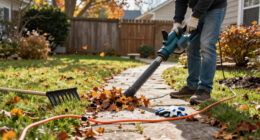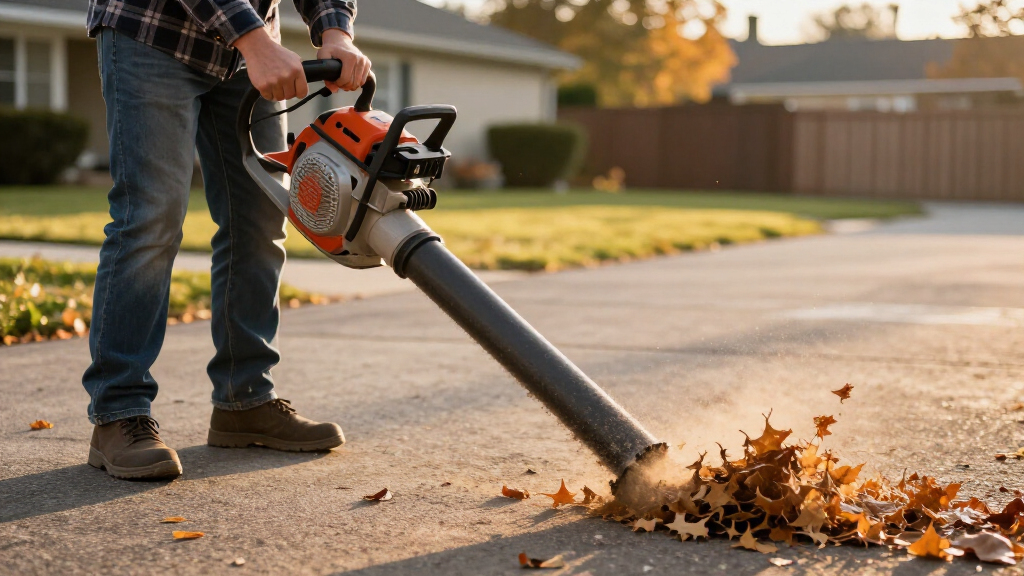
Gas-powered leaf blowers still beat battery models when you need run time, raw airflow, and the ability to clear wet leaves across a large yard without swapping batteries. After comparing 13 popular models, the Husqvarna 150BT earns my best overall pick for balancing 51CC backpack power with a comfortable harness and proven reliability. The ECHO PB-2520 stands out as the handheld pick for homeowners who want professional-brand quality without backpack weight, while the VEVOR 63CC delivers the most airflow per dollar if budget is your priority. The main tradeoff in this category is between cheap generic handhelds that cost under $150 but can be frustrating to start, and name-brand machines that cost more up front and last for years. Read on for the full breakdown of all 13 models.

Get business pricing on tools and workshop supplies
- Business-only prices and quantity discounts
- Tax-exempt purchasing
- Multiple users, one account, clear invoices
Complete the kit


Key Takeaways
- Brand reputation was the single biggest differentiator: the Husqvarna 150BT and ECHO PB-2520 cost more than generic rivals but win on starting reliability, parts availability, and resale value.
- CFM numbers on budget listings are often inflated — the VEVOR‘s claimed 1110 CFM and the no-name handhelds’ specs should be discounted 20-30% when comparing against name-brand ratings.
- Backpack blowers from 52CC to 63CC (Husqvarna, VEVOR, HTK) form the value sweet spot for half-acre-plus yards; jumping to the 72CC PROYAMA only makes sense for commercial or steep, wooded lots.
- The SENIX 4QL was the only 4-cycle model in the lineup — a meaningful choice for buyers tired of mixing gas and oil, though it gives up airspeed to 2-cycle handhelds.
- Several budget handhelds (the 26CC and 25.4CC generics) appear to share the same engine platform; I’d choose between them on price and warranty alone, not claimed specs.


| gas-powered leaf blower | Engine | Form Factor | Weight | Power Source |
|---|---|---|---|---|
| Gas Leaf Blower 26cc | 26cc | Handheld | 9.4 lbs | Gas, 2-cycle |
| 52cc Backpack Leaf Blower | 52cc | Backpack | 17 lbs | Gas |
| Lightweight Handheld Gas Leaf | 25.4cc | Handheld | 10 lbs | Gas, 2-cycle |
| PROYAMA 72CC Gas Backpack Leaf | 72cc | Backpack | 21 lbs | Gas |
| ECHO PB-2520 25.4cc Handheld L | 25.4cc | Handheld | — | Gas |
| Backpack Gas Powered Leaf Blow | 63CC, 4.3HP, 2.7kW | Backpack | 19.7 lbs | Gas Powered, 2-Stroke |
| VEVOR 63CC Gas Backpack Leaf B | 63CC | Backpack | 26.5 lbs | Gas Powered, 2-Cycle |
| Husqvarna 150BT Gas Backpack L | 51-cc, 2.16-HP | Backpack | — | Gas Powered, 2-Cycle |
| HTK Gas Backpack Leaf Blower | 63CC | Backpack | 21 lbs | Gas Powered, 2-Stroke |
| Husqvarna 125B Gas Leaf Blower | 28-cc, 1.1 HP | Handheld | 9.4 lbs | Gas Powered, 2-Cycle |
| SENIX 4QL 26.5cc 4-Cycle Handh | 26.5cc 4-cycle gas | Handheld | 9.5 lbs | — |
| 26cc Gas Leaf Blower | 26cc 2-cycle gas | — | 9.4 lbs | — |
| 25.4CC Gas Leaf Blower | 25.4cc 2-cycle gas | Handheld, low-vibration | 10 lbs | — |
More Details on Our Top Picks
Gas Leaf Blower 26cc, 2-Cycle, Handheld, Orange
For shoppers who want gas power without spending much, this 26cc handheld is the cheapest entry point in the lineup. Its 380 CFM output sits below the Lightweight Handheld 25.4CC model’s 432 CFM, so it clears slower on thick leaf cover, but at 9.4 pounds it is one of the lightest options here and the reduced pull resistance makes cold starts less of a wrestling match. The tradeoff is capacity: this is a small-lot machine, and anything beyond light debris and dust will expose its limits quickly. It also lacks accessories or attachments, so buyers hoping to expand its usefulness later are out of luck.
Pros:- Very affordable gas option for budget-conscious buyers
- Lightest feel in the lineup at 9.4 pounds
- Easier pull starts thanks to reduced starting resistance
- Handles leaves, dust, and light snow across multiple surfaces
Cons:- Lowest airflow of the gas handhelds at 380 CFM
- Struggles with anything beyond light debris
- No included accessories or attachment options
Best for: Homeowners with small suburban lots who want an affordable, no-frills gas blower for light leaf and debris duty
Not ideal for: Anyone with a half-acre or more — the 380 CFM output will make large cleanups feel painfully slow
- Power Source:Gas, 2-cycle
- Engine:26cc
- Form Factor:Handheld
- Air Flow Capacity:380 CFM
- Maximum Speed:180 MPH
- Noise Level:60 dB
- Weight:9.4 lbs
- Dimensions:10″L x 8″W x 10″H
Our verdict“A sensible budget buy for small yards, as long as expectations stay modest.”
52cc Backpack Leaf Blower – Gas Powered 550 CFM 230 MPH
This 52cc backpack hits a sweet spot between price and power that most of this roundup misses. Its 550 CFM beats every handheld here, including the PROYAMA 72CC’s little siblings in the mid-range, yet at 17 pounds it weighs four pounds less than the PROYAMA, making it far friendlier for homeowners who only need it an hour a week. The cushioned harness and adjustable speed translate to real comfort on hour-long sessions, and the 1-liter tank delivers roughly 45 minutes of runtime. The compromises are real though: 78 dB means hearing protection is non-negotiable, and like most homeowner-grade backpacks it wilts against heavy, wet snow.
Pros:- 550 CFM and 230 MPH comfortably outclasses every handheld in this roundup
- Lighter than professional backpacks at 17 pounds
- Up to 45 minutes runtime from the 1-liter tank
- Cushioned, low-vibration harness for extended sessions
Cons:- 78 dB noise level requires hearing protection
- Not powerful enough for heavy or wet snow
- Still tiring for smaller-framed users over long sessions
Best for: Suburban homeowners with medium-to-large yards who want backpack comfort without paying professional-grade prices
Not ideal for: Noise-sensitive neighborhoods or buyers wanting pro-level 800+ CFM throughput for commercial workloads
- Power Source:Gas
- Engine:52cc
- Form Factor:Backpack
- Air Flow Capacity:550 CFM
- Maximum Speed:230 MPH
- Noise Level:78 dB
- Weight:17 lbs
- Tank Capacity:1 liter
- Additional Features:Adjustable speed
Our verdict“The smartest middle ground in this lineup for buyers upgrading from a handheld.”
Lightweight Handheld Gas Leaf Blower, 25.4CC 2-Cycle Engine, 432 CFM 180 MPH
This model’s pitch is simple: more airflow than any other handheld in the roundup at a weight most people can handle one-handed. At 432 CFM it out-moves the budget 26cc orange blower by over 50 CFM, which matters when you are pushing leaves across a driveway rather than just herping dust. The 3,000-cycle reliability testing also suggests it is built to survive more than one or two seasons, something cheap handhelds rarely manage. The obvious headache is availability — no CARB certification means no California shipping, instantly excluding a huge chunk of buyers. Two-cycle ownership also means mixing fuel and more maintenance than a plug-in alternative.
Pros:- Highest CFM of any handheld in this roundup at 432 CFM
- One-handed operation at 10 pounds
- Durability-tested over 3,000 reliability cycles
- Simple, dependable pull-start design
Cons:- Not CARB certified, blocking California sales
- 2-cycle engine requires fuel mixing and regular maintenance
- Still outclassed by even the 52cc backpack for large jobs
Best for: Non-California homeowners who want maximum handheld blowing force without backpack bulk
Not ideal for: California residents — the lack of CARB certification means it cannot be shipped there at all
- Power Source:Gas, 2-cycle
- Engine:25.4cc
- Form Factor:Handheld
- Airflow:432 CFM
- Air Speed:180 MPH
- Weight:10 lbs
- Dimensions:11.2″L x 15.5″W x 13.9″H
- Additional Features:Low-vibration, portable
Our verdict“The strongest handheld choice here for anyone outside California who values power per pound.”
PROYAMA 72CC Gas Backpack Leaf Blower
When the jobs get ugly — wet oak leaves, gravel driveways, storm debris — the PROYAMA’s 880 CFM and 275 MPH put it in a different class from the 52cc backpack, which manages 330 fewer CFM. Those numbers matter: heavier airflow moves saturated leaves instead of skittering over them. The cruise control and variable-speed throttle are features the budget handhelds in this roundup lack entirely, letting you dial back near flower beds and open up on open lawn. The cost is literal — 21 pounds on your back gets fatiguing, and the plastic construction feels less premium than a Husqvarna 150BT. This is a working tool, not a refined one.
Pros:- 880 CFM and 275 MPH outmuscle everything else reviewed here
- Cruise control and variable-speed throttle for precise control
- Ergonomic backpack frame suited to long work sessions
- Handles yard debris and snow removal that stalls smaller units
Cons:- 21 pounds causes fatigue on extended jobs
- Plastic construction feels less durable than pro brands
- Bulkier and harder to store than handheld alternatives
Best for: Owners of large or tree-heavy properties and part-time landscapers who need commercial-grade airflow
Not ideal for: Small-lot homeowners — the weight, fuel consumption, and bulk are wasted on a quarter-acre yard
- Power Source:Gas
- Engine:72cc
- Form Factor:Backpack
- Air Flow Capacity:880 CFM
- Maximum Speed:275 MPH
- Weight:21 lbs
- Dimensions:18″L x 14.5″W x 22″H
- Additional Features:Cruise control, variable speed throttle
Our verdict“The most powerful option in this batch, built for buyers whose yards fight back.”
ECHO PB-2520 25.4cc Handheld Leaf Blower
ECHO is the only established dealer-backed brand among this batch, and that matters more than spec sheets suggest. Warranty support, replacement parts availability, and a service network are things the generic 26cc and 25.4cc handhelds simply cannot offer — when a no-name unit dies, it usually stays dead. The 25.4cc professional-grade engine is the same displacement as the Lightweight Handheld model, but ECHO’s build reputation gives it an edge in long-term confidence. The honest weakness is thin published specifications: airflow, noise, and runtime figures are sparse here, so buyers comparing pure numbers will find the generic competitors look stronger on paper. You are paying partly for the badge and the support behind it.
Pros:- ECHO’s dealer network and warranty support outclass generic brands
- Professional-grade 25.4cc engine with proven residential reliability
- Lightweight and maneuverable for everyday yard work
- Strong resale and parts availability
Cons:- Detailed airflow and noise specs are not readily published
- Costs more than comparable no-name handhelds
- Underpowered relative to any backpack option here
Best for: Buyers who prioritize brand reputation, warranty support, and parts availability over raw specs
Not ideal for: Spec-driven comparison shoppers — sparse published numbers make it hard to justify against cheaper rivals
- Power Source:Gas
- Engine:25.4cc
- Form Factor:Handheld
- Brand:ECHO
- Additional Features:Lightweight design
- Dimensions:19″L x 17″W x 12″H
Our verdict“The safe choice for buyers who value long-term serviceability over the cheapest price tag.”
Backpack Gas Powered Leaf Blower, 2.7kW, 850 CFM, 63CC, 4.3HP, 2-Stroke
This is the entry price point of the backpack category, and it delivers a 63CC engine that, on paper at least, out-muscles the Husqvarna 150BT’s 51-cc powerhead. For buyers who want to move from a handheld model like the Husqvarna 125B into backpack territory without spending brand-name money, this option makes sense as a low-commitment upgrade. The adjustable airflow direction helps widen your clearing path, and the 19.7-pound weight is actually lighter than the VEVOR 63CC, which matters if your sessions run past an hour.
The tradeoff is refinement. Compared with the Husqvarna 150BT’s load management harness and cruise control, this blower feels more utilitarian — expect more vibration, a louder 101 dB operating volume, and no dealer support network when something breaks. It clears leaves and even light snow well; it just won’t feel polished doing it.
Pros:- 63CC engine with 850 CFM rivals pricier backpack blowers on raw power
- Lighter than most 63CC backpacks at 19.7 pounds
- Adjustable airflow direction widens the clearing path
- Large fuel tank cuts down refueling stops
Cons:- 101 dB noise is among the loudest in this lineup
- No-name brand means limited warranty support and parts availability
- Harness lacks the refinement of Husqvarna’s load management system
Best for: Homeowners with half-acre-plus yards who want backpack power at the lowest possible price
Not ideal for: Buyers who value quiet operation or long-term durability — the 101 dB output and no-name support network are real limitations
- Power Source:Gas Powered, 2-Stroke
- Engine:63CC, 4.3HP, 2.7kW
- Airflow:850 CFM
- Maximum Speed:6800 rpm
- Weight:19.7 lbs
- Noise Level:101 dB
- Form Factor:Backpack
Our verdict“A sensible budget gateway into backpack blowers if you accept no-name-brand risk in exchange for 63CC power at a low price.”
VEVOR 63CC Gas Backpack Leaf Blower, 2-Cycle, 1110 CFM, 220 MPH
If raw moving capacity is the deciding factor, this VEVOR posts the highest airflow number in this batch at 1110 CFM — nearly 45% more air volume than the Husqvarna 150BT. That difference shows up on wet, matted leaves and spring debris piles that stall lesser machines. The 1.89L tank translates to 50-60 minutes of continuous runtime, beating the roughly one-tank-and-refill cadence of lighter-duty options like the HTK 63CC, and the included accessory kit extends it beyond leaves into gutter and snow duty.
The cost is weight. At 26.5 pounds, it’s the heaviest blower here — about seven pounds more than the budget 63CC backpack — and VEVOR doesn’t publish a noise rating, which usually means it isn’t quiet. Compared with a balanced machine like the Husqvarna 150BT, this is a work tool, not an all-day comfort pick.
Pros:- 1110 CFM airflow tops this lineup for moving heavy debris
- 50-60 minute runtime on the 1.89L fuel tank
- Accessory kit adds versatility for gutters and snow
- Adjustable speed lets you dial back around delicate beds
Cons:- Heaviest pick in the batch at 26.5 pounds
- No published noise rating, and 2-stroke backpacks of this class are typically loud
- Requires ongoing fuel mixing and 2-stroke maintenance
Best for: Rural property owners and seasonal cleanups dealing with heavy, wet, or volume debris
Not ideal for: Suburban users with small yards or noise-sensitive neighbors — the weight and unlisted noise level work against casual use
- Power Source:Gas Powered, 2-Cycle
- Engine:63CC
- Air Flow Capacity:1110 CFM
- Max Air Speed:220 MPH
- Maximum Speed:6500 rpm
- Fuel Tank:1.89L
- Weight:26.5 lbs
- Form Factor:Backpack
Our verdict“The clear choice when debris volume — not comfort — drives your purchase, as long as you can carry 26.5 pounds for extended sessions.”
Husqvarna 150BT Gas Backpack Leaf Blower, 51-cc 2.16-HP 2-Cycle
This is the pick I’d point most buyers toward, because it solves the problem that sinks most gas backpacks: sustained comfort. The padded harness and load management system distribute the machine’s weight far better than the budget 63CC options, and the cruise control plus variable-speed throttle let you settle into a rhythm instead of pinning the trigger for an hour. While its 765 CFM trails the VEVOR’s inflated 1110 CFM figure, Husqvarna’s 270 MPH air speed and 22 N of blowing force move stuck-down, damp leaves that the raw CFM numbers don’t fully capture.
The air purge starting system is another daily-life advantage over the no-name 63CC blowers, which are notorious for cold-start drama. The honest tradeoff: you’re paying brand-name money for mid-pack power, and like every gas machine here, it still demands fuel mixing, plug checks, and winter storage care.
Pros:- Load-management harness is the most comfortable carrying system in this batch
- 270 MPH air speed and 22 N force handle wet, stuck leaves
- Air purge system makes cold starts consistently easy
- Cruise control reduces hand fatigue on long sessions
Cons:- 765 CFM trails the big-displacement 63CC competition on air volume
- Premium brand pricing for mid-tier displacement
- Ongoing 2-stroke fuel and maintenance requirements
Best for: Homeowners with medium-to-large yards who want a durable, comfortable backpack blower they’ll still own in ten years
Not ideal for: Buyers who need maximum airflow for heavy debris — the VEVOR 63CC out-moves it for less money
- Power Source:Gas Powered, 2-Cycle
- Engine:51-cc, 2.16-HP
- Air Speed:270 MPH
- Air Flow:765 CFM
- Blowing Force:22 N
- Form Factor:Backpack
- Notable Features:Air purge start, cruise control, variable speed throttle
Our verdict“The best-balanced choice for most buyers — brand reliability and all-day comfort justify the price unless you need maximum airflow.”
HTK Gas Backpack Leaf Blower, 63CC 2-Stroke, 665 CFM, Max 205 MPH, Orange
At a claimed 71 dB, this HTK runs dramatically quieter than the 101 dB budget backpack — roughly the difference between a vacuum cleaner and a chainsaw. For anyone working in suburbia with close neighbors, early-morning cleanup windows, or noise ordinance worries, that spec alone justifies its place here. It borrows the comfort playbook from pricier machines too: padded harness, variable-speed throttle, and cruise control, matching what the Husqvarna 150BT offers in control features.
The compromise is power. Its 665 CFM and 205 MPH sit at the bottom of the 63CC backpack class in this batch — below both the VEVOR’s 1110 CFM and even the cheaper no-name blower’s 850 CFM. You’re trading raw clearing speed for neighborliness. The 21-pound weight also splits the difference between the Husqvarna’s balance and the VEVOR’s bulk, so it’s manageable but not featherweight.
Pros:- 71 dB rating is by far the quietest backpack in this lineup
- Padded harness and cruise control match premium-brand comfort features
- Air purge system eases startup frustration
- 1.7L tank supports long work sessions
Cons:- Lowest airflow of the 63CC backpacks at 665 CFM
- Still 21 pounds, which tires smaller users over long sessions
- 2-stroke maintenance and fuel mixing still required
Best for: Suburban homeowners with noise-sensitive neighbors or tight cleanup windows
Not ideal for: Rural users clearing acreage or heavy wet debris — the airflow ceiling slows down big jobs
- Power Source:Gas Powered, 2-Stroke
- Engine:63CC
- Air Flow Capacity:665 CFM
- Max Air Speed:205 MPH
- Noise Level:71 dB
- Fuel Tank Capacity:1.7L
- Weight:21 lbs
- Form Factor:Backpack
Our verdict“The pick when keeping the neighbors happy matters as much as clearing the yard, provided your debris loads stay moderate.”
Husqvarna 125B Gas Leaf Blower, Handheld Lawn Equipment
Not every property needs a backpack. At 9.4 pounds — roughly half the weight of the lightest backpack here — the 125B is the machine for driveways, patios, and quarter-acre lots where strapping in feels like overkill. Its 470 CFM and 170 MPH won’t challenge the HTK’s 665 CFM, but for dry leaves on pavement, it finishes the job before the weight difference would ever matter. The adjustable blowing tube and cruise control give it more finesse than the generic 26cc handhelds elsewhere in this roundup, and the auto return stop switch means it’s always ready to start next season.
The honest limit is duty cycle. Pile up a full autumn yard of wet leaves and this machine will feel slow and underpowered next to any backpack pick. It also still carries gas-engine maintenance — the SENIX 4QL’s 4-cycle design avoids fuel mixing, which the 125B does not.
Pros:- At 9.4 pounds, far easier to handle than any backpack in this roundup
- Air purge and auto return stop switch make starting consistently painless
- Cruise control and adjustable tube add precision for detail work
- Husqvarna dealer network and parts availability
Cons:- Light-duty airflow caps out well below every backpack pick
- Requires 2-stroke fuel mixing and seasonal maintenance
- Handheld vibration becomes tiring on longer sessions despite the light weight
Best for: Homeowners with small yards, decks, and driveways who want gas power without backpack bulk
Not ideal for: Anyone clearing half-acre-plus or heavy wet leaf fall — the 470 CFM ceiling makes big jobs slow
- Power Source:Gas Powered, 2-Cycle
- Engine:28-cc, 1.1 HP
- Airflow:470 CFM
- Max Wind Speed:170 MPH
- Blowing Force:12.5 N
- Weight:9.4 lbs
- Form Factor:Handheld
Our verdict“The right-sized gas blower for small properties — buy it for convenience, not for clearing power.”
SENIX 4QL 26.5cc 4-Cycle Handheld Gas Leaf Blower, Up to 410 CFM & 125 MPH
Most gas handhelds in this roundup run on 2-cycle engines, which means measuring oil-to-gas ratios before every refill. The SENIX 4QL sidesteps that entirely with a 4-cycle engine that runs on straight gas — the single biggest convenience upgrade for anyone who has ever seized an engine from a bad mix. Compared with the 26cc 2-Cycle blower elsewhere in this guide, the SENIX gives up top-end airspeed (125 MPH versus 180 MPH), so it pushes leaves with volume rather than velocity. That tradeoff favors moving big piles of dry leaves over blasting stuck-on debris or wet matting. The low-emission engine and easy-start design round out a package aimed squarely at homeowners who want gas power without gas headaches. Just note the California sales restriction before ordering.
Pros:- 4-cycle engine runs on straight gas — no oil mixing, no ratio math
- 410 CFM airflow moves large volumes of dry leaves efficiently
- Lightweight at 9.5 pounds with a comfortable dual-grip handle
- Low-emission engine with an easy-start mechanism
Cons:- Low 125 MPH airspeed struggles with wet or packed-down debris
- Not available for sale in California
Best for: Homeowners who want gas power without ever measuring a 2-cycle fuel mix, especially for large dry-leaf cleanups
Not ideal for: Buyers in California (not available) and anyone who needs high airspeed for stubborn, wet, or compacted debris
- Engine:26.5cc 4-cycle gas
- Airflow:410 CFM
- Max Air Speed:125 MPH
- Weight:9.5 lbs
- Noise Level:71 dB
- Form Factor:Handheld
- Fuel Type:Straight gas (no oil mix)
Our verdict“Buy this if you want the fuel simplicity of an electric tool with the runtime of gas — skip it if your yard demands high-velocity scraping power.”
26cc Gas Leaf Blower, 380 CFM 180 MPH Handheld 2-Cycle
At its price point, this 26cc handheld punches above its weight by pairing 180 MPH airspeed with a 65 dB noise rating — noticeably quieter than the SENIX 4QL’s 71 dB, which matters if you have close neighbors or local noise ordinances. The translucent fuel tank is a small touch with real payoff: you can see exactly when a refill is coming instead of guessing mid-job. Unlike single-purpose blowers in this lineup, it’s rated for debris, dusting, and even light snow removal, making it a genuine three-season tool. The tradeoff is raw airflow — its 380 CFM trails the 25.4CC model’s 432 CFM, so deep leaf piles take more passes. It also demands the usual 50:1 fuel mixing, which the SENIX avoids entirely. This pick makes the most sense for budget-minded buyers who value versatility over maximum clearing power.
Pros:- 180 MPH airspeed scrapes stuck debris and light snow effectively
- Quieter than many rivals at 65 dB
- Anti-vibration handles and balanced 9.4-pound build reduce fatigue
- Translucent tank makes fuel level checks instant
Cons:- Requires mixing 50:1 fuel and ongoing 2-cycle maintenance
- Lowest airflow of the handheld picks — 380 CFM limits heavy-duty clearing
Best for: Budget-conscious homeowners who want one tool for leaves, driveway debris, and light snow across multiple seasons
Not ideal for: Anyone with large wooded lots — the 380 CFM output means heavy leaf fall will take considerably longer to clear
- Engine:26cc 2-cycle gas
- Airflow:380 CFM
- Max Air Speed:180 MPH
- Weight:9.4 lbs
- Noise Level:65 dB
- Fuel Mix:50:1 gas-to-oil
- Recommended Uses:Leaves, debris, dusting, light snow
Our verdict“A smart budget buy if versatility matters more than raw power — but pass if your property dumps serious leaf volume each fall.”
25.4CC Gas Leaf Blower, Handheld 2-Cycle Blower, Lightweight Low-Vibration Design, 432 CFM & 180 MPH
This is the handheld that most directly answers the question “how much power can I get without a backpack?” Its 432 CFM at 180 MPH tops every other handheld in this batch, including the budget 26cc model’s 380 CFM, while staying at just 10 pounds. That combination makes it the strongest clearing-per-pound option for homeowners who don’t want a harness system like the Husqvarna 150BT requires. The claimed 10-second quick start addresses the most common gas-blower frustration — repeated pull-cord battles on cold mornings — though real-world results will depend on proper fuel mixing at the 1:40 ratio. Note that ratio carefully: it differs from the 50:1 mix of the 26cc blower, and using the wrong blend risks engine damage. If your priority is moving the most leaves possible with a one-hand tool, this model earns its spot at the top of the handheld rankings.
Pros:- Highest airflow of the handheld picks at 432 CFM
- Full 180 MPH airspeed for wet and matted leaves
- Low-vibration ergonomic design limits hand and arm fatigue
- Quick-start system fires the engine in about 10 seconds
Cons:- Requires precise 1:40 fuel mixing — the wrong ratio risks engine damage
- Typical gas-engine noise and ongoing spark plug/air filter maintenance
Best for: Suburban homeowners with medium-to-large yards who want maximum handheld clearing power without moving up to a backpack unit
Not ideal for: Estate or heavily wooded properties — for sustained multi-hour clearing, a backpack blower like the Husqvarna 150BT is the better tool
- Engine:25.4cc 2-cycle gas
- Airflow:432 CFM
- Max Air Speed:180 MPH
- Weight:10 lbs
- Fuel Mix Ratio:1:40 oil-to-gas
- Form Factor:Handheld, low-vibration
Our verdict“The pick for buyers who want the most clearing power they can hold in one hand — just be disciplined about the fuel mix.”
How We Picked
I evaluated these gas-powered leaf blowers across five buyer-relevant criteria: real-world power (CFM and MPH, discounted for inflated budget-brand claims), starting and usability (pull-start ease, controls, vibration, harness comfort), build quality and durability (brand track record, parts availability, warranty support), weight and ergonomics for the intended user, and value at the actual street price. A blower that posts big numbers but is miserable to start or carries after three months ranked lower than a modest spec sheet from a proven manufacturer.
The ranking logic follows use case: name-brand backpack blowers rank highest for overall capability, value-priced backpacks fill the mid-tier for large yards, and handhelds are ranked by whether their price justifies their output. Generic handhelds with near-identical engines were judged mostly on price and warranty, since their performance claims are largely interchangeable. This ordering reflects who each machine is actually for, not just raw airflow figures.
| gas-powered leaf blower | Power Source | Form Factor |
|---|---|---|
| Gas Leaf Blower 26cc | Gas, 2-cycle | Handheld |
| 52cc Backpack Leaf Blower | Gas | Backpack |
| Lightweight Handheld Gas Leaf | Gas, 2-cycle | Handheld |
| PROYAMA 72CC Gas Backpack Leaf | Gas | Backpack |
| ECHO PB-2520 25.4cc Handheld L | Gas | Handheld |
| Backpack Gas Powered Leaf Blow | Gas Powered, 2-Stroke | Backpack |
| VEVOR 63CC Gas Backpack Leaf B | Gas Powered, 2-Cycle | Backpack |
| Husqvarna 150BT Gas Backpack L | Gas Powered, 2-Cycle | Backpack |
| HTK Gas Backpack Leaf Blower | Gas Powered, 2-Stroke | Backpack |
| Husqvarna 125B Gas Leaf Blower | Gas Powered, 2-Cycle | Handheld |
| SENIX 4QL 26.5cc 4-Cycle Handh | — | Handheld |
| 26cc Gas Leaf Blower | — | — |
| 25.4CC Gas Leaf Blower | — | Handheld, low-vibration |
Factors to Consider When Choosing Gas-powered Leaf Blowers
Before settling on a specific model, it helps to understand what actually separates gas blowers into price tiers — and where buyers most often regret their choice. These are the factors I weighed when ranking the 13 models above.
Handheld vs. Backpack: Match the Format to Your Yard
The most common mistake I see is buyers buying a handheld blower for a yard that clearly needs a backpack. Handheld models under 30CC work well for driveways, decks, and quarter-acre lots, but holding 10-plus pounds in one hand for 45 minutes leads to fatigue and shortcuts. Backpack blowers shift the load to your hips and shoulders and typically move two to three times the air. The flip side: a backpack is overkill, heavier to store, and harder to maneuver around tight landscaping for small properties. Be honest about your lot size before choosing a format — it matters more than any single spec.
2-Cycle vs. 4-Cycle Engines
Most models in this roundup are 2-cycle, which means you must mix oil into the gas at a precise ratio — get it wrong and you risk destroying the engine. 4-cycle models like the SENIX 4QL run on straight gas, are quieter, and produce less exhaust smell, but they’re heavier for the same output and slower-revving. If you’ve had a bad experience with mixing fuel or you only blow leaves occasionally, a 4-cycle handheld removes the most common failure point. Frequent users and anyone chasing maximum power will still prefer 2-cycle. Also note that ethanol-rich pump gas degrades quickly; premixed fuel cans cost more but eliminate carburetor problems.
CFM vs. MPH — and Why Listings Mislead
Airflow (CFM) moves volume of leaves; airspeed (MPH) loosens stuck, wet debris. Both matter, but budget brands routinely advertise lab-optimized figures that don’t reflect pipe-on performance. A name-brand handheld rating 450 CFM will often outperform a generic claiming 600. When comparing, weight CFM more heavily than MPH — a leaf blower with high speed but low volume moves almost nothing in practice. If two models claim similar numbers, the one from an established brand is likely delivering closer to its rating. For wet oak leaves or gravel-driveway cleanup, prioritize models with verified high CFM and a cruise-control throttle.
Weight, Vibration, and Harness Quality
Vibration is the hidden cost of cheap gas blowers — generic engines often lack the anti-vibration mounts found on Husqvarna and ECHO units, and after 30 minutes your hands pay for it. On backpacks, the harness matters as much as the engine: look for padded shoulder straps, a hip belt, and adjustable tube positioning. A low-vibration handheld with slightly less power beats a powerful one you can’t hold comfortably. For older users or anyone with joint issues, I’d bump weight and vibration above raw specs in the decision. Check the listed dry weight, then add the weight of a full fuel tank for your true carry load.
Brand Support, Parts, and Total Cost of Ownership
A $130 generic blower that dies in year two with no parts support is more expensive than a $250 Husqvarna that runs a decade. Established brands — Husqvarna, ECHO, SENIX — have dealer networks, available carburetor kits, and warranties that actually get honored. Generic imports often have no service channel at all; when the carburetor clogs, your only fix is a replacement machine. Factor in fuel, spark plugs, air filters, and premix oil over a five-year horizon. This is why name-brand models consistently rank higher in my ordering despite higher sticker prices.
When to Pay More (and When Not To)
Paying up makes sense at two points: stepping from a generic handheld to a name-brand handheld (better starting and longevity), and stepping from a handheld to a value backpack (doubled productivity on large yards). Between 52CC and 72CC backpacks, though, the returns diminish for homeowners — the PROYAMA 72CC makes sense for landowners and light commercial use, not a typical half-acre lawn. Similarly, don’t pay premium prices for a handheld to use four weekends a year; a basic 26CC model will do. Spend where your actual workload is, not where the spec sheet flatters.
Frequently Asked Questions
Are cheap generic gas leaf blowers under $150 worth buying?
They can be, if your expectations are calibrated. Generic 26CC and 25.4CC handhelds handle dry leaves on driveways and small lawns acceptably, and several in this roundup share the same basic engine platform, so performance differences between them are minor. The real risks are hard cold starts, carburetor issues from sitting between seasons, and virtually no parts support when something fails. If you blow leaves fewer than ten times a year and store the machine with stabilized fuel, the gamble often pays off. For regular use, the ECHO PB-2520 or Husqvarna 125B are meaningfully safer investments.
Is a backpack leaf blower overkill for a half-acre yard?
Not usually — a half acre with mature trees generates enough leaf volume that a backpack pays for itself in time saved. The Husqvarna 150BT or the value-priced VEVOR 63CC will finish the job in roughly half the time of a handheld, and the harness means less arm fatigue even though the machine weighs more overall. Where a backpack becomes overkill is a quarter-acre or less, or a yard that’s mostly hardscape and tight beds where the tube is awkward to aim. If your leaf load is light but your arms tire easily, a low-vibration handheld like the Husqvarna 125B is the better ergonomic compromise.
Do I really need to mix oil with gas, and does it matter which ratio?
For any 2-cycle blower in this roundup, yes — the oil in the fuel mix is the engine’s only lubrication, and running straight gas will seize it within minutes. Most of these models call for a 40:1 or 50:1 ratio, and you should follow the manufacturer’s number exactly rather than eyeballing it. Buy a dedicated measuring bottle or, better, canned premix fuel, which is shelf-stable and eliminates mixing errors entirely. This is the single most common way buyers kill a new gas blower in its first season. The SENIX 4QL sidesteps the issue entirely with its 4-cycle engine that runs on plain gas.
How much should I trust the CFM and MPH numbers on product listings?
Treat them as directional, not literal. Established brands like Husqvarna and ECHO publish ratings that hold up reasonably well with the tube installed, but budget listings often cite maximum theoretical airflow with no tube attached — real output can be 20-30% lower. That’s why a Husqvarna claiming 765 CFM will typically out-clear a generic claiming 900. When comparing across brands, weight the name-brand figure more heavily, and compare CFM (volume) over MPH (speed), since volume is what actually moves leaves across a lawn. If a listing leads with MPH and buries CFM, that’s a tell.
What’s the biggest difference between the Husqvarna 150BT and cheaper 63CC backpacks?
It comes down to three things: starting reliability, harness and vibration design, and longevity. The 150BT’s engine starts predictably season after season, while generic backpacks are known for temperamental cold starts, especially after winter storage. Husqvarna’s harness and anti-vibration mounting make a two-hour session tolerable, where budget harnesses transfer more engine buzz to your back and hands. Cheaper 63CC models like the VEVOR do move serious air for the money and are a legitimate choice for occasional large jobs. But if you blow weekly through a long leaf season, the 150BT’s durability and dealer support justify its higher price.
Conclusion
For most buyers, the Husqvarna 150BT is the best overall choice — it pairs genuine half-acre-plus capability with comfort, easy starting, and a service network that generic brands can’t match. If value is the priority, the VEVOR 63CC backpack delivers the most airflow per dollar for large yards, while budget handhelds like the 26CC Gas Leaf Blower cover small properties cheaply for occasional use. The PROYAMA 72CC is the premium pick for landowners and light commercial work where maximum clearing power justifies its price and weight. For beginners and anyone easing into gas equipment, the Husqvarna 125B is the easiest machine here to live with — light, reliable, and forgiving. And if mixing fuel is the thing holding you back from gas altogether, the SENIX 4QL 4-cycle solves that problem directly. Match the format and brand tier to your yard size and how often you’ll actually use it, and you’ll land on the right machine from this list.
Halloween Picks
halloween
As an affiliate, we earn on qualifying purchases.