
TL;DR
Listen free for 30 days with Audible
Thousands of audiobooks and originals — cancel anytime.
Start your free trialAs an affiliate, we earn on qualifying purchases.
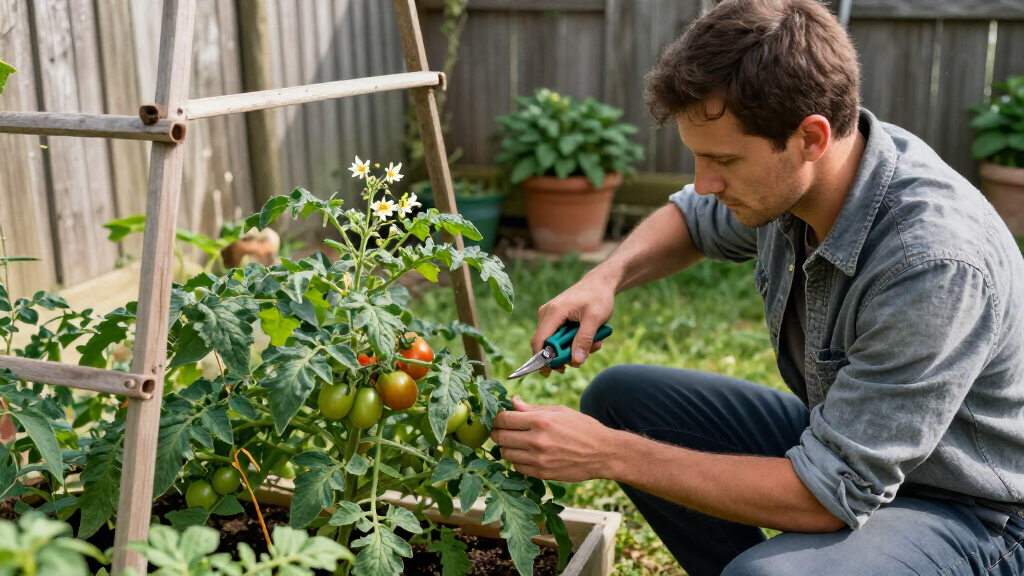
Many gardeners notice tomato plants flowering without setting fruit. This issue is often due to environmental stress or improper care. Experts recommend specific actions to improve fruiting before the season ends.
Many tomato growers are observing a common issue: their plants are producing flowers but failing to set fruit. This phenomenon can significantly impact harvests as the season progresses. Experts confirm that environmental factors, care practices, and plant health are key contributors, and timely intervention can help improve fruit production before the season concludes.
According to horticultural specialists, the primary reason for tomato plants flowering without fruit is environmental stress, especially high temperatures and inconsistent watering. When daytime temperatures exceed 85°F (29°C) or nighttime temperatures stay above 70°F (21°C), pollination and fruit set can be disrupted, leading to abundant flowers but no fruit development. Additionally, inadequate pollination, whether due to low insect activity or poor air circulation, can prevent flowers from developing into fruit.
Experts also note that nutrient imbalances, particularly low calcium or excessive nitrogen, can hinder fruit formation. Over-fertilizing with nitrogen encourages lush foliage but suppresses flowering and fruiting. Conversely, a deficiency in potassium and phosphorus can limit fruit development. Gardeners are advised to assess their fertilization routines and ensure balanced nutrient application.
Another factor is stress from inconsistent watering—either overwatering or drought conditions—causing plants to drop flowers or fail to set fruit. Proper watering practices, such as deep, regular watering and mulching, can help maintain stable soil moisture levels. Additionally, some growers report that certain tomato varieties are more sensitive to environmental conditions, impacting their fruiting success.
Impacts of Flowering but No Fruit on Tomato Harvests
This issue directly affects the quantity and quality of tomato harvests, which is particularly concerning for home gardeners and small-scale farmers nearing the end of their growing season. If unaddressed, plants may produce an abundance of flowers that never develop into edible fruit, leading to wasted effort and disappointment. Understanding and managing the causes can help maximize yields and extend the productive period of tomato plants.
tomato plant fertilizer for fruiting
As an affiliate, we earn on qualifying purchases.
As an affiliate, we earn on qualifying purchases.
Common Causes of Flowering Without Fruit in Tomatoes
Tomato plants typically flower as part of their reproductive cycle, but environmental conditions heavily influence whether flowers develop into fruit. Historically, high temperatures during flowering stages have been linked to poor pollination success. In addition, pollinator activity—such as bees—may decline in certain weather conditions or due to pest issues, further reducing fruit set. Nutrient management and watering practices have long been recognized as critical factors in supporting healthy fruit development.
Recent reports from gardeners and experts indicate that this problem is widespread during peak summer months when temperatures often rise above optimal levels. Some varieties, especially heirlooms and certain hybrids, are more prone to this issue, making variety selection an important consideration for growers.
“High temperatures and inconsistent watering are the main culprits behind tomatoes flowering without setting fruit. Adjusting care routines now can make a significant difference.”
— Dr. Lisa Martinez, horticulturist
watering cans for vegetable garden
As an affiliate, we earn on qualifying purchases.
As an affiliate, we earn on qualifying purchases.
Unclear Factors and Ongoing Research
While environmental stressors like temperature and watering are confirmed causes, some factors remain uncertain. For example, the precise role of specific pollinators and the impact of certain tomato varieties are still under investigation. Additionally, the effectiveness of various foliar sprays and natural remedies in improving pollination and fruit set has not been conclusively established. Researchers continue to study these aspects to develop more targeted solutions.
As an affiliate, we earn on qualifying purchases.
Recommended Actions and Future Developments
Gardeners are advised to monitor weather conditions closely, ensure consistent watering, and apply balanced fertilizers with adequate potassium and phosphorus. Using mulch can help regulate soil moisture, and planting varieties known for better stress tolerance may improve outcomes. Experts also suggest manual pollination techniques, such as gently shaking flowers, to assist in fruit set during hot or dry periods.
Researchers are exploring new tomato varieties bred for heat tolerance and improved pollination efficiency. As the season progresses, updates on these developments and further guidance from horticultural authorities are expected to help gardeners optimize their tomato crops.
As an affiliate, we earn on qualifying purchases.
Key Questions
Why are my tomato plants flowering but not producing fruit?
This is often due to environmental stressors such as high temperatures, inconsistent watering, or poor pollination conditions, which prevent flowers from developing into fruit.
How can I improve fruit set on my tomato plants?
Maintain consistent watering, use a balanced fertilizer rich in potassium and phosphorus, and consider manual pollination if natural pollination is limited. Mulching can help stabilize soil moisture.
Are certain tomato varieties more prone to this problem?
Yes, some heirloom and hybrid varieties are more sensitive to heat and environmental stress, making them more likely to flower without setting fruit during hot weather.
When should I take action to improve fruiting?
As soon as you notice flowers but no fruit developing, especially during periods of high heat or drought, it is advisable to adjust watering, fertilization, and possibly manually pollinate flowers.
Will this problem resolve on its own as the season ends?
It depends on environmental conditions. Cooler weather and improved care practices can help, but if stress persists, fruiting may remain limited. Proactive measures are recommended.
Source: rss
Pool season Picks
robotic pool cleaners
As an affiliate, we earn on qualifying purchases.