
TL;DR

Get tools and workshop supplies delivered free — and shop member deals
- Fast, free delivery on millions of items
- Access to Prime Big Deal Days deals on October 6–7
- Prime Video, Amazon Music and more included
Pruning fruit trees during summer, especially after harvesting, can enhance fruit production both this year and next. Experts recommend specific techniques for different tree types to prevent disease and promote healthy growth.
Summer pruning of fruit trees after harvest is confirmed to improve both current and future fruit yields, according to horticultural experts. This practice, particularly effective for stone fruits like cherries, apricots, peaches, and plums, helps prevent diseases and encourages healthy growth. The timing—post-harvest in August—is critical for maintaining tree health and optimizing next year’s crop.
Pruning fruit trees in summer, especially after harvest, reduces the risk of fungal infections such as silver leaf and bacterial canker, which are more prevalent in fall and winter. Experts emphasize that summer pruning helps seal wounds quickly, lowering infection risk and promoting vigorous regrowth. For cherry trees, pruning involves removing dead, diseased, or crossing branches, with specific attention to maintaining a balanced structure, as sweet cherries fruit on older wood, while sour cherries fruit on new growth.
For stone fruits like apricots, peaches, and plums, summer pruning is recommended to remove damaged or unproductive branches and open the canopy for better light and air circulation. Apricots, which are susceptible to silver leaf and canker, benefit from pruning that encourages the development of one- to three-year-old wood, critical for next season’s flowering and fruiting. Peaches and nectarines, which fruit on previous season’s wood, require thinning to promote lower-hanging fruit and prevent overcrowding. Plum trees should be lightly pruned to remove non-fruiting or crossing branches, with a focus on maintaining an open, goblet shape.
Trained fruit trees, such as espaliers or cordons, also benefit from summer pruning to control growth, improve fruit ripening, and develop future buds. For pome fruits like apples and pears, side shoots are trimmed to three or four leaves, encouraging spur development. This targeted pruning helps ensure a healthy, productive tree for subsequent seasons.
Why Summer Pruning Is Critical for Fruit Tree Health and Productivity
This practice directly impacts the health, disease resistance, and productivity of fruit trees. Proper summer pruning reduces infection risk, promotes better light and air flow, and encourages the growth of fruitful wood. These benefits translate into higher-quality harvests this year and improved yields next year, making summer pruning an essential part of orchard management for both amateur and professional growers.As an affiliate, we earn on qualifying purchases.
Timing and Techniques for Effective Summer Fruit Tree Pruning
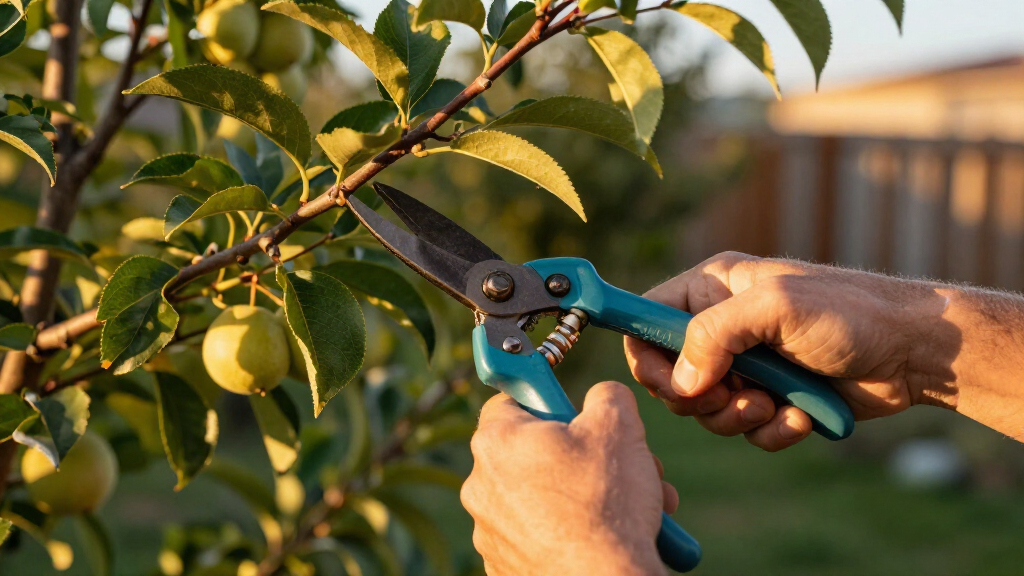
Traditionally, many fruit trees are pruned in winter, but recent advice highlights the benefits of summer pruning, especially for stone fruits. Experts recommend pruning immediately after harvest, typically in August, to minimize disease risk and promote healthy regrowth. The practice varies by fruit type, with specific techniques for cherries, apricots, peaches, plums, and trained trees. Proper tools—including sharp pruning shears, loppers, and saws—are essential for clean cuts that heal quickly.
Previous research and horticultural guidelines support summer pruning as a preventative measure against fungal infections, which can severely damage trees and reduce yields. The approach also aligns with integrated pest and disease management strategies, emphasizing minimal cuts and targeted removal of diseased or crossing branches to maintain a balanced, open canopy.
As an affiliate, we earn on qualifying purchases.
Uncertainties About Optimal Timing and Extent of Summer Pruning
While experts agree that summer pruning benefits fruit trees, specific timing, frequency, and extent can vary depending on tree age, variety, and local climate conditions. It is not yet clear whether certain cultivars respond better to more aggressive pruning or if some regions should adjust timing to avoid heat stress or late-season diseases. Ongoing research aims to refine these guidelines further.
As an affiliate, we earn on qualifying purchases.
Next Steps for Fruit Tree Growers and Gardeners
Gardeners and orchard owners should plan to prune their fruit trees in August after harvest, following recommended techniques for each species. Monitoring tree health and disease signs will inform any necessary adjustments. Additionally, future research and extension services are expected to provide more tailored advice based on local conditions. Regular maintenance and proper pruning tools are essential for maximizing benefits.
summer pruning tools for fruit trees
As an affiliate, we earn on qualifying purchases.
As an affiliate, we earn on qualifying purchases.
Key Questions
Can I prune my fruit trees in late summer or early fall instead?
Yes, but it is best to prune immediately after harvest in August to minimize disease risk. Pruning later in fall or winter may increase susceptibility to fungal infections.
How much of the tree should I prune during summer?
For most trees, removing dead, diseased, or crossing branches is sufficient. Avoid removing more than 25% of the canopy at once to prevent stress.
Does summer pruning affect next year’s fruit production?
Yes, when done correctly, summer pruning encourages healthy new growth and can improve yields for the following season.
Are there any risks associated with summer pruning?
Improper pruning or excessive cuts can stress the tree or open it to disease. Using sharp, clean tools and following recommended techniques minimizes these risks.
Should I prune trained or espaliered fruit trees differently?
Yes, trained trees like espaliers should be pruned to maintain their shape, focusing on cutting back side shoots and encouraging fruiting spurs, as part of regular summer maintenance.
Source: Homes & Gardens
Fall yard work Picks
leaf blowers
As an affiliate, we earn on qualifying purchases.