TL;DR

Get business pricing on tools and workshop supplies
- Business-only prices and quantity discounts
- Tax-exempt purchasing
- Multiple users, one account, clear invoices
Mulching recycles nutrients and improves soil health but can cause thatch if overdone. Bagging keeps your lawn tidy and is best for tall or diseased grass. Side discharge is quick and suitable for thick growth. Your choice depends on your lawn’s condition and your goals.
Ever wonder if you’re using the right mowing method for your yard? It’s more than just aesthetics; each technique impacts your lawn’s health, appearance, and even environmental footprint. Picking the wrong one can mean more work, poorer grass, or wasted resources.
In this guide, you’ll learn the real differences between mulching, bagging, and side discharge. Plus, practical tips on when and why to use each, so your lawn stays lush, healthy, and manageable—without guesswork or wasted effort.
Mulching recycles nutrients and boosts soil health, but overdoing it can lead to thatch buildup.
Bagging keeps your yard spotless and is best for tall, wet, or diseased grass, though it creates yard waste.
Side discharge allows fast mowing through thick growth but leaves clippings on the surface, which can affect soil quality.
Many modern mowers let you switch modes easily—use this flexibility to match your yard’s changing needs.
Assess your lawn’s condition regularly and adapt your mowing method to keep grass healthy and your yard manageable.
What is mulching, and why does it matter for your lawn?
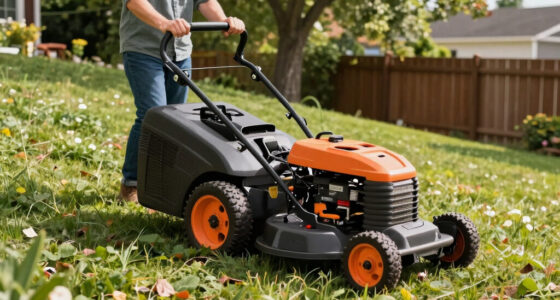
Mulching is the art of finely chopping grass clippings to feed your soil. These tiny bits fall back onto the turf, decomposing quickly—like a natural fertilizer. This process helps return essential nutrients such as nitrogen, phosphorus, and potassium directly to the roots, creating a cycle that supports healthy growth. Why does this matter? Because healthy, nutrient-rich soil promotes denser, greener grass, reduces the need for chemical fertilizers, and improves soil structure over time. However, if misused—such as mowing too frequently or at the wrong height—mulching can lead to thatch buildup, which creates a barrier that prevents water and nutrients from reaching roots. The tradeoff is balancing frequent, proper mulching to maximize benefits without risking thatch. Proper technique involves mowing at the appropriate height, usually slightly higher, and ensuring clippings are fine enough to decompose quickly. This approach fosters a sustainable, eco-friendly lawn that requires fewer inputs and thrives naturally.
As an affiliate, we earn on qualifying purchases.
Why choose bagging, and when does it shine?
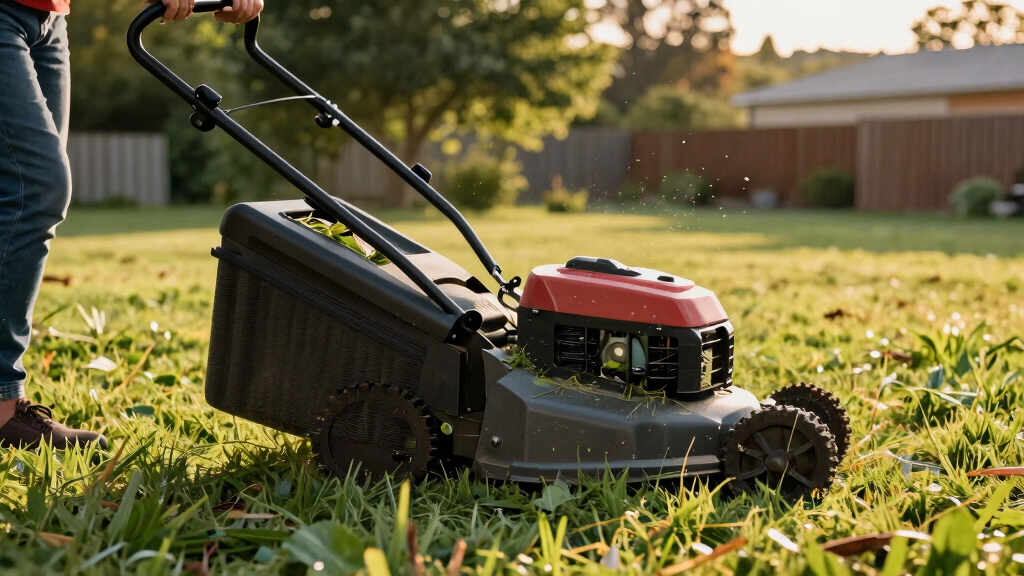
Bagging is the process of collecting grass clippings in a container, effectively removing debris from the lawn. This method is especially beneficial when dealing with tall, wet, or diseased grass, as leaving clippings can smother the turf, promote fungal growth, or spread disease. Removing clippings also prevents thatch accumulation, which can hinder water and nutrient absorption. Why does this matter? Because in situations where grass is overgrown or compromised, bagging helps maintain a healthier lawn by preventing the buildup of organic material that could harbor pests or disease. It also allows for immediate removal of leaves, weeds, or other debris, keeping the yard tidy and reducing the risk of fungal issues. The tradeoff is that bagging produces yard waste that needs disposal, and frequent use can increase labor and costs. It’s most advantageous during seasons of heavy growth or when aesthetics and lawn health are priorities. Regularly bagging can also help in lawn renovation projects by removing thatch and diseased material, fostering a healthier environment for new growth.
As an affiliate, we earn on qualifying purchases.
Side discharge: the fast track for thick, tall grass
Side discharge pushes grass clippings out the side of your mower, allowing continuous cutting without interruption for bag emptying. This method is particularly advantageous during periods of rapid growth or when dealing with thick, tall grass because it maintains momentum, enabling you to cover large areas more quickly. Why does this matter? Because time efficiency is critical for homeowners with sizable lawns or tight schedules. Using side discharge reduces mowing time and effort, making it ideal for bulk-cutting or when quick results are needed. However, leaving clippings on the surface can have implications. If not managed, surface clippings may smother young plants, create an uneven appearance, or contribute to thatch buildup over time. This method is less suitable when a pristine, manicured look is desired or when the lawn is prone to disease, as surface clippings can harbor pests or pathogens. The tradeoff involves balancing speed and volume against potential impacts on soil health and appearance. For best results, consider using side discharge in conjunction with regular aeration and dethatching, and avoid leaving clippings in areas where they could block sunlight or trap moisture, promoting disease.
As an affiliate, we earn on qualifying purchases.
How to pick the right method for your yard’s needs
- Assess your lawn’s growth rate. Is it lush and fast-growing or sparse and slow? Faster growth may require more frequent mowing or specific methods like mulching or side discharge to keep up.
- Consider your lawn’s health. Are there weeds, disease, or areas prone to fungal issues? Removing debris via bagging can prevent disease spread, while mulching can enhance soil resilience.
- Think about your goals. Do you prioritize a pristine, manicured appearance, or are you aiming for a low-maintenance, eco-friendly yard? Your goals influence the choice—bagging for neatness, mulching for sustainability, or side discharge for efficiency.
- Check your mower’s features. Can you easily switch modes? Does it support mulching, bagging, or side discharge? Versatile equipment allows you to adapt quickly to changing yard conditions.
- Match your needs to the method: for regular, healthy mowing, mulching is ideal; for overgrown or diseased grass, bagging is safer; for rapid, high-volume cuts, side discharge is effective. Consider combining methods seasonally or for specific areas to optimize results.
Many modern mowers offer quick mode toggling, which allows you to adapt your approach as conditions change. Understanding your lawn’s specific needs and matching them with the right technique ensures healthier grass, less effort, and better resource use over time.
As an affiliate, we earn on qualifying purchases.
Comparison Table: Which mowing method fits your lawn best?
| Feature | Mulching | Bagging | Side Discharge |
|---|---|---|---|
| Best for | Regular maintenance, nutrient recycling | Pristine look, debris removal | Thick, tall, rapid growth |
| Pros | Reduces waste, feeds soil, eco-friendly | Clean yard, no clippings left behind | Faster mowing, no stops |
| Cons | Can cause thatch if overused | Creates waste, requires disposal | Leaves clippings on surface, less tidy |
| Ideal conditions | Healthy, regular grass | Tall, wet, or diseased grass | Rapid growth, thick turf |
Real-world example: How a homeowner used all three methods
Meet Lisa, who manages a half-acre yard. One spring, she used her mower to mulch weekly, which helped recycle nutrients and maintain soil health, resulting in a lush, dense lawn. During a summer growth spurt, she switched to side discharge to quickly mow through thick, tall grass, saving time and effort during rapid growth periods. When fall arrived, she bagged leaves and debris, effectively removing organic waste and keeping her yard tidy for the holiday season. Her approach demonstrates how understanding the specific benefits of each method allows for a flexible, seasonally adapted mowing strategy, balancing health, appearance, and efficiency. This practical application underscores the importance of tailoring mowing techniques to yard conditions, maximizing both time and lawn vitality.
This real-world scenario highlights the importance of understanding when each method shines. A balanced approach saves time and keeps her lawn looking great year-round.
Final tips: Make your mowing work for your yard
- Adjust your mowing height based on grass type and season. Taller grass shades the soil, helping retain moisture and reducing watering needs, which is vital during dry periods. Proper height also prevents stress and disease.
- Clean your mower regularly to prevent clogs and ensure optimal performance, especially when switching between modes or mowing in wet conditions. A well-maintained mower produces finer clippings and reduces the risk of spreading disease.
- Use mulching blades designed to produce finer, more decomposable clippings. This enhances nutrient return and minimizes thatch buildup, promoting a healthier lawn over time.
- Monitor your lawn’s response to mowing practices. If you notice uneven growth, increased thatch, or disease, consider adjusting your mowing height, frequency, or switching methods. Regular observation helps you fine-tune your approach for optimal health.
- Don’t forget safety: always power off your mower before changing modes, and wear eye protection when dealing with debris or adjusting blades. Proper safety measures prevent accidents and ensure a smooth mowing experience.
With a little attention, your mower can serve multiple roles—saving you effort and boosting your lawn’s health. Tailoring your mowing practices to your yard’s specific needs creates a resilient, attractive landscape that’s easier to maintain and more enjoyable to look at.
Frequently Asked Questions
Can I switch between mulching, bagging, and side discharge on the same mower?
Yes. Many modern mowers are designed with adjustable settings that allow quick switching. Just follow the manufacturer’s instructions to ensure proper mode changes and maintain safety.Is mulching better for my lawn than bagging?
For regular maintenance and nutrient recycling, mulching often wins. However, if your grass is tall, wet, or diseased, bagging might be the safer, cleaner choice.Does mulching cause thatch buildup?
It can, if you mow too frequently or at the wrong height. Proper mowing practices—like mowing at the right height and not overdoing it—help prevent thatch issues.How often should I mow during peak season?
Typically, once a week during peak growth keeps your lawn healthy and manageable. Adjust frequency based on your grass’s speed of growth.Are there environmental benefits to mulching?
Absolutely. Mulching reduces yard waste, cuts down on fertilizer needs, and minimizes waste sent to landfills, making it a greener choice overall.Conclusion
Choosing the right mowing method isn’t about sticking to one. It’s about understanding your lawn’s demands and using the best tool for each situation. A versatile mower, combined with smart decisions, keeps your yard lush, healthy, and looking sharp.
Remember—every blade of grass benefits from attention and tailored care. Your yard is a living thing, and your choices shape its future. Keep it simple, stay flexible, and enjoy the results.
Fall Picks
fall essentials
As an affiliate, we earn on qualifying purchases.