
TL;DR

Get business pricing on tools and workshop supplies
- Business-only prices and quantity discounts
- Tax-exempt purchasing
- Multiple users, one account, clear invoices
A ripping chain is designed for cutting along the wood grain, producing smoother, straighter cuts ideal for slabs. Using one speeds up milling and improves quality, especially on storm-felled timber. Proper setup, safety, and technique are key to success.
When a fierce storm tears through your property, it leaves behind more than just fallen branches. Often, it brings down valuable trees that can be turned into stunning slabs for furniture, art, or woodworking projects. But the secret to transforming storm debris into smooth, flat lumber lies in understanding the tools and techniques—especially the ripping chain.
If you’re new to milling or want to improve your results, mastering the basics of ripping chains makes a huge difference. They’re designed specifically for cutting along the grain, helping you produce cleaner, more accurate slabs with less effort and wear. This guide will walk you through what ripping chains are, how to use them, and the latest trends making storm-felled tree milling more accessible than ever.
A ripping chain’s flat-top tooth profile is essential for producing flat, stable slabs from storm-felled trees.
Choose a ripping chain compatible with your saw’s bar length and pitch; always keep it sharp for clean cuts.
Proper setup, tension, and safety gear are non-negotiable for successful milling projects.
Recent innovations like portable sawmills and specialized guides make storm wood milling more accessible and precise.
Always inspect storm-felled timber thoroughly for hazards like nails or rot before cutting.
What Is a Ripping Chain and Why Is It a Game-Changer?
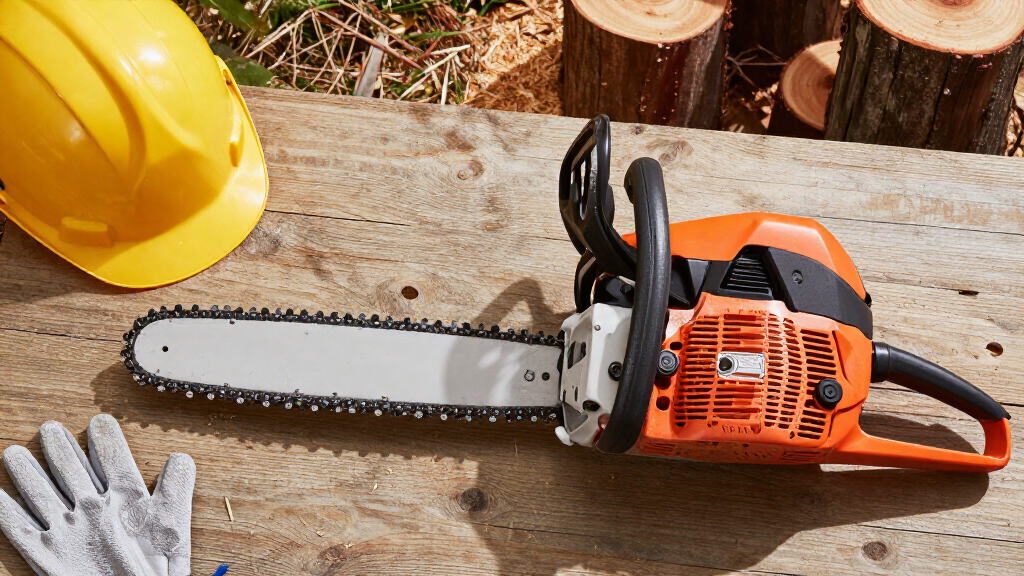
A ripping chain is a chainsaw chain tailored for milling. Its teeth are shaped with a flat-top profile and a specific angle, optimized for cutting parallel to the wood grain. Think of it as a fine-tooth saw blade designed for the chainsaw—delivering a smooth, straight cut that’s perfect for slabs and beams.
Understanding why this design matters is crucial. When milling storm-felled trees, the goal is to produce flat, stable slabs that require minimal finishing. A ripping chain’s flat-top teeth reduce the amount of sawdust and tear-out during cutting, which means cleaner surfaces and less need for planing or sanding afterward. This saves time and effort, especially when dealing with large, unpredictable storm logs. The tradeoff is that ripping chains may cut more slowly than standard chains and need precise tensioning to perform optimally, but the quality of the results typically outweighs these considerations for serious milling projects.
ripping chainsaw chain for milling slabs
As an affiliate, we earn on qualifying purchases.
As an affiliate, we earn on qualifying purchases.
How Do Ripping Chains Differ from Standard Chains? A Quick Comparison
| Feature | Ripping Chain | Standard Chain |
|---|---|---|
| Tooth Profile | Flat-top, angled for ripping | Beveled, designed for cross-cutting |
| Cutting Action | Along the grain, produces smooth, straight cuts | Across the grain, results in rougher cuts |
| Ideal Use | Milling slabs, beams, large lumber | Felling, general cutting, cross-cutting |
| Durability | Designed for milling wear, lasts longer under heavy use | Standard durability, may wear faster during milling |
Choosing the right chain can dramatically influence your milling efficiency and the quality of your slabs. Ripping chains are optimized for long, straight cuts that minimize roughness and tear-out, which are common issues with standard chains when used for milling. While standard chains are versatile for various tasks, they often produce rougher surfaces and require additional finishing when creating slabs. Investing in a ripping chain means you’re prioritizing precision and surface quality—crucial factors when turning storm-felled trees into professional-looking slabs. The tradeoff is that ripping chains may cut more slowly and need more careful tensioning, but the improved results often justify these considerations, especially for larger projects or when quality is paramount.
portable sawmill for storm-felled trees
As an affiliate, we earn on qualifying purchases.
As an affiliate, we earn on qualifying purchases.
Choosing and Installing the Right Ripping Chain for Your Storm Wood
Picking the right ripping chain starts with knowing your chainsaw’s bar length and pitch. Look for chains labeled as “ripping” or “milling”—these are specifically made for milling jobs. When installing, ensure the chain tension is just right; too tight and it’ll strain your saw, too loose and it’ll slip or cause uneven cuts. Sharpness is key—dull teeth chew through wood and create rough surfaces.
Properly selecting and installing the correct chain is essential because an ill-fitting or dull chain can lead to poor cuts, increased wear on your saw, and safety hazards. For example, a chain with a 3/8″ pitch and a 0.050″ gauge is well-suited for large storm-felled oak logs, providing enough heft and durability for sustained milling. Always double-check compatibility with your saw’s bar and sprocket, and maintain regular sharpening to keep your cuts smooth. Remember, a correctly installed ripping chain not only improves efficiency but also reduces the risk of kickback or chain breakage, making your milling safer and more predictable.
As an affiliate, we earn on qualifying purchases.
Frequently Asked Questions
Can I use my standard chainsaw chain for milling storm-felled trees?
While you can, standard chains are not optimized for ripping and may produce rougher cuts, wear out faster, and pose safety issues. A dedicated ripping chain is highly recommended for cleaner, more efficient milling.How often should I sharpen my ripping chain when milling slabs?
Check your chain after every few slabs—usually after 2-3 cuts—and sharpen as needed. Keeping the chain sharp at a 10-15 degree angle ensures smooth cuts and prolongs chain life.What’s the best way to stabilize a storm-felled log for milling?
Secure the log firmly with clamps or supports to prevent shifting. Use a level or guide for straight cuts, and consider splitting large logs into smaller sections for safer, more manageable milling. Proper stabilization reduces the risk of accidents and ensures cleaner cuts, especially on unpredictable storm-damaged wood where uneven surfaces or shifting logs can cause dangerous kickbacks or misaligned cuts if not secured properly. Investing in sturdy supports and taking time to position the log correctly pays off in safer, more precise slabs.Are there safety risks specific to milling storm-damaged wood?
Yes. Hidden nails, rot, and loose bark can cause chainsaw kicks or damage. Always inspect thoroughly, wear full safety gear, and take your time to avoid accidents. Storm wood often contains embedded debris or deteriorated sections that can unexpectedly snag or break your chain, making thorough inspection and careful operation critical for safety.What’s the main benefit of milling storm-felled trees into slabs?
It reduces waste, captures unique character in the wood, and promotes sustainable use of storm debris—turning chaos into beautiful, functional pieces. Milling storm wood allows you to salvage what might otherwise be discarded, creating distinctive pieces with natural imperfections that add character and value to your projects.chainsaw safety gear for woodworking
As an affiliate, we earn on qualifying purchases.
As an affiliate, we earn on qualifying purchases.
Conclusion
Turning storm-felled trees into beautiful slabs isn’t just a way to recycle storm damage. It’s a chance to create one-of-a-kind furniture and art, built with your own hands. Mastering the basics of ripping chains and milling techniques makes the process safer, faster, and more rewarding.
Remember, patience and safety are your best tools. Every cut you make is a step toward transforming chaos into craftsmanship—so gear up, stay sharp, and enjoy the ride.
Fall yard work Picks
leaf blowers
As an affiliate, we earn on qualifying purchases.