
TL;DR

Get business pricing on tools and workshop supplies
- Business-only prices and quantity discounts
- Tax-exempt purchasing
- Multiple users, one account, clear invoices
Cordless battery saws are increasingly capable for storm cleanup thanks to longer-lasting batteries and powerful motors. They offer unmatched portability, safety, and convenience, making them a smart choice for handling fallen branches and small trees when access to power is limited.
Storm cleanup often turns into a race against time. Falling branches, toppled trees, debris scattered across your property—these aren’t just nuisances. They can threaten safety, block access, and cause further damage if not handled quickly.
While gas-powered chainsaws have long been the go-to, a new player is making waves: cordless battery saws. They’re lighter, safer, and surprisingly powerful. If you’re wondering whether they can handle serious storm cleanup, the answer is a definite yes. In this guide, you’ll learn why these tools are earning their place and how they can make your storm recovery faster and safer.
Modern cordless saws can handle logs up to 12 inches in diameter, rivaling gas models in power.
Battery tech improvements mean 20-60 minutes of runtime, enough for most storm cleanup tasks.
Lightweight and cordless, these saws reduce fatigue and increase safety during chaotic debris removal.
Brushless motors and higher-capacity batteries make cordless saws more reliable and efficient than ever.
Use a second charged battery for longer cleanup sessions—don’t get caught with a dead tool in storm aftermath.
Why a cordless saw beats gas for storm cleanup
A cordless saw’s biggest advantage? Portability. No cords to trip over, no refueling stops, just grab and go. This means you can respond instantly without fuss, which is crucial during storm aftermath when quick action can prevent further damage or injury. The ability to operate without cords or extension cables reduces setup time and logistical hurdles, allowing for faster response in unpredictable weather conditions.
Many storm scenarios demand quick, nimble responses. Cordless saws are lightweight—most weigh between 8 and 14 pounds—so you can hold them steady for longer without fatigue. This weight advantage is significant because it allows for better control and precision, reducing the risk of accidents when working in unstable or hazardous environments. Plus, modern lithium-ion batteries pack enough punch for hours of work, making them a serious alternative to gas models. The tradeoff, however, is that battery runtime can limit continuous operation, so understanding your specific workload and having spare batteries is key to maintaining efficiency.
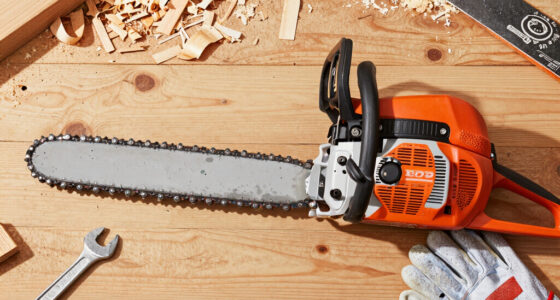
cordless battery chainsaw for storm cleanup
As an affiliate, we earn on qualifying purchases.
As an affiliate, we earn on qualifying purchases.
How recent tech upgrades make cordless saws storm-ready
The leap in cordless saw performance comes from two major upgrades: higher-capacity batteries and brushless motors.
Today’s batteries, like 4.0 Ah or more, provide 20 to 60 minutes of serious cutting, which is generally sufficient for most storm cleanup tasks. The quick recharge times—often under an hour—are critical because they minimize downtime, especially when clearing large amounts of debris. This rapid turnaround means you can sustain your work without waiting hours for batteries to recharge, provided you have spares.
Brushless motors are a game-changer because they are more efficient and durable than brushed motors. They generate more torque and run cooler, which translates into increased power and longer lifespan of the tool. This means cordless saws with brushless motors can handle larger logs—up to 12 inches in diameter—without stalling or overheating. The tradeoff is that brushless motors tend to be more expensive upfront, but their longer durability and improved performance often justify the investment, especially in high-stakes storm cleanup scenarios where reliability is critical.
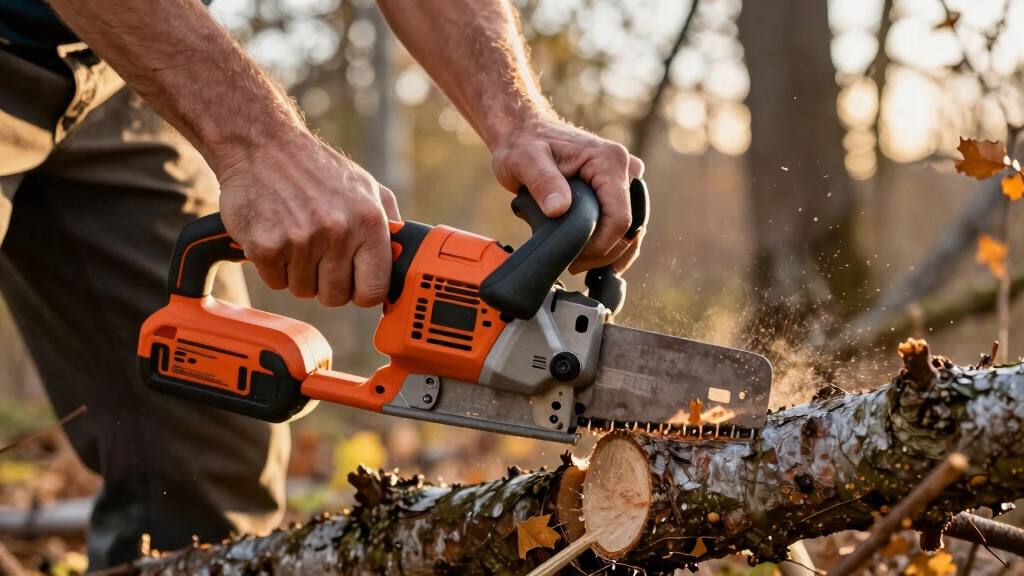
12 inch cordless saw with brushless motor
As an affiliate, we earn on qualifying purchases.
As an affiliate, we earn on qualifying purchases.
Battery life and runtime: what you need to know
Expect your cordless saw to run between 20 minutes and over an hour on a single charge, depending on battery size, saw model, and the density of the debris. This variation matters because it influences how you plan your work—knowing your tool’s limits helps prevent mid-task power loss, which can be dangerous when working with unstable or heavy debris. For storm cleanup, it’s wise to plan your cuts in stages—use a 4.0 Ah battery for quick, heavy-duty work, and keep a spare charged nearby to swap out when needed. This approach ensures continuous operation and reduces downtime, especially when time is critical during storm recovery efforts.
For example, a homeowner clearing fallen branches after a windstorm might get about 30 minutes of solid cutting with a 4.0 Ah battery before needing to swap or recharge. While this might seem limited, strategic planning—such as breaking down large debris into manageable sections—maximizes each battery’s efficiency. The key implication is that having multiple batteries or rapid chargers can significantly enhance productivity, making cordless tools a practical choice even in demanding storm scenarios.
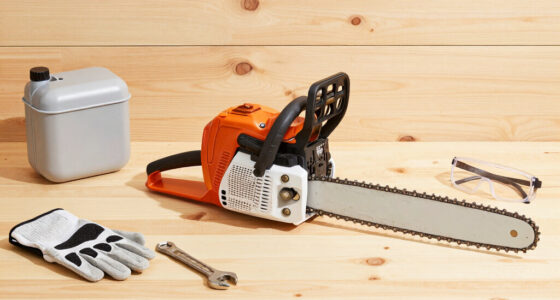
high capacity lithium-ion battery saw
As an affiliate, we earn on qualifying purchases.
As an affiliate, we earn on qualifying purchases.
Compare cordless and gas saws side-by-side
| Feature | Cordless Battery Saw | Gas-Powered Saw |
|---|---|---|
| Portability | Lightweight, no cords | Heavy, requires fuel and maintenance |
| Power | Great for logs up to 12 inches | Handles larger logs and heavy-duty work better |
| Runtime | 20-60 mins per charge | Hours with refueling |
| Noise | Quiet | Loud |
| Maintenance | Minimal, no oil or tune-ups | Frequent oiling, tune-ups, and repairs |
As an affiliate, we earn on qualifying purchases.
Safety tips for storm cleanup with a cordless saw
Storm debris can be unpredictable. Always wear safety gear: gloves, eye protection, hearing protection, and sturdy boots. Keep the saw well-maintained—chain tension, oil levels, and battery connections matter.
Before cutting, clear the area of bystanders. Use a firm grip, and don’t force the saw—let the blade do the work. Remember, safety isn’t just rules; it’s about preventing injuries during chaotic cleanup.
When a cordless saw is your best storm cleanup tool
Think of cordless saws as your first line of attack for smaller, more manageable debris. They excel at quickly chopping fallen branches, trimming high limbs with pole saws, or clearing brush in tight spaces.
For instance, after a summer storm, a homeowner might use a cordless chainsaw to cut up branches that block a driveway, saving time and hassle compared to dragging a gas saw around in the rain.
When dealing with bigger logs or dense wood, a gas saw still wins. But for most storm debris—up to 12 inches—cordless tools strike the perfect balance of power and convenience.
Frequently Asked Questions
Can a cordless saw handle heavy storm debris like large logs?
Modern cordless saws with brushless motors and 4.0 Ah or larger batteries can cut logs up to 12 inches in diameter. For bigger logs or dense wood, a gas saw still offers more raw power, but for most storm debris, cordless tools get the job done quickly and safely.
How long does a battery last during storm cleanup?
Expect between 20 minutes and an hour of continuous cutting, depending on the saw’s power, battery capacity, and the thickness of debris. Having a spare charged battery on hand keeps your workflow smooth and efficient.
Are cordless saws safe to use during storms?
Yes, as long as you follow safety precautions—wear protective gear, keep your distance from others, and secure debris before cutting. Their quiet operation and lack of cords reduce hazards, making storm cleanup safer overall.
What should I look for when choosing a cordless saw for storm cleanup?
Prioritize battery capacity (at least 4.0 Ah), a brushless motor, and a lightweight design. Check the cutting capacity—most handle logs up to 12 inches—and look for safety features like chain brakes and automatic oiling.
Conclusion
Storm cleanup doesn’t have to be a slog. A high-quality cordless saw delivers power, safety, and portability—making quick work of fallen branches and small logs. When seconds count, these tools turn storm chaos into manageable tasks.
Next time a storm hits, reach for your cordless saw first. It’s the tool that earns its keep when every minute and safety point matters.
Fall Picks
fall essentials
As an affiliate, we earn on qualifying purchases.