
TL;DR
Lawn mowing frequency depends on grass growth, which varies by season. Experts recommend mowing when grass reaches about one-third taller than desired to promote healthy growth. Over- or under-mowing can harm your lawn’s health.
Experts agree that the optimal mowing frequency for a healthy lawn depends on grass growth rate, which varies with seasons and environmental conditions. This advice is crucial for homeowners aiming to maintain a lush, resilient yard without causing damage.

Get business pricing on tools and workshop supplies
- Business-only prices and quantity discounts
- Tax-exempt purchasing
- Multiple users, one account, clear invoices
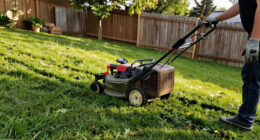
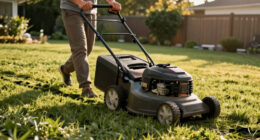
According to lawn care professionals, the key to healthy grass is mowing based on growth rather than a fixed schedule. During peak growing seasons, such as spring and early summer, lawns typically need to be mowed once a week. In slower growth periods, such as late fall or dry seasons, mowing may only be necessary every two weeks.
Gene Caballero, co-founder of GreenPal, emphasizes that the correct mowing interval should follow the grass’s actual growth rate. He recommends adjusting mowing frequency accordingly and modifying cutting height based on the season. For example, during hot summer months, taller grass can help retain moisture and protect roots.
Experts warn that mowing too frequently or cutting grass too short can cause damage. Over-mowing leads to shallow roots, making the lawn more vulnerable to drought and heat stress, while infrequent mowing can result in uneven growth and damage to the mower blades. Using tools like a grass gauge and following the ‘one-third rule’—cutting no more than one-third of the grass blade at a time—are recommended practices.
Why Correct Mowing Frequency Is Essential for Lawn Health
Maintaining the right mowing schedule is vital for a thriving lawn. Proper mowing encourages deep root growth, improves drought resistance, and helps prevent pests and diseases. Conversely, improper mowing can weaken turf, increase water needs, and lead to patchy, unhealthy grass.
Understanding when and how often to mow can save homeowners time, effort, and money on lawn care. It also promotes a more sustainable approach by reducing water and fertilizer use, which benefits the environment.
Popular right now

Vitamix 5200 Professional-Grade Blender, 64 oz. Container, Black

Bose QuietComfort Ultra Headphones (2nd Gen), Wireless Noise Cancelling Over-Ear Headphones, Driftwood Sand

Shark PowerPro Reveal Plus Cordless Stick Vacuum, Charcoal (IZ376H)
As an affiliate, we earn on qualifying purchases.
Seasonal Variations and Lawn Care Best Practices
Lawn growth rates fluctuate with the seasons, impacting mowing needs. In spring and early summer, rapid growth necessitates weekly mowing, while in late summer and fall, growth slows, requiring less frequent cuts. Weather conditions, soil health, and foot traffic also influence mowing schedules.
Experts recommend monitoring grass height regularly and adjusting mowing accordingly. Tools like grass gauges help homeowners measure grass height accurately, ensuring they mow at the right time to promote healthy growth and avoid damage.
“The correct mowing schedule depends on the actual growth rate and not on the calendar. During peak season, mow about once a week; in slower seasons, every two weeks may suffice.”
— an anonymous researcher
Uncertainties About Optimal Mowing Practices
While experts agree on general principles, specific recommendations may vary based on grass type, local climate, and yard conditions. The precise impact of different mowing heights and frequencies on long-term lawn health remains an area for further research. Additionally, individual yard features like foot traffic and soil quality can influence optimal mowing routines.
Next Steps for Homeowners and Lawn Care Professionals
Homeowners are encouraged to monitor their grass height regularly and adjust mowing schedules accordingly. Using tools like grass gauges and following the one-third rule can improve lawn health. Lawn care professionals may conduct further studies to refine guidelines for different grass types and climates. Future developments could include personalized mowing schedules based on soil sensors and growth tracking technology.
Key Questions
How do I know when my lawn needs mowing?
Use a grass gauge or eyeball the height; if the grass reaches about one-third taller than your desired height, it’s time to mow.
Can mowing too often damage my lawn?
Yes, mowing too frequently or cutting grass too short can cause shallow roots, dry patches, and stress the turf, reducing its resilience.
How does weather affect mowing frequency?
Hot, dry weather slows grass growth, reducing mowing needs, while wet or rainy periods can promote rapid growth, requiring more frequent mowing.
Is there a best height to mow my lawn?
Most lawns thrive when mowed to a height of 2.5 to 3 inches, but this can vary based on grass type and season. Adjust height seasonally for optimal health.
Should I mow more often in the summer?
Not necessarily; during peak growth in summer, weekly mowing is typical, but always follow the grass’s growth rate, not just the calendar.
Source: rss