TL;DR

Get business pricing on tools and workshop supplies
- Business-only prices and quantity discounts
- Tax-exempt purchasing
- Multiple users, one account, clear invoices
Log splitter tonnage ratings are often inflated. Actual force depends on log size, moisture, knots, species, and wedge design. Expect green, knotty rounds to demand significantly more power than simple charts suggest.
Imagine telling someone you own a 22-ton splitter — then watching it struggle with a knotty, green oak crotch. Tonnage ratings are often a marketing number, not a guarantee. The real force needed depends on the log’s diameter, moisture, grain, and how it’s shaped.
You’ll learn why these factors matter, how to estimate actual force, and what tricks can make your splitter work smarter — not just harder. Whether you’re a seasoned woodsman or a homeowner tackling big rounds, understanding the math makes you a smarter buyer and user.
Always verify the actual hydraulic force using bore size and pressure — don’t trust marketing numbers blindly.
Green wood can demand 1.5–2× the force of seasoned wood of the same diameter due to high moisture content.
Knots, crotches, and interlocked grain multiply force needs — split around them and plan for extra effort.
Species and density matter: expect heavier woods and knotty hardwoods to push your machine’s limits.
Wedge shape, sharpness, and machine features like multi-stage pumps significantly influence the force needed and efficiency.
Log Splitter Tonnage Math: What Green Oak & Knotty Rounds Really Demand
A 22-ton sticker is a marketing number, not a guarantee. The force a round actually requires is set by diameter, moisture, grain, species, and wedge geometry — and green, knotty oak can double or triple what the simple charts suggest.
Tonnage Is Computed, Not Claimed
Real hydraulic force is a simple calculation — and it lets you audit inflated ratings. Many budget splitters are rated at pressures the pump can’t sustain under load, so real-world force lands below the sticker.
Force Demand Is a Moving Target
Industry sizing guidance, plotted against a 37-ton scale. The same 22-ton splitter that cruises through 12-inch seasoned ash can stall dead on an 18-inch green oak crotch.
Shortcut: roughly 1 ton per inch of diameter for seasoned hardwood — up to double that for green or knotty wood. No chart is standardized: wedge shape and grain move the number more than any label admits.
Four Variables the Sticker Ignores
Each of these can swamp your theoretical tonnage. Plan for them together — a green, knotty white oak stacks every multiplier at once.
Green Wood Flexes Instead of Fracturing
Water-loaded fibers are swollen and flexible — they bend and tear, absorbing force like a cushion. A 12″ green oak round can demand 20–30 tons where seasoned oak needs 10–16.
seasoned wood
Knots & Crotches Run Grain Every Way
Interwoven, interlocked fibers create natural resistance points no chart captures. Elm resists splitting at almost any moisture level — the classic splitter-killer.
knotty rounds
Species Sets the Starting Line
Red oak splits more readily than denser, interlocked white oak. Black locust and hickory — green — demand staging. Green oak runs 55–65 lb/ft³, heavy enough to warrant vertical mode.
density range
Wedge & Machine Change the Equation
A sharp, narrow wedge concentrates force; a dull one raises required tonnage noticeably. Four-way wedges multiply demand — a top cause of stalls. Kinetic splitters trade sustained tonnage for a 2–3 second burst.
demand sharply
Not All Woods Split Equal
Density and grain structure set the baseline before moisture and knots stack on top. Match the machine — and the technique — to the species.
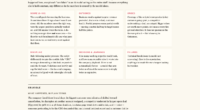
| Species | Grain Structure | 12–18″ Green Demand | Split Verdict |
|---|---|---|---|
| Red Oak | Straight, open grain | ≈ 20 T green | ✓ Splits clean |
| White Oak | Dense, interlocked | 25–30 T green | ~ Plan extra force |
| Hickory / Locust | Heavy, tight grain | High when green | ~ Split in stages |
| Elm | Interlocked, stringy | 2–3× baseline | ✗ Splitter-killer |
| Ash (SEASONED REF.) | Straight, cooperative | 10–16 T @ 12″ | ✓ Splits clean |
Note: the “green needs more tonnage” rule governs machine force ratings — some straight-grained species hand-split fine green, and frozen wood splits easier.
Work Smarter on Stubborn Rounds
When resistance exceeds rated tonnage, technique closes the gap. Follow the chain — each step strips load off the machine.
“Expect green, knotty rounds to demand double or triple what simple charts suggest. Buy for the math — bore × pressure ÷ 2,000 — keep the wedge sharp, and let technique, not tonnage, absorb the surprises.”
How to Calculate Real Hydraulic Force for Your Splitter
Hydraulic force isn’t just a marketing number — it’s a simple calculation. The formula: Force (tons) = cylinder bore area (in²) × system pressure (psi) ÷ 2,000. For example, a 4-inch bore cylinder at 3,000 psi delivers roughly 18.9 tons.
This calculation is fundamental because it provides a baseline for what your splitter can theoretically achieve under ideal conditions. However, real-world factors such as log shape, moisture, and grain orientation can significantly reduce the effective force. Recognizing this helps you interpret manufacturer ratings critically. Many budget models claim 20+ tons but struggle on large, knotty rounds because the actual force delivered drops when the log’s resistance exceeds the theoretical maximum. By understanding how to verify the bore size and pressure, you can better assess whether a splitter’s rated tonnage aligns with its real-world performance. This knowledge also helps you avoid overestimating your machine’s capabilities, saving time and potential damage.
As an affiliate, we earn on qualifying purchases.
Why Diameter and Moisture Content Change the Tonnage Needed
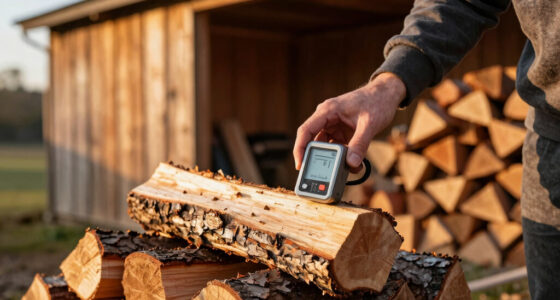
Green oak isn’t just freshly cut — it’s loaded with water, which significantly alters how it responds to splitting. The excess moisture acts like a cushion, absorbing some of the force you apply and resisting clean separation. This isn’t just an inconvenience; it’s a fundamental physical property. When wood is green, its fibers are swollen and flexible, making the split less direct and requiring more force to overcome internal friction and water content. Expect to need roughly 1.5 to 2 times the force of seasoned wood of the same diameter. For example, splitting a 12-inch green oak round can demand 20–30 tons, whereas the same size seasoned oak might only need 10–16 tons. The moisture acts like a buffer, absorbing energy and resisting the split, which means your machine must generate more force to achieve the same result. Recognizing this helps you plan appropriately. If you’re routinely working with green wood, consider drying it or choosing a splitter with higher rated tonnage to compensate for this extra resistance. Drying reduces moisture, making fibers more brittle and easier to fracture, which ultimately saves time and effort and reduces wear on your equipment.
heavy-duty wood splitter for knotty oak
As an affiliate, we earn on qualifying purchases.
As an affiliate, we earn on qualifying purchases.
Knots, Crotches & Interlocked Grain — The Hidden Force Multipliers
Knots and crotches are the wildcards of splitting because they introduce grain patterns that resist the split in unpredictable ways. When the grain runs in multiple directions, it demands several times more force than splitting clear, straight-grain wood. This is because the fibers are interwoven and often interlocked, creating natural resistance points. For instance, a knotty elm round can require 2–3 times the typical force needed for straight-grain wood. Elm’s interlocked grain resists splitting at almost any moisture level, making it particularly challenging. The key implication is that no matter how powerful your splitter is rated, knots and complex grain structures can cause stalls or require multiple passes. The practical tip? Split around knots when possible, start from the opposite end, and work in multiple stages. This approach minimizes stress on the machine and reduces the risk of damage. It’s essential to understand that these resistance points are physical realities, not just marketing hype, and planning for them ensures safer, more efficient splitting.
green wood log splitter attachment
As an affiliate, we earn on qualifying purchases.
As an affiliate, we earn on qualifying purchases.
Species and Density Make a Big Difference
Not all woods split equally. The density and internal grain structure of different species directly influence how much force is needed. For example, red oak, with its dense, tight grain, generally splits more easily than white oak, which tends to be heavier and more interlocked. Green oak, especially when wet, amplifies these differences because moisture increases resistance. A green red oak might split comfortably at 20 tons, but white oak could require 25–30 tons, especially if knots or crotches are present. Woods like elm or eucalyptus tend to have interlocked or heavy grain, demanding even more force. Heavy woods such as black locust or hickory, particularly when green, require planning for higher tonnage estimates or splitting in stages. Recognizing these differences is crucial because it helps you select the right machine or technique. If you consistently work with dense hardwoods or knotty species, investing in a higher-rated splitter or adjusting your expectations and splitting strategy will save time and reduce frustration. Knowing the species and density allows you to match your equipment to the task, ensuring safer and more efficient operation.
high pressure hydraulic log splitter
As an affiliate, we earn on qualifying purchases.
As an affiliate, we earn on qualifying purchases.
Wedge Shape and Machine Features That Change the Force Needed
The shape and sharpness of your wedge significantly influence the force required to split wood. A sharp, narrow wedge concentrates force on a smaller area, making splitting easier and reducing the load on your machine. Conversely, a dull or rounded wedge distributes force unevenly, increasing the effort needed and potentially causing stalls. The design of the wedge also matters: a four-way wedge speeds up splitting by allowing multiple splits simultaneously but demands more force because it increases the wedge’s surface area and the overall work the machine must perform. Kinetic splitters, which store and release energy rapidly, can handle tough, knotty, or green wood more efficiently, but they aren’t as predictable when dealing with irregular rounds. Additionally, features like a two-stage pump offer versatility—initial rapid movement at low pressure followed by higher force for tough sections—helping you optimize power use. The key takeaway is that choosing a wedge with the right shape and maintaining it sharp, along with understanding your machine’s features, can significantly reduce the force needed and improve splitting efficiency.
Real-World Tips to Make Your Splitter Handle Tough Wood
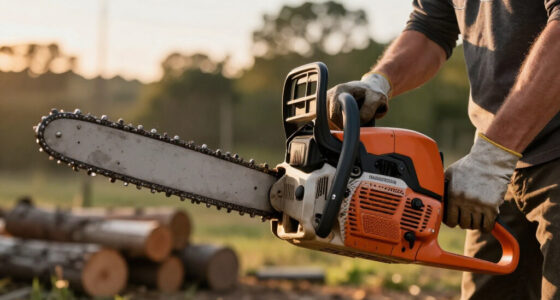
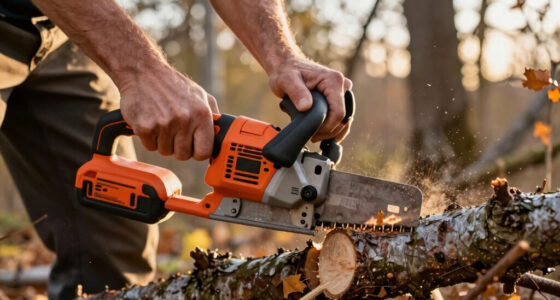
Handling tough, knotty, or green wood efficiently requires strategic techniques. Split large rounds in stages: first, use a chainsaw or saw to cut into manageable chunks, reducing the load on your splitter. Split from the opposite end of knots or crotches, and consider quartering large rounds to make each piece more manageable. Rotating the log between passes can help identify the easiest split line, saving time and effort. Maintaining your wedge’s sharpness is crucial—dull or rounded wedges increase force demand and can cause stalls or damage. Regularly sharpen or clean your wedge with a file or grinder. Adjust your expectations: a 20-ton machine isn’t magic; it’s a tool that works best with proper technique, patience, and sometimes pre-drying your wood. If you’re dealing with particularly dense, green, or knotty logs, combining these strategies with proper technique will maximize your machine’s performance and longevity, turning a frustrating task into a manageable one.
Frequently Asked Questions
Is 22 tons enough to split big rounds of green oak?
For seasoned wood up to 18 inches, yes. But green oak, especially with knots or crotches, often demands 30+ tons. Expect stalls or multiple passes on larger, green, knotty rounds with a 22-ton splitter.
How do I estimate the actual force I need for my wood?
Calculate the cylinder bore area and multiply by your system pressure, then divide by 2,000 for tons. Adjust upward for green wood (x1.5–2) and knots. For example, a 4-inch bore at 3,000 psi = about 18.9 tons, but expect to push beyond that for tough, green, or knotty rounds.
Can I just buy a bigger splitter to handle knotty, green oak?
Yes, but upgrading isn’t always cost-effective. Instead, optimize your wedge sharpness, split in stages, and dry your wood first. Sometimes a smaller machine with better technique beats a bigger one fighting against physics.
Conclusion
Understanding the actual math behind log splitting arms you with clarity. Tonnage ratings are a starting point, not a guarantee. When you match your machine’s force to the wood’s condition — green, knotty, or dense — you stop fighting against physics and start working with it.
Next time you load a stubborn round, think about diameter, moisture, knots, and wedge sharpness. Sometimes, a simple chainsaw cut or a dry season can save you hours and frustration. Be smart, be safe, and let the physics do the heavy lifting.
Halloween Picks
halloween
As an affiliate, we earn on qualifying purchases.