Finding the best fall vegetable seeds involves balancing cold hardiness, variety selection, and ease of planting. The Fall & Winter Seed Variety Pack stands out as the best overall due to its broad assortment of non-GMO, climate-ready options. For those in colder climates, the Northern Vegetable Seeds Collection offers specially selected heirlooms that thrive in chillier weather. Meanwhile, the Sereniseed Organic Seeds pack appeals to organic gardeners seeking high-quality, certified seeds. The main tradeoffs usually come down to price versus variety, and cold tolerance versus ease of growth. Continue reading for a detailed breakdown of these options and how they compare for your fall planting plans.

Get tools and workshop supplies delivered free — and shop member deals
- Fast, free delivery on millions of items
- Access to Prime Big Deal Days deals on October 6–7
- Prime Video, Amazon Music and more included
Complete the kit

Key Takeaways
- Top-ranked selections balance cold hardiness with variety to ensure a successful fall harvest.
- Seed packs with heirloom and non-GMO labels offer better flavor and genetic diversity but may come at a higher price.
- The most versatile options provide seeds suitable for both indoor and outdoor planting, extending the growing season.
- Bulk kits and survival seed collections tend to be more economical but may lack specific fall-friendly varieties.
- Organic seeds are a priority for eco-conscious gardeners, but they often require more careful handling and planting.


More Details on Our Top Picks
Fall & Winter Seed Variety Pack | 30 Individual Packs | Non-GMO | Beets, Arugula, Carrots, Lettuce & More | for Indoor & Outdoor Planting
This variety pack stands out for offering a broad selection of 30 non-GMO seeds, making it ideal for gardeners seeking diversity in both fall and winter. Unlike the HOME GROWN 12 Fall Vegetable Seeds pack, which focuses on fewer but more specialized varieties, this pack prioritizes a wide assortment suitable for continuous harvests. Its flexible indoor and outdoor compatibility means it suits those with limited space or unpredictable weather, but the tradeoff is that some seeds may need specific growing conditions, which could challenge beginners. The included instructions and reusable packaging add value, though the seed quality can vary without germination guarantees. This pick makes sense for home gardeners wanting variety without complex planning, especially if they enjoy experimenting with different vegetables.
Pros:- Extensive variety of vegetables and herbs for year-round gardening
- Includes detailed planting instructions and reusable packaging
- Suitable for both indoor and outdoor planting environments
Cons:- Some seeds may require specific conditions, risking lower success without proper care
- Limited information on seed germination rates, which could affect outcomes
Best for: Gardeners seeking a diverse, all-season vegetable collection for indoor and outdoor use, especially those new to fall and winter gardening
Not ideal for: Small-space gardeners or those preferring highly specific crop choices, since the pack’s broad selection may be overwhelming or less targeted
- Number of Packs:30
- Season:Fall & Winter
- GMO Status:Non-GMO
- Suitable for:Indoor & Outdoor
Our verdict“This seed pack is perfect for gardeners who want a broad, flexible selection to keep harvests going through fall and winter, despite some variability in seed performance.”
HOME GROWN 12 Fall Vegetable Seeds – Heirloom, Non-GMO, Cold Hardy, Frost Tolerant Garden Pack
The HOME GROWN 12 Fall Vegetable Seeds pack makes a strong case for gardeners focused on dependable, high-yield crops during chilly seasons. Compared with the larger 55 Vegetable Seeds Variety Pack, this smaller, curated selection emphasizes quality and resilience, making it well-suited for those with limited space or less gardening experience. Its heirloom and non-GMO status assure both flavor and genetic diversity, but the large quantity—over 9,600 seeds—may be daunting for small gardens or casual growers. The seeds are easy to plant and offer reliable germination, yet planning for proper fall timing remains essential. This set suits experienced gardeners or beginners with a clear focus on cold-hardy vegetables, wanting consistent results in cooler weather.
Pros:- Includes 12 diverse, heirloom, cold-hardy vegetables suitable for fall and winter
- High germination rate ensures reliable growth
- Non-GMO and easy to plant, ideal for beginners and experienced gardeners alike
Cons:- Large seed quantity might be overwhelming for small gardens or casual growers
- Requires careful planning to match planting times with seasonal weather windows
Best for: Gardeners in cooler climates seeking a straightforward, reliable fall crop kit with high germination rates
Not ideal for: Urban gardeners with tiny spaces or those who prefer a broader variety of vegetables for diverse harvests, as the pack is more focused and intensive
- Varieties:12
- Seeds Count:9600+
- GMO Status:Non-GMO
- Suitable Seasons:Fall & Winter
- Included Vegetables:Beets, Kale, Cabbage, Peas, Broccoli, Lettuce, Onions, Turnips, Cauliflower, Pumpkin, Kohlrabi, Brussels Sprouts
Our verdict“This seed pack offers dependable, hardy vegetables tailored for cool climates, making it ideal for those prioritizing reliability over variety breadth.”
Northern Vegetable Seeds Collection – 15 Cold Hardy Heirloom Varieties for Cool Climates
The Northern Vegetable Seeds Collection is tailored for gardeners in zones 3–6, emphasizing short-season crops like root vegetables and greens, with a special inclusion of cherry tomatoes. Compared to the Fall & Winter Seed Variety Pack, which offers broader diversity, this collection concentrates on proven cold-hardy varieties, making it a smart choice for those in cooler areas. Because it’s open-pollinated and non-GMO, it supports sustainable gardening and seed saving, but its focus on cool climates limits its usefulness in warmer regions. Planting windows require attention to short growing seasons, and some varieties may grow slowly in very short periods. This set is especially suitable for experienced gardeners or those with limited growing seasons, seeking reliable harvests in challenging climates.
Pros:- Perfectly suited for zones 3–6 with short growing seasons
- Includes a variety of vegetables for diverse harvests
- Open-pollinated and non-GMO for sustainable, seed-saving gardening
Cons:- Limited to cooler climate zones, reducing relevance for warm-weather gardeners
- Requires precise timing to maximize short growing seasons
Best for: Gardeners in cold regions with short growing seasons who want dependable, hardy vegetables for fall and spring planting
Not ideal for: Warm or long-season gardeners, or those looking for tropical or heat-loving crops, since the collection is optimized for cooler zones
- Varieties Included:Bush Beans, Beets, Broccoli, Cabbage, Kale, Kohlrabi, Carrot, Swiss Chard, Pea, Radish, Spinach, Onion, Cherry Tomato, Rhubarb
- Climate Suitability:Zone 3–6
- Seed Type:Open-pollinated, untreated
- Origin:USA
Our verdict“Ideal for cool climate gardeners seeking a reliable set of cold-hardy vegetables, though less suitable for warmer regions or long-season growers.”
Pumpkin Seeds 4 Variety Pack for Planting – Small Sugar, Jack O’ Lantern, Fairytale & Casper Heirloom Non-GMO Pumpkin Seed Collection
The Pumpkin Seeds 4 Variety Pack offers four popular heirloom pumpkin varieties, making it especially appealing for seasonal use. Compared with the 55 Vegetable Seeds Variety Pack, which covers a broader vegetable spectrum, this collection zeroes in on pumpkins suited for carving, cooking, or decorations, ideal for fall festivities. Its non-GMO, open-pollinated status assures quality and traditional flavor but lacks detailed planting instructions, which could pose challenges for first-time growers. The seeds are versatile enough for garden beds, containers, or raised beds, supporting family or community gardens. However, the absence of additional gardening tools or specific growth info might require extra planning. This set is perfect for those who want to focus on pumpkins for seasonal traditions and culinary uses.
Pros:- Includes four popular heirloom pumpkin varieties for multiple uses
- Suitable for various planting environments, including containers
- Non-GMO, untreated, and tested for good germination
Cons:- Lacks specific planting instructions or growth details
- Price and seed quantity information are not provided, which might affect purchasing decisions
Best for: Home gardeners and families wanting a reliable, decorative, and culinary pumpkin crop for fall celebrations
Not ideal for: Gardeners seeking a broad vegetable variety or detailed growing guides, as this pack is specialized and less informative on growth specifics
- Varieties:Small Sugar, Jack O’ Lantern, Fairytale, Casper
- Type:Heirloom, Non-GMO
- Uses:Cooking, carving, decorating
- Planting:Garden beds, raised planters, containers
- Origin:USA
Our verdict“This pumpkin seed set is perfect for seasonal decoration and cooking, especially for those focusing on pumpkin-centric fall traditions, despite its limited planting guidance.”
55 Vegetable Seeds Variety Pack – Non-GMO Heirloom Seeds for Indoor and Outdoor Gardening
The 55 Vegetable Seeds Variety Pack distinguishes itself with over 35,600 non-GMO seeds across 55 packets, making it an expansive option for serious gardeners or seed collectors. Its comprehensive kit, including gardening tools and guides, appeals to those who want everything in one package. Compared to the smaller, curated HOME GROWN 12 pack, this offers unparalleled variety and potential for experimenting with many vegetables and fruits. However, the sheer volume can be overwhelming for small or casual gardens, and seed storage becomes critical to maintain freshness over time. The high germination rate supports successful planting, but the extensive collection requires some planning and space. This set suits experienced gardeners or hobbyists aiming for maximum variety and high success rates.
Pros:- Largest variety with over 35,600 seeds in 55 different packets
- High germination rate ensures good success
- Includes gardening tools and guides for a comprehensive experience
Cons:- Seeds require proper storage to ensure long-term viability
- The large quantity might be overwhelming or impractical for small gardens
Best for: Experienced gardeners or hobbyists seeking a wide diversity of seeds, complete with tools and guides for extensive planting projects
Not ideal for: Beginners or small-space gardeners who may find the quantity and complexity daunting or unnecessary
- Number of Seeds:35,600+
- Seed Packets:55
- Germination Rate:90%+
- Sealed For:Up to 2 years
- Made In:USA
Our verdict“This extensive seed pack is ideal for dedicated gardeners wanting maximum variety and all-in-one convenience, despite its large scale and storage considerations.”
B&KM Farms 20,000+ Survival Seed Kit with 30 Heirloom Non-GMO Seeds in Weather-Proof Bucket
This extensive seed kit stands out for its massive quantity of over 20,000 heirloom and non-GMO seeds, making it ideal for those prioritizing long-term food security. Unlike the smaller, more manageable Sereniseed Organic Seed Pack, this kit offers a broader variety with 30 different types, catering to versatile planting needs. The weather-proof storage container ensures seeds remain viable for years, which is a significant advantage for preppers or large-scale growers. However, the large volume can be overwhelming for casual gardeners or beginners who may struggle with planting such a diverse set of seeds without prior experience. The germination rate is promising at 80% or higher, though actual success depends on proper planting techniques. This kit is best suited for experienced gardeners or homesteaders seeking a comprehensive seed reserve, but not for those with limited gardening knowledge or small gardens.
Pros:- Massive seed quantity suitable for extensive planting or storage
- Includes a diverse range of 30 heirloom and non-GMO varieties
- Weather-proof container preserves seed viability over years
- Bonus online planting guide supports self-sufficiency
Cons:- Requires gardening experience for optimal results
- Large volume may be intimidating or unnecessary for small gardens
Best for: Preppers, homesteaders, or experienced gardeners seeking a comprehensive, long-term seed stockpile.
Not ideal for: Casual gardeners or beginners who prefer smaller, simpler seed collections and less initial complexity.
- Seed Count:20,000+
- Number of Varieties:30
- Seed Type:Heirloom, Non-GMO
- Storage:Mylar seed packets, plastic pail
- Germination Rate:80% or higher
- Made in:USA
Our verdict“This kit is perfect for those wanting a comprehensive seed reserve, especially experienced gardeners focused on self-sufficiency.”
36 Vegetable Variety Pack – 17,600+ Non-GMO Heirloom Seeds for Planting Vegetables and Herbs
This variety pack makes the most sense for gardeners seeking a balance of variety and ease of use. Compared with the B&KM Survival Seed Kit, it offers fewer total seeds but emphasizes high germination rates (over 90%) and suitability for multiple gardening environments, including indoor, outdoor, and hydroponic setups. Its 36 varieties foster a diverse vegetable garden, ideal for families or newcomers who want straightforward success. While the package includes plenty of seeds, some beginners might find the variety overwhelming without clear planting instructions, which are not included. Its high germination rate and adaptability make it a solid choice for those new to gardening or with limited outdoor space, but it’s less suited for those seeking massive seed stocks for long-term storage.
Pros:- High germination rate (>90%) for reliable sprouting
- Includes 36 varieties for diverse planting options
- Suitable for indoor, outdoor, greenhouse, and hydroponic gardening
- Ideal for beginners and those with limited space
Cons:- Less total seed quantity than larger kits like the B&KM pack
- Some varieties may require specific conditions for optimal growth
Best for: Beginners, families, or gardeners with limited space seeking a reliable, high-germination seed pack for diverse growing environments.
Not ideal for: Experienced growers or preppers looking for bulk seed reserves for long-term storage, as this pack prioritizes ease and variety over volume.
- Number of seed varieties:36
- Total seeds:17,600+
- Germination rate:90%+
- Grown in:USA
- Suitable for:Indoor, outdoor, greenhouse, hydroponic
Our verdict“This pack offers an excellent mix of variety and ease for novices and small-scale gardeners seeking successful harvests.”
Sereniseed Certified Organic Vegetable Seeds (10-Pack) – Basil, Snap Pea, Broccoli, Bean, Jalapeno, Tomato, Lettuce, Cucumber, Carrot, Zucchini Seeds for Planting
This curated 10-pack emphasizes organic, non-GMO seeds with tested high germination rates, making it ideal for gardeners who prioritize seed purity and organic practices. Compared to the larger, more diverse packs like the 36-Variety Seed Pack, Sereniseed’s smaller offering is better suited for small gardens or those who want to try a variety without excess seeds. The organic certification guarantees no synthetic chemicals, appealing to health-conscious growers. However, the limited number of seed varieties means you’ll need multiple packs for larger gardens, and the absence of detailed planting instructions could pose a challenge for beginners. This pack works best for organic enthusiasts or gardeners with modest planting goals, but it’s less ideal for those seeking a broad, large-scale seed inventory.
Pros:- Certified organic and non-GMO for health-conscious gardening
- Includes 10 diverse vegetable varieties
- Germination guaranteed and seeds tested for purity
- Open-pollinated varieties suitable for saving seeds
Cons:- Limited number of varieties and seeds per pack
- No detailed planting instructions included
Best for: Organic gardeners or health-conscious individuals looking for high-quality, tested seeds for small to medium gardens.
Not ideal for: Gardeners wanting a large variety or quantity of seeds for extensive planting or long-term storage, as this is a smaller, curated set.
- Varieties:Basil, Snap Pea, Broccoli, Bean, Jalapeno, Tomato, Lettuce, Cucumber, Carrot, Zucchini
- Certification:USDA Certified Organic
- GMO:Non-GMO
- Pollination:Open pollinated
Our verdict“This organic seed set is ideal for gardeners prioritizing quality, purity, and organic practices in small or medium gardens.”
How We Picked
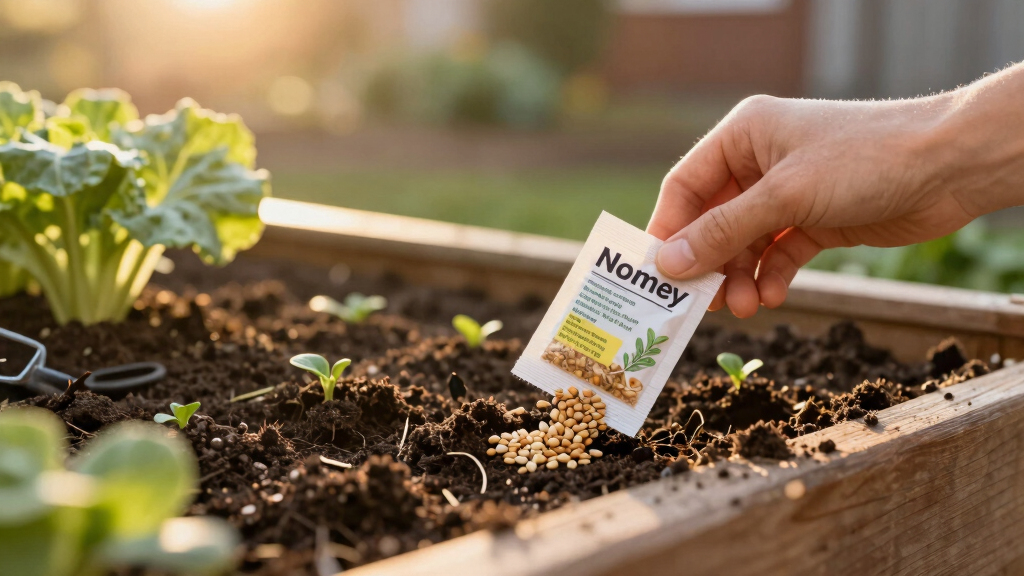
I evaluated each product based on seed variety, cold hardiness, germination rates, seed quality, and user reviews. Seed packs that offered a broad selection of vegetables suited for fall and early winter climates ranked higher. I also considered the sustainability aspects, such as non-GMO and organic labels, as well as value for the price. The ranking reflects a balance between variety, climate adaptability, and affordability, ensuring options for different gardening conditions and experience levels.Factors to Consider When Choosing Best Fall Vegetable Seeds
Choosing the best fall vegetable seeds requires understanding several key factors that influence your gardening success. Beyond just the seed quality, you should consider climate compatibility, seed variety, and planting ease. Picking the right seeds can extend your growing season and improve your harvest, but it’s important to avoid common pitfalls like selecting seeds that aren’t hardy enough or overestimating your gardening space. Here are some factors to keep in mind:Climate Compatibility and Hardiness
Fall planting demands seeds that can withstand cooler temperatures and shorter days. Look for seeds labeled as cold-hardy or frost-tolerant, especially if you’re in regions with early frosts. Seeds that aren’t suitable for your climate may sprout but will struggle to mature, leading to disappointment. Choosing climate-appropriate seeds ensures your plants have the best chance to thrive despite the seasonal challenges.
Variety Selection and Planting Goals
Deciding what vegetables to grow depends on your culinary preferences and space. A diverse seed pack can provide multiple harvests and extend your season, but it may also mean more management and planning. Consider whether you want quick-growing greens, root vegetables, or hearty squashes, and select seed mixes accordingly. Overly broad packs might include less suitable options, so match the variety to your garden’s conditions and your experience level.
Seed Quality and Source
High-quality seeds with high germination rates save you time and reduce waste. Always check for reputable brands and certifications like non-GMO or organic labels. Seeds stored improperly or from unreliable sources may fail to sprout, especially in the demanding fall season. Investing in quality seeds pays off through healthier plants and better yields.
Ease of Planting and Maintenance
Some seed varieties require more precise planting conditions or extra care, which can be a challenge late in the season. For beginners, selecting hardy, easy-to-grow varieties minimizes frustration. Consider the seed’s planting depth, spacing, and watering needs, and choose options that match your gardening experience and available time.
Budget and Value
Price varies widely among seed packs, often reflecting seed quantity, quality, and brand reputation. Bulk seed kits tend to be more economical per plant but may include varieties you don’t need. Organic and heirloom seeds usually cost more but can enhance flavor and biodiversity. Balance your budget with your goals—sometimes paying a bit more ensures better results in your fall garden.
Frequently Asked Questions
Can I plant fall vegetable seeds in containers?
Absolutely. Many fall vegetable seeds, especially greens like lettuce and arugula, do well in containers, which can provide extra protection from cold and pests. Make sure your containers have good drainage and use quality soil. Container gardening also allows you to move plants to warmer spots if unexpected frosts threaten your harvest, extending your growing window.
How do I know if a seed is suitable for fall planting?
Look for seeds labeled as cold-hardy or frost-tolerant. These are specifically bred or selected to withstand lower temperatures and shorter days. Checking regional planting guides can also help confirm if a particular vegetable is recommended for fall in your area. When in doubt, choose heirloom or organic seeds known for their adaptability to cooler weather.
Is organic seed quality worth the extra cost for fall gardening?
Organic seeds generally offer higher purity and better germination rates, which can be especially important in fall when growing conditions are less forgiving. They are also free from synthetic chemicals, aligning with eco-conscious practices. While they may cost more upfront, organic seeds often produce healthier, more resilient plants, leading to a more successful harvest.
Can I start fall seeds indoors and transplant them outside?
Yes, starting seeds indoors provides a head start, especially for crops with longer maturation periods. Use seed trays or pots with quality soil, and transplant seedlings outdoors once temperatures are consistently above freezing. This approach can maximize your growing season and improve yields, but be cautious of transplant shock and ensure proper hardening off beforehand.
What’s the best time to plant fall vegetable seeds?
The timing depends on your local climate. Generally, plant seeds 4-6 weeks before the first expected frost date, giving plants enough time to mature. Consult regional planting calendars and consider whether your area experiences early or late frosts. Starting too late risks underdeveloped crops, while planting too early might expose seedlings to damaging cold.
Conclusion
For general gardeners looking for the best overall performance, the Fall & Winter Seed Variety Pack offers a broad spectrum of options suitable for diverse needs. Beginners or those with limited space will appreciate the Sereniseed Organic Seeds pack for its ease of use and quality. Gardeners in colder climates should prioritize the Northern Vegetable Seeds Collection for its proven hardiness. Budget-conscious growers will find value in larger seed kits like the B&KM Farms Survival Seed Kit, while organic enthusiasts should opt for the Sereniseed Organic Seeds. Ultimately, your choice depends on your climate, gardening experience, and culinary goals, but these selections cover a wide range of needs for successful fall harvests in 2026.
As an affiliate, we earn on qualifying purchases.Fall Picks
fall essentials