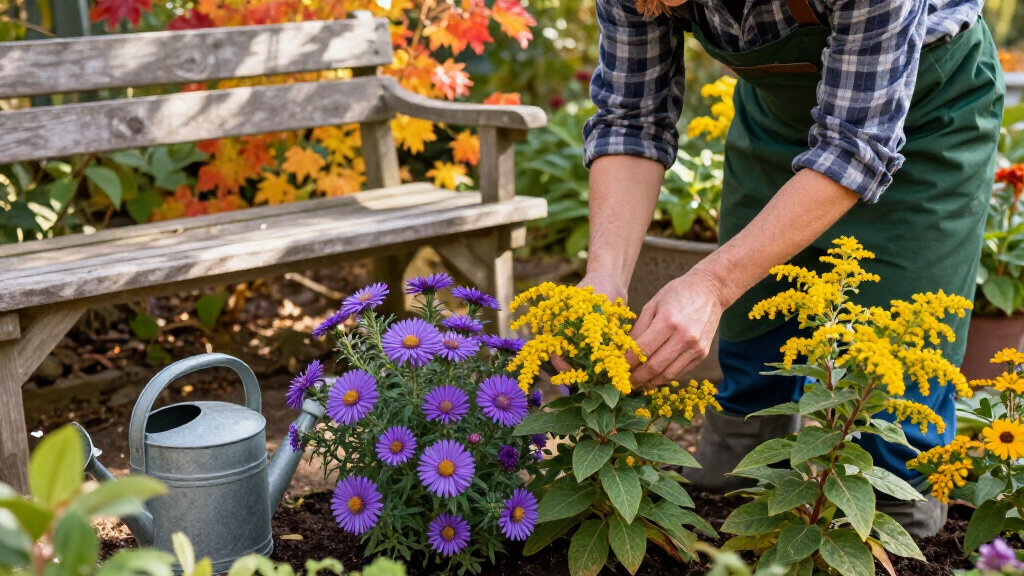

Finding the best fall pollinator plants means choosing varieties that bloom late and attract butterflies, hummingbirds, and other beneficial insects as the season winds down. The Groundio Wildflower Seeds stand out for their vast mix of over 23 native varieties, offering a diversity of blooms that appeal to many pollinators. Meanwhile, the Perennial Farm Aster ‘Wood’s Purple’ provides a compact, hardy option with long-lasting violet flowers perfect for borders. The main tradeoffs include balancing plant diversity with ease of care and bloom longevity. Keep reading for a detailed breakdown of these top choices and how they compare for your garden needs.

Get business pricing on tools and workshop supplies
- Business-only prices and quantity discounts
- Tax-exempt purchasing
- Multiple users, one account, clear invoices
Complete the kit


Key Takeaways
- Diverse wildflower mixes tend to attract the widest range of pollinators during fall.
- Native perennials like asters and goldenrod often outperform annuals for long-term garden health.
- Cost-effective seed mixes can provide excellent value but may require more planting effort and patience.
- Live plants offer immediate impact but come with higher upfront costs and limited variety options.
- Bloom duration and plant hardiness are crucial for sustained pollinator support late in the season.


More Details on Our Top Picks
Groundio 10,000+ Perennial Wildflower Seeds – 23 Varieties, Non-GMO, Heirloom, USDA Zone 1-10, Attracts Butterflies & Hummingbirds
This seed mix stands out for its incredible diversity, with over 23 perennial varieties that promise vibrant, multi-season blooms. Compared to Eden Brothers All Perennial Wildflower Mixed Seeds, which offers fewer species, this mix provides a broader range of pollinator-attracting plants, making it ideal for eco-conscious gardeners seeking a resilient, self-sustaining garden. Its high germination rate and quick bloom time—typically within 35-75 days—deliver immediate impact, while the resealable packaging ensures seed freshness across seasons. However, achieving optimal growth demands attentive planting conditions, and coverage can vary based on planting density. This pick makes the most sense for gardeners aiming for a diverse, low-maintenance pollinator habitat that blooms year after year.
Pros:- Includes over 23 varieties of perennial wildflowers for high diversity
- High germination rate with fast results within weeks
- Attracts a wide range of pollinators including butterflies, hummingbirds, and bees
- Resealable packaging preserves seed freshness for multiple seasons
Cons:- Requires specific planting conditions for best germination and growth
- Coverage area varies depending on planting density and technique
- First blooms may take up to 75 days to appear
Best for: Gardeners looking to establish a vibrant, self-sustaining pollinator garden with a wide variety of wildflowers
Not ideal for: Beginners with limited space or those who prefer quick, uniform blooms without much planning
- Varieties:23
- Seed Type:Perennial wildflowers
- Weight:1 OZ
- Coverage:Approximately 681 sq ft per ounce
- Germination Time:5-10 days
- First Flowering:35-75 days
- Height Range:12-59 inches
- Packaging:Resealable foil pack
- GMO Status:Non-GMO
Our verdict“Ideal for eco-minded gardeners seeking a diverse, long-lasting pollinator habitat that blooms reliably each year.”
Eden Brothers All Perennial Wildflower Mixed Seeds for Planting, 1 oz, Includes Lupine, Shasta Daisy, and More
This mix excels in providing a colorful, pollinator-attracting display from summer through fall, with 19 species including Lupine, Shasta Daisy, and Coneflower. It compares favorably to Wildflower Seeds, 5000+ Non-GMO Mix by offering a curated selection of well-known, easy-to-grow perennials suited for USDA zones 3-10. Its high germination rate and full sun preference mean consistent blooms, though it requires full sunlight—limiting its use in shaded gardens. While some species may need specific soil conditions, overall, this blend offers reliable, vibrant color for gardeners seeking pollinator support across a broad climate range. It’s especially suitable for those who want a straightforward, dependable perennial mix that blooms from summer into fall.
Pros:- Includes 19 popular perennial species like Lupine and Coneflower
- High germination rate and non-GMO quality
- Suitable for a broad USDA zone range (3-10)
- Provides vibrant, long-lasting blooms from summer to fall
Cons:- Requires full sun for optimal growth and flowering
- Some species may need specific soil conditions to thrive
- Planting may take time to develop full coverage
Best for: Gardeners in USDA zones 3-10 seeking a diverse, easy-care perennial mix for full sun areas
Not ideal for: Shaded garden spaces or gardeners seeking quick, early-season blooms
- Weight:1 oz
- Seeds Included:19 species
- GMO:Non-GMO
- Zones:3-10
- Sunlight Exposure:Full Sun
Our verdict“Best for gardeners in full sun zones wanting a reliable, colorful perennial mix that blooms well into fall.”
Perennial Farm Aster D. ‘Wood’s Purple’ – Live Perennial in #1 Container, Pale Violet Daisy-Like Blooms, Compact & Hardy, Pollinator Friendly, Long Blooming, Great for Borders & Fall Gardens
This aster is a perfect choice for gardeners wanting instant color with minimal effort. Being a live perennial, it arrives fully rooted and ready to plant, unlike seed mixes that require months to bloom. Its compact size—just 10-12 inches tall—makes it ideal for borders, containers, or small fall gardens. Compared to seed-based options like Wildflower Seeds, 5000+ Mix, this plant offers immediate visual impact and guaranteed pollinator attraction, especially for those with limited planting time. However, its USDA Zone 4 restriction limits colder climate use, and it may be dormant if shipped during winter, requiring patience for full blooms. Still, it’s perfect for gardeners who want a guaranteed, long-blooming perennial for fall.
Pros:- Arrives fully rooted and ready to plant
- Long-lasting, pale violet, daisy-like blooms from late summer into fall
- Compact, suitable for borders and containers
- Pollinator friendly, attracting bees and butterflies
Cons:- Limited to USDA Zone 4, may not thrive in colder or warmer zones
- Dormancy if shipped during off-season, requiring patience
- Less suited for large-scale planting compared to seed mixes
Best for: Gardeners seeking instant, reliable fall color in Zone 4 or container settings
Not ideal for: Cold climates outside Zone 4 or those preferring seed-based planting for larger areas
- Color:Pale Violet
- Expected Blooming Period:Late Summer to Fall
- Sunlight Exposure:Full Sun
- USDA Hardiness Zone:4
- Expected Plant Height:12 inches
- Materials & Care:Organic
Our verdict“Ideal for gardeners wanting immediate fall color in Zone 4 or container gardens with guaranteed pollinator attraction.”
Burpee Wildflower 25,000 Bulk Seed Mix – 18 Varieties of Non-GMO Flower Seeds for Hummingbirds and Butterflies
This extensive seed mix offers a broad palette of 18 flower varieties, covering up to 1,000 square feet, making it perfect for creating large, colorful pollinator gardens. Compared to the smaller, curated mixes like Wildflower Seeds, 5000+ Mix, this bulk option is suited for expansive spaces, meadows, or wildflower lawns. Its high seed count and non-GMO status ensure good germination, though germination rate is around 35%, which may require some reseeding. It attracts hummingbirds, butterflies, and bees throughout spring to fall, but success depends heavily on proper soil preparation and sunlight, making it less ideal for shaded or poorly drained sites. This choice makes sense for those prioritizing coverage and impact over individual plant diversity.
Pros:- Covers up to 1,000 sq ft, great for large-scale planting
- Includes 18 diverse flower types attractive to multiple pollinators
- High seed count with non-GMO seeds for reliable germination
- Suitable for attracting hummingbirds, butterflies, and bees
Cons:- Germination rate of about 35%, may require reseeding
- Requires sunny, well-drained soil for best results
- Planting density and conditions influence coverage and flowering
Best for: Property owners or landscapers creating large pollinator habitats in sunny, well-drained areas
Not ideal for: Small gardens or shaded spots where sunlight and soil conditions are limited
- Seed Count:25,000 seeds
- Varieties:18
- Coverage Area:up to 1,000 sq ft
- GMO Status:Non-GMO
- Blooming Seasons:Spring, Summer, Fall
Our verdict“Best for large-scale projects aiming to fill extensive areas with vibrant, pollinator-friendly wildflowers.”
Wildflower Seeds, 5000+ Non-GMO Open Pollinated Mix, 15 Varieties for Pollinators
This seed mix offers a balanced selection of 15 heirloom, non-GMO varieties like Sunflower, Cosmos, and Echinacea, designed to attract pollinators throughout the growing season. Compared with seed-only mixes like Groundio Wildflower Seeds, this blend emphasizes ease of growth and ongoing blooms, making it suitable for gardens, meadows, or containers. Its simplicity and diverse flower types support a thriving ecosystem with minimal effort, though it favors sunny, well-drained soils and may require reseeding to maintain continuous flowering. It’s a smart pick for gardeners who want reliable pollinator support without fuss, especially if they prefer organic, heirloom seeds for ecological reasons.
Pros:- Includes 15 diverse, heirloom, non-GMO flower varieties
- Easy to grow with minimal maintenance requirements
- Provides ongoing blooms that attract a variety of pollinators
- Suitable for gardens, meadows, or containers
Cons:- Requires sunny, well-drained soil for optimal growth
- May need reseeding to sustain continuous flowering
- Less impact in shaded or poor soil conditions
Best for: Home gardeners seeking a low-maintenance, season-long pollinator attractant in sunny locations
Not ideal for: Shaded or poorly drained sites or gardeners seeking quick, early-season results
- Varieties Included:15
- Number of Seeds:5000+
- GMO Status:Non-GMO
- Application:Gardens, Meadows, Containers
- Season:Spring to Fall
Our verdict“Great for gardeners wanting a reliable, eco-friendly pollinator mix that blooms season-long with minimal effort.”
Fall Blooming Wildflower Mix
This wildflower mix stands out for its ease of sowing directly onto bare soil, making it an accessible way to add vibrant fall color without complex planting steps. Unlike specialized perennials like the Aster – Purple Blooms, this mix provides an immediate splash of seasonal blooms, though it offers limited information on specific flower varieties and seed quantities. Its suitability for fall planting makes it a quick solution for gardeners wanting instant visual impact, but the lack of detailed instructions can challenge less experienced growers seeking predictability. The mix is ideal for those seeking a natural, meadow-like appearance and willing to tolerate some variability in bloom timing and composition.
Pros:- Produces a colorful fall display that enhances landscape vibrancy
- Easy to sow directly on soil, saving time and effort
- Suitable for fall planting, allowing early-season preparation
Cons:- Limited information on specific flower varieties reduces predictability
- No details on seed quantity or specific planting instructions can confuse beginners
Best for: Gardeners looking for an easy, quick way to introduce colorful wildflowers into their fall landscape with minimal fuss.
Not ideal for: Gardeners wanting precise control over flower varieties or detailed planting instructions, as this product provides limited guidance.
- Suitable for:Fall planting
- Planting method:Direct sow on soil
Our verdict“This wildflower mix is best for those wanting a simple way to add broad fall color quickly and naturally, accepting some variability in results.”
False Aster Seeds, White Doll’s Daisy Perennial Native Wildflower, 1000 Seeds
This native perennial, also known as White Doll’s Daisy, earns its spot because of its ability to attract bees and butterflies late into the season, providing critical nectar sources when most blooms have faded. Compared with the bulk wildflower mixes like the Burpee Wildflower 25,000 Seed Mix, these seeds focus on a single, highly pollinator-friendly species, which offers targeted benefits but less diversity. Its large seed quantity makes it suitable for extensive plantings, yet it requires specific soil and growing conditions to thrive—less ideal for casual gardeners or those with less optimal soil. This pick makes the most sense for wildlife gardeners aiming for late-season nectar, though patience and proper site prep are necessary.
Pros:- Attracts pollinators such as bees and butterflies during late season
- Provides vibrant white blooms that add contrast and interest
- Large seed pack allows for extensive planting
Cons:- Requires suitable soil and growing conditions for success
- Late blooming may not align with all garden schedules or expectations
Best for: Wildlife gardeners wanting to support pollinators with a reliable, native perennial that blooms late in the season.
Not ideal for: Gardeners seeking quick, colorful fall displays or who lack suitable soil conditions for native perennials.
- Type:Perennial wildflower
- Bloom season:Late season
- Quantity:1000 seeds
Our verdict“This native perennial is ideal for those focused on supporting pollinators late in the season, provided they can meet its growing needs.”
Burpee Wildflower 25,000 Bulk Seed Mix – 18 Varieties of Non-GMO Pollinator-Friendly Flowers
This seed mix offers incredible value, with 25,000 seeds across 18 varieties, making it perfect for creating a vibrant, diverse pollinator habitat over a large area. Compared to single-species options like the Aster – Purple Blooms, it emphasizes diversity, attracting a broad spectrum of bees, butterflies, and hummingbirds, and covering up to 1,000 square feet. Its non-GMO status reassures quality, but it requires a sunny location and patience as it takes time to establish and bloom. The bulk quantity may be excessive for small gardens, but it’s a smart choice for landscapers or homeowners with extensive planting space aiming for early and abundant blooms.
Pros:- Includes 18 wildflower varieties for a highly diverse pollinator garden
- Non-GMO seeds ensure safety and quality
- Covers a large area, ideal for extensive planting
Cons:- Requires sunny conditions and proper planting for best results
- May take time before blooms appear, not suited for instant gratification
Best for: Homeowners or landscapers planning large wildflower plantings to support pollinators across broad areas.
Not ideal for: Gardeners with limited space or those seeking quick, established blooms, since it requires time to grow and flower.
- Number of seeds:25,000
- Varieties:18
- Coverage area:up to 1,000 sq ft
Our verdict“This broad seed mix is perfect for those wanting to establish a large, diverse pollinator garden with long-term payoff.”
Aster – Purple Blooms, Live Pollinator-Friendly Fall Flowering Perennial, 12″ Tall in 2 Qt Pot
This aster offers vibrant purple star-shaped flowers that add immediate fall interest, especially suited for smaller gardens or borders. Its compact size—12-18 inches tall with a 15-20 inch spread—makes it easier to integrate into mixed beds compared to taller perennials like the Perennial Farm Aster ‘Wood’s Purple’. Although it ships fresh from the greenhouse, it demands full sun and well-drained soil, requiring regular watering and mulching to maintain vigor. Its limited bloom season means it’s best for gardeners who want reliable fall color but are prepared for ongoing care. It’s an excellent choice for those seeking a pollinator-friendly, low-maintenance perennial that stays manageable in smaller spaces.
Pros:- Pollinator-friendly with striking purple star-shaped flowers
- Adds vivid fall color to small spaces or borders
- Ships fresh from the greenhouse for healthy establishment
Cons:- Requires full sun and well-drained soil for optimal growth
- Needs regular watering and mulching to prevent stress
Best for: Gardeners wanting a manageable, vibrant perennial for fall that fits into borders or container gardens.
Not ideal for: Those seeking long-lasting or multiple-season interest, as its bloom is confined to the fall and it needs attentive care.
- Height:12-18 inches
- Spread:15-20 inches
- Pot Size:2 Qt
Our verdict“This compact aster is an excellent choice for gardeners seeking vibrant, fall-blooming perennials within manageable size limits.”
Monarch Butterfly Garden Kit with Milkweed Seeds – Perennial Wildflower Seeds for Pollinators
This garden kit emphasizes monarch butterfly conservation by including non-GMO milkweed and wildflower seeds, making it ideal for gardeners committed to pollinator health. It offers fast germination and the flexibility to plant in spring or fall, thriving in sun or shade, which broadens its appeal compared to more season-specific options like the False Aster Seeds. While it supports a wider range of pollinators, success depends on proper planting and care, and some species may require cold stratification for optimal growth. Its focus on biodiversity makes it suited for eco-conscious gardeners eager to foster pollinator populations, although it involves a bit more attention during establishment.
Pros:- Supports monarch butterfly survival with milkweed
- Non-GMO seeds with no fillers for purity and safety
- Grows well in sun or shade with quick germination
Cons:- Requires proper planting and care for best germination
- May need cold stratification for some seeds
- Limited to specific planting seasons (spring or fall)
Best for: Gardeners dedicated to butterfly conservation and seeking a versatile pollinator garden supporting monarchs specifically.
Not ideal for: Those looking for immediate, showy fall blooms or who cannot commit to proper seed care and seasonal planting requirements.
- Weight:1/4 Pound
- Seed Type:Wildflower and Milkweed Seeds
- Includes:Free e-book, seed packets
Our verdict“This kit is perfect for eco-minded gardeners who want to support monarchs and pollinators, provided they follow planting instructions carefully.”
Home Grown Autumn Beauty Sunflower Seeds, 40 Seeds
This sunflower seed collection stands out for its striking multi-colored blooms that brighten late-season gardens while attracting bees, butterflies, and birds. Compared with the single-color options, these sunflowers offer a more dynamic display, making them ideal for gardeners seeking visual impact and ecological benefits. Their drought and pest resistance reduce maintenance, but they do require full sun and support for tall growth, which might challenge small or shaded gardens. Their bloom size is substantial at 4-6 inches, and they grow up to 8 feet, providing both ornamental value and habitat for pollinators. The seasonal planting schedule adds a slight limitation, but overall, this seed pack delivers a versatile, colorful addition to fall gardens.
Pros:- Vibrant multi-colored blooms for visual impact
- Drought and pest resistant to lower maintenance
- Attracts a variety of pollinators and wildlife
- Versatile for ornamental and edible uses
Cons:- Requires full sun and well-drained soil, limiting shaded or moist gardens
- Tall growth may need staking or support
Best for: Gardeners wanting a show-stopping, pollinator-friendly addition that also serves edible purposes
Not ideal for: Gardeners with limited full sun exposure or small spaces where support is difficult to provide
- Quantity:40 seeds
- Bloom Colors:Yellow, red, orange
- Bloom Size:4-6 inches
- Plant Height:5-8 feet
- Germination Time:7-14 days
- Growth Period:60-80 days
Our verdict“This sunflower seed pack is perfect for gardeners seeking vibrant, pollinator-attracting flowers with high visual impact and ecological value.”
Gardeners Basics Perennial Flower Seeds for Planting Outdoors, 5 Varieties
This collection offers five distinct heirloom perennial flowers—lupine, columbine, coneflower, Black-Eyed Susan, and Shasta daisy—creating a diverse and resilient garden bed. Compared to single-variety seed packs like the Votaniki Aster Bluebird, this set provides a broader pollinator appeal across multiple seasons, but it requires more careful planting and care, especially since seeds are not plants and depend heavily on proper sowing. Some varieties may need cold stratification or specific soil conditions, which could challenge less experienced gardeners. Their success depends on climate and care, but the variety ensures continuous bloom and pollinator support over a longer period.
Pros:- Includes five different perennial varieties for year-round appeal
- Labeled seed packets simplify planting and identification
- Supports bees and butterflies with diverse nectar sources
- Suitable for borders and pollinator gardens
Cons:- Seeds are not live plants, requiring proper sowing techniques
- Growth and bloom depend heavily on climate, soil, and care
- Some varieties need specific sowing conditions like cold stratification
Best for: Gardeners seeking a cost-effective, multi-season pollinator garden with a variety of native and heirloom flowers
Not ideal for: Beginners unfamiliar with sowing multiple seed types or gardeners outside the recommended planting zones
- Varieties:Lupine, Blue Columbine, Purple Coneflower, Black-Eyed Susan, Shasta Daisy
- Packet Weights:Lupine 1 g, Columbine 300 mg, Coneflower 800 mg, Black-Eyed Susan 500 mg, Shasta Daisy 500 mg
- Seed Type:Heirloom, Non-GMO
Our verdict“This seed collection offers excellent value and diversity for gardeners willing to invest time in establishing a multi-season pollinator habitat.”
Votaniki Aster Bluebird #1 Bare Root Perennial Lavender Blue Flowering Plant (Pack of 3)
This perennial produces abundant lavender blue daisies from late summer to fall, filling gardens with color when many other plants have finished blooming. It compares favorably to smaller asters like the Wildflower Seeds Mix, offering taller, more upright growth up to 4 feet, which adds vertical interest. While its low maintenance and adaptability to various soils are advantages, it may require staking due to its height, and drought tolerance information is limited. It’s especially suitable for gardeners wanting a reliable, late-season bloom that supports butterflies and beneficial insects while enhancing garden structure.
Pros:- Vibrant lavender blue flowers late in the season
- Supports pollinators like butterflies and beneficial insects
- Tall, upright growth adds vertical dimension
- Low maintenance and adaptable to various soils
Cons:- May require staking due to tall growth
- Limited information on drought tolerance
Best for: Gardeners wanting a tall, colorful perennial that blooms late and attracts pollinators in sunny gardens
Not ideal for: Gardeners with limited space or those seeking drought-tolerant plants, as drought info is limited
- Size:Bare Root
- Color:Lavender Blue
- Flowering Season:Late Summer to Fall
- Plant Type:Perennial
- Height:Up to 4 feet
- Sunlight:Full Sun
- Soil Tolerance:Normal to Clay Soils
- Pack Size:3
Our verdict“This aster is ideal for adding late-season color and supporting pollinators in sunny, open garden spaces.”
Calico Aster 3 Live Plants (Symphyotrichum laterifolium) – Native Perennial Wildflower for Pollinator Gardens, Fall Blooming Flowers, Low Maintenance, Partial to Full Sun Landscaping Plant
This native perennial excels at supporting late-season pollinators with its vibrant, daisy-like flowers in naturalized landscapes. Compared to more cultivated asters, the Calico Aster offers a natural, informal appearance that blends well with prairie and wildflower gardens. It thrives in full sun and well-drained soil, and its vigorous growth helps it establish quickly. However, it’s less suitable for shaded or non-native regions, and its height and spread require space. Its ecological benefits are clear, making it a strong choice for gardens focused on native plants and supporting local wildlife in the fall.
Pros:- Supports late-season pollinators with abundant nectar and pollen
- Adds vibrant fall color and ecological value
- Low-maintenance and easy to establish outdoors
- Naturalistic, prairie-like appearance
Cons:- Not suitable for regions outside its native range
- Requires full sun and well-drained soil
- May need space due to vigorous growth
Best for: Gardeners cultivating native, ecological landscapes with a focus on supporting pollinators and natural beauty
Not ideal for: Gardeners outside its native range or those seeking a more formal or controlled garden style
- Type:Live Plants
- Plant Species:Symphyotrichum laterifolium
- Bloom Season:Fall
- Sunlight:Partial to Full Sun
- Soil:Well-drained loam
- Native Range:Eastern US and South
Our verdict“This native aster is perfect for ecological gardens aiming to support pollinators while adding vibrant fall color.”
300+ Butterfly Bush Seeds for Planting, Mixed Color Buddleja Flower Seeds, Perennial Heirloom Non-GMO
This seed pack offers over 300 butterfly bush seeds that grow into fragrant, fast-growing shrubs, making it ideal for creating quick, pollinator-friendly hedges or large gardens. Compared to smaller seed packs or potted plants like the Votaniki Aster, this option emphasizes quantity and coverage, attracting a broad range of butterflies over a long blooming period. Its height of up to 8 feet requires significant space, and it demands full sun and well-drained soil, which might limit its use in small or shady gardens. Nonetheless, its ease of starting from seed and extended bloom season make it a practical choice for large or rapid garden development.
Pros:- Attracts a wide range of butterflies and pollinators
- Fast-growing with extensive blooming period
- Easy to start from seeds indoors or outdoors
- Heirloom, non-GMO seeds for organic gardening
Cons:- Requires full sun and well-drained soil
- Height up to 8 feet may require space and support
Best for: Gardeners seeking large, fast-growing pollinator hedges or extensive butterfly gardens in sunny zones
Not ideal for: Gardening in shaded areas or small yards where height and space are constrained
- Quantity:300+ seeds
- Plant Type:Perennial shrub
- Expected Height:63 inches
- Blooming Period:Summer to Fall
- Sunlight Exposure:Full Sun
- USDA Hardiness Zone:5-10
- Soil Type:Loam
- Soil Moisture Needs:Moderate
Our verdict“This seed pack is well-suited for creating large, butterfly-attracting landscapes with quick, prolific growth.”
How We Picked
To evaluate the best fall pollinator plants, I focused on factors that directly impact garden success for pollinator attraction. Performance in attracting butterflies, hummingbirds, and bees was a priority, along with plant hardiness and adaptability across USDA zones. Usability and maintenance needs, such as ease of planting and resilience to fall weather, also shaped the rankings. I compared seed mixes, live plants, and perennials based on value, bloom longevity, and native status, ensuring choices serve both beginner and experienced gardeners alike. The top selections strike a balance between cost, ease, and pollinator appeal, making them versatile options for any fall garden.Factors to Consider When Choosing Best Fall Pollinator Plants
Choosing the best fall pollinator plants requires considering several factors that influence garden success and pollinator support. It’s worth thinking about how much effort you’re willing to invest, your local climate, and the types of pollinators you want to attract. The right plants should also fit your garden style and be suited to your soil conditions. Below are key considerations to help you make an informed decision beyond just selecting seeds or plants.Plant Diversity and Native Species
Opting for diverse, native species tends to attract a broader range of pollinators and supports local ecosystems better. Native plants are adapted to your climate and soil, often requiring less maintenance and water. Mixing different species can extend bloom times and provide varied nectar sources, especially important in fall when food sources dwindle. Keep in mind that monocultures may be less resilient and less attractive to the widest range of pollinators.
Bloom Time and Longevity
Since fall pollination is a time-sensitive window, selecting plants with late-season blooms is essential. Look for varieties known for extended bloom periods or for plants that bloom precisely in the fall. Consider how long the blooms last and whether they sustain pollinators through the colder months. Plants with a longer bloom window can provide critical nourishment when other sources fade.
Ease of Establishment and Maintenance
Some plants and seed mixes are easier for beginners to establish, especially in less-than-ideal soils. Perennials and native wildflowers often require less fertilization and watering once established, but seed mixes may need more patience and proper soil prep. Think about your available time and gardening experience when choosing between quick-impact live plants and more affordable seed options—each has its tradeoffs in effort and results.
Cost and Value
Seed mixes generally offer a lower initial investment and broader variety but may require multiple planting seasons to establish fully. Live plants and established perennials cost more upfront but can deliver immediate color and pollinator attraction. Balance your budget with your desired impact, keeping in mind that investing in native, long-blooming plants often pays off through reduced maintenance and higher pollinator activity.
Environmental and Site Considerations
Assess your garden’s sunlight, soil type, and drainage before selecting plants. Some species thrive in full sun, while others prefer partial shade. Soil amendments or specific planting techniques may be necessary for certain wildflowers or perennials. The more closely your choices match your garden conditions, the better their chances of thriving and attracting pollinators throughout the fall.
Frequently Asked Questions
Can I plant fall pollinator plants in late summer or early fall?
Yes, many fall pollinator plants can be planted in late summer or early fall, especially native perennials and seed mixes designed for fall blooms. However, planting too late may limit establishment time before cold weather sets in. For best results, plant early enough to allow roots to establish, typically a few weeks before the first frost. Consider choosing hardy, quick-establishing varieties if planting late in the season.
Are seed mixes or live plants better for attracting pollinators in fall?
Seed mixes offer greater variety and are more budget-friendly, but they require patience and proper soil preparation to ensure good germination and growth. Live plants or established perennials provide immediate color and pollinator access, which is especially valuable if you want quick results. The choice depends on your gardening experience, budget, and how fast you want to see blooms attract pollinators.
How do I ensure my fall pollinator plants survive cold weather?
Choosing hardy, native plants suited to your USDA zone is key. Mulching around perennials can protect roots from frost, and planting in well-drained soil helps prevent rot. For seed mixes, ensure proper soil contact and avoid planting too late, giving seedlings time to establish. Regular watering during dry spells also supports plant health as they prepare for winter.
What are the best types of flowers for late-season nectar for hummingbirds?
Hummingbirds are especially attracted to tubular, nectar-rich flowers that bloom late in the season. Plants like certain varieties of bee balm, goldenrod, and cardinal flowers are excellent choices. Many asters and native wildflowers also provide critical late-season nourishment. Combining these with other pollinator-friendly plants creates a rich, inviting habitat for hummingbirds during fall.
Should I focus on native plants or exotic species for fall pollination?
Native plants generally support local pollinators better because they have co-evolved with local insects and birds. They tend to require less water, fertilizer, and care, making them more sustainable choices. Exotic species might add unique colors but often attract fewer native pollinators and can sometimes become invasive. Prioritizing native plants ensures a healthier, more resilient pollinator garden.
Conclusion
For most gardeners looking for a reliable, easy-to-establish solution, the Groundio Wildflower Seeds offer unmatched diversity and long-lasting blooms, making them ideal for attracting a wide range of pollinators. If you want immediate impact and are comfortable with higher upfront costs, the Live Perennials like Perennial Farm Aster or Votaniki Aster Bluebird are excellent choices. Beginners should lean toward native seed mixes or easy-care perennials, while those focused on native habitat restoration might prioritize species like the Calico Aster or False Aster Seeds. Budget-conscious gardeners will find value in seed mixes, but investing in a few select perennials can provide sustained pollinator support over multiple seasons.