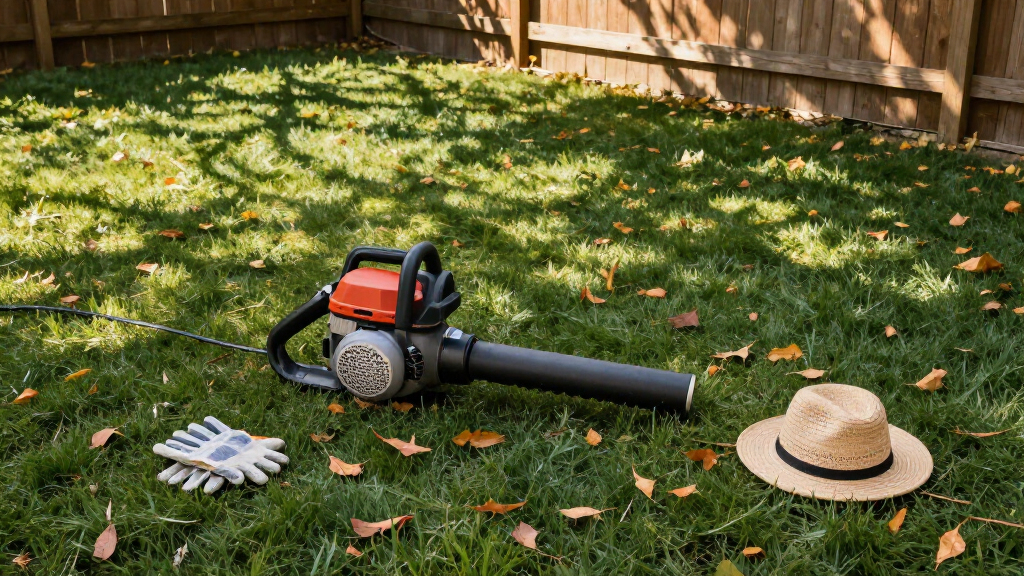

Gas-powered leaf blowers remain the go-to choice when the yard is bigger than a battery can handle, and this comparison covers the full spectrum from featherweight handhelds to 72CC backpack machines. The Husqvarna 150BT earns the top spot for its balance of commercial-grade airflow, a comfortable harness, and brand-backed parts support that budget imports struggle to match. If raw clearing power matters most, the PROYAMA 72CC backpack moves serious debris at a fraction of big-brand prices, while the ECHO PB-2520 is the handheld I’d point casual users toward for its easy starting and dealer network. The core tradeoff in this category is power and runtime versus weight, noise, and fuel mixing — backpacks win on endurance, handhelds win on convenience and storage. Read on for the full breakdown of all 14 models and which one fits your property.

Get business pricing on tools and workshop supplies
- Business-only prices and quantity discounts
- Tax-exempt purchasing
- Multiple users, one account, clear invoices
Complete the kit


Key Takeaways
- Backpack blowers with 63CC–72CC engines (VEVOR, PROYAMA, and the Red 72CC model) dominate on raw CFM, but the Husqvarna 150BT beat them on harness comfort, vibration control, and long-term parts availability despite lower airflow numbers.
- Handheld 25.4CC models from no-name brands and the ECHO PB-2520 share identical spec sheets (432 CFM, 180 MPH), yet build consistency, starting reliability, and warranty support are where the name brand justifies its higher price.
- The 4-cycle SENIX 4QL is the only blower here that skips fuel mixing entirely — a meaningful convenience for beginners, paid for with the lowest MPH figure (125) in the lineup.
- Several budget backpacks (52CC and 63CC options) duplicate one another’s performance at similar prices, so harness quality and anti-vibration mounting, not engine size, should drive the choice between them.
- Snow-clearing claims on the 52CC and 63CC backpack models are realistic only for light, powdery dustings — buyers in heavy-snow regions should size up to a 72CC machine or skip that use case.


| gas-powered leaf blower | Engine | Weight | Power Source | Form Factor |
|---|---|---|---|---|
| VEVOR 63CC Gas Backpack Leaf B | 63CC | — | Gas, 2-cycle | Backpack |
| Husqvarna 150BT Gas Backpack L | 51-cc, 2.16-HP 2-cycle | — | — | Backpack |
| PROYAMA 72CC Gas Backpack Leaf | 72CC, 3.7HP | — | Gas, 2-cycle | Backpack |
| 28 CC Gas Leaf Blower | 28cc, 1.1-HP | — | Gas, 2-stroke | Handheld |
| Lightweight Handheld Gas Leaf | 25.4cc | — | Gas, 2-cycle | Handheld |
| 25.4CC Gas Leaf Blower | 25.4cc 2-cycle gas | 10 lbs | — | — |
| ECHO PB-2520 25.4cc Handheld L | 25.4cc gas | — | — | Handheld |
| SENIX 4QL 26.5cc 4-Cycle Handh | 26.5cc 4-cycle gas | 9.5 lbs | — | — |
| 72CC Gas Leaf Blower | 72CC 2-stroke | 21 lbs | — | — |
| HTK Gas Backpack Leaf Blower | 63CC 2-stroke | 21 lbs | — | — |
| 26cc Gas Leaf Blower | — | 9.4 lbs | Gas powered, 2-cycle | — |
| Backpack Gas Powered Leaf Blow | 63cc, 4.3 HP, 2.7 kW | 19.7 lbs (10 kg) | Gas powered, 2-stroke | — |
| 52cc Backpack Leaf Blower | — | 17 lbs | Gas powered, 2-cycle | — |
| Husqvarna 125B Gas Leaf Blower | 2-cycle, 28cc, 1.1 HP | 9.4 lbs | — | Handheld |
More Details on Our Top Picks
VEVOR 63CC Gas Backpack Leaf Blower, 2-Cycle, 1110 CFM, 220 MPH
Nothing else in this lineup moves air like the VEVOR 63CC — its 1110 CFM rating nearly doubles the Husqvarna 150BT’s 765 CFM, and that raw volume is what matters when you’re pushing wet leaves, gravel grit, or light snow off a driveway. The 1.89L fuel tank buys you roughly an hour of continuous work, longer than most handhelds like the 28CC model, so large clearing sessions don’t get interrupted. The tradeoff is weight: at 26.5 pounds, it’s the heaviest blower here, and the pull-start can be stubborn in cold weather. Compared with the PROYAMA 72CC, the VEVOR trades engine displacement for sheer airflow numbers, making it the better pick when moving volume matters more than concentrated speed.
Pros:- Highest airflow in the lineup at 1110 CFM for wet debris and snow
- 50-60 minute runtime from the 1.89L fuel tank
- Adjustable ergonomic straps spread the weight across the shoulders
- Accessory kit adds versatility for different cleanup tasks
Cons:- Heaviest option here at 26.5 pounds
- Manual pull start can be difficult, especially when cold
Best for: Homeowners in snowy climates or those clearing large driveways and heavy wet debris who need maximum air volume
Not ideal for: Buyers with small suburban lots or limited shoulder strength — 26.5 pounds of backpack gets tiring fast on quick jobs
- Power Source:Gas, 2-cycle
- Engine:63CC
- Form Factor:Backpack
- Air Flow Capacity:1110 CFM
- Maximum Speed:220 MPH
- Fuel Tank Capacity:1.89L
- Runtime:50-60 minutes
- Item Weight:26.5 pounds
Our verdict“This is the pick when volume is the priority — snow, saturated leaves, and big properties — as long as you can carry it.”
Husqvarna 150BT Gas Backpack Leaf Blower, 51-cc 2.16-HP 2-Cycle
The Husqvarna 150BT earns the top spot because it balances power, comfort, and usability better than anything else in this roundup. Its 765 CFM and 270 MPH output won’t match the VEVOR’s brute volume, but the air purge system makes cold starts far less of a fight, and the padded harness with cruise control means you can work an hour without fighting the machine. That dealer-backed brand support also matters: the VEVOR and PROYAMA may out-spec it on paper, but parts availability and build refinement favor Husqvarna. The honest drawbacks are weight and noise — it’s loud even by gas standards, and prolonged sessions still fatigue the shoulders. For most buyers with a half-acre or more, this is the safest all-around choice in the group.
Pros:- Air purge system for reliable, easy starting
- Padded harness and cruise control reduce fatigue over long sessions
- Strong 22 N blowing force handles heavy debris
- Established brand with strong parts and service network
Cons:- Loud even compared with other gas backpack blowers
- Heavy for prolonged single-session use
Best for: Owners of half-acre-plus yards who want professional-grade comfort and reliability without stepping up to commercial pricing
Not ideal for: Noise-sensitive neighborhoods or small patios — a handheld like the Husqvarna 125B would be quieter and easier to store
- Engine:51-cc, 2.16-HP 2-cycle
- Form Factor:Backpack
- Airflow:765 CFM
- Max Wind Speed:270 MPH
- Blowing Force:22 N
- Features:Ergonomic harness, variable speed throttle, cruise control, air purge
Our verdict“The most complete package here — buy it if you want gas backpack power with the fewest frustrations attached.”
PROYAMA 72CC Gas Backpack Leaf Blower
If raw engine muscle is the deciding factor, the PROYAMA 72CC leads this batch with 3.7HP — more displacement than both the VEVOR 63CC and the Husqvarna 150BT’s 51-cc unit. That translates to a 275 MPH airspeed that cuts through matted leaves and slush faster than lower-revving rivals. What makes it more usable than the heavier VEVOR is the shock-absorbing strap design paired with a lighter 21-pound frame, which eases the strain of long clearing sessions. Variable speed throttle and cruise control give it the same fine-tuning as the Husqvarna at a typically lower price. The compromise is refinement: it lacks the polish and service network of Husqvarna, and the plastic construction feels less durable against rough handling. Treat it as a value-priced workhorse rather than a lifetime tool.
Pros:- Most powerful engine in the roundup at 72CC / 3.7HP
- 275 MPH airspeed clears matted and wet debris quickly
- Shock-absorbing straps and lighter 21-pound frame reduce fatigue
- Variable speed throttle with cruise control for controlled work
Cons:- Plastic-heavy build feels less durable than brand-name rivals
- Bulky frame is awkward in tight spaces; ongoing gas maintenance required
Best for: Value-focused owners of large rural properties who want near-commercial engine output without brand-name pricing
Not ideal for: Buyers who prioritize long-term serviceability and dealer support — Husqvarna is the safer bet there
- Power Source:Gas, 2-cycle
- Engine:72CC, 3.7HP
- Form Factor:Backpack
- Airflow:880 CFM
- Max Air Speed:275 MPH
- Item Weight:21 pounds
- Item Dimensions:18″L x 14.5″W x 22″H
Our verdict“Big-engine performance at a working price — ideal for large lots where power per dollar wins over brand pedigree.”
28 CC Gas Leaf Blower, 490 CFM 280 MPH, 1.1-HP 2-Stroke
Most handheld gas blowers trade output for portability, but this 28CC model pushes back with 280 MPH airspeed — faster than any backpack in this roundup — and 490 CFM, well above the lightweight 25.4CC handheld’s 432 CFM. That concentrated speed makes it surprisingly capable on stuck-down leaves and gutter debris, where a narrow fast airstream beats sheer volume. The 0.65L tank claims a long 160-minute runtime at moderate throttle, so mid-size lawns are realistic without refueling. Where it loses ground is comfort: at 11.5 pounds held in one hand, it’s heavier than it looks on paper, and sustained sessions will tire your arm far faster than a padded backpack like the Husqvarna 150BT. Fuel mixing is also part of the deal, as with any 2-stroke here. It’s the bridge between handheld convenience and serious clearing power.
Pros:- 280 MPH airspeed outpaces every backpack model in this roundup
- 490 CFM is strong for the handheld class
- Long claimed runtime of up to 160 minutes on a single tank
- Compact and easy to store compared with backpack units
Cons:- 11.5 pounds is heavy for single-handed use over long sessions
- Requires 2-stroke fuel mixing and routine maintenance
Best for: Suburban homeowners who want backpack-class airspeed without strapping on a machine for every job
Not ideal for: Anyone with an acre or more of heavy leaf cover — one-handed operation gets fatiguing long before the yard is done
- Power Source:Gas, 2-stroke
- Engine:28cc, 1.1-HP
- Form Factor:Handheld
- Max Air Speed:280 MPH
- Max Air Volume:490 CFM
- Fuel Capacity:0.65L
- Runtime:Up to 160 minutes
- Item Weight:11.5 pounds
Our verdict“The strongest handheld option in this batch — pick it when you need serious airspeed but not a backpack commitment.”
Lightweight Handheld Gas Leaf Blower, 25.4CC 2-Cycle Engine, 432 CFM 180 MPH
At just under 10 pounds, this 25.4CC handheld is the easiest blower in the roundup to grab for a quick cleanup, and its low-vibration design makes one-handed sweeping of a patio or walkway genuinely comfortable. Its 3,000-cycle reliability testing suggests decent durability for the price tier, something budget handhelds often skip. The obvious sacrifice is power: 432 CFM and 180 MPH put it well behind the 28CC handheld’s 490 CFM and 280 MPH, so wet or packed leaves will demand patience. It’s also worth noting the lack of CARB certification, which rules it out entirely for California buyers — the ECHO PB-2520 with the same displacement is the smarter substitute there. For everyone else with light, dry debris and modest space, this is the cheapest competent gas option in the lineup.
Pros:- Lightest blower in the roundup at under 10 pounds
- Low-vibration design enables comfortable one-handed use
- Tested to over 3,000 reliability cycles for budget-tier durability
- Most affordable entry into gas-powered cleanup
Cons:- Not CARB certified — cannot ship to or be sold in California
- 432 CFM and 180 MPH struggle with wet or compacted debris
Best for: Budget-minded buyers with small yards or patios who need occasional gas power for dry leaves and light debris
Not ideal for: California residents (not CARB certified) and anyone dealing with wet, heavy leaf cover that demands more CFM
- Power Source:Gas, 2-cycle
- Engine:25.4cc
- Form Factor:Handheld
- Airflow:432 CFM
- Air Speed:180 MPH
- Item Weight:9.9 pounds
- Start Type:Pull start
- Vibration:Low-vibration design
Our verdict“The cheapest way into gas power here — a sensible quick-cleanup tool for light debris, provided you don’t live in California.”
25.4CC Gas Leaf Blower, Handheld 2-Cycle Blower, 432 CFM & 180 MPH
This no-name handheld punches above its price, and that’s the whole story here. 432 CFM at 180 MPH puts it ahead of the ECHO PB-2520 in raw output, while the 10-pound low-vibration body keeps it usable for longer sessions than you’d expect from a budget 2-cycle. A quick 10-second start also spares you the arm-straining yank fest that cheap gas blowers are known for.
The tradeoff is familiar: you’re betting on an unproven brand with a thinner support network than ECHO’s dealer-backed reputation, and the 25:1 fuel mix means measuring oil every refill. Compared with the SENIX 4QL below, you give up the no-mix 4-cycle convenience but gain airflow.
Pros:- Airflow (432 CFM) beats more expensive handhelds like the ECHO PB-2520
- Low-vibration design reduces hand fatigue during longer jobs
- Starts in about 10 seconds with minimal pulling
- Lightest-duty fatigue load at 10 lbs for a gas handheld
Cons:- Unbranded product with uncertain long-term parts and service support
- Requires 25:1 gas-oil mixing at every refuel
- Not built for commercial or heavy daily use
Best for: Homeowners with small to mid-size yards who want gas power without brand-name pricing
Not ideal for: Buyers who value long-term warranty support or hate mixing fuel — an established brand or a 4-cycle model serves them better
- Engine:25.4cc 2-cycle gas
- Airflow:432 CFM
- Airspeed:180 MPH
- Weight:10 lbs
- Fuel Mix Ratio:25:1
- Start-up:Starts in ~10 seconds
Our verdict“A sensible gamble for casual yard work where airflow-per-dollar matters more than brand pedigree.”
ECHO PB-2520 25.4cc Handheld Leaf Blower
Sometimes the spec sheet isn’t the whole story. The ECHO PB-2520 matches the budget 25.4CC handheld’s engine size but backs it with ECHO’s dealer network, 5-year consumer warranty, and proven durability — things no unbranded rival can offer. For buyers who plan to keep a blower for a decade rather than a season, that support structure is worth real money.
The compromise is straightforward: you’ll likely pay more per CFM than the SENIX 4QL or the generic 432 CFM option, and you’re still hauling a fuel can. But compared with those cheaper alternatives, this model is better suited to someone who wants a tool that survives neglect rather than a bargain that might not.
Pros:- ECHO’s 5-year consumer warranty and national dealer network
- 25.4cc professional-grade engine with a long service life
- Compact, maneuverable housing for tight spaces and flower beds
Cons:- Higher price than comparable-output generic handhelds
- 2-cycle engine still requires fuel mixing
- Listed specs are sparse, making output comparison harder before purchase
Best for: Buyers who prioritize warranty coverage, dealer service, and resale value over lowest price
Not ideal for: Deal hunters chasing maximum airflow per dollar — generic options undercut it significantly on specs-per-price
- Engine:25.4cc gas
- Form Factor:Handheld
- Warranty:5-year consumer (brand standard)
- Dimensions:19″L x 17″W x 12″H
- Weight Class:Lightweight handheld
Our verdict“Pay a little more upfront for a handheld you won’t have to replace — ideal for set-it-and-forget-it owners.”
SENIX 4QL 26.5cc 4-Cycle Handheld Gas Leaf Blower, Up to 410 CFM & 125 MPH
The SENIX 4QL solves the single most annoying thing about gas handhelds: no fuel mixing. Its 4-cycle engine runs on straight gas, which means no measuring bottles, no fouled plugs from a bad ratio — the exact chore you’d face with the 25.4CC budget blower and both backpack models here. At 9.5 lbs, it’s also the lightest full-power option in this group, and the dual grip handle makes one-handed direction changes easier than the ECHO’s single-tube layout.
The honest cost is airspeed: 125 MPH is the slowest in the lineup, so wet, matted leaves give it trouble that the 180 MPH handhelds shrug off. The low-emission engine is a plus where it’s sold — but California buyers can’t get it at all.
Pros:- 4-cycle engine eliminates 2-cycle fuel mixing entirely
- Lightest weight in this group at 9.5 lbs with a dual grip handle
- Low-emission engine that starts easily
- Quieter operation at 71 dB for a gas model
Cons:- 125 MPH airspeed trails 2-cycle rivals by 50+ MPH on stubborn debris
- Not available in California
- Still requires gas and periodic oil changes typical of 4-cycle engines
Best for: Suburban homeowners who want gas convenience without premix hassles and mostly clear dry leaves and grass clippings
Not ideal for: Anyone dealing with wet, heavy leaf piles — the low airspeed stalls out where 2-cycle models power through
- Engine:26.5cc 4-cycle gas
- Airflow:410 m³/h
- Max Airspeed:125 MPH
- Weight:9.5 lbs
- Noise Level:71 dB
- Dimensions:36.6″L x 13.3″W x 10.2″H
Our verdict“The easiest gas handheld to live with day-to-day, as long as your debris is dry and your state isn’t California.”
72CC Gas Leaf Blower, 760 CFM, 235 MPH, Backpack, 2-Stroke, Variable Speed, Cruise Control
When a handheld isn’t cutting it, this is the escalation. The 72CC engine pushing 760 CFM at 235 MPH nearly doubles the output of the SENIX or ECHO handhelds, and it edges out the HTK 63CC backpack in both airflow and speed — the difference between herding leaves and blasting them across a half-acre. The 1.8L fuel tank plus cruise control means you can lock a steady output and work through large properties without constant throttle hand pressure.
The tradeoffs are real: 21 lbs on your back, the usual 25:1 mixing routine, and a price and bulk that make no sense for a patio-only buyer. Compared with the HTK, you accept more weight and noise for meaningfully more clearing power.
Pros:- Class-leading 760 CFM and 235 MPH clears wet leaves and light snow
- Cruise control plus variable speed prevents throttle-hand fatigue
- 1.8L tank delivers longer run times between refuels
- Backpack frame spreads the load for extended sessions
Cons:- 21 lbs is tiring for smaller or less physically conditioned users
- Requires 25:1 fuel mixing at every fill-up
- Sparse accessory bundle and limited brand support network
Best for: Owners of large properties or part-time landscaping work who need maximum sustained clearing power
Not ideal for: Small-yard homeowners — the weight, fuel consumption, and cost are wasted on jobs a 10-lb handheld finishes faster
- Engine:72CC 2-stroke
- Airflow:760 CFM
- Max Airspeed:235 MPH
- Weight:21 lbs
- Fuel Tank Capacity:1.8L
- Fuel Mix Ratio:25:1
- Controls:Variable speed with cruise control
Our verdict“The most powerful option in this batch — buy it only if your property actually demands that output.”
HTK Gas Backpack Leaf Blower, 63CC 2-Stroke, 665 CFM, Max 205 MPH
This option stands out as the middle path between handheld limits and the 72CC monster’s excess. Its 665 CFM and 205 MPH comfortably out-clear any handheld here — the SENIX 4QL’s 125 MPH isn’t in the same conversation — while staying a step below the 72CC backpack’s fuel appetite and noise. The 71 dB rating is genuinely quiet for the class, and the padded harness with variable speed and cruise control makes hour-long sessions manageable where a handheld would wreck your wrists.
It still carries the backpack tax: 21 lbs on your back and 2-stroke maintenance. Compared with the 72CC model, you trade roughly 100 CFM for a calmer machine that’s easier to store and live next to — a fair swap for most residential buyers.
Pros:- 665 CFM handles large residential properties efficiently
- 71 dB noise level is low for a gas backpack blower
- Padded harness plus cruise control keeps long sessions comfortable
- Easy start-up for a 2-stroke of this size
Cons:- 21 lbs is heavy for casual or occasional users
- 2-stroke maintenance and fuel mixing are ongoing chores
- Loud compared with any electric or 4-cycle alternative
Best for: Homeowners with half-acre-plus yards who need backpack power but not commercial output
Not ideal for: Buyers with small lawns or limited storage — the size and weight never pay off at that scale
- Engine:63CC 2-stroke
- Airflow:665 CFM
- Max Airspeed:205 MPH
- Weight:21 lbs
- Noise Level:71 dB
- Controls:Variable speed with cruise control
- Returns:30-day guarantee
Our verdict“The smart compromise for big residential yards — near-commercial power without the full commercial footprint.”
26cc Gas Leaf Blower, 380 CFM 180 MPH Handheld 2-Cycle
Buyers on a tight budget usually face a choice between underpowered electric units and overpriced name-brand handhelds, and this 26cc model lands in the sensible middle. At 380 CFM and 180 MPH, it clears a standard suburban patio or driveway, though it lacks the muscle of the Husqvarna 125B’s 470 CFM when leaves are wet or matted. Where it earns its spot is comfort per dollar: the anti-vibration handles and 9.4-pound weight make it noticeably easier to wield than the 17-pound 52cc backpack blower elsewhere in this roundup. The translucent fuel tank is a small but genuinely useful touch for a first gas machine.
The tradeoff is ceiling. Anyone with a half-acre of oak canopy will outgrow it quickly, and there’s no battery fallback for noise-sensitive neighborhoods.
Pros:- Very affordable entry point into gas-powered blowers
- At 9.4 pounds with anti-vibration handles, it’s gentle on arms and shoulders
- Low 65 dB rating makes it one of the quietest gas options available
- Translucent fuel tank takes the guesswork out of refueling
Cons:- Airflow is modest compared with the 470 CFM Husqvarna 125B
- Struggles with anything beyond light debris and dusting snow
- No electric or battery alternative for gas-averse buyers
Best for: First-time gas blower owners with small to mid-size yards who want an affordable, lightweight starter machine
Not ideal for: Homeowners with large lots or heavy leaf fall — the 380 CFM output will turn big jobs into long, frustrating sessions
- Power Source:Gas powered, 2-cycle
- Engine Displacement:26cc
- Air Flow:380 CFM
- Max Air Speed:180 MPH
- Noise Level:65 dB
- Weight:9.4 lbs
- Dimensions:22″L x 7.9″W x 12″H
- Features:Adjustable speed, anti-vibration, overload protection
Our verdict“A smart, low-risk first gas blower for small yards where price and comfort matter more than raw clearing power.”
Backpack Gas Powered Leaf Blower, 2.7kW, 850 CFM, 63CC, 4.3HP, 2-Stroke
This 63cc backpack blower delivers commercial-grade airflow at a budget price, and that combination alone justifies its place here. At 850 CFM, it out-moves the 52cc 550 CFM backpack model by a wide margin and approaches the output of pricier units like the Husqvarna 150BT without the brand premium. The 0.47-gallon tank means fewer refueling interruptions on long jobs, and the adjustable airflow direction helps when moving leaves along fences or into piles. Compared with the handheld 26cc budget pick, the harness shifts weight off your arms entirely — a real difference after an hour of work.
The catch is the price of cheap power: 101 dB of noise demands hearing protection, nearly 20 pounds of machine tests cheap straps, and the off-brand engine will likely need more tinkering than a Husqvarna.
Pros:- 850 CFM airflow rivals blowers costing considerably more
- 0.47-gallon fuel tank supports long work sessions
- Backpack harness design reduces arm fatigue versus handhelds
- Adjustable airflow direction adds precision for detailed cleanup
Cons:- 101 dB noise level is among the loudest in this roundup
- At 19.7 lbs, budget harness padding may fatigue shoulders over long sessions
- Unknown brand means less predictable long-term reliability and parts support
Best for: Value-focused buyers with large properties who want near-commercial airflow without paying brand-name prices
Not ideal for: Suburban buyers in noise-sensitive neighborhoods or anyone unwilling to wear hearing protection and perform regular engine maintenance
- Power Source:Gas powered, 2-stroke
- Engine:63cc, 4.3 HP, 2.7 kW
- Air Flow:850 CFM
- Max Air Speed:210 MPH
- Engine Speed:6800 RPM max
- Fuel Tank:0.47 gallons
- Noise Level:101 dB
- Weight:19.7 lbs (10 kg)
Our verdict“The most airflow per dollar in this lineup, best suited to rural properties where noise and brand pedigree matter less than raw clearing power.”
52cc Backpack Leaf Blower – Gas Powered, 550 CFM, 230 MPH
This 52cc model occupies the sensible middle ground between overpowered and underpowered. Its 230 MPH airspeed actually beats the 63cc 850 CFM backpack blower’s 210 MPH figure, which matters for dislodging wet, packed leaves even though total volume is lower. At 17 pounds with a low-vibration harness, it’s easier on the body than the 19.7-pound 63cc unit, and its 78 dB rating is dramatically friendlier than that machine’s 101 dB — a genuine advantage if neighbors are close. Compared with the Husqvarna 125B handheld, it trades grab-and-go convenience for sustained comfort over larger areas.
The compromise is capacity: buyers with heavy annual leaf fall may find 550 CFM leaves them working longer than the big-engine alternatives, and it still carries the usual 2-cycle fuel-mixing routine.
Pros:- 230 MPH airspeed handles wet and matted leaves effectively
- Low-vibration harness keeps 17-pound load manageable over long sessions
- 78 dB noise rating is far quieter than comparable backpack blowers
- Versatile across leaves, debris, and light snow in all seasons
Cons:- 550 CFM total volume trails the 850 CFM budget backpack option
- Heavier and less maneuverable than handheld picks like the Husqvarna 125B
- Requires 2-cycle fuel mixing and ongoing engine maintenance
Best for: Homeowners with mid-size yards who want backpack comfort and strong airspeed at a moderate price
Not ideal for: Property owners with acreage or dense tree cover who need the higher volume of a 63cc+ machine
- Power Source:Gas powered, 2-cycle
- Engine Displacement:52cc
- Air Flow:550 CFM
- Max Air Speed:230 MPH
- Noise Level:78 dB
- Weight:17 lbs
- Features:Adjustable speed, low-vibration harness
Our verdict“A balanced backpack pick for homeowners who want strong airspeed and reasonable noise levels without stepping up to a big-bore engine.”
Husqvarna 125B Gas Leaf Blower, Handheld
The 125B is the trusted-name choice in the handheld category, and that reputation is earned through details budget models skip. The air purge starting system removes the flood-and-retry frustration common with cheaper 2-cycle engines like the 26cc budget pick, while cruise control lets you lock a speed instead of squeezing a trigger for an hour. Its 470 CFM output leads the handheld field in this roundup, edging out the 432 CFM lightweight handhelds and well past the budget unit’s 380 CFM. The adjustable blowing tube and auto return stop switch show the refinement of an established brand, as does dealer-supported parts availability.
The honest limitation is scope: this is a light-duty machine. Buyers with serious acreage should move up to the 52cc backpack or Husqvarna’s own 150BT, and the price premium buys durability rather than raw power.
Pros:- 470 CFM is class-leading output among handhelds in this roundup
- Air purge system makes cold starts consistently easy
- Cruise control and adjustable tube reduce hand and wrist strain
- Husqvarna’s dealer network and parts availability support long-term ownership
Cons:- Priced well above comparable generic handhelds
- Light-duty rating limits it to smaller yards and routine cleanup
- Still requires the fueling, mixing, and maintenance of any gas machine
Best for: Homeowners who want a reliable, easy-starting handheld from a major brand with strong dealer and parts support
Not ideal for: Buyers with large properties or heavy leaf loads — a handheld form factor caps how much work this can absorb per session
- Engine:2-cycle, 28cc, 1.1 HP
- Air Flow:470 CFM
- Max Wind Speed:170 MPH
- Blowing Force:12.5 N
- Weight:9.4 lbs
- Form Factor:Handheld
- Features:Air purge, adjustable blowing tube, cruise control, auto return stop switch
Our verdict“The handheld pick for buyers who value easy starts and brand reliability over the lowest possible price — as long as the yard stays modest in size.”

How We Picked
I evaluated each blower against the factors that actually decide whether a gas machine is pleasant to own or a garage-dwelling regret: airflow and velocity together (CFM moves leaf volume, MPH moves wet, matted debris), starting reliability, weight and harness design for anything worn on the back, vibration and noise, and long-term support including parts availability and warranty service. Where possible, I weighed owner feedback patterns — hard starting after storage, strap failure, and carburetor issues on cheap imports — rather than spec sheets alone, because a 72CC engine that won’t start in November is worth less than a 51CC one that fires on the second pull.
The ranking favors a progression of buyer needs rather than raw power. Established brands like Husqvarna and ECHO rank high because dealer networks and replacement parts stretch their useful life well past what bargain 2-strokes typically manage. Value-priced backpacks rank based on how well they mitigate the classic cheap-import weaknesses — flimsy harnesses, vague assembly instructions, and mixed quality control. Handhelds are judged against a different standard entirely: for small yards, a light, easy-starting machine beats a heavier one with marginally better numbers.
| gas-powered leaf blower | Power Source | Form Factor |
|---|---|---|
| VEVOR 63CC Gas Backpack Leaf B | Gas, 2-cycle | Backpack |
| Husqvarna 150BT Gas Backpack L | — | Backpack |
| PROYAMA 72CC Gas Backpack Leaf | Gas, 2-cycle | Backpack |
| 28 CC Gas Leaf Blower | Gas, 2-stroke | Handheld |
| Lightweight Handheld Gas Leaf | Gas, 2-cycle | Handheld |
| 25.4CC Gas Leaf Blower | — | — |
| ECHO PB-2520 25.4cc Handheld L | — | Handheld |
| SENIX 4QL 26.5cc 4-Cycle Handh | — | — |
| 72CC Gas Leaf Blower | — | — |
| HTK Gas Backpack Leaf Blower | — | — |
| 26cc Gas Leaf Blower | Gas powered, 2-cycle | — |
| Backpack Gas Powered Leaf Blow | Gas powered, 2-stroke | — |
| 52cc Backpack Leaf Blower | Gas powered, 2-cycle | — |
| Husqvarna 125B Gas Leaf Blower | — | Handheld |
Factors to Consider When Choosing Gas-powered Leaf Blowers
Choosing between gas-powered leaf blowers comes down to matching engine class and form factor to your property, your shoulders, and your tolerance for maintenance. These are the factors that separated the winners from the also-rans in this comparison.Backpack or Handheld: Match the Format to Your Acreage
The single biggest decision is form factor, and it should be driven by how long you’ll actually run the machine. Handheld gas blowers in the 25–28CC range suit properties under half an acre where clearing sessions run 15–30 minutes; beyond that, arm fatigue sets in fast regardless of the low-vibration claims on the box. Backpack models shift the load to your hips and shoulders, making hour-long sessions realistic — but they cost more, take more storage space, and are overkill for a suburban lawn with a few flower beds. A common mistake is buying a backpack for prestige rather than need, then fighting a cold-start ritual for a job a handheld finishes in ten minutes. Conversely, anyone with a half-acre-plus of oak canopy will regret saving money on a handheld within the first leaf-fall weekend.
CFM vs. MPH: Read Both Numbers or Get Fooled
Manufacturers love advertising whichever figure looks bigger, but the two specs do different jobs. CFM (cubic feet per minute) measures volume — how many leaves you can push at once — while MPH measures velocity, which determines whether you can lift wet, matted leaves or packed debris out of gravel. The SENIX 4QL illustrates the trap: a healthy 410 CFM sounds impressive until you see its 125 MPH rating, meaning it sweeps loose dry leaves well but struggles with anything damp. As a rule of thumb for this category, handhelds below 180 MPH and backpacks below 200 MPH will frustrate anyone dealing with wet autumn leaves. When a listing only shows one number, treat that as a warning sign in itself.
2-Cycle vs. 4-Cycle Engines
Nearly everything in this roundup is a 2-cycle (two-stroke) engine, which means mixing oil into the gas at a specific ratio — usually 40:1 or 50:1 — every time you refuel. Get the ratio wrong and you’re either fouling spark plugs or destroying the engine, and stale pre-mix is the number-one cause of the hard-starting complaints that plague budget blowers. The 4-cycle SENIX eliminates mixing entirely and runs on straight gas, at the cost of extra weight and the lowest velocity in this lineup. My practical advice: if you’ll use the blower at least monthly, a 2-cycle is fine and lighter; if it sits idle from spring through September, either buy the 4-cycle or commit to draining fuel and running the carburetor dry before storage. Fuel stabilizer is cheaper than a carburetor rebuild, and premixed canned fuel is cheaper than either.
Harness, Weight, and Vibration: The Comfort Tax
On backpack blowers, the harness matters as much as the engine. The price gap between a Husqvarna 150BT and a generic 63CC import isn’t mostly about the motor — it’s about padded, adjustable hip belts that transfer weight properly versus thin straps that dig into shoulders within twenty minutes. Vibration is the hidden comfort killer: engines mounted with proper anti-vibration isolation let you work longer with less numbness in your hands, while rigid mounts transmit every combustion pulse into your arms. Check whether the harness is replaceable, too, because straps fail before engines do on cheap units. If two backpacks have similar CFM, the one with the better back frame is almost always the better buy.
Parts, Warranty, and the Cheap-Import Gamble
Every gas blower in the budget tier — VEVOR, PROYAMA, HTK, and the unbranded models — carries the same structural risk: parts availability. When a carburetor or ignition module fails in year two (and on 2-strokes, it often does), name brands like Husqvarna and ECHO have dealer networks, exploded parts diagrams, and inexpensive OEM components. Generic imports frequently mean hunting eBay for a ‘fits most 63CC Chinese engines’ carburetor and hoping the gaskets align. That doesn’t make budget blowers a bad buy — the performance-per-dollar is genuinely strong — but it makes them a calculated bet best suited to buyers comfortable doing their own small-engine repairs. If you’re not that person, spending 50–100% more upfront is really an insurance premium.
Noise Ordinances and Where You Live
Gas blowers are loud — typically 70–90+ decibels — and a growing number of municipalities restrict or ban them outright, especially 2-cycle models. Before buying anything in this category, check your local ordinances, because a $400 backpack you can’t legally run on a Saturday morning is worth nothing. Some listings advertise ‘low noise,’ and a few of the backpacks here genuinely run quieter than average, but none approach electric levels. If you have close neighbors, favor models with quieter tuning, work mid-day rather than early morning, and accept that this is the category’s unavoidable tradeoff for unlimited runtime and gas-station refueling. Buyers in regulated areas may be better served by a battery platform altogether.
Frequently Asked Questions
Is a bigger CC engine always better for a leaf blower?
No, and this roundup proves it. Engine displacement (CC) roughly predicts airflow potential, but design quality determines how much of that potential reaches the nozzle — the Husqvarna 150BT’s 51CC engine moves leaves nearly as effectively as some 63CC imports because of better fan and housing engineering. Bigger engines also mean more weight, more fuel burn, more vibration, and harder starting, all of which matter if you’re using the blower for an hour at a stretch. For properties under an acre, a well-designed 50–52CC backpack is often the sweet spot. Step up to 63–72CC only when you’re moving wet leaves, pine needles, or gravel-area debris at scale.
Why does my gas leaf blower get harder to start after sitting all summer?
Almost always fuel. Two-cycle engines run on gas-oil mix that degrades within 30–60 days, and as it evaporates it leaves varnish inside the carburetor’s tiny jets, restricting fuel flow. The preventive fix is simple: run the tank dry at the end of the season, or fill with fuel stabilizer-treated mix before storage. Canned pre-mixed fuel (like TruFuel) solves the problem completely for occasional users, though it costs more per gallon. If the blower already won’t start, a carburetor cleaning or a $15–25 replacement carb usually restores it — this is the most common repair in the entire category and the reason parts availability matters when choosing a brand.
Are cheap backpack leaf blowers from VEVOR or PROYAMA worth buying?
They can be, if your expectations are calibrated. On paper, a $170–230 PROYAMA or VEVOR backpack delivers CFM figures that name brands charge $350+ for, and many owners get years of reliable service from them. The tradeoffs are real, though: quality control is inconsistent (some units start easily, some need adjustments out of the box), instructions are often poorly translated, harnesses are less comfortable for long sessions, and finding replacement parts can turn into a scavenger hunt. If you’re mechanically inclined and want maximum power per dollar, they’re a smart gamble. If you want to buy once and never think about it, the Husqvarna premium buys peace of mind.
Can I really use a gas leaf blower for snow removal?
Light snow only, and the listings that claim it are stretching. A high-CFM backpack blower handles dry, powdery dustings up to an inch or two on driveways, decks, and steps reasonably well — several models in this roundup (the 52CC and 63CC backpacks) explicitly advertise this, and it works as described in those conditions. Wet, heavy, or packed snow is beyond any leaf blower, and expecting more leads to disappointment and possible engine strain from prolonged high-RPM work in cold, dense air. Think of snow capability as a bonus feature for early-season flurries, not a reason to buy. If winter clearing is a real need, a snow blower is the correct tool.
What’s the right mix ratio, and can I use the same fuel as my other equipment?
Most 2-cycle blowers in this roundup call for either 40:1 or 50:1 oil-to-gas ratios, and the correct one is printed in each manual — check before the first fill, because running 50:1 mix in an engine designed for 40:1 means marginally less lubrication under load. You cannot share fuel with 4-cycle equipment like the SENIX 4QL, which runs on straight gas; putting mix in a 4-cycle just makes it smoke, and putting straight gas in a 2-cycle destroys it quickly. The simplest systems approach is a dedicated fuel can labeled for your mix ratio, or switching to canned pre-mix if you only burn a few gallons a season. Never mix fuel in the blower’s tank itself — always premix in a proper container so the oil distributes evenly.
Conclusion
After comparing all 14 machines, the right choice depends less on spec sheets than on how you’ll actually use it. Best overall goes to the Husqvarna 150BT — its combination of strong airflow, a genuinely comfortable harness, and unmatched parts support makes it the pick for owners who want a decade of service, not a season. Best premium honors go to the PROYAMA 72CC for buyers who need maximum debris-moving authority, while the VEVOR 63CC at 1110 CFM is the standout if moving the most leaves for the least money is the mission. Best value overall is the ECHO PB-2520: it costs more than generic 25.4CC handhelds but starts reliably and carries dealer support the clones can’t match. For beginners, the SENIX 4QL removes the fuel-mixing learning curve entirely, making it the most forgiving entry into gas power. Small-yard owners on a strict budget can grab the 26CC handheld and be perfectly happy, and half-acre-plus properties with heavy leaf drop should skip straight to the backpack tier — the 52CC model is the sensible entry point there. Whatever you choose, budget for fresh fuel, a stabilizer, and ear protection; those three habits determine whether any gas blower in this category stays a pleasure to use.
Fall Picks
fall essentials
As an affiliate, we earn on qualifying purchases.