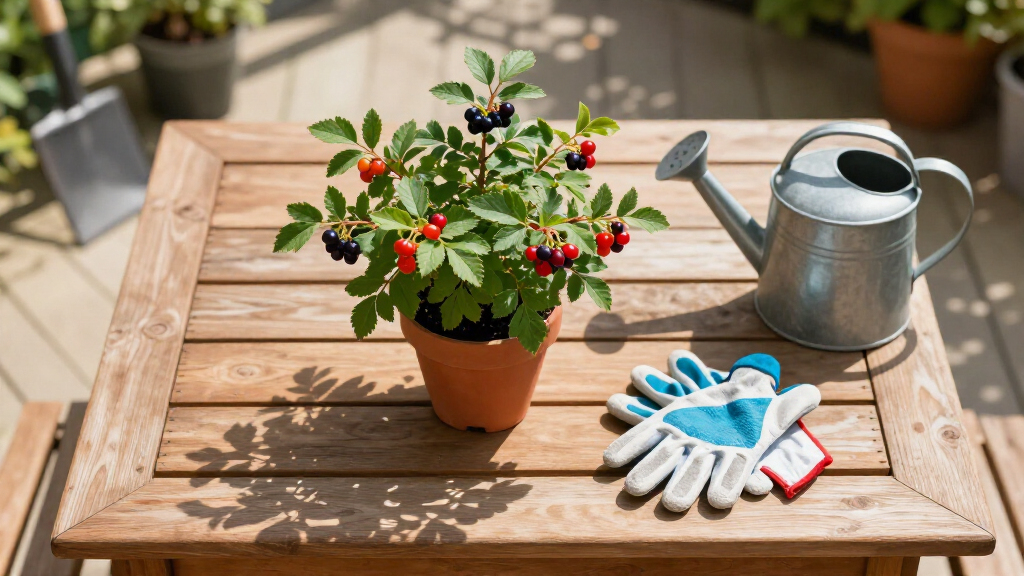

When searching for the best berry-producing shrubs, the key factors are yield, ease of growth, and fruit quality. The Black Elderberry Plant stands out as the best overall thanks to its versatile uses and robust growth. For those seeking high yields with minimal fuss, the Blue Haskap Honeyberry Plant offers excellent cold hardiness and early harvests. Meanwhile, the Bushel and Berry Pink Icing Blueberry Shrub provides a delicious fruit with attractive foliage. However, tradeoffs include differences in climate suitability, maintenance needs, and fruit flavor. Keep reading for a full breakdown of these options and how to choose the right shrub for your garden.

Get business pricing on tools and workshop supplies
- Business-only prices and quantity discounts
- Tax-exempt purchasing
- Multiple users, one account, clear invoices
Complete the kit


Key Takeaways
- Top-ranked berries combine high yield potential with ease of growth in various climates.
- Hardiness varies significantly; choose shrubs suited to your USDA zone to avoid disappointment.
- Flavor and fruit size differ, impacting suitability for fresh eating versus cooking or preserves.
- Many top picks are sold as live plants, so early planting and proper care are essential for success.
- Price and planting requirements vary; balancing initial investment with long-term productivity is key.
| Black Elderberry Plant Live, Well-Rooted Berry Shrub, 6-8 Inches Tall |  | Best for Versatile Landscaping and Hardy Outdoors | Plant Height: 6-8 inches | USDA Hardiness Zone: 3-9 | Usage: Outdoor, Sun | VIEW LATEST PRICE | See Our Full Breakdown |
| Black Currant Bush Live Plant, Hardy Fruiting Berry Bushes, 1 Year Old |  | Best for Small Gardens and Edible Landscapes | Plant Size: 5-9 inches tall | Plant Type: Black Currant Bush | Age: 1 year old | VIEW LATEST PRICE | See Our Full Breakdown |
| Perfect Plants Apache Thornless BlackBerry Bush, 1 Gallon, Live Plant |  | Best for Early Harvest and Warm Climates | Type: Blackberry Bush | Size: 1 Gallon | Growth Zone: 6-9 | VIEW LATEST PRICE | See Our Full Breakdown |
| Saskatoon Serviceberry Bush Plants – Amelanchier alnifolia – Edible Berry Shrubs for Garden, Pollinator-Friendly, White Flowers (2 Plants) |  | Best for Aesthetic Appeal and Multi-Season Interest | Plant Type: Deciduous shrub | Fruits: Purple, blueberry-like berries | Flowers: White in spring | VIEW LATEST PRICE | See Our Full Breakdown |
| Blue Haskap Honeyberry Plant, Cold Hardy Berry Bush, 6-8 Inch Tall |  | Best for Cold Climates and Versatile Growing Options | Growth Height: 3-5 ft | Sunlight: Full sun or light partial shade | Soil: Well-draining | VIEW LATEST PRICE | See Our Full Breakdown |
| Cold Hardy Honeyberry (Haskap) Plant – Aurora Variety, 6-12 inches Tall |  | Best for Cold Climates and Early Growth | Plant Type: Honeyberry (Haskap) | Variety: Aurora | Height: 6-12 inches | VIEW LATEST PRICE | See Our Full Breakdown |
| Bushel and Berry Pink Icing Blueberry Shrub, #2 Size Container |  | Best for Decorative Appeal and Large Berries | Plant Type: Blueberry Shrub | Foliage Color: Pink in spring, blue-green in winter | Container Size: #2 (2-Gallon) | VIEW LATEST PRICE | See Our Full Breakdown |
| 3 Red Currant Live Bare Root Plants (Ribes rubrum) |  | Best for Early-Season Tart Berries and Pollinator Support | Plant Type: Bare Root Red Currant Plants | Quantity: 3 plants | Hardiness Zones: 3-8 | VIEW LATEST PRICE | See Our Full Breakdown |
| 4 Serviceberry Live Plants Bundle – Saskatoon and Downy Serviceberry Shrubs – Edible Berry Bushes for Outdoor Planting |  | Best for Biodiversity and Wildlife Gardens | Number of Plants: 4 | Types: Saskatoon, Downy Serviceberry | Sunlight Exposure: Full Sun | VIEW LATEST PRICE | See Our Full Breakdown |
| Jostaberry Shrub – 6-12″ Tall Live Plant |  | Best for Compact Spaces and Unique Flavor | Height: 6-12 inches | Type: Live Plant | Plant Type: Shrub | VIEW LATEST PRICE | See Our Full Breakdown |
| American Beautyberry – 1 Gallon Pot – Callicarpa dichotoma, Callicarpa americana, Callicarpa japonica |  | Best Wildlife Attractor | Size: 1 Gallon | Zones: 6-10 | Sunlight: Full to partial sun | VIEW LATEST PRICE | See Our Full Breakdown |
| 50 Saskatoon Serviceberry Seeds for Planting – Edible Berry Shrub with White Flowers and Fall Color |  | Best for Edible and Ornamental Value | Quantity: 50 Seeds | Plant Type: Deciduous shrub | Fruit Color: Purple-blue | VIEW LATEST PRICE | See Our Full Breakdown |
| Southern Living 2 Gal. Blueberry Hello Darlin Shrub |  | Best for Large-Scale Blueberry Production | USDA Hardiness Zone: 7-9 | Expected Plant Height: 4-5 feet | Soil Type: Sandy Soil | VIEW LATEST PRICE | See Our Full Breakdown |
| berry-producing shrub | Plant Type |
|---|---|
| Black Elderberry Plant Live | — |
| Black Currant Bush Live Plant | Black Currant Bush |
| Perfect Plants Apache Thornles | — |
| Saskatoon Serviceberry Bush Pl | Deciduous shrub |
| Blue Haskap Honeyberry Plant | — |
| Cold Hardy Honeyberry | Honeyberry (Haskap) |
| Bushel and Berry Pink Icing Bl | Blueberry Shrub |
| 3 Red Currant Live Bare Root P | Bare Root Red Currant Plants |
| 4 Serviceberry Live Plants Bun | — |
| Jostaberry Shrub | Shrub |
| American Beautyberry | — |
| 50 Saskatoon Serviceberry Seed | Deciduous shrub |
| Southern Living 2 Gal. Blueber | — |
More Details on Our Top Picks
Black Elderberry Plant Live, Well-Rooted Berry Shrub, 6-8 Inches Tall
This Black Elderberry plant stands out for its adaptability across USDA zones 3-9, making it a reliable choice for gardeners seeking a hardy shrub that adds both aesthetic and functional value. Compared with the Saskatoon Serviceberry, it offers lower maintenance and broader zone tolerance, but it provides limited information on flowering and fruiting specifics, which might matter for those wanting specific harvest details. Its compact size makes it suitable for borders or smaller landscapes, though it’s not available in California, which could be a drawback for some growers. The plant’s resilience and low care needs make it an excellent addition for those prioritizing ease of growth, especially in colder regions.
Pros:- Hardy and low maintenance, thriving in a wide range of zones
- Suitable for landscaping, naturalizing, and edible gardens
- Resilient in full sun to partial shade conditions
Cons:- Limited availability in California
- Lacks specific details on flowering and fruiting times
Best for: Gardeners in USDA zones 3-9 looking for a hardy, low-maintenance shrub for landscaping or edible landscaping.
Not ideal for: Growers in California or those seeking detailed flowering and fruiting information for optimal harvest planning.
- Plant Height:6-8 inches
- USDA Hardiness Zone:3-9
- Usage:Outdoor, Sun
- Brand:ELLA’S HOMES
Our verdict“This shrub is best for those wanting a hardy, adaptable plant that requires minimal fuss and thrives outdoors in cooler climates.”
Black Currant Bush Live Plant, Hardy Fruiting Berry Bushes, 1 Year Old
This black currant bush starter is ideal for gardeners wanting fresh, tart berries in a compact form, fitting well into small garden beds or containers. Unlike the Saskatoon Serviceberry, it’s more suitable for edible purposes and offers a quicker start from a one-year-old plant, though it demands well-draining soil and full to partial sun for best results. It’s a good choice for those with limited space who want a productive, hardy berry bush that can be easily transplanted. However, it’s not suited for shady spots or gardens with poorly draining soil, which could limit its success for some.
Pros:- Suitable for small spaces and containers
- Hardy in USDA zones 3-8, offering broad regional adaptability
- Well-rooted and ready for transplanting
Cons:- Requires well-draining soil to thrive
- Needs full sun to partial shade for optimal fruit production
Best for: Home growers with small gardens or containers seeking a hardy, productive berry shrub for edible harvests.
Not ideal for: Gardeners with shaded sites or heavy, poorly draining soil who need a low-maintenance or shade-tolerant option.
- Plant Size:5-9 inches tall
- Plant Type:Black Currant Bush
- Age:1 year old
- Hardiness Zones:3-8
Our verdict“Ideal for small-scale edible gardening, especially for those wanting a hardy, transplant-ready berry shrub.”
Perfect Plants Apache Thornless BlackBerry Bush, 1 Gallon, Live Plant
This thornless blackberry bush produces a generous harvest of blackberries in its first year, making it a top pick for those wanting quick results. Compared to the Blue Haskap, it offers larger, more immediate yields, but it’s limited to zones 6-9 and cannot be grown in California, Arizona, or Hawaii. Its thornless nature reduces thorn-related injuries, and organic growing practices appeal to health-conscious growers. However, its success depends on planting in suitable zones and sufficient watering, which could be a challenge in drought-prone areas. This plant makes the most sense for warm-climate growers eager for a reliable, high-yield berry crop without the hassle of thorn management.
Pros:- Produces a large harvest of blackberries in the first year
- Thornless and organic, reducing maintenance and chemical use
- Drought tolerant and suitable for warm climates
Cons:- Limited availability outside zones 6-9
- Requires planting in zones suited for optimal growth
Best for: Gardeners in zones 6-9 seeking a productive, organic blackberry with minimal thorn issues for quick harvests.
Not ideal for: Growers in very dry regions, or those outside zones 6-9, who need a more adaptable or cold-hardy option.
- Type:Blackberry Bush
- Size:1 Gallon
- Growth Zone:6-9
Our verdict“Best for warm climate growers wanting a quick, organic blackberry harvest with minimal thorn issues.”
Saskatoon Serviceberry Bush Plants – Amelanchier alnifolia – Edible Berry Shrubs for Garden, Pollinator-Friendly, White Flowers (2 Plants)
These Saskatoon Serviceberry bushes combine ornamental appeal with edible fruit, making them ideal for gardeners wanting a multi-season showstopper. They produce attractive white flowers in spring, edible purple berries in summer, and vibrant fall foliage. Compared with the Blue Haskap, they offer more visual interest and wildlife benefits but may take several years to start bearing abundant fruit. Their adaptability and low-maintenance nature make them perfect for edible landscapes, though they require well-drained soil and patience for fruiting. This pick suits those looking for a shrub that adds beauty and sustains pollinators over multiple seasons.
Pros:- Produces attractive flowers and edible berries
- Low-maintenance and adaptable to various conditions
- Enhances garden aesthetics with seasonal color
Cons:- Requires well-drained soil for best performance
- Might take several years to produce abundant fruit
Best for: Gardeners seeking a visually appealing, low-maintenance shrub that provides edible berries and supports pollinators over several seasons.
Not ideal for: Those who want immediate fruiting or have poorly drained soil, as it may delay fruit production and affect growth.
- Plant Type:Deciduous shrub
- Fruits:Purple, blueberry-like berries
- Flowers:White in spring
- Fall Foliage:Red and orange
Our verdict“Ideal for gardeners wanting a multi-purpose shrub that combines beauty, pollinator support, and edible berries over time.”
Blue Haskap Honeyberry Plant, Cold Hardy Berry Bush, 6-8 Inch Tall
The Blue Haskap Honeyberry is a standout for its impressive cold-hardiness, thriving in USDA zones 2-7, and producing striking blue berries that appeal visually and culinarily. It’s versatile, suitable for planting in borders, orchards, or containers, and it offers a longer harvest window compared to some other berry shrubs. However, its growth can be somewhat unpredictable depending on conditions, and it requires well-draining soil alongside moderate watering. For gardeners in colder regions or those seeking a unique, edible shrub that can be integrated into various landscape styles, this plant offers a compelling balance of resilience and harvest potential.
Pros:- Cold-hardy and suitable for a wide range of climates
- Produces attractive blue berries with visual appeal
- Flexible for use in borders, orchards, or containers
Cons:- Requires well-draining soil and regular watering
- Growth height varies depending on conditions
Best for: Gardeners in zones 2-7 seeking a cold-hardy, attractive berry shrub suitable for diverse garden uses.
Not ideal for: Growers expecting high pest or disease resistance without additional management, or those in very hot, dry climates without irrigation.
- Growth Height:3-5 ft
- Sunlight:Full sun or light partial shade
- Soil:Well-draining
- Watering:Moderate
- USDA Hardiness Zone:2–7
- Color:Blue
Our verdict“Perfect for cold-weather growers wanting a hardy, versatile, and visually appealing berry shrub.”
Cold Hardy Honeyberry (Haskap) Plant – Aurora Variety, 6-12 inches Tall
This honeyberry variety stands out for its exceptional cold hardiness, making it ideal for growers in zones 3-8. Unlike the Blue Haskap, which may require more specific soil conditions, the Aurora variety adapts well to various soil types and full to partial sun. Its small size at planting—6-12 inches—means it’s easier to manage and transplant, though it takes time to establish since it ships as a dormant bare root. This option is perfect for gardeners in colder regions seeking a resilient, low-maintenance shrub. The main tradeoff involves the wait time for the plant to mature and produce berries, which can be longer than more mature options. Compared with other berry shrubs on this list, it excels in resilience but may not yield large quantities immediately.
Pros:- Cold hardy and suitable for zones 3-8
- Easy to grow and maintain
- Ships as a healthy bare root for better transplanting
Cons:- No pot included, requiring immediate planting upon arrival
- Needs time to establish before producing berries
Best for: Gardeners in zones 3-8 seeking a hardy berry shrub that tolerates cold and various soil conditions
Not ideal for: Those looking for an instant berry crop or a potted plant to start immediately, as this requires planting and time to establish
- Plant Type:Honeyberry (Haskap)
- Variety:Aurora
- Height:6-12 inches
- Hardiness Zones:3-8
- Shipping:Bare root plant
Our verdict“This hardy honeyberry is ideal for cold climates and patient growers willing to wait for fruit production.”
Bushel and Berry Pink Icing Blueberry Shrub, #2 Size Container
The Pink Icing Blueberry appeals not only for its fruit but also for its striking spring foliage, which turns vibrant pink. It’s a great choice for gardeners who want a showpiece plant that produces large, sweet blueberries comparable in quality to other blueberries like the Southern Living Blueberry but offers added visual interest. Unlike the smaller blueberry varieties, this shrub reaches 3-4 feet—so it requires sufficient space. The plant arrives in a 2-gallon container, ready to thrive in zones 5-10, but its full size demands thoughtful placement. This makes it ideal for edible landscaping where both function and aesthetics matter. The main tradeoff is its maturity size and zone restrictions, limiting its use for colder climates or compact gardens.
Pros:- Vibrant pink spring foliage adds decorative value
- Produces large, sweet blueberries
- Ready to plant in a 2-gallon container, quick to establish
Cons:- Requires planting in zones 5-10, limiting colder region use
- Mature height of 3-4 feet needs space and pruning
Best for: Homeowners wanting a decorative, fruit-producing shrub with attractive foliage, mainly in zones 5-10
Not ideal for: Gardeners in colder zones below 5 or those with limited space, as it may outgrow small plots and needs specific climate conditions
- Plant Type:Blueberry Shrub
- Foliage Color:Pink in spring, blue-green in winter
- Container Size:#2 (2-Gallon)
- Mature Height:3-4 feet
- Zones:5-10
Our verdict“This blueberry shrub is perfect for gardeners seeking visual appeal combined with tasty, large berries in suitable zones.”
3 Red Currant Live Bare Root Plants (Ribes rubrum)
This pack of three red currant plants excels in producing clusters of bright, tart berries suitable for jams, baking, or fresh eating. Compared with the Serviceberry bundle, which offers larger, more diverse landscape benefits, currants focus on high-yielding fruit and pollinator attraction. This set is particularly suited for colder climates, as they thrive in zones 3-8 and ship dormant, making them easy to transplant. The main tradeoff involves their dormancy state—plants may arrive leafless, and proper seasonal planting is essential for fruiting. They are less ornamental and more functional, so they’re best for edible landscapes and those looking for reliable fruit production rather than visual impact.
Pros:- Cold hardy and suitable for zones 3-8
- Produces abundant, delicious red berries
- Easy to transplant and grow from dormancy
Cons:- Plants may arrive leafless due to dormancy
- Requires seasonal planting for optimal fruiting
Best for: Home growers wanting reliable, cold-hardy berries for jams and baking, especially in cooler zones
Not ideal for: Gardeners seeking ornamental shrubs or those who prefer plants with immediate foliage and berries upon arrival
- Plant Type:Bare Root Red Currant Plants
- Quantity:3 plants
- Hardiness Zones:3-8
- Season:Dormant
- Features:Cold hardy, edible fruit, attracts pollinators
Our verdict“These red currants are well-suited for cold climates and fruit-focused gardeners prepared for seasonal planting.”
4 Serviceberry Live Plants Bundle – Saskatoon and Downy Serviceberry Shrubs – Edible Berry Bushes for Outdoor Planting
This bundle offers a diverse set of native flowering shrubs, combining Saskatoon and Downy Serviceberries. These plants excel at supporting local pollinators and wildlife, thanks to their nectar-rich blossoms and edible berries. Unlike the Jostaberry, which focuses on fruit flavor, these serviceberries emphasize ecological benefits and low-maintenance beauty. This bundle is best suited for gardeners prioritizing biodiversity and native planting, rather than immediate fruit harvests or ornamental display. Limited information on size and maturity should be considered before planting in smaller landscapes.
Pros:- Supports pollinators and wildlife
- Produces edible berries for human consumption
- Native plants requiring minimal maintenance
Cons:- Average customer rating suggests variability
- Limited data on plant size and mature height
Best for: Wildlife gardeners and those seeking native plants that support pollinators and provide edible berries
Not ideal for: Gardeners seeking uniform, high-yield berry crops or ornamental features solely for visual appeal
- Number of Plants:4
- Types:Saskatoon, Downy Serviceberry
- Sunlight Exposure:Full Sun
Our verdict“This native plant bundle offers ecological benefits and edible berries but may require some patience and plant selection care.”
Jostaberry Shrub – 6-12″ Tall Live Plant
The Jostaberry offers a distinctive combination of gooseberry and black currant traits in a compact, thornless shrub. Its small size—6-12 inches at planting—makes it suitable for container gardening or small spaces, and its large, dark purple berries have a complex, wine-like flavor appreciated by berry enthusiasts. Compared to the Serviceberry bundle, which provides a broader landscape appeal, the Jostaberry focuses on high productivity and flavor in a limited footprint. The main drawback is the limited information about its full mature size, which may impact planning for larger garden spaces. It’s an excellent choice for those seeking a highly productive, easy-to-harvest shrub with unique berries in outdoor setups, especially where space is constrained.
Pros:- Thornless and easy to harvest
- Produces large, flavorful berries
- Highly productive and vigorous
Cons:- Limited data on full growth potential
- Requires outdoor space for optimal growth
Best for: Gardeners with limited space who want a flavorful, high-yield berry shrub
Not ideal for: Large-scale orchards or those seeking ornamental landscape plants, as its size remains small and flavor-focused
- Height:6-12 inches
- Type:Live Plant
- Plant Type:Shrub
- Thornless:Yes
Our verdict“This compact, thornless berry shrub is perfect for small gardens and flavor enthusiasts seeking high productivity.”
American Beautyberry – 1 Gallon Pot – Callicarpa dichotoma, Callicarpa americana, Callicarpa japonica
This American Beautyberry stands out for its striking clusters of glossy purple fruit and arching branches, making it an excellent choice for gardeners looking to attract birds, bees, and butterflies. Compared to the Blueberry Hello Darlin, it offers a more natural, ornamental appeal rather than a focus on fruit production. However, it’s limited to zones 6-10 and can’t be shipped to California, which restricts its usability for some buyers. Its vibrant berries and wildlife appeal are significant strengths, but it requires full to partial sun and may not thrive in shaded or cooler climates. This shrub is ideal for those who want a low-maintenance, ornamental plant that doubles as a wildlife magnet, but it’s less suitable for gardeners in cooler, shaded, or regulatory-restricted regions.
Pros:- Attracts a variety of wildlife including birds, bees, and butterflies
- Features beautiful arching branches with glossy purple fruit
- Suitable for full to partial sun environments
Cons:- Cannot be shipped to California due to regulations
- Limited to zones 6-10, unsuitable for colder regions
Best for: Gardeners in zones 6-10 seeking an ornamental shrub that attracts local wildlife
Not ideal for: Gardeners in California or cooler zones where shipping restrictions apply or where partial shade limits flowering
- Size:1 Gallon
- Zones:6-10
- Sunlight:Full to partial sun
- Fruit Color:Purple
- Attracts:Birds, bees, butterflies
Our verdict“This shrub makes an excellent choice for wildlife gardens in warmer zones, but isn’t ideal for regions with shipping restrictions or cooler climates.”
50 Saskatoon Serviceberry Seeds for Planting – Edible Berry Shrub with White Flowers and Fall Color
This seed packet offers a versatile opportunity to grow a hardy, North American native shrub that provides edible berries, white spring flowers, and vibrant fall foliage. Compared with the Blueberry Hello Darlin, which offers larger, more consistent fruit in a controlled environment, Saskatoon Serviceberry delivers a multi-season ornamental experience and edible harvest from a low-maintenance plant. The tradeoff is that it takes a few years for the seeds to establish and produce fruit, and successful growth depends on proper sunlight and soil conditions. The small seeds require patience and some effort to grow, but the payoff is a resilient shrub that combines aesthetics with edible benefits. It’s ideal for DIY gardeners willing to wait for fruit, especially those interested in wildlife-friendly landscapes.
Pros:- Hardy and adaptable to a wide range of climates
- Produces delicious, edible purple-blue berries
- Offers four-season interest with flowers, fruit, and fall color
Cons:- Growth and fruit production can take several years
- Berries may contain small seeds that some prefer to remove
- Requires proper sunlight and soil to thrive
Best for: Homeowners interested in establishing a low-maintenance, multi-season edible landscape with native plants
Not ideal for: Beginners expecting quick results or gardeners with limited space who prefer container-grown plants
- Quantity:50 Seeds
- Plant Type:Deciduous shrub
- Fruit Color:Purple-blue
- Flower Color:White
- Seasonal Interest:Spring flowers, summer berries, fall foliage
Our verdict“This seed packet is a great choice for patient gardeners seeking a resilient, edible shrub that adds seasonal beauty, though it demands time and proper conditions to fully develop.”
Southern Living 2 Gal. Blueberry Hello Darlin Shrub
This highbush Blueberry Hello Darlin is tailored for those who want large, flavorful blueberries with minimal fuss. Compared to the more ornamental American Beautyberry, it offers a harvest-ready crop, especially suitable for container or landscape planting due to its upright, controlled growth habit. However, it’s a deciduous shrub that loses foliage in winter and requires cross-pollination to produce abundant fruit—factors that may challenge some home growers. Its relatively compact size (4-5 feet tall) makes it adaptable to various spaces, but it demands consistent watering and appropriate soil conditions, like sandy soil, for best results. This pick is perfect for berry enthusiasts focused on fruit yield, but less so for those seeking year-round ornamental value.
Pros:- Produces large, flavorful blueberries rich in antioxidants
- Controlled upright growth makes it easy to manage
- Suitable for containers and landscape planting
Cons:- Deciduous—loses foliage in winter, which may affect landscape aesthetics
- Requires cross-pollination with other varieties for best fruit production
- Needs specific soil and watering conditions for optimal growth
Best for: Home growers wanting a container-friendly, high-yield blueberry shrub for fresh eating
Not ideal for: Gardeners seeking year-round ornamental interest or those in cooler zones without winter dormancy care
- USDA Hardiness Zone:7-9
- Expected Plant Height:4-5 feet
- Soil Type:Sandy Soil
- Moisture Needs:Regular Watering
- Blooming Period:Spring
Our verdict“This blueberry shrub is ideal for fruit-focused gardeners who want a manageable, high-yield plant, though it demands attentive care and cross-pollination strategies.”
How We Picked
The selection process focused on a combination of plant hardiness, fruit yield, ease of care, and versatility. We prioritized shrubs that perform reliably across different climates and soil types, paying particular attention to their growth rate and maintenance needs. Plants with proven fruit quality and flavor were favored, along with those available in accessible sizes for home gardeners. Tradeoffs such as cost, planting complexity, and fruiting season length were also considered to offer a balanced lineup. The ranking reflects a mix of overall performance, value, and suitability for a broad range of gardeners.| berry-producing shrub | Plant Type |
|---|---|
| Black Elderberry Plant Live | — |
| Black Currant Bush Live Plant | Black Currant Bush |
| Perfect Plants Apache Thornles | — |
| Saskatoon Serviceberry Bush Pl | Deciduous shrub |
| Blue Haskap Honeyberry Plant | — |
| Cold Hardy Honeyberry | Honeyberry (Haskap) |
| Bushel and Berry Pink Icing Bl | Blueberry Shrub |
| 3 Red Currant Live Bare Root P | Bare Root Red Currant Plants |
| 4 Serviceberry Live Plants Bun | — |
| Jostaberry Shrub | Shrub |
| American Beautyberry | — |
| 50 Saskatoon Serviceberry Seed | Deciduous shrub |
| Southern Living 2 Gal. Blueber | — |
Factors to Consider When Choosing Best Berry-producing Shrubs
Choosing the best berry-producing shrubs involves more than just picking the prettiest plant. Consider your climate, soil type, and available space, as these factors influence growth success. Think about your desired fruit use—fresh eating, preserves, or cooking—as this can affect the fruit size and flavor you need. Maintenance requirements vary, with some shrubs needing regular pruning or protection from pests. Cost and initial planting effort are also important—some varieties offer high yields for a lower investment, while others may require more care but produce premium fruit. Understanding these broader considerations helps ensure a satisfying berry harvest year after year.Climate and Hardiness
Matching your local climate with a shrub’s hardiness zone is critical. Some berries, like honeyberries, thrive in colder zones and can extend your harvest season, while others, like certain blueberries, prefer milder climates. Planting a shrub unsuitable for your zone can lead to poor growth or failure. Check your USDA zone before buying and consider extra protection measures if you’re near the zone boundary. Selecting climate-appropriate varieties reduces frustration and increases your chances of a successful, productive garden.
Fruit Quality and Use
Not all berries are created equal in flavor, size, or texture. Decide whether you want berries for fresh snacking, cooking, or preserves, as this influences fruit traits. For example, blueberries tend to have larger, sweeter fruit, ideal for eating straight from the bush, while elderberries are more suited for medicinal or culinary uses. Consider also the fruiting season—early or late—if you want an extended harvest window. Balancing your intended use with fruit characteristics ensures satisfaction with your harvest.
Maintenance and Care
Some berry shrubs require regular pruning, pest management, or specific soil conditions, while others are relatively low-maintenance. For beginners, selecting hardy, disease-resistant varieties reduces the risk of disappointment. Proper spacing and soil amendments can also improve plant health and yield. Be aware that certain shrubs, like blueberries, need acidic soil, whereas others are more adaptable. Planning for these care needs upfront helps maintain healthy, productive plants with less effort over time.
Cost and Plant Size
Initial investment varies widely among berry shrubs, from small seed packs to mature, fruiting plants. Larger, established plants tend to produce fruit sooner but cost more upfront. Smaller plants might require patience but are less expensive initially. Also, consider your available space—some shrubs grow large and need room to spread, while others are compact and suitable for containers. Weighing the cost against expected yield and ease of care helps determine the best value for your gardening goals.
Plant Availability and Growing Season
Availability of specific varieties can differ seasonally and regionally, impacting your choices. Some plants, like serviceberries, are widely available as bare-root or potted plants, making planting in spring or fall feasible. Others may be more specialized or require ordering from specialty nurseries. Understanding the planting window and ensuring the shrub can establish before adverse weather helps guarantee a productive first season. Check local nurseries or online suppliers early to secure your preferred varieties.
Frequently Asked Questions
How do I choose a berry shrub suited to my climate?
Matching a shrub’s USDA hardiness zone to your local climate is essential for success. Many berry plants specify their ideal zones on the label or in product descriptions. Cooler zones favor hardy options like honeyberries, while milder climates can support blueberries and elderberries. If you’re near a zone boundary, consider microclimates or protective measures such as mulching or windbreaks. Choosing the right shrub for your zone minimizes the risk of winter damage and ensures a healthy, productive plant.
Can I grow multiple berry shrubs in small spaces?
Yes, many berry shrubs are available in compact or dwarf varieties, making them suitable for small gardens or container planting. Blueberries, for example, include smaller cultivars that can thrive in limited space, while serviceberries and elderberries often grow larger but can be pruned to manageable sizes. Proper spacing and container use allow you to diversify your harvest without overcrowding. Be mindful of each shrub’s growth habit and root space requirements to optimize production in confined areas.
What’s the best way to ensure fruit production in a new berry shrub?
Providing optimal growing conditions is key. This includes planting in well-draining soil, ensuring adequate sunlight—at least 6 hours daily—and watering consistently. Pruning helps promote healthy growth and better fruiting, especially for berry varieties that benefit from annual trimming. For some shrubs, like blueberries, soil acidity is critical; testing and amending soil pH can make a big difference. Regular fertilization during the growing season also encourages robust fruit development and yields.
Are there berry shrubs that produce fruit early in the season?
Yes, certain varieties like honeyberries and some elderberries tend to fruit early in the season, often before other berries ripen. Early harvests can extend your fresh fruit supply and allow you to enjoy berries before summer’s height. Choosing these early-bearing varieties can be especially rewarding if you want to maximize your garden’s productivity. Keep in mind that early-fruiting shrubs may require specific cold treatments or pruning to optimize yields.
How much space do I need for a productive berry shrub?
The space needed depends on the specific shrub’s mature size. Dwarf or compact varieties may require as little as 3-4 feet of spacing, while larger bushes like elderberries or serviceberries can need 6-8 feet or more. Proper spacing ensures good air circulation, reducing disease risk and allowing for easier maintenance. When planting in containers, choose appropriately sized pots and ensure they have drainage to prevent root rot. Planning for growth at planting time helps avoid overcrowding and maximizes fruit production.
Conclusion
For those seeking an all-around performer, the Black Elderberry Plant offers versatility and high yields, making it ideal for experienced gardeners. Beginners or those with limited space will appreciate the Blue Haskap Honeyberry Plant for its ease of care and early harvests. Gardeners prioritizing premium flavor and larger fruit may find the Blueberry Hello Darlin Shrub worth the investment. If budget is a concern, starting with smaller or seed-grown options like Saskatoon berries can be a cost-effective choice. Ultimately, your selection should reflect your climate, space, and fruit use preferences to ensure a satisfying berry harvest in 2026 and beyond.
As an affiliate, we earn on qualifying purchases.Fall yard work Picks
leaf blowers