
TL;DR

Get business pricing on tools and workshop supplies
- Business-only prices and quantity discounts
- Tax-exempt purchasing
- Multiple users, one account, clear invoices
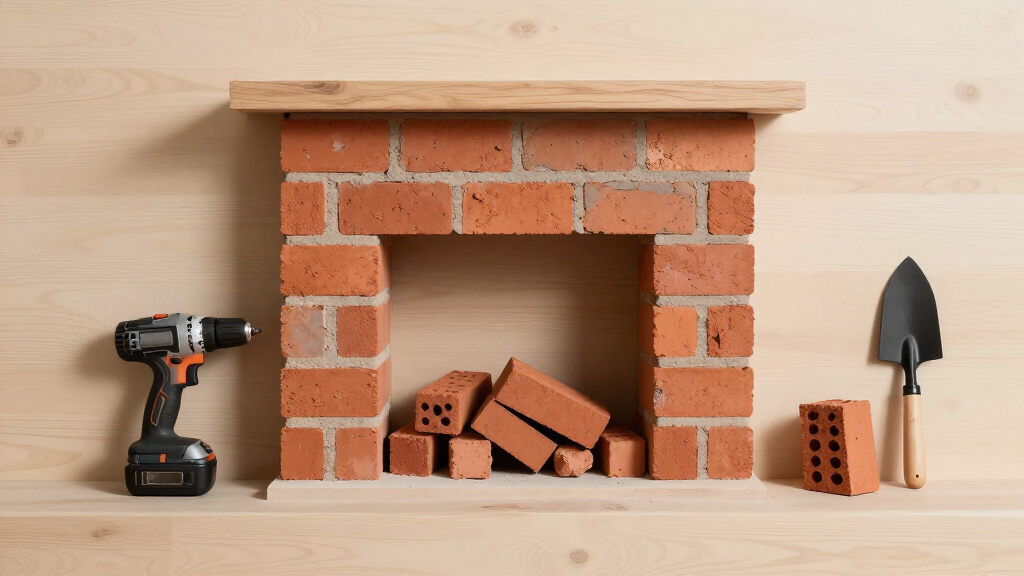
A family removed their brick fireplace from the living room during renovation. The decision was made to improve space and style, and they report no regrets. The move reflects changing home design preferences.
Homeowners have removed their brick fireplace from the living room during a recent renovation, and they say they do not regret the decision. The change reflects a shift in interior design preferences and practical considerations, and it highlights evolving attitudes toward traditional features in modern homes.
The homeowners, who requested anonymity, decided to remove the brick fireplace as part of a comprehensive living room update. According to them, the removal was motivated by a desire for more open space and a contemporary aesthetic. The project was completed within the past month, and they report feeling satisfied with the outcome.
Sources close to the renovation confirmed that the fireplace was structurally sound but was removed entirely, with the space repurposed for other uses such as additional seating and storage. The homeowners emphasized that the removal did not compromise the room’s functionality or warmth, as they have alternative heating solutions.
Experts note that removing fireplaces has become more common as homeowners seek cleaner, more versatile interior designs. However, some traditionalists still value fireplaces as a central feature of a home’s character.
Why Removing the Fireplace Reflects Changing Home Trends
The decision to remove the brick fireplace illustrates a broader trend toward minimalist and open-concept living spaces. Many homeowners now prioritize maximizing usable space and modern aesthetics over traditional features like fireplaces. This shift can influence future home renovation choices and real estate values, as buyers increasingly favor flexible, open interiors.
Additionally, the removal may impact home heating strategies, with homeowners relying more on modern HVAC systems rather than traditional fireplaces. The choice also sparks discussions about maintaining historical features versus modernizing homes for current lifestyles.
As an affiliate, we earn on qualifying purchases.
Changing Attitudes Toward Traditional Fireplaces in Home Design
Fireplaces have historically been a focal point in living rooms, serving both functional and aesthetic purposes. Over recent decades, however, their popularity has waned in favor of open-plan layouts and minimalist decor. Recent surveys suggest that many new homeowners prefer flexible spaces that can adapt to different uses, with some opting to remove or never install fireplaces.
This specific renovation reflects a local trend where homeowners are reevaluating the necessity of traditional features. While some argue fireplaces add character and warmth, others see them as outdated or space-consuming. The trend aligns with a broader movement toward modern, multifunctional interiors.
“We wanted a more open, modern look, and removing the fireplace really transformed the space for the better.”
— Homeowner
As an affiliate, we earn on qualifying purchases.
Remaining Questions About Fireplace Removal Benefits and Impacts
It is not yet clear how widespread this trend will become or whether removing fireplaces will impact home resale values significantly. Long-term effects on heating efficiency and home character are still being evaluated, and some industry experts caution that traditional features may still hold value for certain buyers.
space-saving storage solutions for living room
As an affiliate, we earn on qualifying purchases.
As an affiliate, we earn on qualifying purchases.
Future Home Renovation Trends and Fireplace Use
As more homeowners consider removing fireplaces, industry observers expect a continued shift toward open, flexible living spaces. Future renovations may focus on integrating modern heating solutions and maintaining aesthetic appeal without traditional features. Real estate markets will likely monitor how such changes influence property values and buyer preferences.
As an affiliate, we earn on qualifying purchases.
Key Questions
Why are homeowners removing fireplaces from their living rooms?
Many aim to create more open, modern spaces and prefer minimalist aesthetics. Some also find fireplaces space-consuming or outdated compared to contemporary design trends.
Does removing a fireplace affect home heating?
It can, but most homeowners rely on modern HVAC systems. Proper planning ensures warmth and comfort are maintained without a traditional fireplace.
Are fireplaces still considered a valuable feature in homes?
It depends on buyer preferences. While some value the character and warmth fireplaces add, others prioritize open layouts and modern design, making fireplaces less desirable in some markets.
Will removing fireplaces impact home resale value?
This remains uncertain. Some experts suggest it may not harm value if the space is well-designed, but traditional features can still be a selling point for certain buyers.
Is removing a fireplace a complicated process?
It requires structural assessment and professional removal to ensure safety and proper finishing. Homeowners should consult licensed contractors for such renovations.
Source: rss
Halloween Picks
halloween
As an affiliate, we earn on qualifying purchases.