TL;DR

Get business pricing on tools and workshop supplies
- Business-only prices and quantity discounts
- Tax-exempt purchasing
- Multiple users, one account, clear invoices
A House Beautiful report gathered experts’ advice on eight common heating habits that may make homes less comfortable or increase energy use. The advice includes lowering the thermostat, keeping radiators clear, sealing drafts and maintaining appliances; the source does not provide measured savings or a single estimate of potential bill increases.
House Beautiful has published expert advice on eight common heating habits that may leave homes colder, increase energy use or create safety and damp concerns. The report recommends practical adjustments—including clearing radiators, sealing drafts and scheduling heat around daily routines—but provides no measured estimate of savings that households can expect.
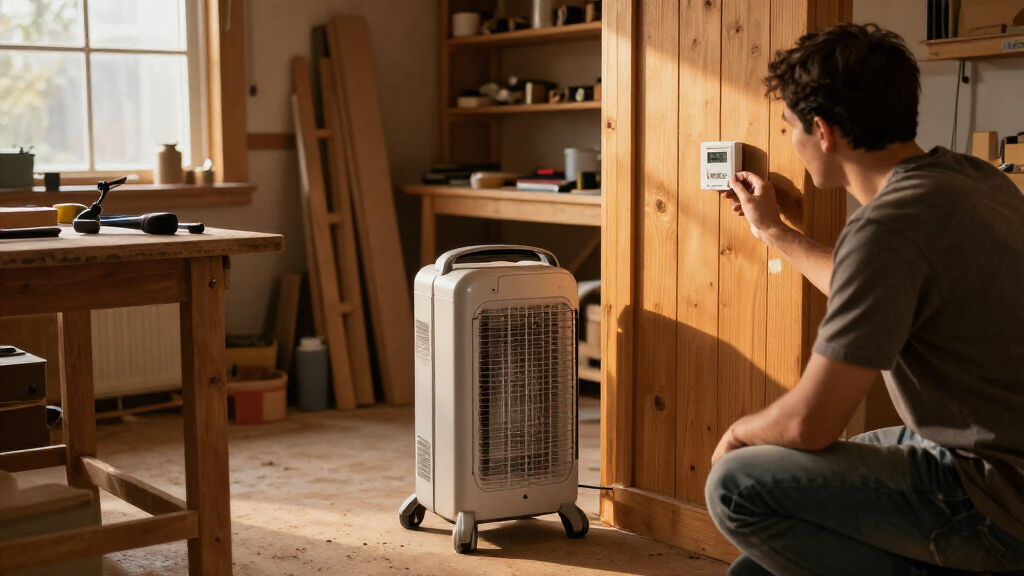
The report’s recommendations cover thermostat use, room layout, drafts, heated blankets, heating schedules, radiator maintenance and clothes drying. Heatforce specialists caution against turning the thermostat sharply upward to warm a home faster, saying that doing so does not speed the heating process and can waste energy. They suggest about 66 degrees Fahrenheit while people are home and awake, with a lower setting overnight. The report attributes to those specialists an estimate that each degree above 66°F can add 10% to annual heating costs; it does not explain the calculation or specify the homes, heating systems or energy prices behind it.
Other advice focuses on letting heat move through rooms and keeping warmth inside. Furniture and curtains should not block radiators, and the report’s sources suggest leaving space around them. Draft excluders, letterbox brushes and sealing strips may help limit cold air entering around doors and windows. Heating expert Stephen Hankinson recommends programming systems to run around periods when warmth is needed, rather than leaving them on throughout the day.
The report also recommends bleeding radiators when their tops are cooler than their bottoms, a possible sign of trapped air, and says this maintenance can be done annually. It warns that older electric blankets or blankets without overheating protection may present a fire risk. Drying clothes directly on radiators can impede heat circulation; the report also flags damp and mould as concerns, though the supplied material ends before giving the full expert explanation for that point.
How Small Habits Affect Heating
For households facing heating costs, the advice highlights ways everyday choices can affect comfort and energy use. A blocked radiator or a draft may mean a room feels colder, while leaving the heating on when nobody needs it can use energy without improving comfort at that moment. These are practical checks rather than guaranteed savings: the report does not test the fixes or quantify their effect on a typical bill.
The safety advice has a separate relevance. An electric blanket is an electrical appliance, and the report’s warning about older models and missing overheating protection is a reminder to check product condition and safety features rather than using a blanket to mask a cold room. Damp and mould concerns also matter where drying laundry indoors affects moisture levels, but the source does not establish how much risk is created by any particular drying practice.
Popular right now

Roborock RockMow X130H Wire-Free 4WD Robot Lawn Mower

Bose QuietComfort Earbuds (2nd Gen) – True Wireless Bluetooth Earbuds with Active Noise Cancellation

KitchenAid Artisan Mini Tilt-Head Stand Mixer, 3.5 Qt, Contour Silver
As an affiliate, we earn on qualifying purchases.
The Eight Habits in the Report
The article groups its recommendations around eight behaviors: setting the thermostat too high; putting furniture or curtains in front of radiators; leaving gaps around doors and windows; relying on an old heated blanket; running heating all day; failing to bleed radiators; and drying clothes on radiators. The supplied source material introduces an eighth item only partially: its final passage begins discussing the effect of drying clothes on radiators, then cuts off during a quotation about damp and mould. The headline promises eight mistakes, but the text provided here contains only seven distinct mistakes that can be described in full.
Experts quoted include representatives of heating and home-energy businesses, a furniture company, a homebuilder and an electrical-products retailer. Their comments supply practical guidance, but the source does not identify independent testing, compare heating systems or provide a detailed methodology for the cost estimate. Advice can also depend on a home’s insulation, climate, equipment and household needs.
““While it won’t heat your home any faster, what it will do is waste energy and therefore waste money.””
— Heating specialists at Heatforce, as quoted by House Beautiful
Savings Depend on Each Home
The report does not provide a date, independent study or bill data showing how much each change saves. Its claim that each degree above 66°F may add 10% to annual heating costs is attributed to Heatforce specialists, but the supplied article does not state the assumptions or baseline behind that figure. It should not be treated as a universal estimate for every household.
The source material also does not fully describe the eighth mistake named in the headline: the text stops during the section on drying clothes on radiators. It gives no complete quotation or separate explanation for that item. Nor does it address how its temperature suggestion applies to people with particular health needs, different climates or different heating systems.
Practical Checks Before Winter
The immediate next step for readers is to check the conditions described in the report: whether radiators are blocked or have cold spots, whether doors and windows have noticeable gaps, and whether the thermostat schedule matches when the home is occupied. Households can review electric blankets for age, damage and overheating protection, following the manufacturer’s instructions.
Bleeding a radiator involves opening a valve and may release water; the report advises switching off the heating first and having a towel ready. Readers should follow their system’s instructions and seek qualified help if unsure. The source provides no follow-up study or announced update, so any effect on energy use will depend on the home and cannot be inferred from the advice alone.
Key Questions
Does turning the thermostat higher heat a home faster?
Heatforce specialists quoted in the report say it does not. They warn that setting it higher than needed may waste energy, though the report does not quantify the effect for every system.
What temperature does the report recommend?
The Heatforce specialists suggest about 66°F while people are home and awake, with the thermostat lowered by four to six degrees overnight. This is the source’s general suggestion, not a personalized recommendation for every household.
How can I tell if a radiator may need bleeding?
The report says a radiator that is cooler at the top than at the bottom may have trapped air. It advises switching off the heating before using a radiator key and catching drips with a towel; follow the system’s instructions if you are unsure.
Can drying clothes on a radiator affect heating?
According to the report, clothes can block heat circulation, potentially making a room take longer to feel comfortable. It also raises damp and mould as concerns, but the supplied source text cuts off before providing the full explanation.
How much money will these changes save?
The report does not give a tested savings figure. Its cited estimate about thermostat settings is attributed to Heatforce specialists and lacks details about its assumptions, so actual results may vary by home, equipment and energy costs.
Source: housebeautiful.com