
TL;DR

Get business pricing on tools and workshop supplies
- Business-only prices and quantity discounts
- Tax-exempt purchasing
- Multiple users, one account, clear invoices
House Beautiful reports that begonias, dahlias and cosmos are especially vulnerable to the first autumn frost, before plants have fully hardened for winter. Horticultural experts recommend covering vulnerable plants overnight, moving containers near a sheltered wall and insulating soil with mulch; covers should come off in the morning.
A House Beautiful report identifies begonias, dahlias and cosmos as popular garden plants at risk when the first autumn frost arrives, and relays expert advice on protecting them overnight. The warning matters because tender plants may still be growing when freezing temperatures arrive, before they have had time to adapt to winter conditions.
Eflorist flower and garden expert David Denyer says late-season growth can be especially vulnerable because it contains water and has soft cell walls. When that water freezes and expands, it can rupture plant cells, leaving damaged growth blackened. Denyer says many plants become more resilient later in winter as they harden off, but the first frost can come before that process is complete.
Begonias are half-hardy bedding plants that cannot tolerate freezing temperatures well, according to Denyer. Dahlias also face risk: their water-storing tubers can be damaged by freezing, which may prevent the plant from regrowing the following year. Horticultural expert Monique Kemperman of Plants & Flowers Foundation Holland says cosmos are tender annuals from warmer climates; frost can blacken and collapse their stems, leaves and flowers, ending their flowering season.
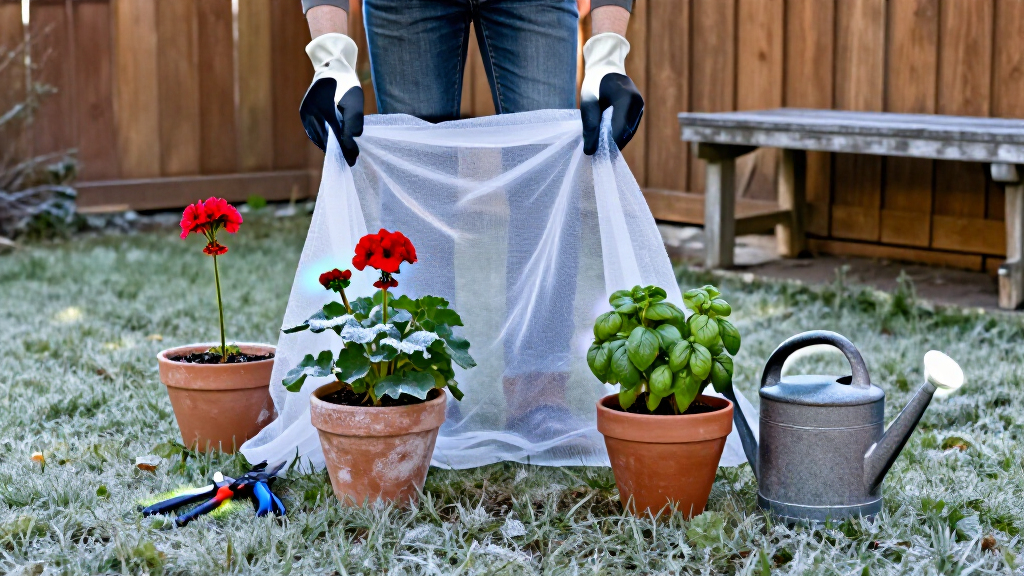
For a cold night, Denyer recommends covering vulnerable plants with horticultural fleece, cloches or an old sheet to hold a layer of warmer air around them. Remove covers the next morning so air can circulate; leaving them on during the day can trap moisture and raise the risk of rot or mold. Move vulnerable pots and hanging baskets close to a wall for shelter, and add compost, bark or fallen leaves around plant bases to insulate the soil and roots.
Protecting Tender Plants Before Frost
The practical issue is timing: the first frost may arrive while tender plants still look healthy and are actively growing. Taking precautions before a forecast cold night can limit damage to flowers and foliage, while protecting dahlia tubers and roots may help plants recover or return in spring. These steps reduce exposure to cold but do not guarantee survival if temperatures fall below what a plant can tolerate.
Advice differs by planting situation. Covers can help plants in the ground overnight, while containers can be moved to a sheltered position. Removing covers in the morning is part of the protection plan, since trapped moisture can create another problem even after the frost passes.
As an affiliate, we earn on qualifying purchases.
Why the First Frost Can Hit Hard
Denyer says the first autumn frost can catch gardeners off guard because gardens may still appear full of life. Plants can put out fresh growth after warm weather and a wet September, but that growth may be less prepared for freezing temperatures. Later in winter, many plants naturally harden off and become more resilient.
The report focuses on begonias, dahlias and cosmos, rather than suggesting that all garden plants face the same level of risk. Begonias are described as half-hardy, cosmos as tender annuals, and dahlias as vulnerable because their tubers store water. The recommendations are seasonal preparation tips, not a local frost forecast; gardeners need to check conditions where they live.
“The first autumn frost often catches gardeners off-guard because it arrives while your garden still looks full of life.”
— David Denyer, Eflorist flower and garden expert
garden plant covers for frost protection
As an affiliate, we earn on qualifying purchases.
As an affiliate, we earn on qualifying purchases.
Local Frost Risk Varies
The report does not provide a specific frost date, temperature threshold or regional forecast. The timing and severity of frost vary by location, and the source does not give a guarantee that covering plants or moving pots will prevent damage. It also does not specify how much cold each individual variety can withstand, so gardeners should check local forecasts and plant-specific guidance.
As an affiliate, we earn on qualifying purchases.
Check Forecasts and Act Overnight
When frost is forecast, gardeners can cover vulnerable plants before temperatures drop, move pots and hanging baskets to a sheltered spot, and insulate soil around plant bases. Remove overnight covers the following morning to let air circulate. The report offers no further scheduled update; the next step for readers is to monitor their local forecast and adjust protection to their plants and conditions.
As an affiliate, we earn on qualifying purchases.
Key Questions
Which plants does the report say are most vulnerable to the first frost?
It highlights begonias, dahlias and cosmos. Begonias and cosmos are tender, while dahlia tubers can be damaged if the water they store freezes.
What can I cover plants with overnight?
David Denyer recommends horticultural fleece, cloches or an old sheet to trap a layer of warmer air around vulnerable plants. Remove the covering in the morning to allow air to circulate.
How should I protect pots and hanging baskets?
Move vulnerable containers close to a sheltered wall, where they can be protected from exposure and may benefit from warmth held in brick or stone.
Can mulch help protect plants from frost?
Denyer recommends adding compost, bark or fallen leaves around the base of plants to insulate the soil and help keep moisture and temperature levels steadier.
Should plant covers stay on during the day?
No. The report advises taking covers off the next morning. Leaving them on can trap moisture and increase the risk of rot or mold.
Source: rss
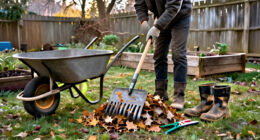
Fall yard work Picks
leaf blowers
As an affiliate, we earn on qualifying purchases.