
TL;DR

Get business pricing on tools and workshop supplies
- Business-only prices and quantity discounts
- Tax-exempt purchasing
- Multiple users, one account, clear invoices
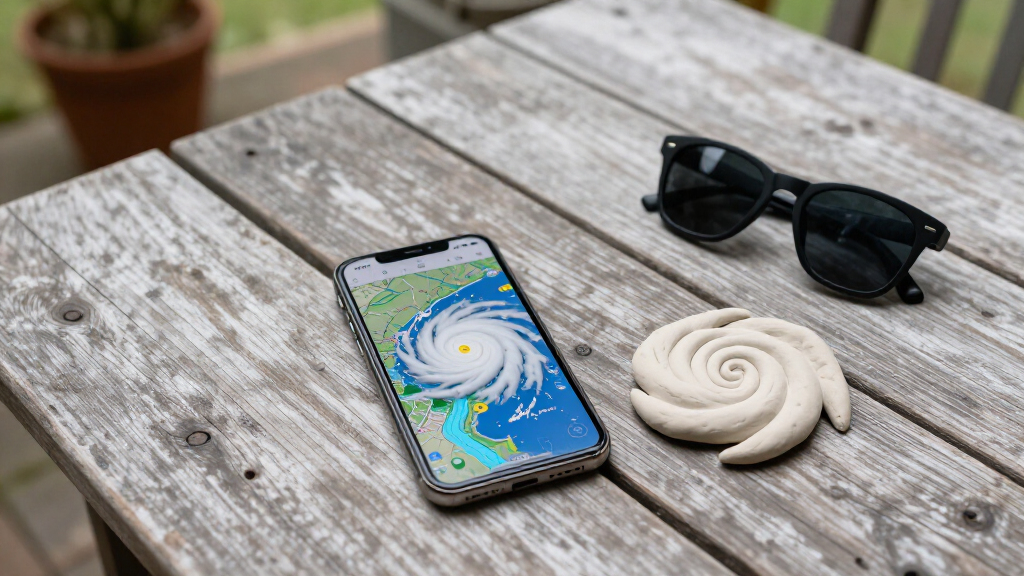
The Atlantic hurricane season has seen no storms beyond September 11, a rare occurrence historically. Experts attribute this to El Niño conditions, but uncertainties remain about future storm activity and U.S. preparedness.
The Atlantic hurricane season has seen no storms forming beyond September 11, marking an unusual and significant deviation from historical patterns, with experts attributing this to El Niño conditions. This lull offers a temporary reprieve for U.S. coastal regions but raises questions about what the coming months may hold and how prepared agencies like FEMA are for potential future storms.
According to the National Oceanic and Atmospheric Administration (NOAA), the 2024 Atlantic hurricane season has remained unusually quiet, with no hurricanes developing after September 11—something that has not occurred since reliable records began in 1950. Typically, the peak of hurricane activity occurs around September 10, but this year, the season has defied expectations, with no significant storms forming so far.
Experts point to the influence of El Niño, a climate pattern characterized by warmer-than-average sea surface temperatures in the Pacific Ocean, which tends to suppress Atlantic hurricane activity. Kristen Corbosiero, a professor of atmospheric science at the University at Albany, noted that the current conditions have made the Atlantic “really inhospitable” to tropical cyclone formation. Meanwhile, in the Pacific, El Niño has contributed to increased storm activity, including hurricanes striking Hawaii, which is rarely hit by such storms.
While this season’s calm is good news for U.S. mainland coastal areas—especially after a series of damaging hurricanes in recent years—the situation remains uncertain. Meteorologists warn that it is premature to conclude that no major storms will develop later in the season or next year. The current lull is largely attributed to climate variability, but conditions can change rapidly, and the risk of a significant hurricane remains.
The Lifespan of Atlantic Hurricanes: What the U.S. Needs to Know
No storms have formed in the Atlantic beyond September 11 — a deviation unmatched since reliable records began in 1950. El Niño is suppressing cyclone formation, offering coastal regions a reprieve while raising urgent questions about future preparedness.
It’s really staggering, just how inhospitable the Atlantic is to anything that could form a tropical cyclone right now.
— Kristen Corbosiero · Professor of Atmospheric Science, University at AlbanyAn Unprecedented Lull in Storm Formation
A Hostile Ocean Basin
NOAA reports the 2024 season has stayed unusually quiet, with no significant storms developing past September 11 — defying decades of observed seasonal patterns.
The Pacific Effect
Warmer-than-average Pacific sea surface temperatures suppress Atlantic cyclone formation while amplifying Pacific activity — including rare hurricanes striking Hawaii.
2023 Set the Pattern
The prior season was also notably mild, with no hurricanes making U.S. mainland landfall — marking a sustained stretch of below-average Atlantic activity.
When Hurricanes Typically Form
Season Opens
Core Formation
Peak Activity
Season Closes
A Reprieve — Not a Reset
The absence of major hurricanes temporarily reduces disaster risk along the Atlantic and Gulf coasts, potentially saving lives and economic costs. But a sudden shift in climate patterns or the end of El Niño could reactivate the season — and recent reports criticize FEMA’s staffing capacity and strategic direction.
Threat Remains
Hurricane risk persists until the season officially ends on November 30. Current calm is not a guarantee of future activity.
Readiness Gaps
Staffing shortages and strategic planning issues could hinder effective response if a significant hurricane strikes U.S. shores.
Sustained Investment
The lull underscores the need for continued funding of disaster preparedness and climate-resilient infrastructure.
How Agencies Track What Comes Next
Watch the Ocean
Monitor sea surface temperatures and atmospheric conditions across the Atlantic basin.
Model Climate
Track El Niño / La Niña phases; reliable forecasts extend only a few weeks out.
Assess Readiness
Scrutinize FEMA staffing and strategy to close response-capability gaps.
Adjust Policy
NOAA updates guide public safety measures and preparedness investment.
What the U.S. Should Ask Now
| Question | Answer |
|---|---|
| Is the hurricane season officially over? | No. The season is ongoing, and while activity has been unusually low, storms can still develop later in the year. |
| Could a major hurricane hit the U.S. despite this lull? | Yes. Current conditions are not a guarantee of future activity — hurricane risk remains until the season officially ends. |
| What is causing the low activity this year? | Experts attribute the lull mainly to El Niño conditions, which suppress Atlantic hurricane formation while increasing Pacific activity. |
| How prepared is FEMA for a major storm? | Recent reports indicate FEMA faces staffing and strategic challenges that could impact response capability. |
| Will climate change affect future hurricane seasons? | Climate change is expected to influence long-term hurricane patterns, but precise impacts and timing remain uncertain. |
The Chain of Cause and Consequence
Implications for U.S. Coastal Safety and Policy
The absence of major hurricanes this season temporarily reduces the risk of disaster along the Atlantic and Gulf coasts, potentially saving lives and reducing economic costs. However, experts warn that this lull does not eliminate future threats. A sudden shift in climate patterns or the end of El Niño could lead to a more active hurricane season, and current preparedness levels, especially within FEMA, may not be sufficient for a major storm.
Additionally, the ongoing challenges faced by FEMA—including staffing shortages and strategic planning issues—could hinder effective response if a significant hurricane strikes. A recent government report criticized FEMA’s staffing capacity and overall strategic direction, raising concerns about the agency’s readiness for future emergencies.
Thus, while this season’s calm is a temporary reprieve, it underscores the importance of sustained investment in disaster preparedness and climate resilience to mitigate future risks.
Hurricane emergency preparedness kit
As an affiliate, we earn on qualifying purchases.
As an affiliate, we earn on qualifying purchases.
Historical Patterns and Recent Developments in Atlantic Storms
Historically, the peak of Atlantic hurricane activity occurs in early to mid-September, with storms often forming from August through October. The 2023 season was also notably mild, with no hurricanes making landfall on the U.S. mainland, marking a pattern of recent below-average activity. Climate phenomena like El Niño have been linked to these quiet seasons, as they tend to suppress Atlantic storm formation while enhancing Pacific activity.
In 2024, the Atlantic has remained unusually calm, with no storms exceeding the typical activity levels. Meanwhile, the Pacific has seen increased hurricane activity, partly due to the same El Niño conditions, which have led to significant storms impacting Hawaii and other regions. This contrasting pattern highlights the complex influence of climate variability on regional storm activity.
Experts caution that these patterns are not guaranteed to continue, and the coming months could still bring a shift toward more active hurricane seasons, emphasizing the unpredictable nature of climate influences on storms.
“It’s really staggering, just how inhospitable the Atlantic is to anything that could form a tropical cyclone right now.”
— Kristen Corbosiero, Professor of Atmospheric Science, University at Albany
As an affiliate, we earn on qualifying purchases.
Unclear Future Storm Activity and Climate Impact
While current conditions suggest a lull in hurricane activity, experts emphasize that it is too early to predict whether this pattern will continue. The influence of climate variability, including potential shifts in El Niño or La Niña phases, could lead to an active storm season later in the year or next year. Additionally, the precise timing and intensity of future storms remain uncertain, and current models cannot reliably forecast beyond a few weeks.
Questions also remain about how climate change may alter long-term hurricane patterns, making it difficult to assess future risks with certainty.
home hurricane protection shutters
As an affiliate, we earn on qualifying purchases.
As an affiliate, we earn on qualifying purchases.
Monitoring, Preparedness, and Policy Adjustments for Future Risks
Meteorologists and disaster agencies will continue to monitor sea surface temperatures, atmospheric conditions, and climate patterns to assess the likelihood of future storms. Officials warn that the current calm should not lead to complacency, and preparations should remain robust. FEMA and other agencies are under scrutiny to improve staffing and strategic planning, ensuring readiness for potential future hurricanes.
In the coming months, updates from NOAA and climate scientists will inform whether the lull persists or if conditions shift toward increased activity, guiding policy and public safety measures accordingly.
As an affiliate, we earn on qualifying purchases.
Key Questions
Is the hurricane season officially over?
No, the season is ongoing, and while activity has been unusually low, storms can still develop later in the year.
Could a major hurricane hit the U.S. despite this lull?
Yes, it is still possible. Current conditions are not a guarantee of future activity, and hurricane risk remains until the season officially ends.
What is causing the low activity this year?
Experts attribute the lull mainly to El Niño conditions, which tend to suppress Atlantic hurricane formation, while increasing activity in the Pacific.
How prepared is FEMA for a major storm?
Recent reports indicate that FEMA faces staffing and strategic challenges, which could impact response capability if a significant hurricane occurs.
Will climate change affect future hurricane seasons?
Climate change is expected to influence long-term hurricane patterns, but precise impacts and timing remain uncertain.
Source: The Atlantic
Halloween Picks
halloween
As an affiliate, we earn on qualifying purchases.